How an Electrical Inspection Works in Cincinnati, OH
An Electrical inspection in Cincinnati, OH involves a certified electrician checking wiring, panels, outlets, and other Electrical parts to make sure they meet safety codes and work as they should. The process includes reviewing installation quality, spotting hazards, and checking compliance with local rules. This inspection helps prevent Electrical failures, fires, and unsafe system operation in residential or commercial properties.

What Is an Electrical Inspection?
Electrical Inspection is a critical safety process where a licensed electrician checks Electrical systems to make sure they follow safety codes and help prevent hazards. It reviews the condition, function, and installation quality of key parts so owners know if a system is safe, reliable, and ready for normal use.
An Electrical checkup is a Safety Codes-based safety inspection of wiring, devices, and connections in a home or commercial space. The goal is to catch Electrical hazards before they cause shock. Equipment damage, or fire safety problems. It can apply to a residential Electrical inspection. A commercial Electrical inspection, or a new construction Electrical inspection.
During the review, a licensed electrician uses an inspection checklist to check outlets, switches, fixtures, the breaker panel, and the grounding system. They look for wear, unsafe changes, and signs that building codes or Electrical permits weren't followed. In older properties, this process often finds aging materials, overloaded circuits, and hidden defects a general home inspection may miss.
Step-by-Step Process of an Electrical Inspection
The Electrical inspection process includes a visual check, testing wiring. Outlets, checking panels, verifying grounding, and reviewing local code compliance. Each step builds on the last. Helps the inspector confirm safe operation. Code compliance across the full Electrical system review.
Most jobs follow a clear order. Important details don't get missed. The same core steps apply to house sales, remodels, storm damage concerns, and routine maintenance. In Cincinnati, humid weather can speed up corrosion on outdoor disconnects, meter bases, and other exposed parts.
Step 1: Initial Visual Assessment
The first step is a room-by-room exterior visual review. The inspector looks for worn insulation, missing covers, unsafe splices, damaged fixtures, and signs of moisture near service equipment. This early check often shows if the system has had additions repairs that need a closer look. In Cincinnati, humidity can leave corrosion on outdoor terminals. Metal enclosures, especially where seals have failed. Visible permit issues, outdated devices, and poor installation work often show up here before testing starts.
Step 2: Testing Electrical Components
After the walk-through, the inspector tests outlets, switches, and selected circuits. They check outlet polarity, grounding, voltage consistency, and whether breakers respond the right way. Wiring faults, loose terminations, and damaged receptacles may not be easy to spot until testing begins. GFCI devices are checked in kitchens, baths, garages, and exterior areas, and AFCI protection is reviewed where required. This step helps confirm that everyday Electrical parts are present working safely during normal use.
Step 3: Panel and Circuit Inspection
The panel inspection focuses on the service equipment. Branch circuits that send power through the building. Covers are removed when appropriate. The inspector can check for overheating. Rust, poor labeling, mismatched breaker sizes, and double-tapped connections. Circuit breakers should match the conductor size the job they serve. The panel should also be organized. Show no signs of water intrusion. This stage matters in Electrical Inspection in Cincinnati because many older homes have mixed older wiring with newer upgrades.
Step 4: Grounding and Bonding Verification
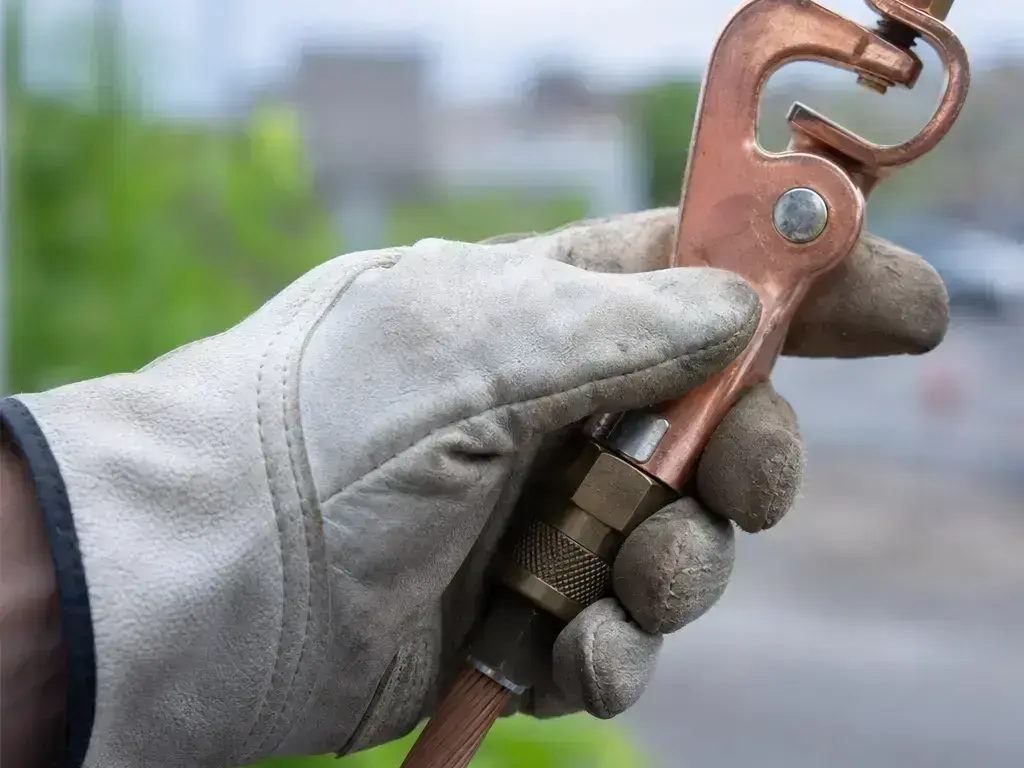
Grounding and bonding protect people. Equipment by giving stray fault current a dependable path. The inspector checks the grounding electrode connection. Bonding at service equipment, and continuity where metal systems must connect together. Missing or improper bonding can leave metal parts energized during a fault. The review may also include checks at water piping. Service enclosures, and detached structures when present. Because owners can't always see grounding problems. This step is one of the most important for life safety.
Step 5: Code Compliance and Final Report
The last step is comparing what the inspector found with current safety standards, local amendments, and the work scope. The inspector notes code compliance concerns, explains which issues are immediate hazards, and prepares a written inspection report. That report usually separates repairs, upgrades, and monitoring items so owners can plan next steps. It's also the right time to ask about Electrical permits, future remodel work, and maintenance priorities. The services we offer are meant to make those findings easier to understand and fix.
Typical Duration of Electrical Inspections by Project Size
Inspection duration varies by project size. Small projects usually take under an hour. Average projects last 1-2 hours. Large projects can need several hours or multiple visits. The actual timeline depends on access, system age, the number of circuits, and whether extra troubleshooting or paperwork is needed.
A simple Electrical safety inspection for a small condo limited repair area is often quick. A larger property with multiple subpanels, detached structures, or storm concerns takes more time. Older buildings often need a longer visit because the Electrician may need to trace changed wiring circuits, confirm labeling, or review old and new parts together.
| Project Size | Typical Duration | What Is Usually Included |
|---|---|---|
| Small | Under 1 hour | Basic review of accessible outlets, visible wiring, service equipment, and limited testing |
| Average | About 1 to 2 hours | Full interior checkup, panel review, grounding verification, and broader outlet and breaker testing |
| Large | Several hours or multiple visits | Larger homes or commercial spaces, multiple panels, exterior equipment, and detailed follow-up on defects |
Common Issues Found During Electrical Inspections in Cincinnati
Common issues in Cincinnati Electrical inspections include outdated wiring. Improper grounding, overloaded circuits, and code violations that can create safety risks. Many findings can be fixed. They should be found early because even small defects can increase the risk of shock, nuisance tripping, or fire.
These problems often show up after a purchase, renovation, or outage complaint. Finding them early can help avoid bigger repair bills improve day-to-day reliability.
Why Regular Electrical Inspections Are Essential in Cincinnati, OH?
Regular Electrical inspections in Cincinnati ensure safety. Help prevent fire hazards, maintain code compliance, and protect property value by finding risks early. They give owners a clear picture of system condition before a defect becomes an emergency, sale problem, remodel delay, or outage.
Routine checkups matter most in older homes, remodeled buildings, and properties with outdoor equipment exposed to weather. Local humidity can speed up corrosion. Storm season can affect service gear and exterior wiring. For owners planning additions or equipment upgrades. A scheduled review also helps confirm if the current system can handle new loads safely.
A regular home inspection may miss detailed Electrical testing. A focused safety inspection looks deeper at the breaker panel. Wiring circuits, and protective devices. Keeping up with this maintenance supports safer daily use. Smoother permit work, and better long-term reliability for homes businesses in Cincinnati.
Frequently Asked Questions
Related Resources
Electrical Panel Upgrade Mistakes to Avoid
Electrical panel upgrade mistakes
Everything About ItWhole-Home Rewiring Explained, Costs, Signs, and Process
whole home rewiring explained
What It CostsElectrical Panel Upgrade Cost in Cincinnati. What Your Quote Should Include.
Electrical panel upgrade cost Cincinnati OH
What It CostsEV Charger Installation in Cincinnati, Cost, Options, and Timeline
EV charger installation cost Cincinnati OH