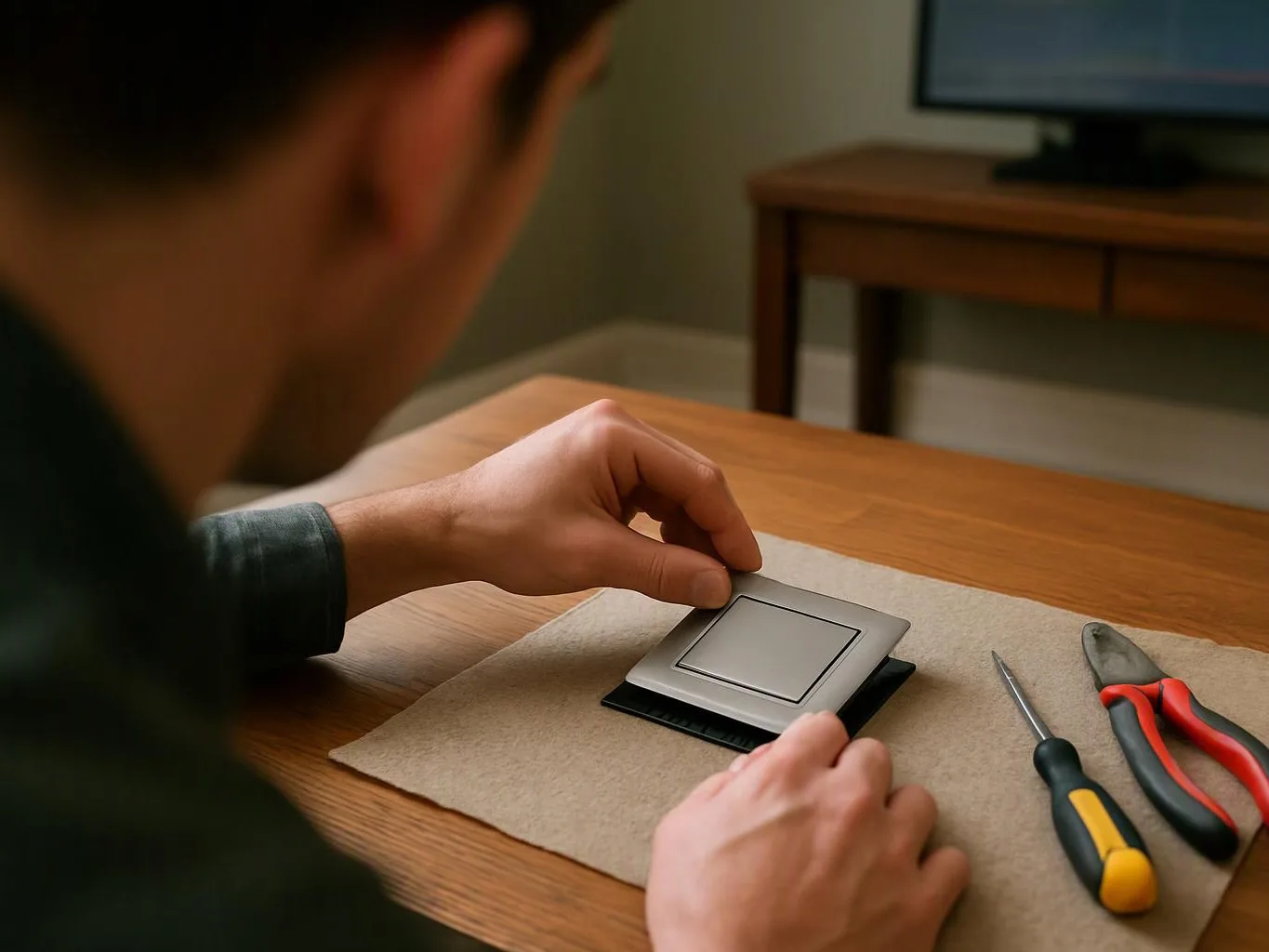
What to Do After an Emergency Electrical Repair
Emergency electrical repair follow-up checks that the hazard is controlled, repaired equipment operates safely, damaged components are identified, and follow-up inspection or maintenance needs are documented. Cincelux Electric completes these checks before we recommend normal use.
Get a Free Estimate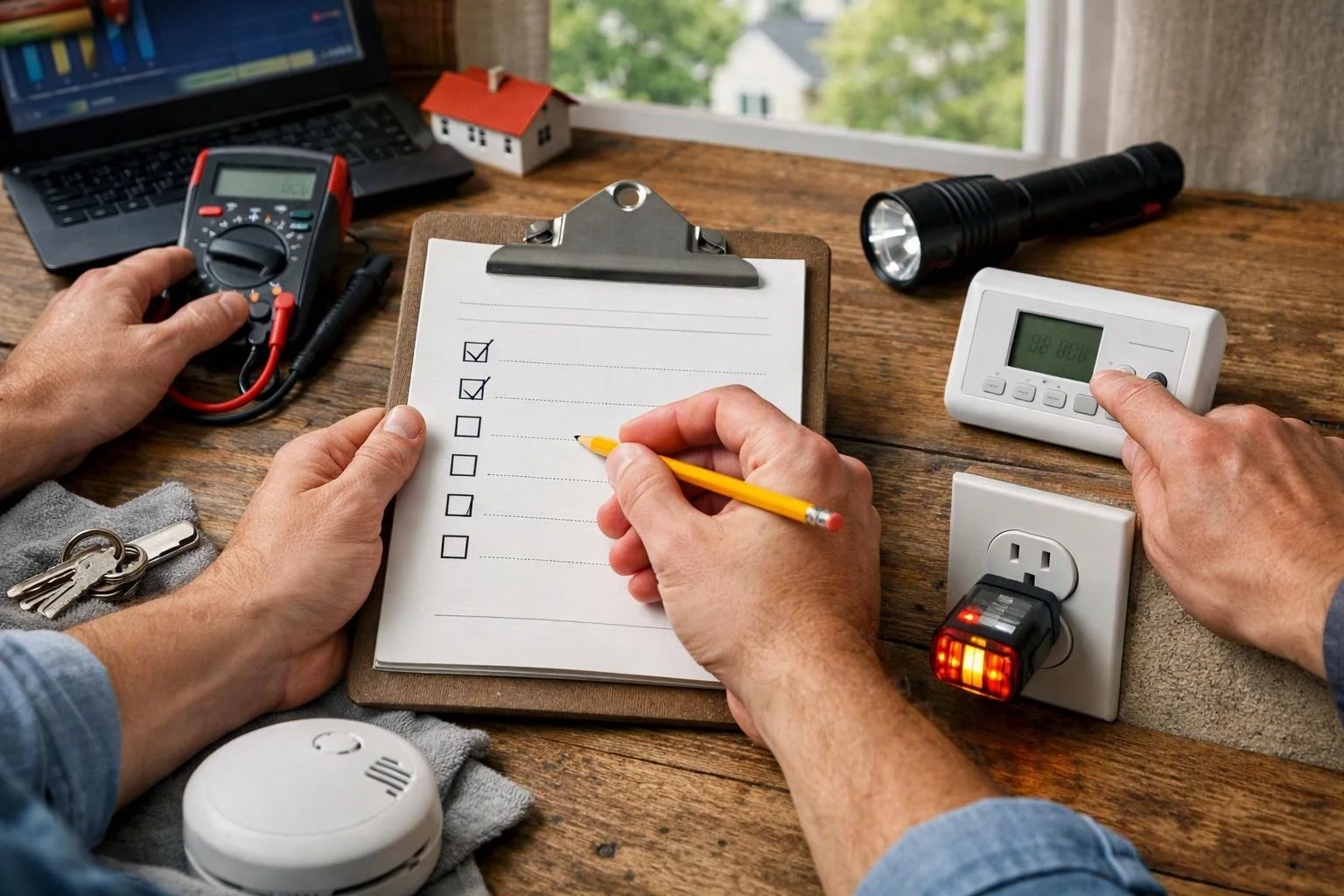
Power restoration alone does not prove that an electrical fault is fully resolved. Our team uses a post-repair electrical check to confirm safe operation and identify conditions that may cause another interruption.
We can also explain the next steps through our Emergency Electrical Repair service, including any follow-up inspection or preventive maintenance that the repair calls for.
What Should Be Checked After an Emergency Electrical Repair?
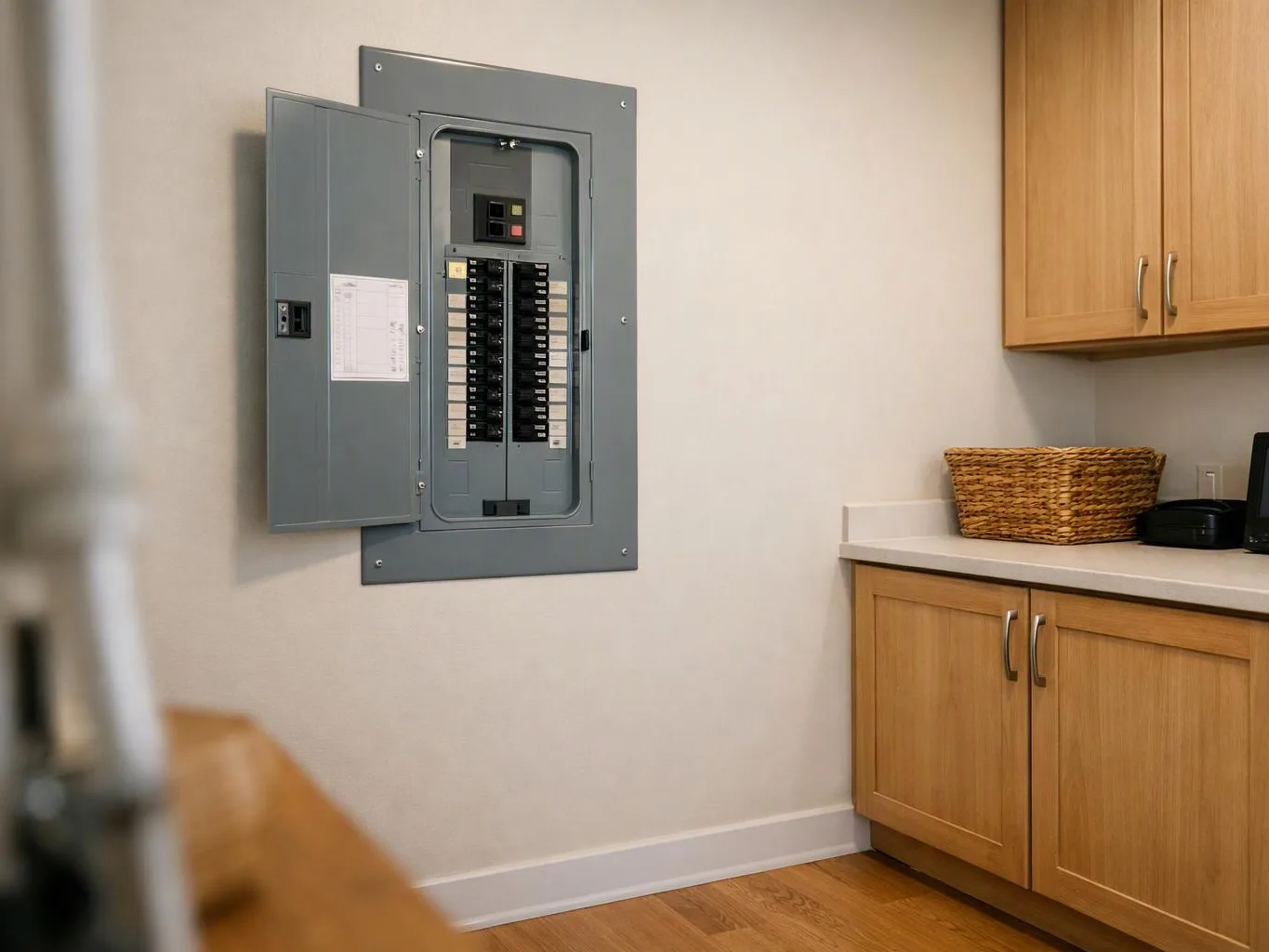
After an emergency electrical repair, the repaired circuit, connected equipment, visible wiring, protective devices, and signs of heat or damage should be checked before normal use. Cincelux Electric checks the affected area so power restoration supports safe operation.
The exact checks depend on the electrical fault and the repair location. We work through the affected parts in a clear order:
How Should You Record an Emergency Electrical Repair?
Repair documentation should record the electrical fault, repair location, replaced component, and any recommendation for further work. We use the inspection record to show what was found, what was repaired, and what still needs attention.
Record the symptoms that led to the emergency call, such as a power interruption, tripping breaker, burning smell, or loss of power at an outlet. Include which equipment was affected and whether the issue returned after power restoration.
Our team can explain the replaced component and note whether the repair was limited to one circuit or connected to a wider wiring or electrical panel concern. A clear repair record helps guide a later electrical safety inspection and routine electrical maintenance.
When Is an Electrical Safety Inspection Needed After a Repair?
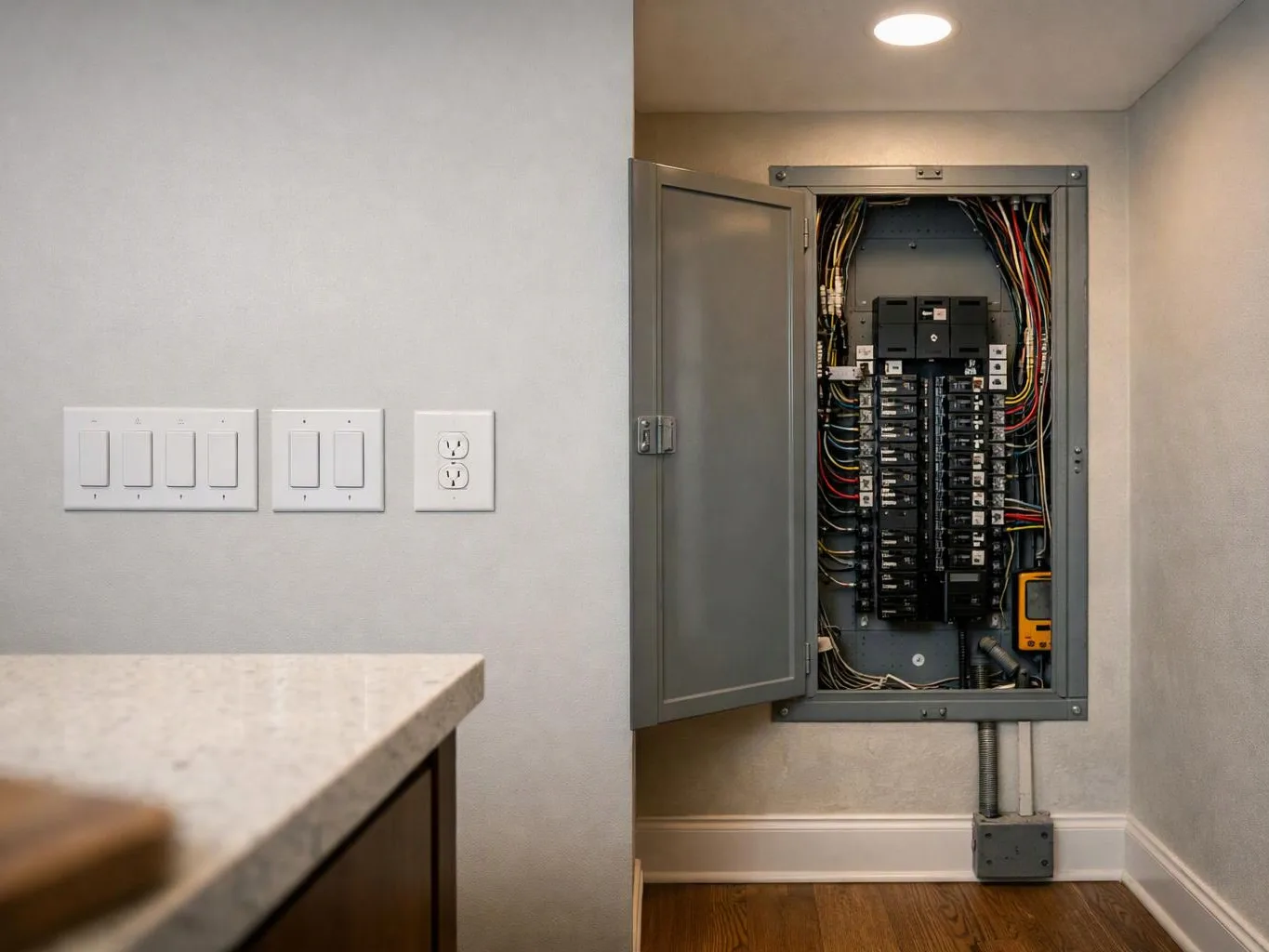
An electrical safety inspection is needed when the cause of the fault is unclear, warning signs continue, or the repair involved wider wiring or panel concerns. Cincelux Electric uses the inspection to look beyond the repaired component when the surrounding system may also be affected.
Request follow-up service when a recurring power interruption continues after the repair. A burn mark, smoke odor, warm outlet, or tripping circuit breaker also calls for further assessment.
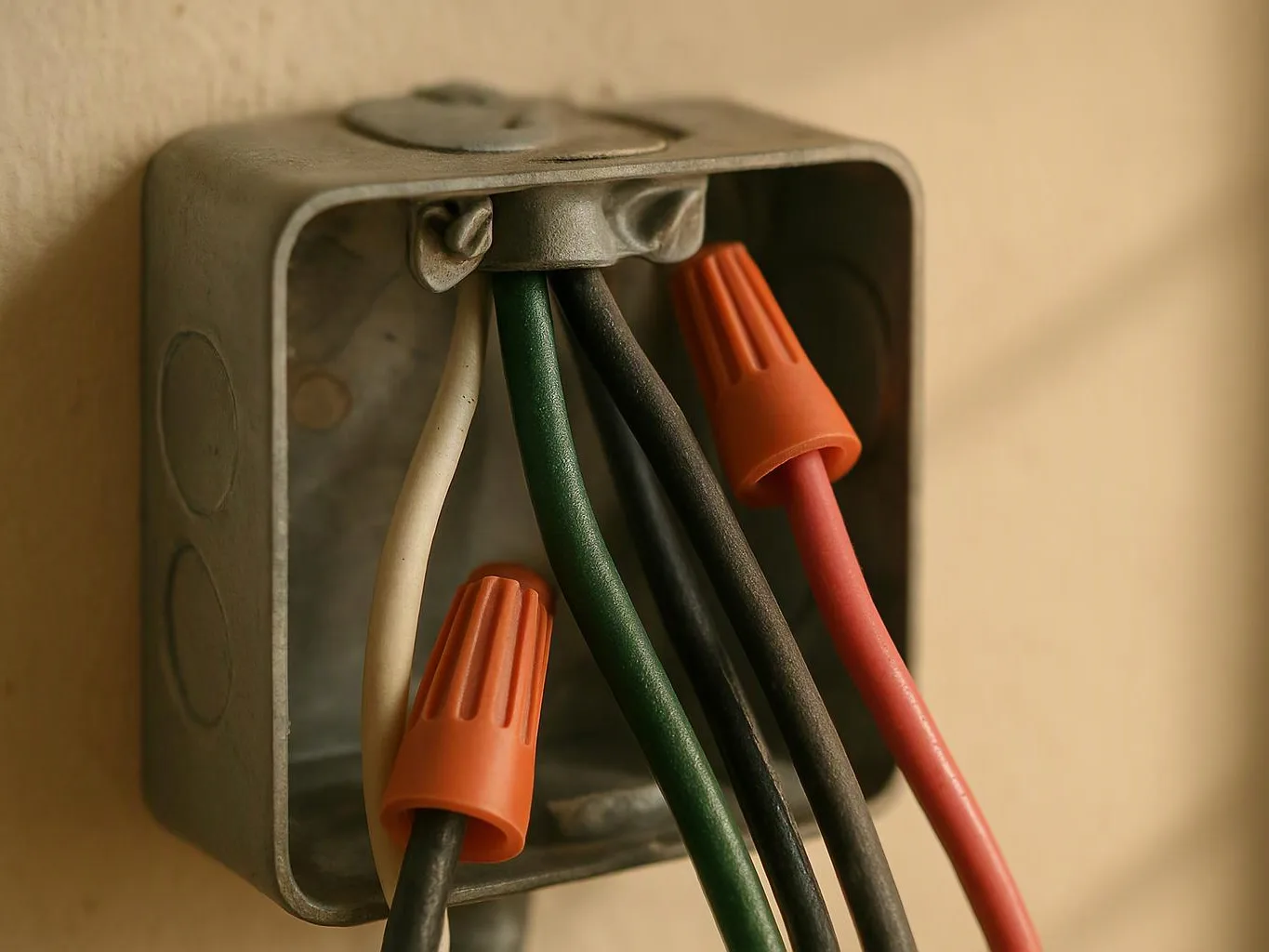
We inspect for an unresolved electrical fault when equipment still behaves abnormally or when signs point to hidden wiring damage. A wider inspection is especially important when damaged insulation, loose connections, or panel concerns were found during the emergency electrical repair.
How Can Routine Electrical Maintenance Reduce Emergency Calls?
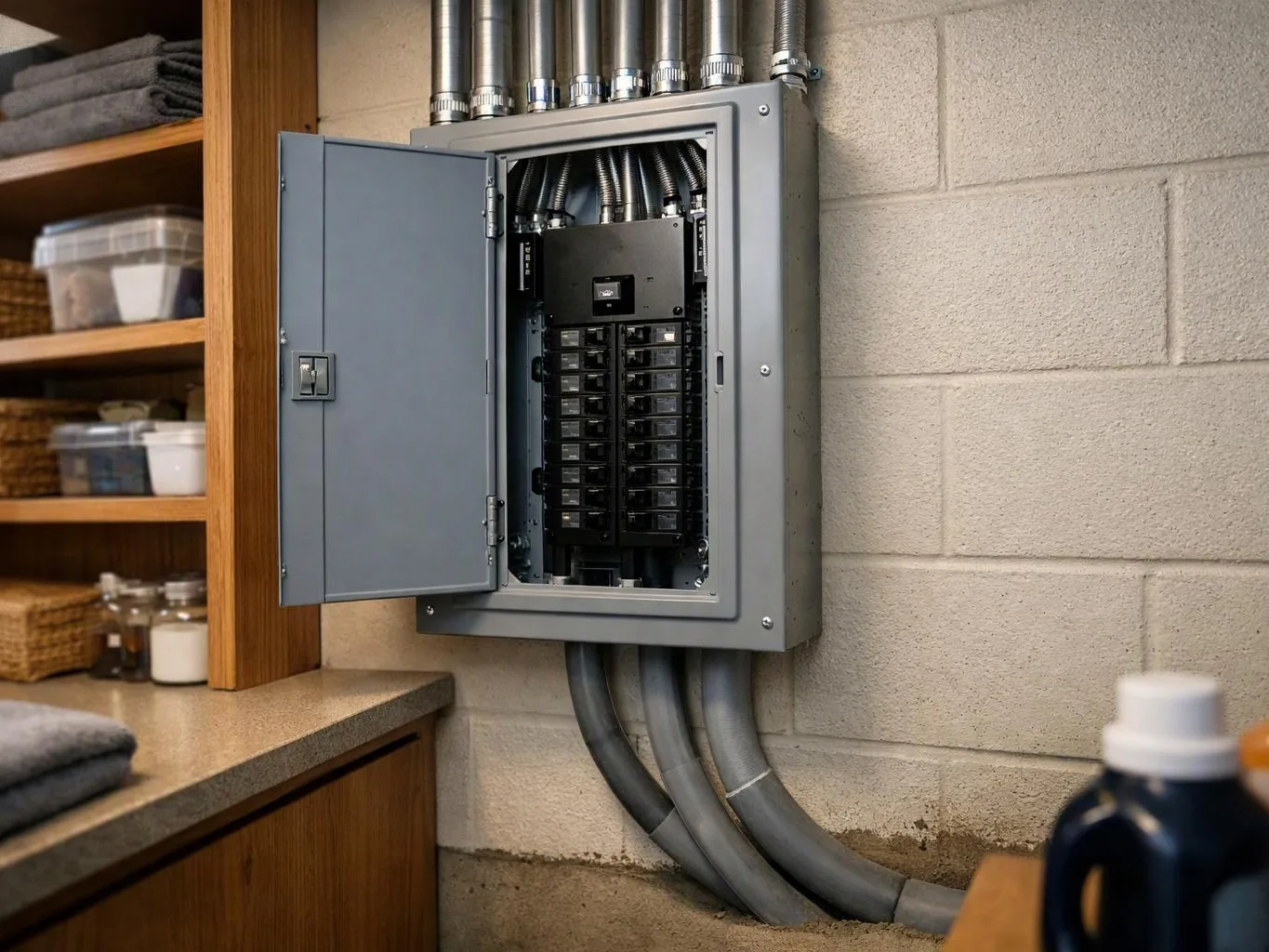
Routine electrical maintenance can reduce emergency calls by identifying damaged components, overloaded circuits, loose connections, and other developing hazards before failure. Our team uses preventive repair to address conditions that could interrupt power or damage electrical equipment.
Regular maintenance gives us a chance to review the panel, receptacles, switches, and visible cords while the system is operating normally. Useful maintenance tasks include:
What Can You Safely Do Before the Follow-Up Check?
You can keep the affected equipment switched off, observe for visible warning signs, and avoid touching damaged wiring until Cincelux Electric completes the necessary checks. Safe power isolation helps limit further damage while the repair area is being reviewed.
Do not reset a circuit breaker repeatedly when it trips again. Do not use an outlet, switch, fixture, or appliance that feels warm, smells like burning, shows scorch marks, or has visible damage.
You can note when the warning sign appears and which equipment is connected. Share those details with our team so we can focus the follow-up inspection on the likely source of the electrical fault.
Questions About Emergency Electrical Repair Follow-Up
Can I turn the repaired circuit back on immediately?
No, not until Cincelux Electric confirms that the repaired circuit and connected equipment operate safely. Keep the circuit isolated when warning signs remain or the cause of the fault is not clear.
What are the warning signs that an electrical repair was not fully resolved?
Recurring power interruption, a tripping circuit breaker, burn marks, smoke odor, a warm outlet, unusual equipment behavior, or visible damage can show that the electrical fault remains unresolved.
Should damaged electrical equipment be used after the power is restored?
No, damaged electrical equipment should remain switched off until its condition is checked. Power restoration does not remove the risk created by damaged insulation, heat, moisture, or an internal electrical fault.
What information should I give Cincelux Electric during a post-repair follow-up?
Give Cincelux Electric the repair location, affected equipment, warning signs, power interruption history, breaker or fuse behavior, and any changes noticed after power was restored.
Arrange Your Electrical Repair Follow-Up
Post-repair electrical checks help confirm safe operation and identify follow-up work before a small fault becomes another emergency. Contact Cincelux Electric to discuss the repair record, warning signs, and inspection needs for your electrical system.
Contact Cincelux Electric for an assessment and Free Estimates Available.
Get a Free EstimateRelated Resources
How Much Does a 24-Hour Emergency Electrician Cost in Cincinnati?
What It CostsHow Much Does It Cost and How Long Does It Take to Rewire a House?
Compared ToStandard vs Premium Emergency Electrical Repair Systems & Materials Compared (2026)
Compared ToLocal Specialist vs National Emergency Electrical Repair Providers in Cincinnati: Cost & Service Compared