What problems can result from unresolved electrical code violations?
Insurance issues, fire hazards, shock risks, failed inspections, and equipment damage can follow unresolved violations. Cincelux Electric checks the affected circuits, panels, outlets, wiring, and grounding to identify the repair scope. A prompt assessment also helps separate a focused correction from a larger electrical upgrade.
Which part of the property decides the scope of code corrections?
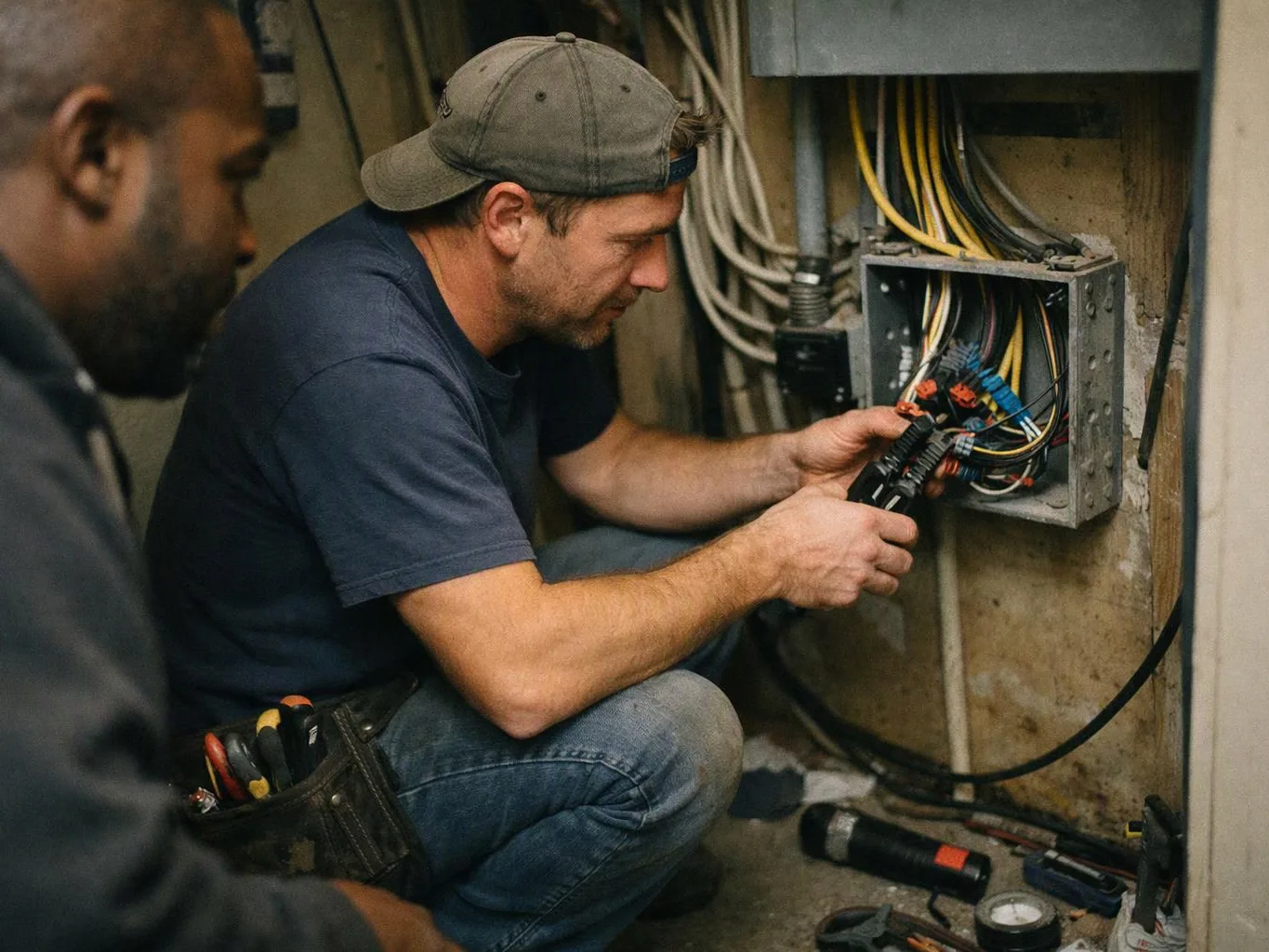
The affected panel, circuit, wiring path, outlet, or equipment connection decides the correction scope. We inspect the visible symptom and related parts because a dead outlet or tripping breaker may involve wiring farther back in the circuit. Access also affects what we can inspect and repair.
Which material changes how long the correction work takes?
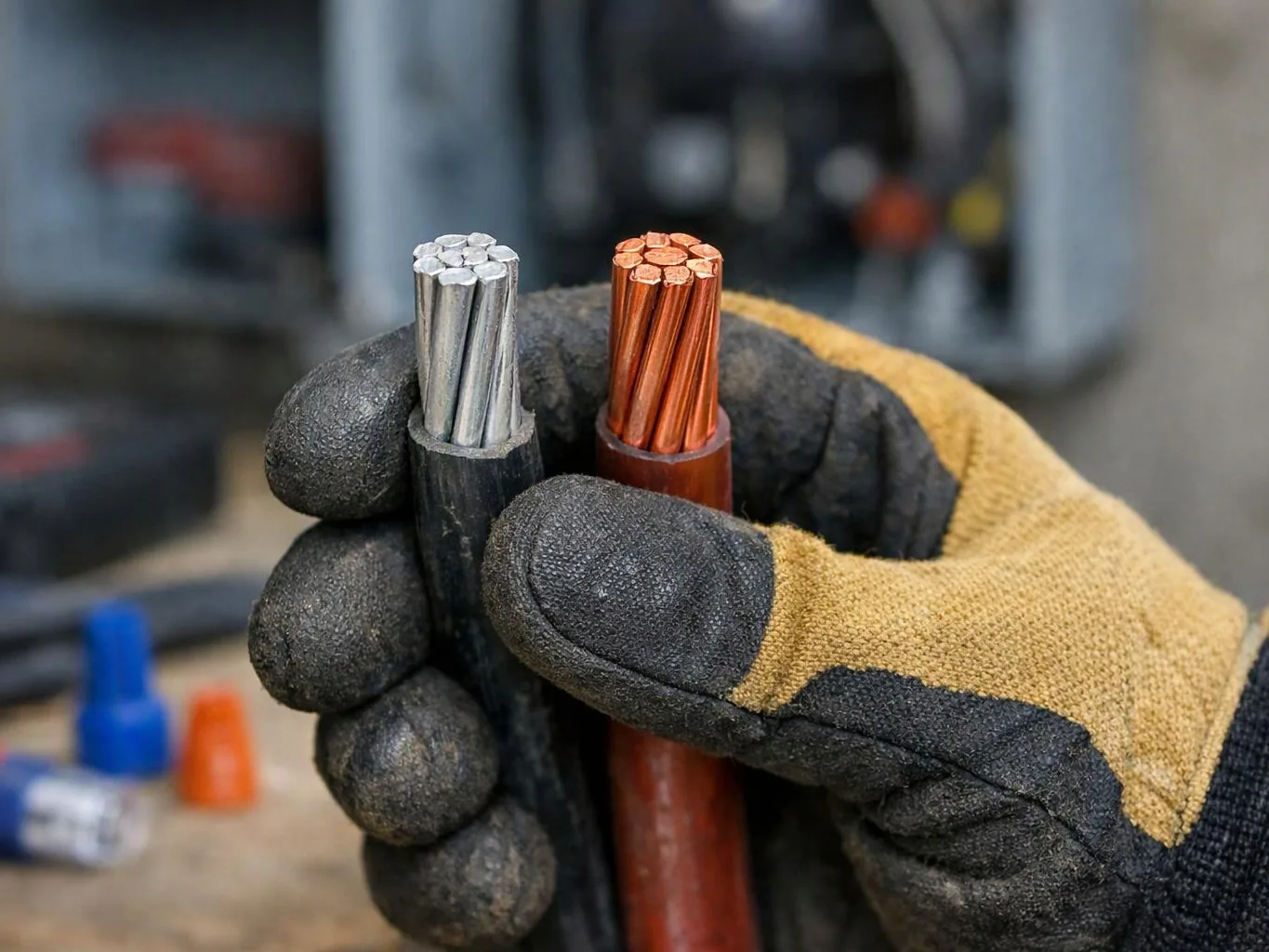
The wiring material and its condition can change the work involved. Aluminum wiring, damaged cable, and older connection methods need different checks and repair choices. We identify the material during inspection, then explain whether the correction stays local or requires more circuit access.
How does a code correction visit move from the first call to the last step?
The visit moves from concern review to inspection, circuit testing, repair scope, and final verification. Customers can share inspection notes, photos, or symptoms before the assessment. We then explain the findings, provide a free estimate, complete approved work, and test the corrected circuits.
When should a property owner request an electrical code review?
A property owner should request a review after an inspection flags electrical concerns, an insurer asks for corrections, or unsafe symptoms keep returning. Warm switch plates, a buzzing panel, burning smells, and frequent breaker trips need prompt attention. We assess the source and explain the safest next step.
Why can a breaker keep tripping after a small repair?
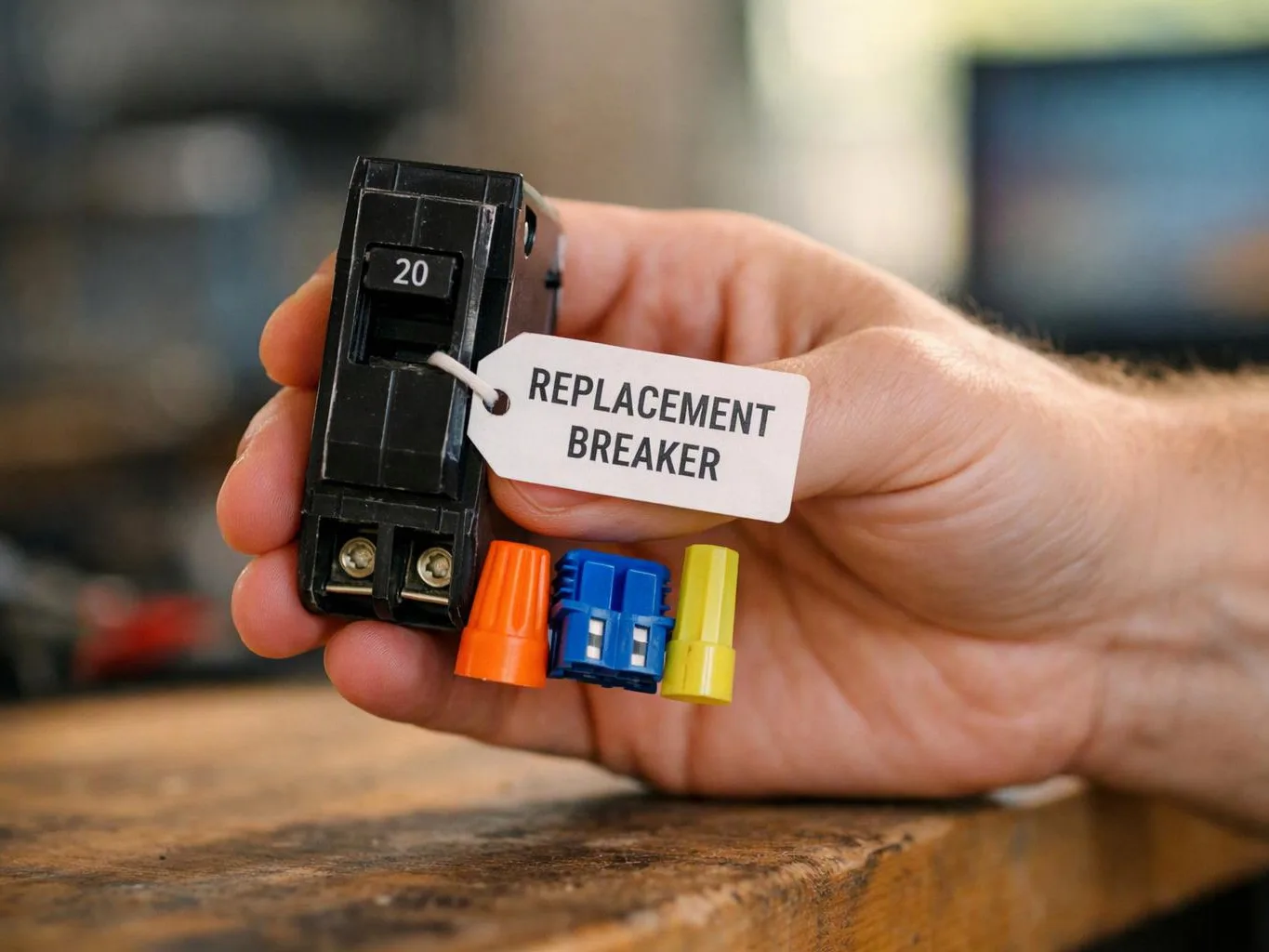
A breaker can keep tripping when the circuit remains overloaded, damaged, loose, or affected by a connected device. We test the breaker, trace the circuit, and inspect outlets and wiring before defining the correction. Replacing the breaker alone may not address the cause.
What should customers share before requesting an estimate?
Customers should share the inspection report, insurance request, affected room, visible symptoms, and any recent electrical changes. Those details help us prepare for panel access, circuit tracing, and related checks. Photos can help explain the concern, but they don't replace an on-site electrical assessment.