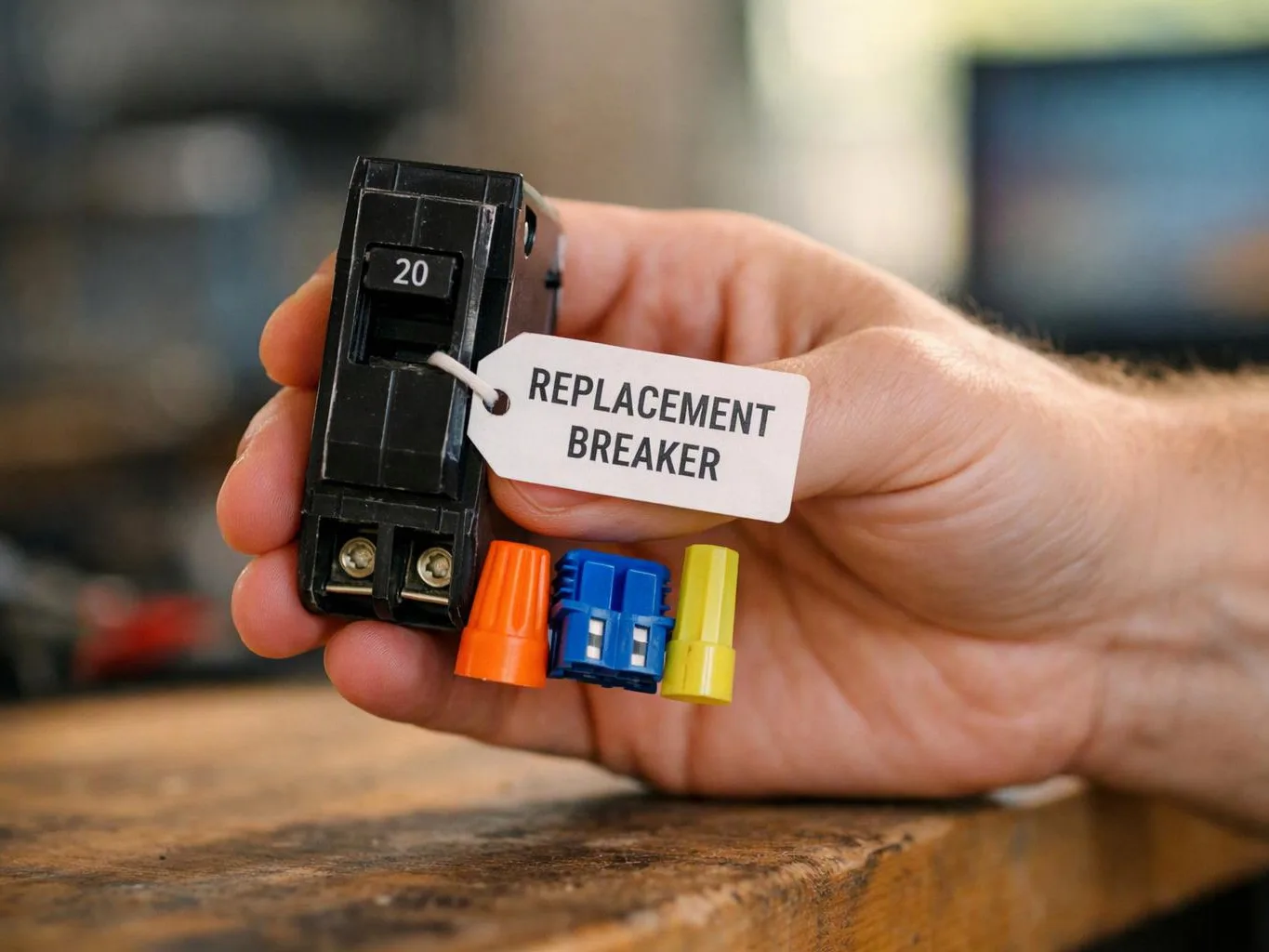
What problems can result from unresolved electrical code violations?
Insurance issues can follow unresolved violations, along with fire hazards, shock risks, failed inspections, and equipment damage. Repeated breaker trips, buzzing panels, warm switch plates, and burning smells need prompt attention. We inspect the affected circuit and explain whether the property needs a focused correction or wider wiring or panel work.
What does the crew look at first during a code correction?
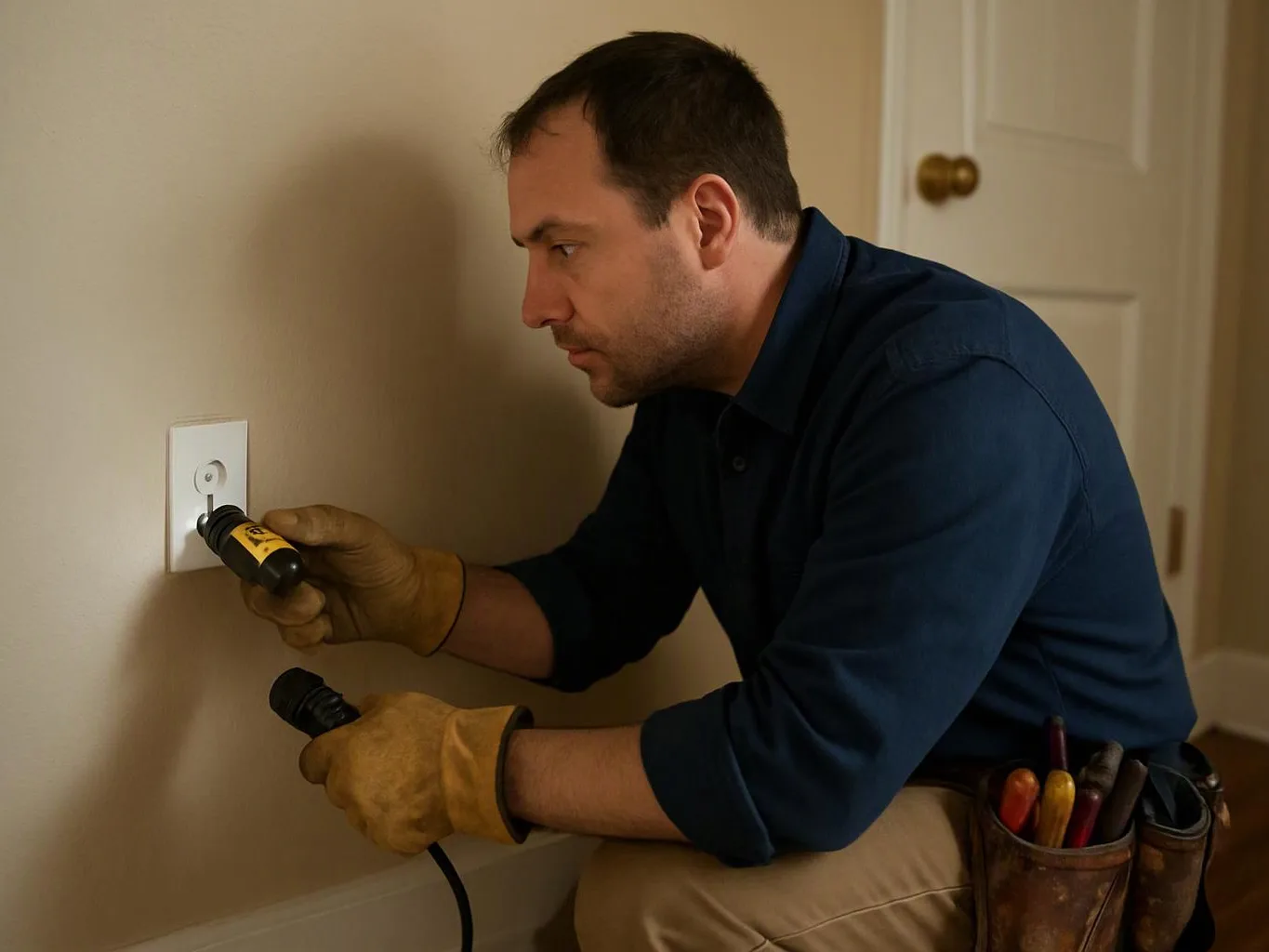
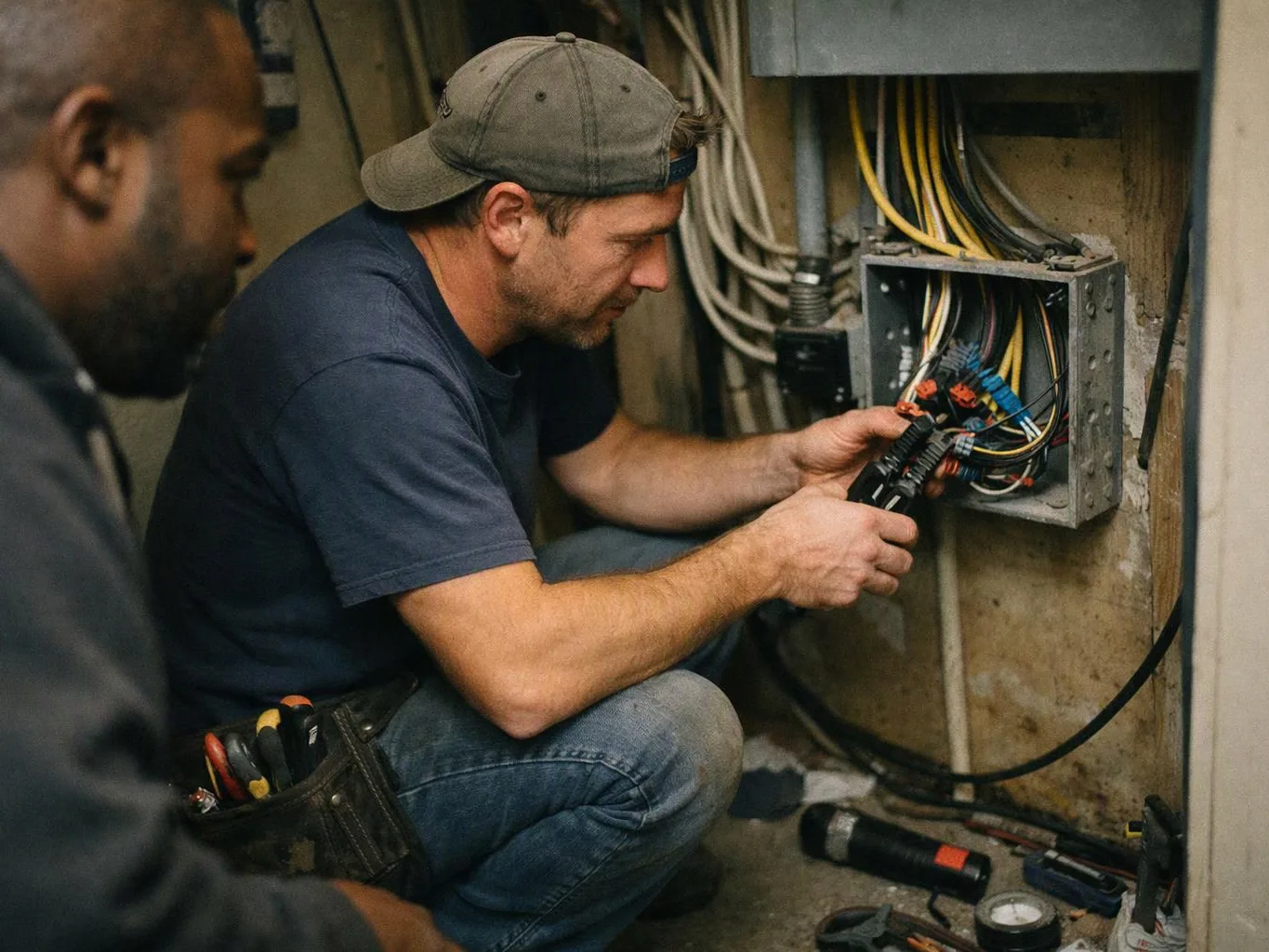
The reported finding or symptom receives the first review. We check the panel, affected breaker, visible wiring, connected devices, and signs of heat or loose connections. Circuit tracing follows when the source is unclear. That order helps us separate a single device fault from a wider circuit or panel concern.
What happens at each stage of the electrical correction?
The work moves from finding review to circuit tracing, condition checks, scope planning, repair, and testing. We start with the inspection note or electrical symptom. Then we inspect the related parts, explain the needed work, complete the agreed correction, and verify the repaired area.
Which part of the job changes the estimate?
The affected wiring, panel condition, access, device damage, and repair scope change the estimate. A loose outlet connection may need focused work, while damaged conductors or an overloaded panel can expand the scope. We review those conditions before providing a free estimate.
When should a property owner request a code correction?
A property owner should request a correction after an inspection finding, insurer request, repeated breaker trip, burning smell, buzzing panel, or warm switch plate. These signs can point to unsafe electrical conditions. We assess the concern before the owner decides between a focused repair and a broader upgrade.
Why can a breaker keep tripping after a repair?
A breaker can keep tripping when the circuit remains overloaded, a device is damaged, or wiring still has a fault. Replacing the breaker alone might not address the cause. We trace the circuit, inspect connected equipment, and identify the correction that matches the actual electrical problem.
How should a customer prepare before scheduling this work?
Customers should gather the inspection note, insurer request, photos, and details about when the problem occurs. Do not open a panel or handle sparking, hot, or damaged electrical parts. Share the affected room, device, breaker, and recent symptoms so we can plan the assessment.