What areas of a property should be inspected first?
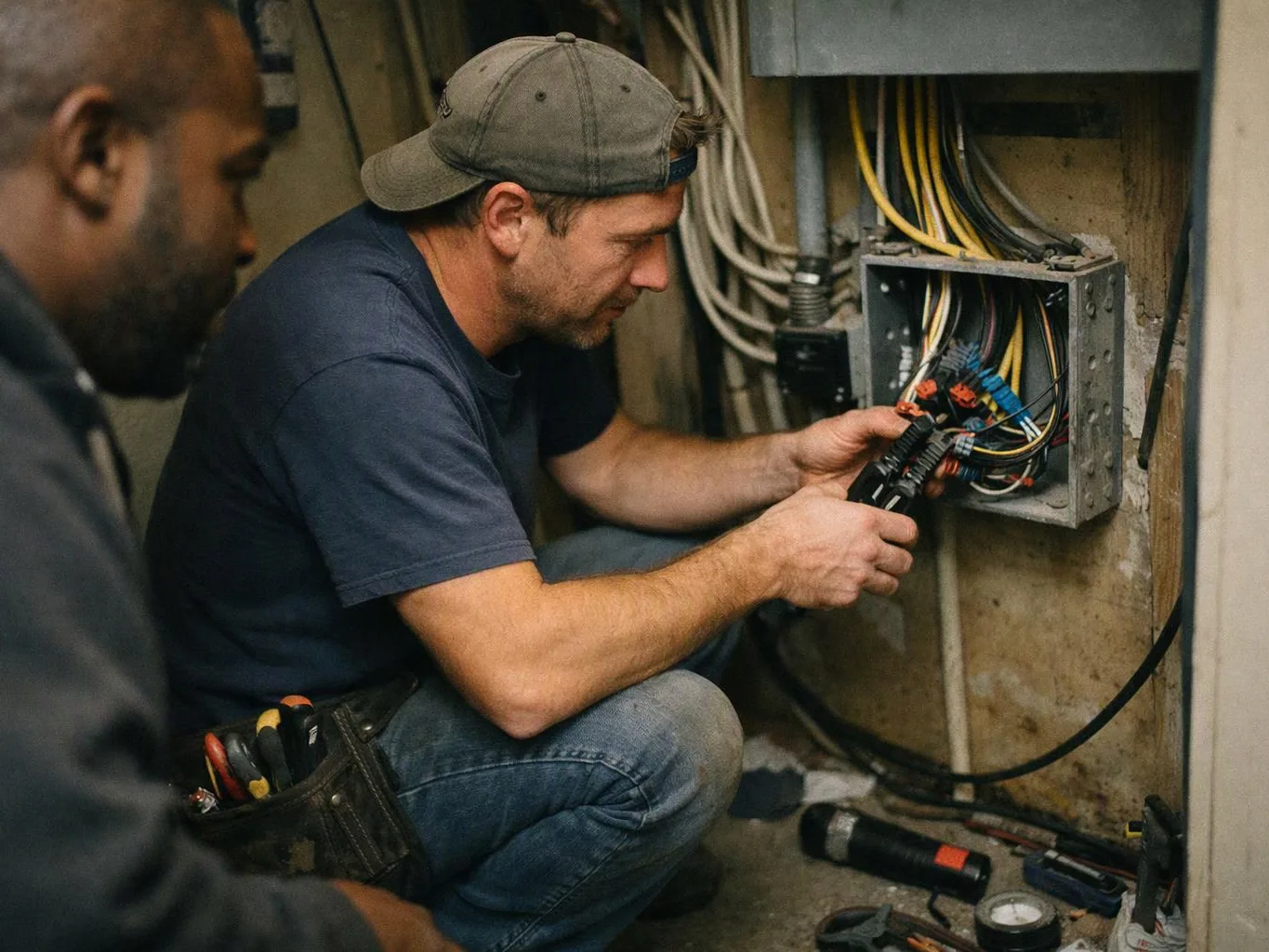
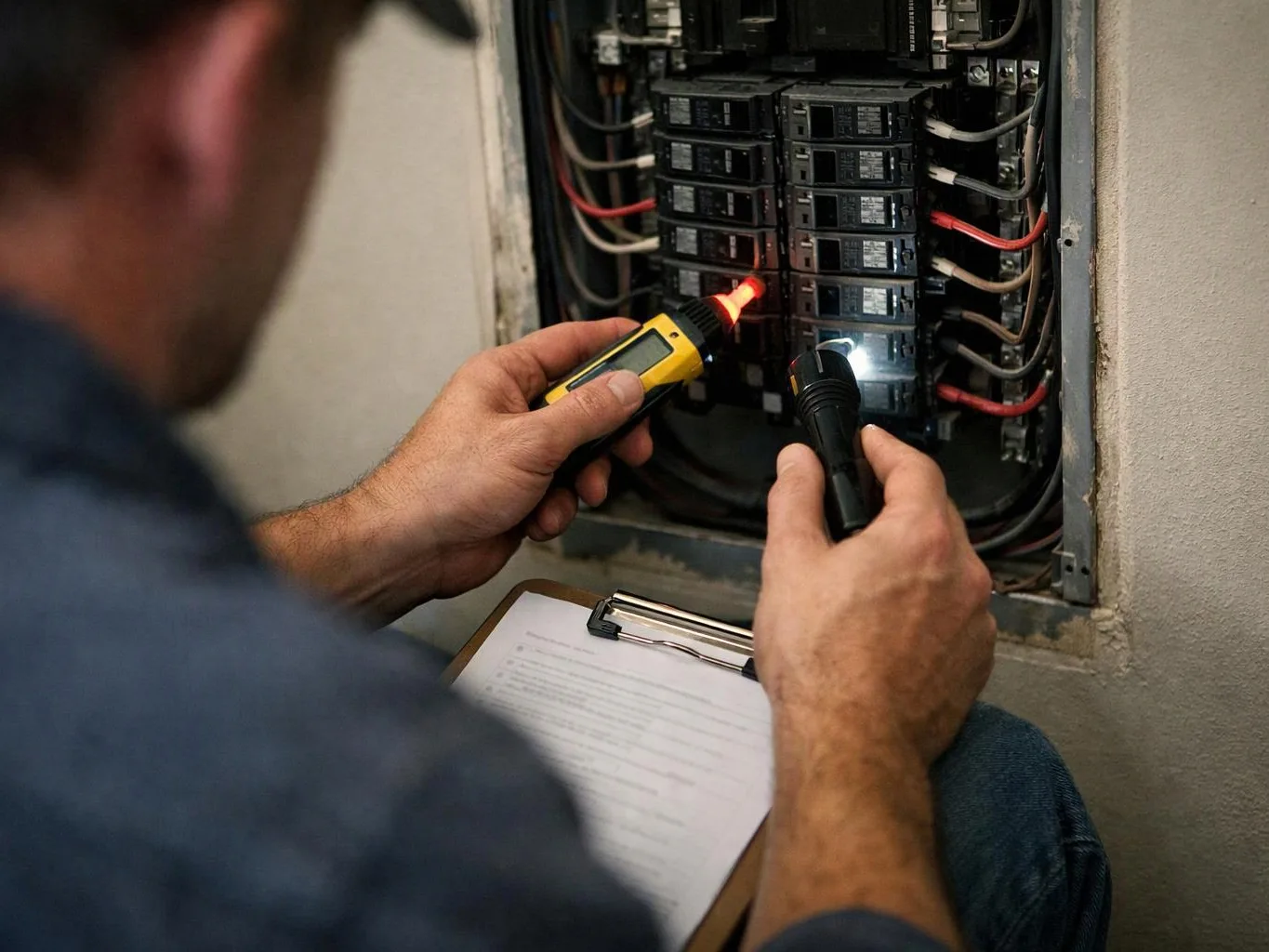
Attic wiring should be inspected first when the concern involves attic lights, heat, damage, or exposed connections. Cincelux Electric then checks the service panel and related branch circuit. We review crawl spaces, outdoor outlets, and accessible junction boxes when the symptom points there. Safe access matters, so we explain any area that needs added preparation.
How can I prepare before the inspection is scheduled?
Property access is the main preparation step before an inspection. Clear the service panel, attic entry, crawl-space access, and affected outlets. Write down when the symptom occurs and which breakers or fixtures are involved. Do not remove covers or handle damaged wiring before we assess the area.
Which warning signs need urgent electrical attention?
A burning smell, buzzing panel, sparking outlet, or repeated breaker trip needs prompt electrical attention. Stop using the affected device or outlet and keep clear of damaged parts. We can inspect the related circuit, panel, or wiring area and explain whether repair, isolation, or further testing is needed.
Who is a good fit for an electrical safety inspection?
Homeowners, businesses, and property managers are good fits when they need a safety review before repair, purchase, occupancy, or an electrical upgrade. Cincelux Electric inspects accessible system parts and explains the findings. A known failed breaker, outlet, or fixture may need direct repair instead of a broad inspection.
What changes the quote for an attic wiring inspection?
Access, wiring visibility, circuit count, reported symptoms, and needed testing change the quote for attic wiring work. We review these details before giving a free estimate. Concealed wiring, restricted access, or repair work beyond the inspection can expand the project scope.
Why does a breaker keep tripping after it is reset?
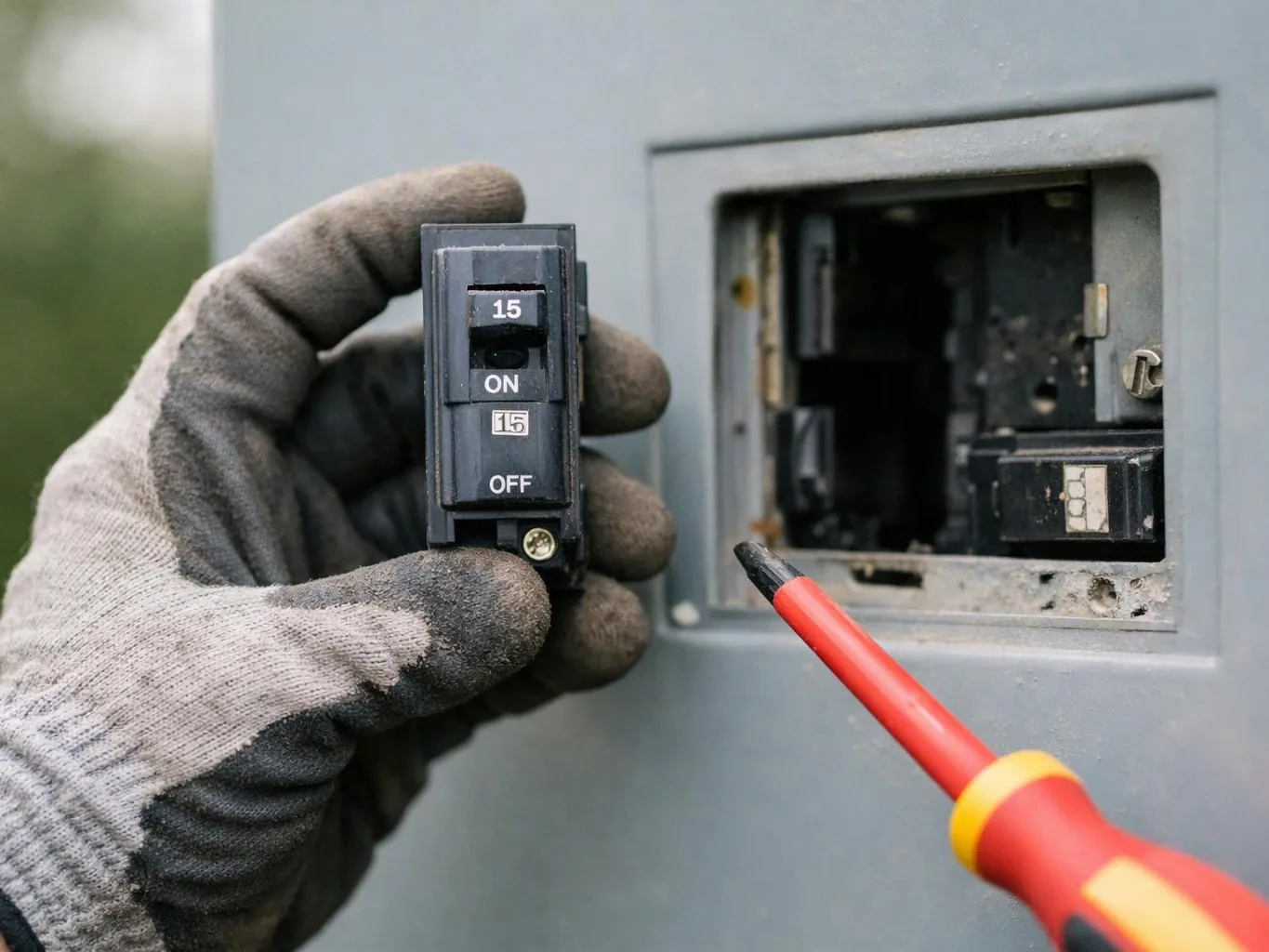
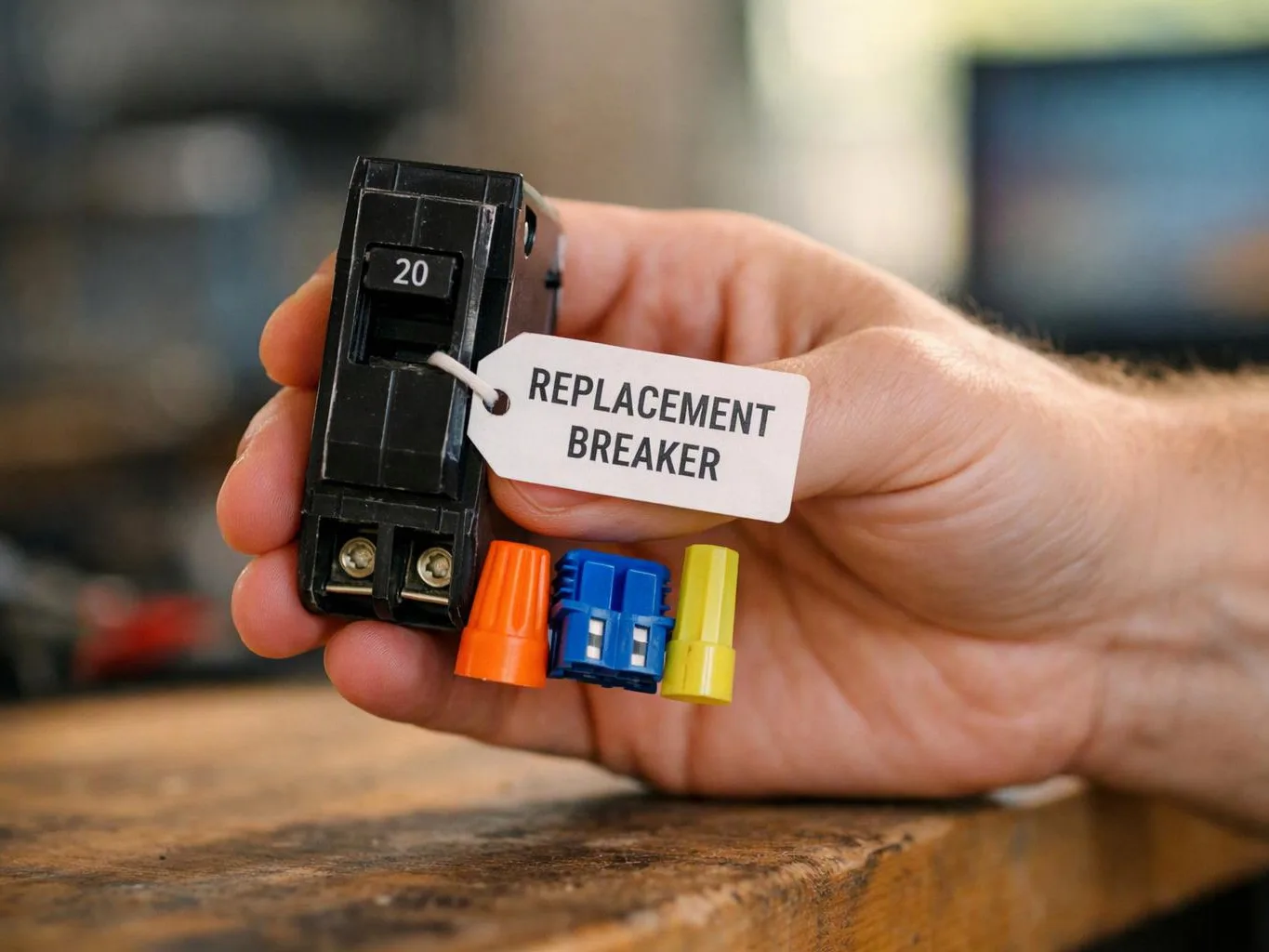
A breaker can keep tripping because of an overloaded circuit, short, damaged wire, or failing connected device. We identify the affected circuit and inspect its outlets, switches, fixtures, and panel connections. Repeated resets can add risk, so leave the breaker off when the problem returns.