How do electricians diagnose intermittent power problems from faulty switches?
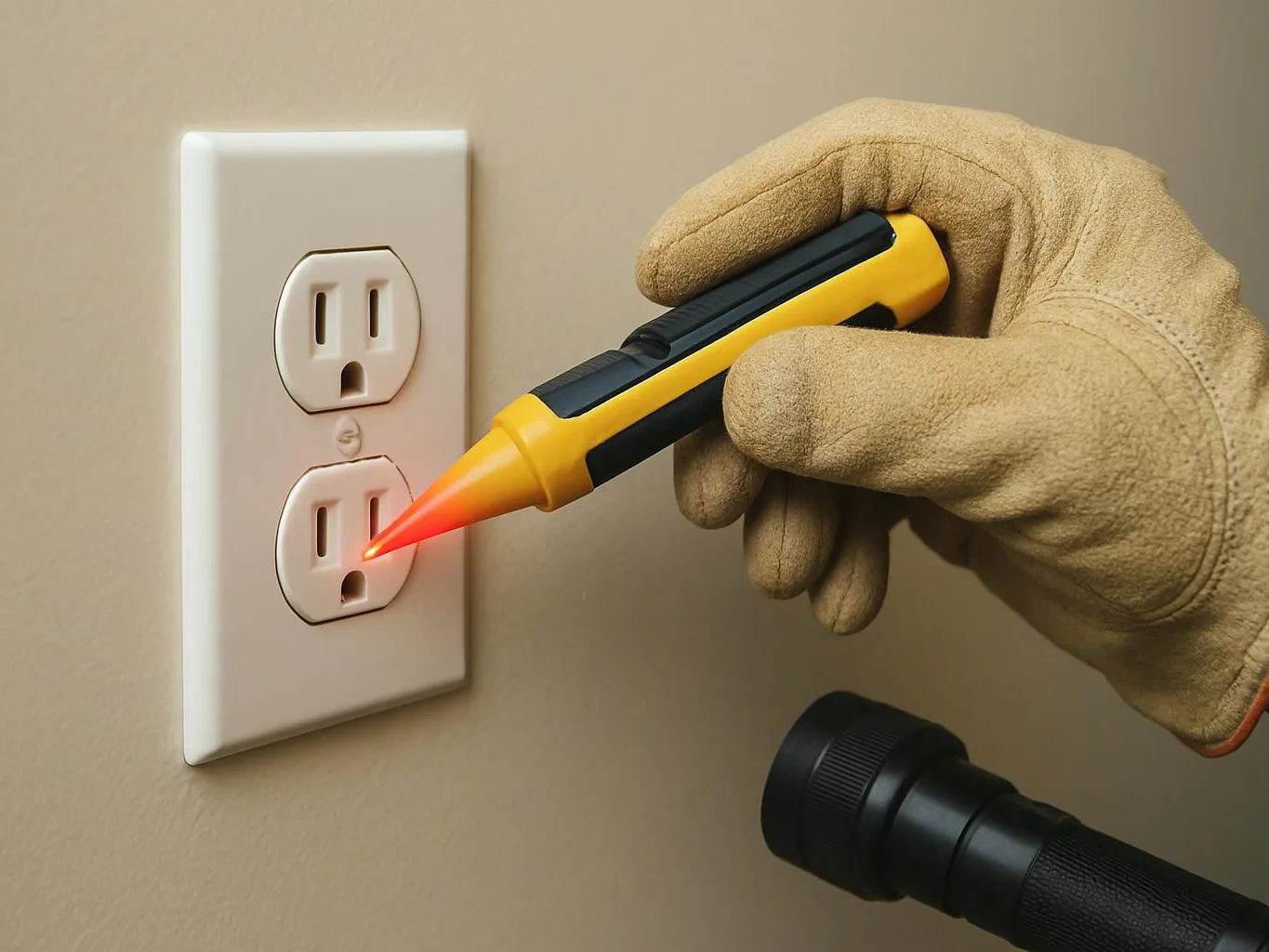
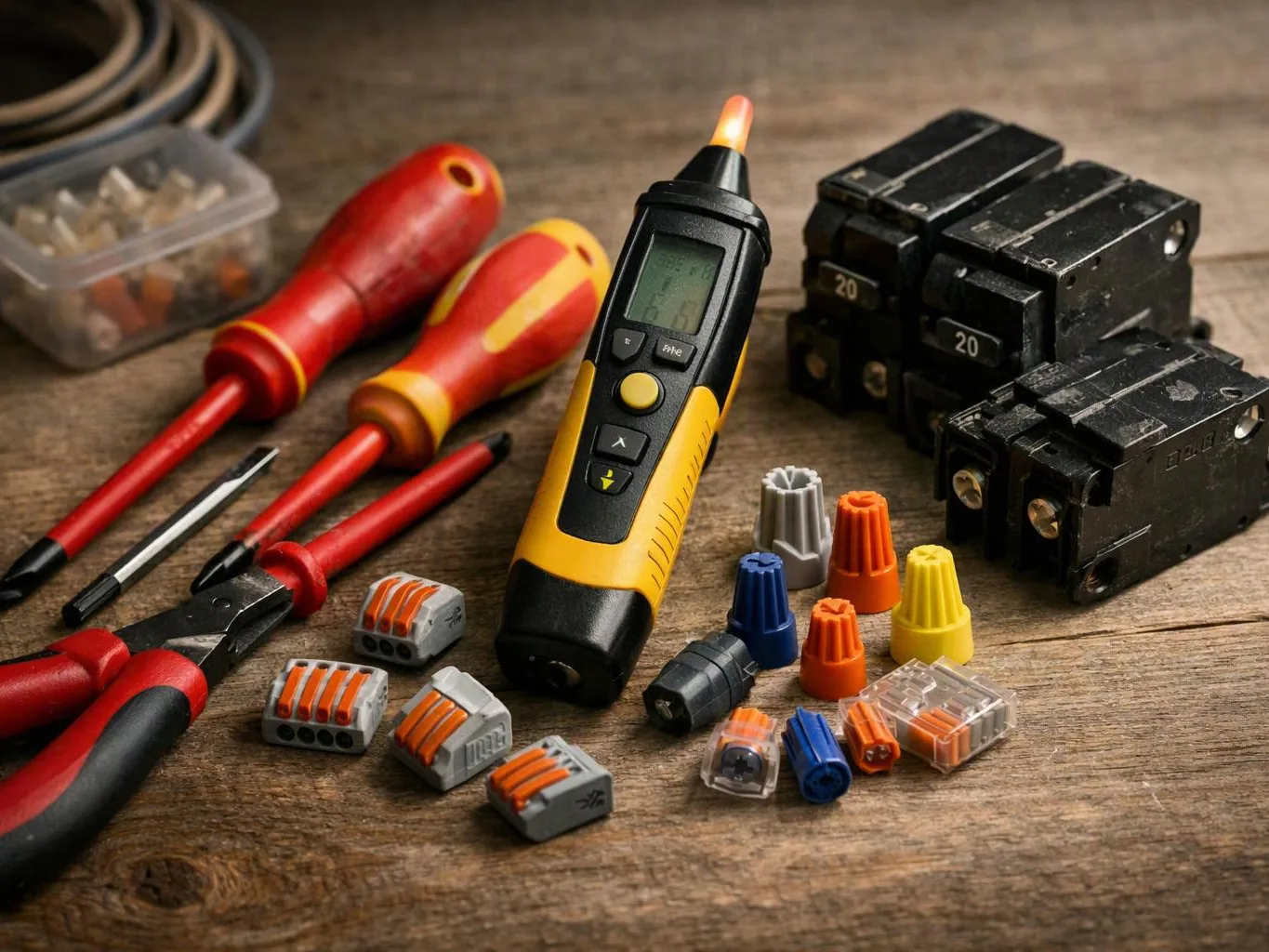
Cincelux Electric diagnoses faulty switches with visual inspection, voltage testing, continuity testing, and circuit tracing. We check the switch terminals and connected wiring first. If readings change farther along the circuit, we inspect the panel, outlets, and lighting load. The findings determine whether the switch needs repair, replacement, or a wider wiring correction.
What should I do before electrical troubleshooting starts?
The safest first step is to stop using a switch or outlet that sparks, heats up, or smells burnt. Note which devices lose power and whether they fail together. Keep access clear around the panel and affected area. Don't remove the cover or handle exposed wiring, because testing requires controlled access to energized parts.
Which part of the property decides the scope of electrical troubleshooting?
The affected circuit decides the scope because one switch may connect to several lights, outlets, or panel components. We trace that circuit and inspect each relevant connection. A single device fault needs less investigation than a shared circuit with repeated power loss. Access to the panel and switch box also affects the work plan.
Why can loose terminals create a repeated power fault?
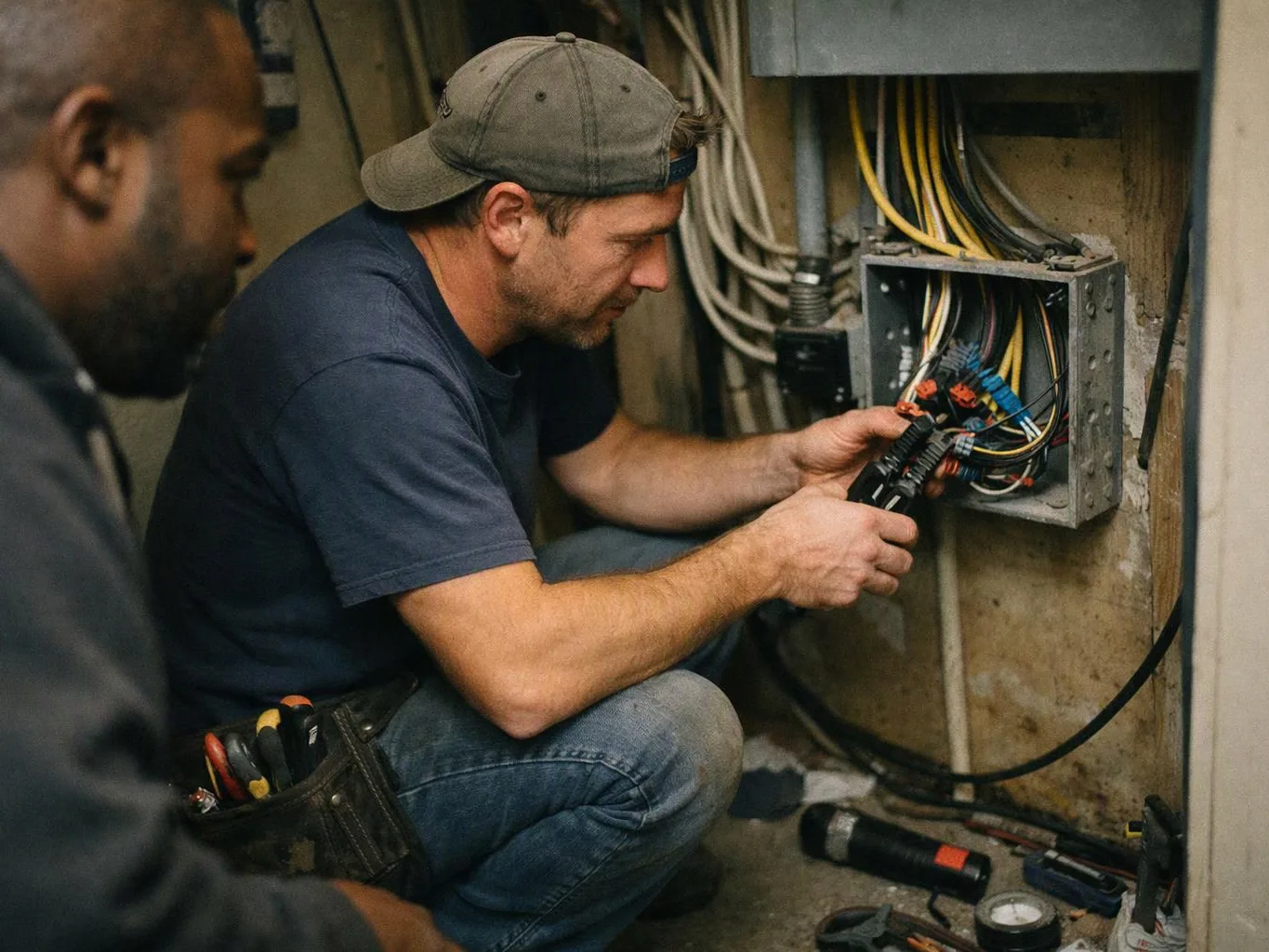
Loose terminals can interrupt the circuit as the connection shifts during use or electrical load. We inspect terminal screws, conductor ends, and signs of heat at the switch and nearby devices. A loose connection may require secure termination, conductor repair, or device replacement after testing confirms the source.
Which material changes how long electrical troubleshooting takes?
Aluminum wiring can change the inspection and repair approach because its connections need careful review. We identify the conductor material, inspect the termination, and test the affected circuit. Older wiring, concealed boxes, and limited panel access can also add diagnostic steps, so the observed fault determines the work sequence.
When should a business request urgent electrical troubleshooting?
A business should request urgent troubleshooting when power loss affects safe operation, critical lighting, equipment, or access. We assess the affected circuit and any panel or wiring warning signs. Keep staff away from sparking devices, switch off affected equipment when safe, and describe the operational impact when calling.
How does an electrical troubleshooting visit move from the first call to the last step?
The visit moves from symptom review to inspection, testing, diagnosis, repair planning, and final verification. We start with the affected switch or circuit, then check voltage, continuity, terminals, and connected devices. After we explain the findings, the selected repair is tested so the next step is based on measured results.