How do electricians diagnose intermittent power problems?
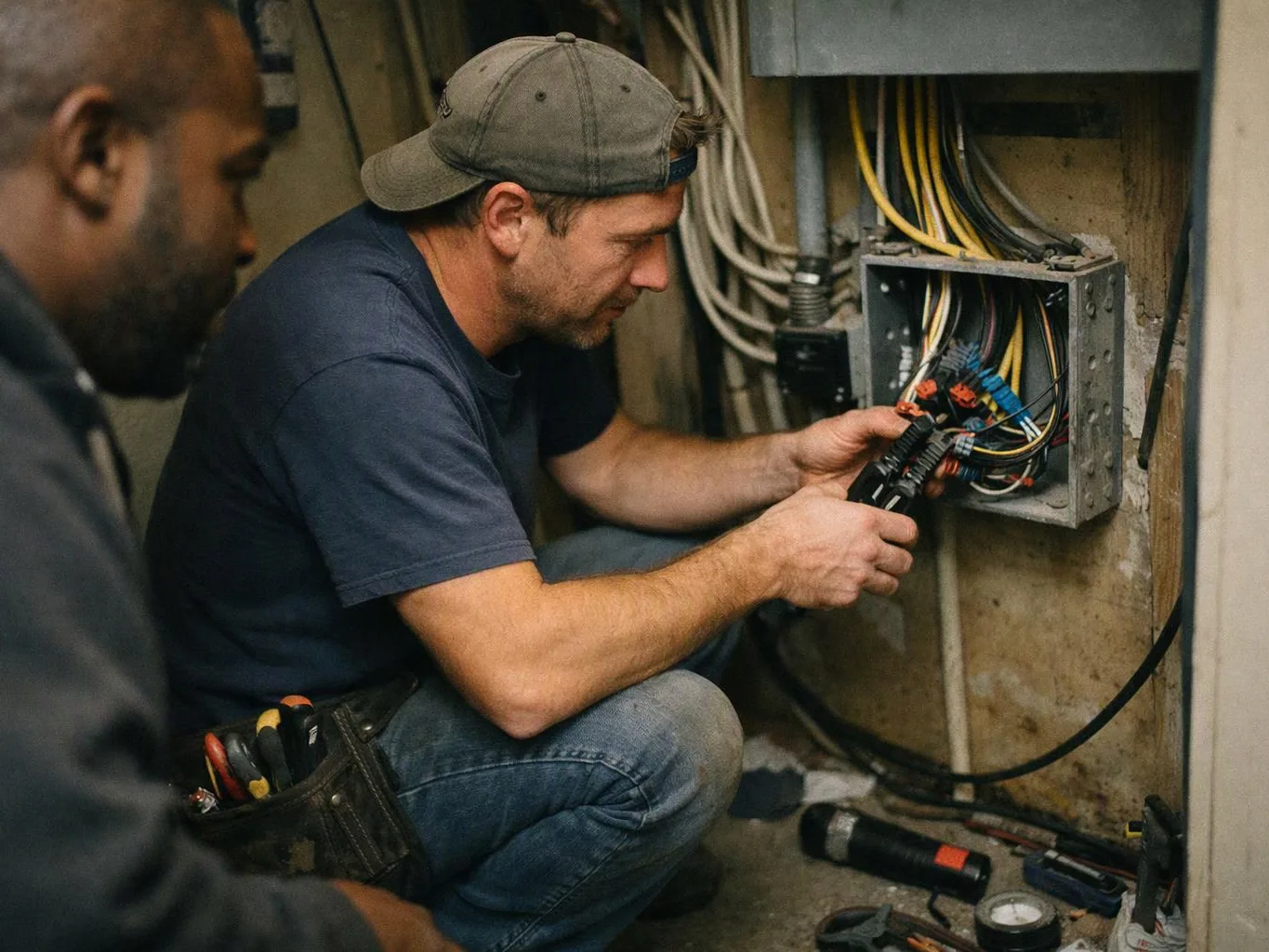
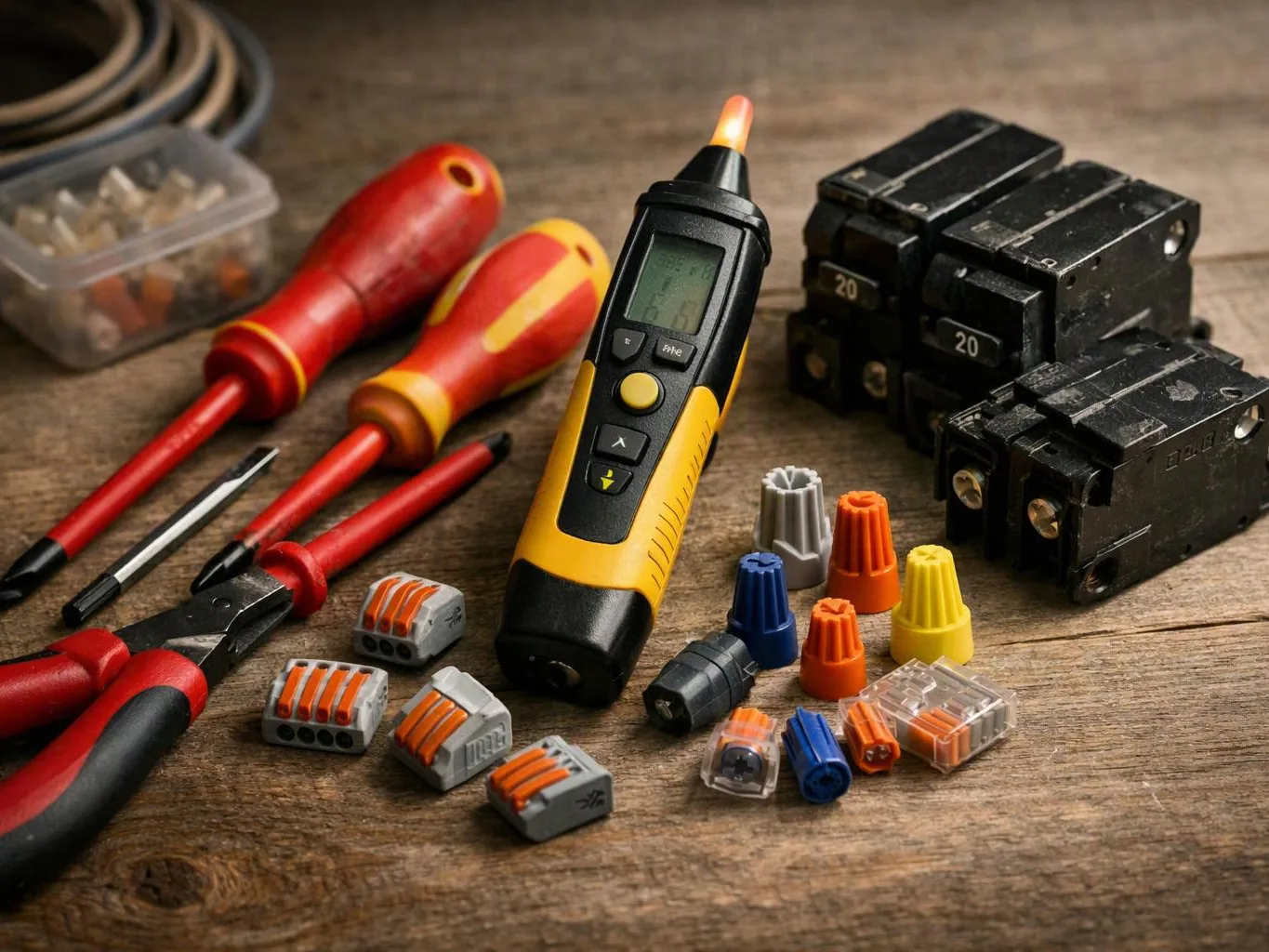
Continuity testing helps Cincelux Electric find an open circuit path, while voltage checks show where power stops. We isolate the affected circuit, inspect loose terminals and faulty switches, then trace the wiring and connected devices. The diagnosis separates a device fault from a broader circuit or panel problem before repair work is discussed.
What should be ready before electrical troubleshooting starts?
Access to the electrical panel and affected rooms should be ready before testing begins. Keep furniture clear of outlets and switches, list each area that loses power, and share recent repair or equipment changes. Do not remove covers or handle damaged wiring, especially if you notice heat, smoke, sparks, or a burning smell.
Which warning signs make an electrical fault urgent?
A burning smell, buzzing panel, sparking outlet, or warm switch plate makes an electrical fault urgent. Turn off the affected circuit if you can do so safely, keep people away from damaged parts, and request emergency electrical service. Repeated breaker trips also need diagnosis instead of repeated resets.
Why can a breaker stay on while power keeps failing?
A breaker can stay on when a loose terminal, faulty switch, damaged conductor, or failed connection interrupts power downstream. The breaker protects against certain overcurrent conditions, but it does not identify every wiring fault. We trace the circuit and test voltage at several points to locate the interruption.
What should a customer ask before agreeing to electrical troubleshooting?
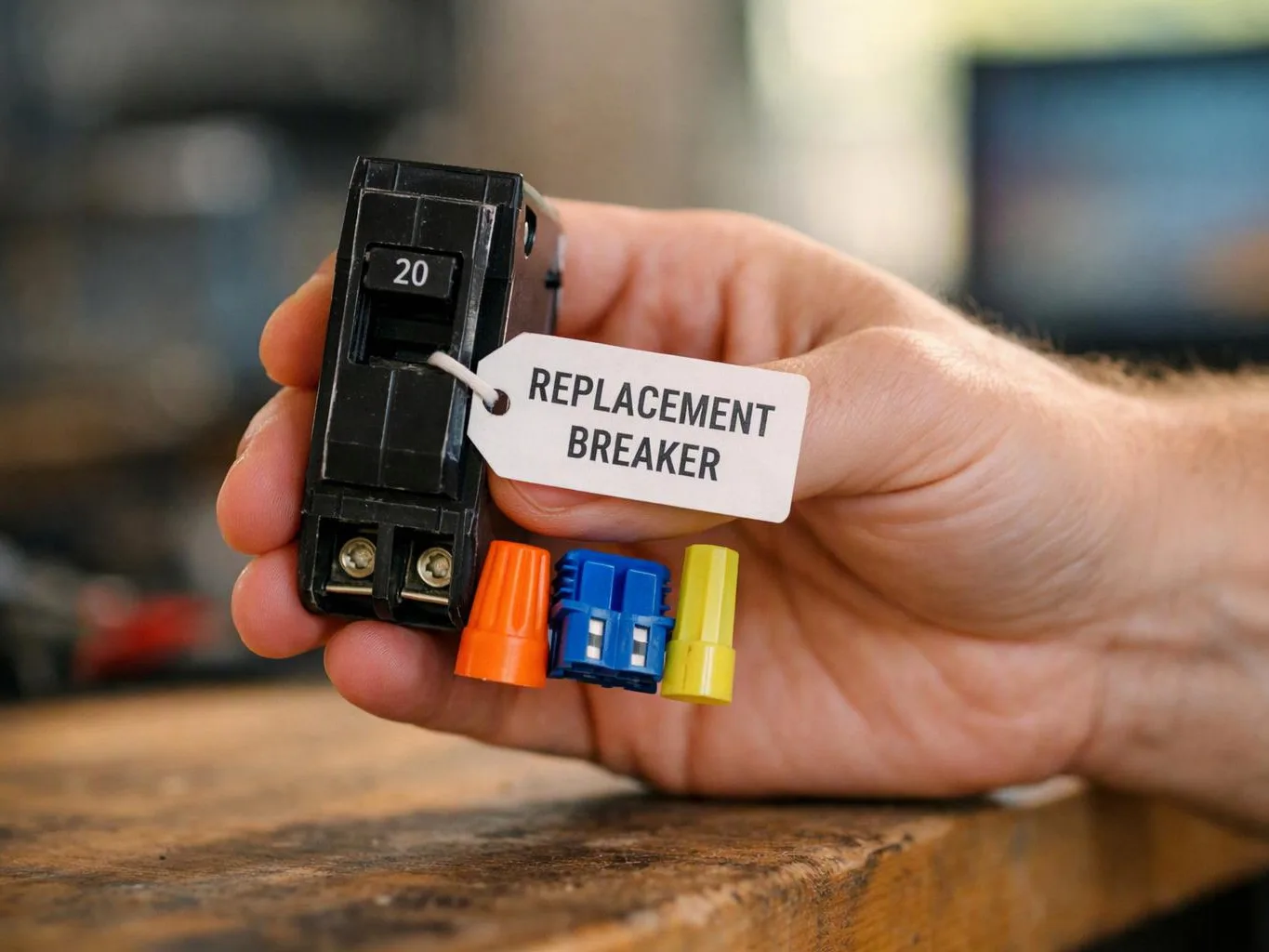
Ask which circuit or device the testing will cover, what access is needed, and what the estimate includes. The repair scope should explain whether the work addresses a switch, outlet, wiring section, breaker, or panel issue. Ask which findings would require a separate installation or larger repair.
When should I call an emergency electrician for a power problem?
Call for emergency electrical service when power loss comes with smoke, burning odor, sparks, heat, or a buzzing panel. Those signs can point to a serious electrical hazard. For a non-urgent intermittent fault, schedule diagnosis and avoid using the affected outlet or circuit until it has been checked.
How is troubleshooting matched to the property before work starts?
The property type, affected load, panel access, circuit layout, and visible symptoms shape the testing plan. A home, business, and managed property may need different access coordination. We review those details first, then choose circuit tracing, voltage testing, connection checks, or a broader repair assessment.