What are common signs of damaged electrical wiring?
Frayed insulation, flickering lights, scorched outlets, and warm switches are common warning signs. Cincelux Electric checks the circuit, connections, devices, and panel to find the source. Turn off the affected circuit if you can do so safely. Avoid using a damaged outlet or switch until the wiring has been assessed.
How does a wiring repair visit move from the first call to the last step?
A wiring repair visit moves from symptom review to circuit testing, repair, and final verification. We first document the affected device or circuit. Next, we trace and isolate the fault before repairing the agreed scope. Testing follows the repair, and we explain any work that remains outside that scope.
How can a customer tell whether wiring repair fits the property?
Wiring repair fits properties with damaged conductors, loose connections, failed outlets, faulty switches, or circuit symptoms. The property needs a wider upgrade when the panel, service entrance, or much of the wiring lacks capacity or has broad damage. We inspect the affected system before choosing focused repair or larger work.
Which part of the property decides the wiring repair scope?
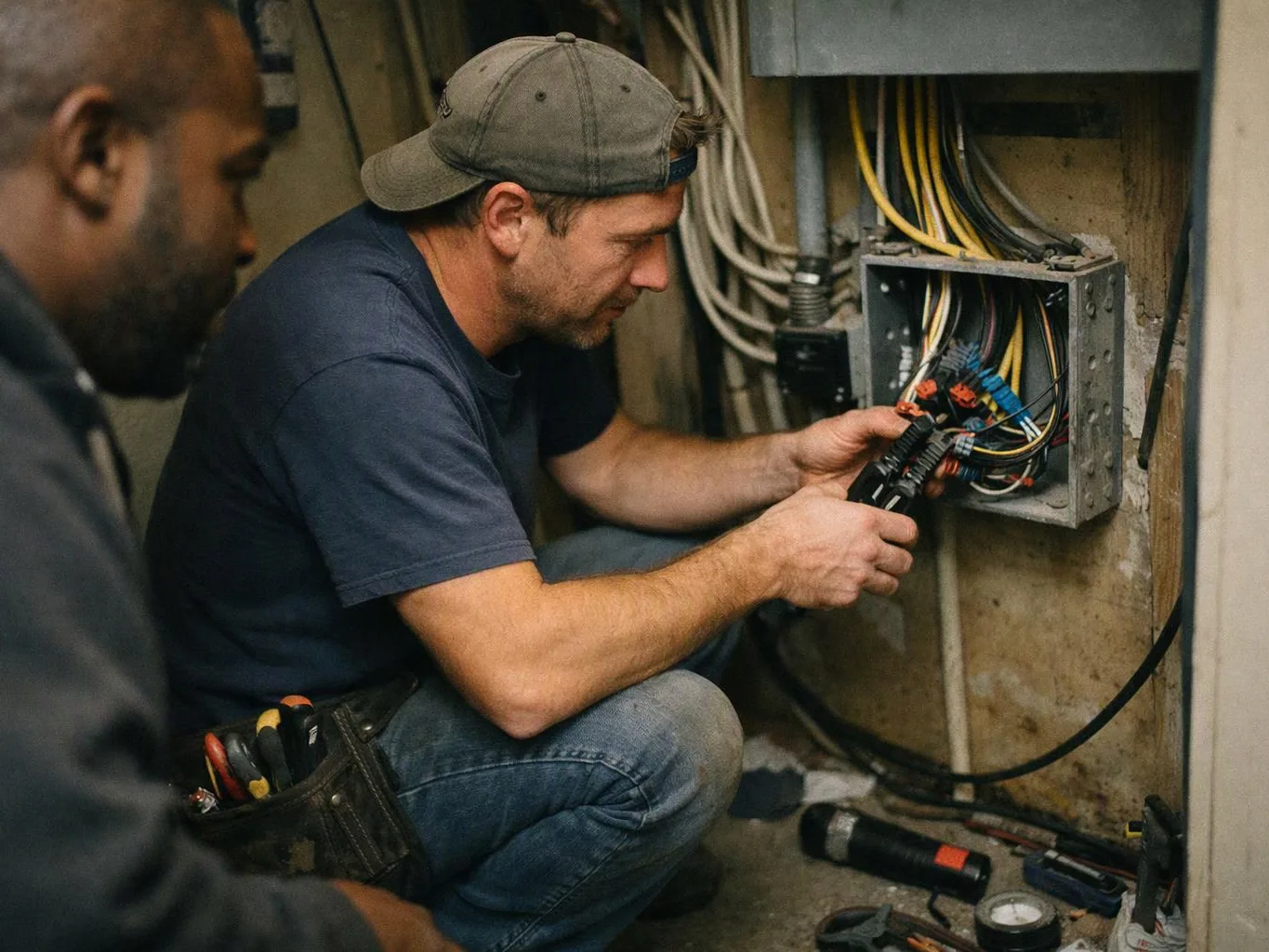
The affected circuit decides much of the wiring repair scope. We check the panel, cable path, junction boxes, outlets, switches, and connected fixtures. Access also matters because hidden wiring may require work in walls, ceilings, or other finished areas. The assessment separates a device repair from a larger circuit issue.
Why does a breaker keep tripping after an outlet repair?
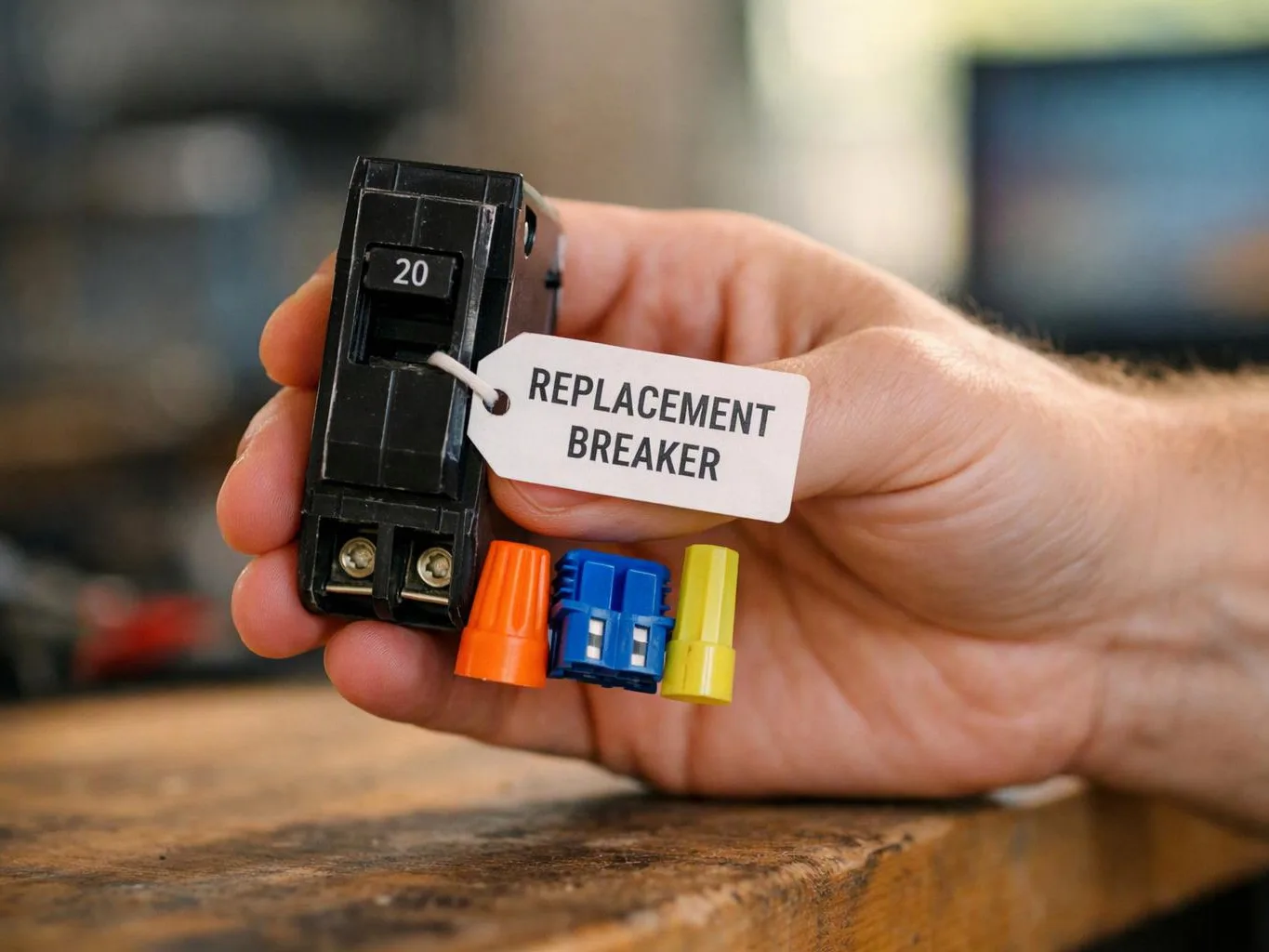
A breaker can keep tripping when the circuit has a wiring fault, overload, damaged device, or loose connection. We test the breaker and trace the circuit beyond the repaired outlet. Leave the breaker off if it trips repeatedly, and tell us what equipment was connected when the problem occurred.
What should I do before Cincelux Electric inspects damaged wiring?
The property owner should keep the affected outlet, switch, or fixture out of use before inspection. Move people away from visible damage and note any flicker, heat, smell, or breaker activity. Do not remove covers or handle exposed conductors. Provide access to the panel and affected room when scheduling the assessment.
Which information helps set the repair scope before the visit?
The affected room, device type, symptom, breaker status, and recent electrical changes help set the repair scope. Photos of visible damage can add context, but they do not replace circuit testing. We use the information to plan the inspection and explain what the quote covers.