Can repairs prevent further damage after water intrusion?
Yes, isolating wet or damaged circuits can help prevent further electrical damage after water intrusion. Cincelux Electric checks affected outlets, switches, wiring, and panels before setting the repair scope. Keep power off to the affected area and avoid touching wet electrical parts. We then test the circuit and explain whether repair or replacement is needed.
What does the crew look at first during an urgent repair?
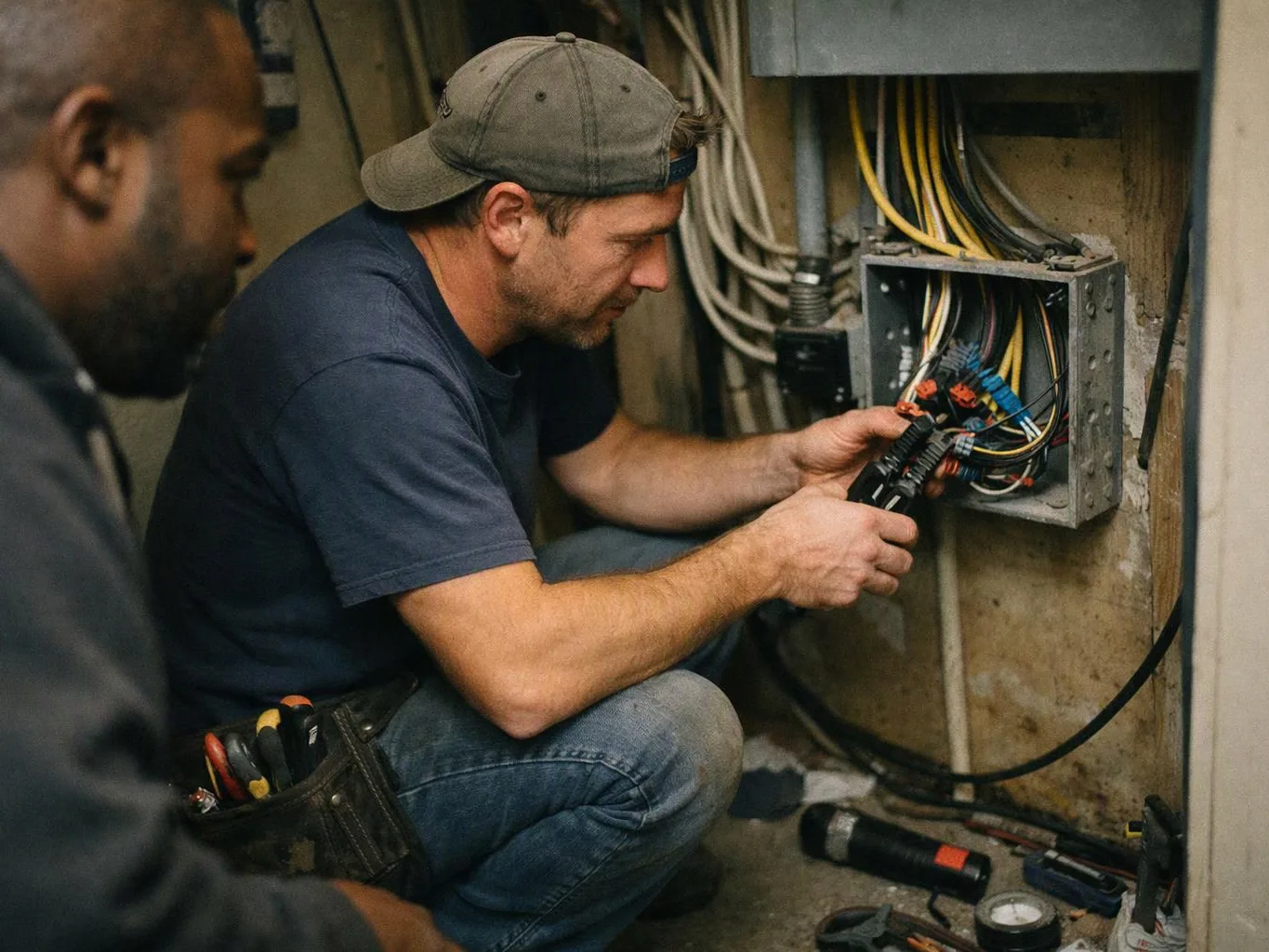
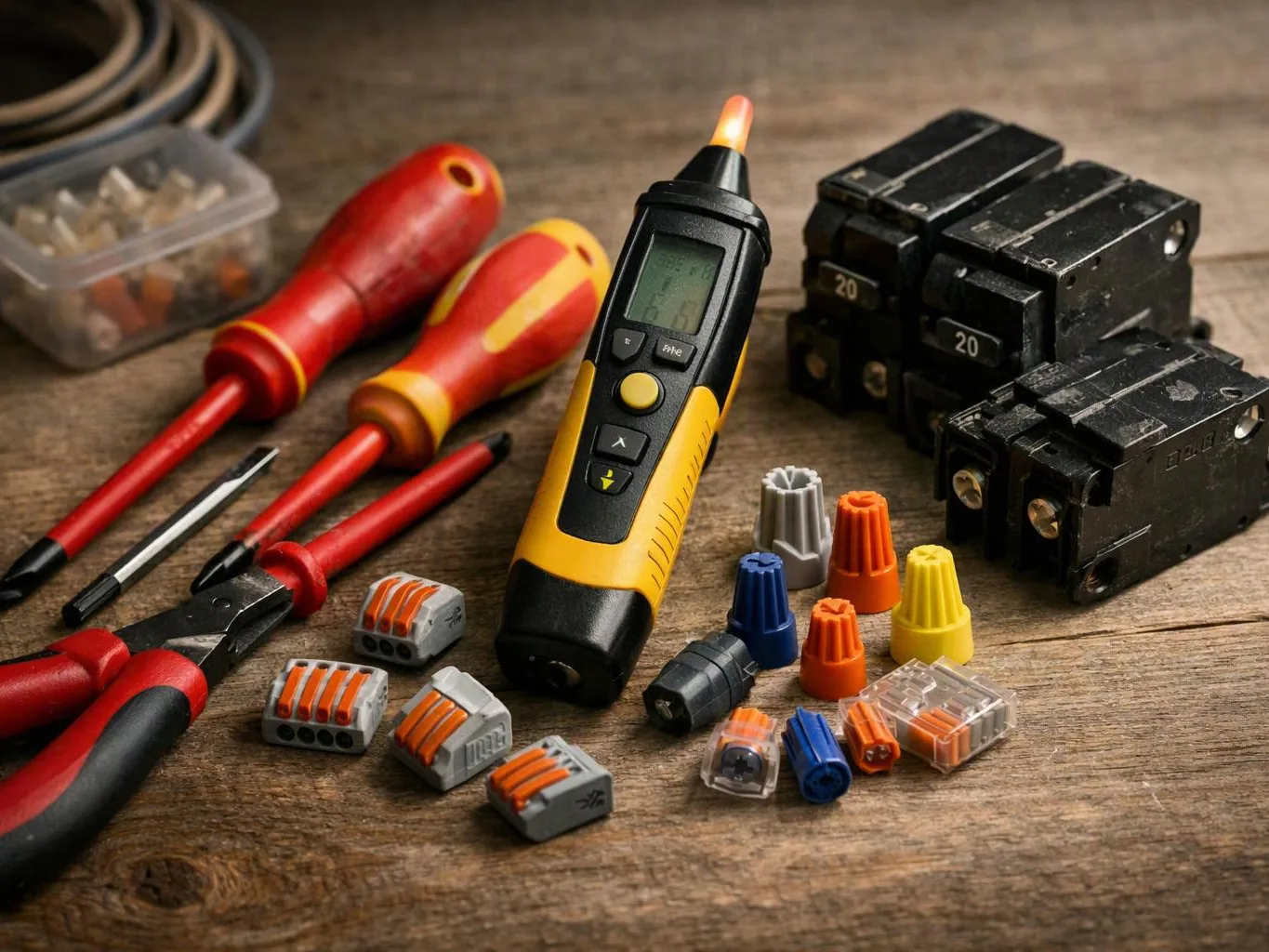
The affected circuit is checked first, including the panel, breaker, outlets, switches, and visible wiring. We start with the symptom that caused the call and isolate unsafe power before testing. That approach helps separate a failed part from a wider fault and keeps the repair scope tied to the actual problem.
What should be checked before repair is scheduled?
The affected area, power status, breaker position, recent water exposure, and visible signs of heat should be checked before scheduling. Photos can help show a damaged outlet or panel, but they don't replace an on-site inspection. Keep people away from damaged parts and share which rooms or equipment lost power.
Who is a good fit for urgent electrical repair?
Homeowners, business owners, and property managers with unsafe or failing electrical parts are good fits for urgent repair. We handle breaker problems, faulty wiring, dead outlets, panel concerns, and power faults. Planned lighting upgrades, EV charging installations, and routine maintenance need a scheduled electrical assessment instead.
Which electrical problems need circuit tracing?
Circuit tracing helps when power loss, repeated breaker trips, dead outlets, or flickering lights have no clear source. We follow the circuit from the panel through connected devices and connections. The findings help show whether the repair involves one outlet, a branch circuit, a breaker, or a broader wiring issue.
Why does a breaker keep tripping after a repair?
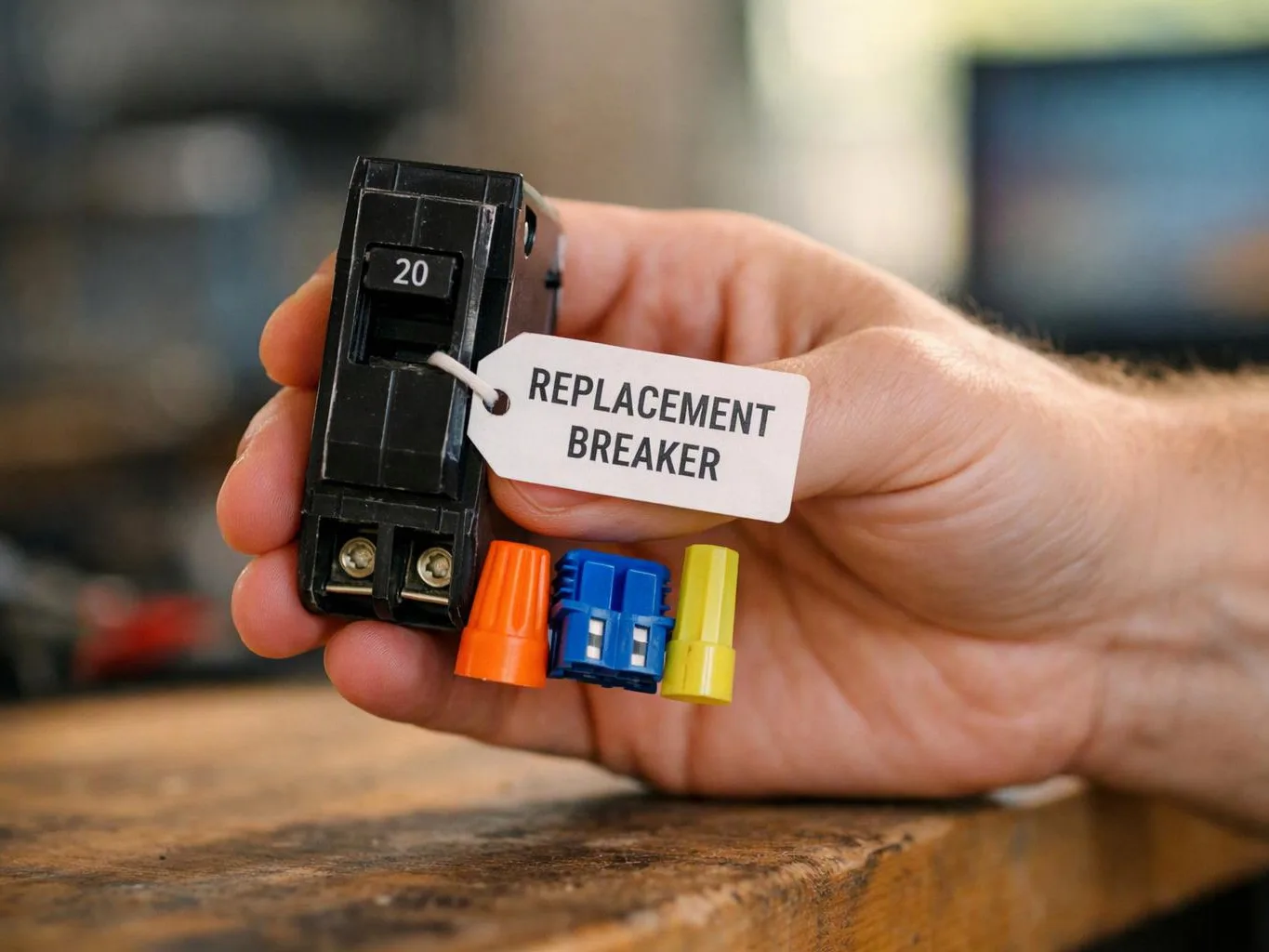
A repeated trip can point to an overload, short, damaged appliance, loose connection, or faulty breaker. We test the circuit and connected parts before resetting it again. Continued resets can hide the source of the fault, so the breaker should stay off when the problem repeats.
How is a utility outage different from an inside electrical fault?
A utility outage affects the outside supply, while an inside fault usually affects a panel, circuit, outlet, switch, or property wiring. We inspect the property-side equipment and identify which condition is present. That distinction helps prevent an internal electrical repair from being treated as a general power outage.