Skip to content

EV Charger Repair in Walnut Hills, Ohio

Overheating that needs a part replacement calls for a deeper repair, while an adjustment may correct the charger safely in Walnut Hills. We inspect the charger, wiring, and protection devices before choosing the repair.

Licensed & InsuredFree EstimatesWarranty AvailableSame-Day Service

Quick Summary: EV charger repairs in Walnut Hills, Ohio

EV Charger Repair in Walnut Hills is handled by Cincelux Electric for charger faults, charging interruptions, wiring concerns, and related electrical checks. We serve Cincinnati and surrounding communities with residential and commercial electrical service, including emergency assistance.

  • What we do: Cincelux Electric provides EV Charger Repair in Walnut Hills, Ohio, including fault checks, wiring inspection, sensor testing, and electrical troubleshooting.
  • What is included: We inspect charging circuits, test ground-fault protection, check load management, and repair or replace faulty charger parts.
  • What you get: The charger operates safely, or the customer receives a clear repair decision when replacement is needed.

Why does my EV charger stop during charging?

Overheating can stop an EV charger when its thermal sensor detects unsafe heat. A ground fault, loose connection, or load management issue can also interrupt charging. Turn off the charger if it feels hot, smells burnt, or shows damage. We inspect the equipment and circuit before charging resumes.
EV Charger Repair for Charging Interruptions in Walnut Hills, Ohio

This service addresses an existing charger that stops, faults, or loses power during a session. The main buyer decision is whether the fault sits in the charger, the dedicated circuit, or the property’s electrical supply.

Overheating deserves special care because repeated shutdowns can point to a thermal sensor, loose termination, damaged connection, or circuit problem. We check the charger and circuit together, then explain the repair scope before work begins.

A charger fault is not always a charger replacement. Testing may show that a connection, ground-fault device, or load management setting needs attention instead. That distinction helps prevent an unnecessary equipment change.

  • Check whether charging stops at the charger, vehicle, breaker, or app.
  • Inspect the charging cable, plug, receptacle, and visible connection points.
  • Test the dedicated circuit for faults, heat, and unstable power.
  • Check the thermal sensor and ground-fault protection.
  • Review load management when other large electrical loads run at the same time.
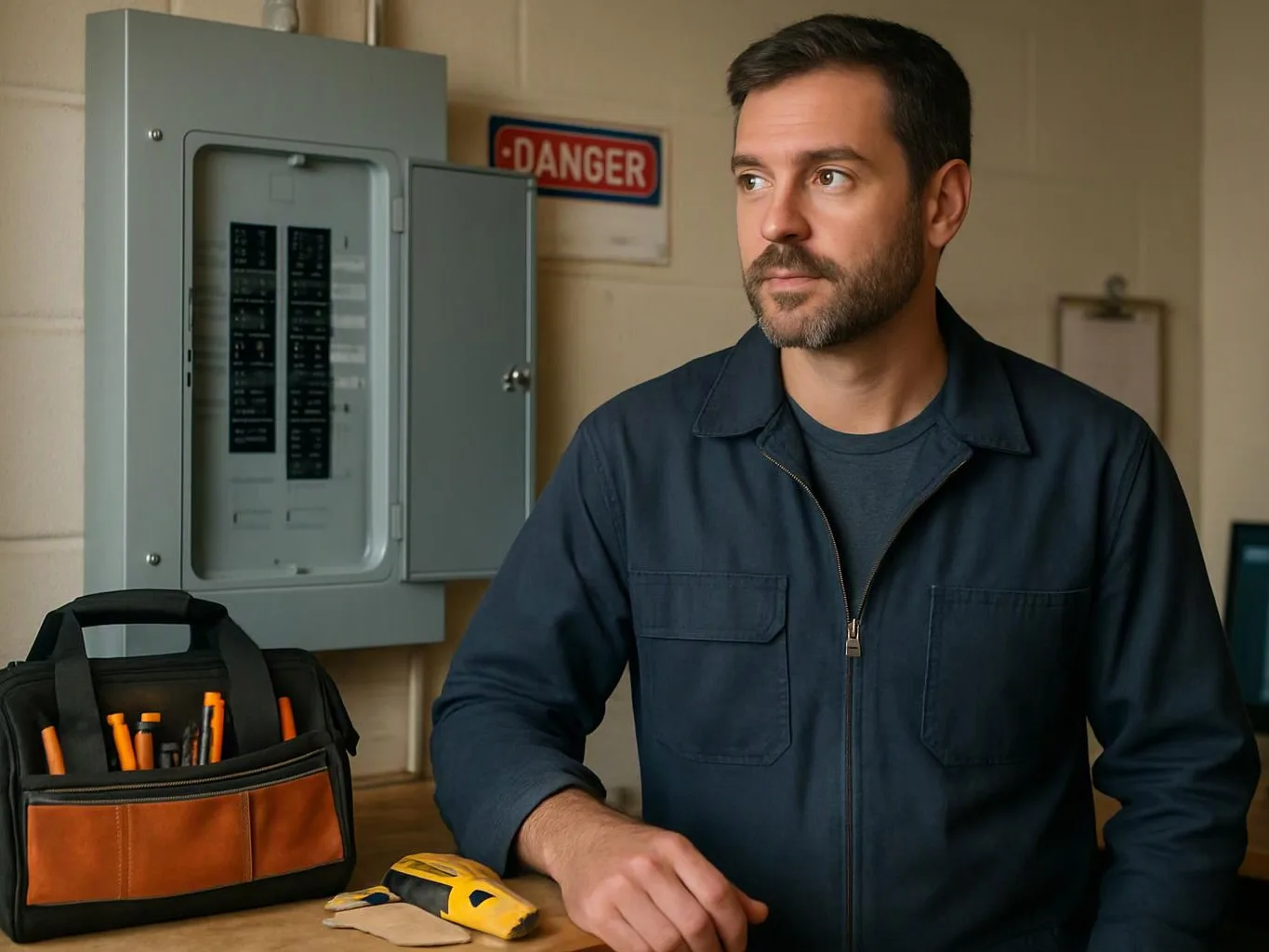
A man stands beside an open electrical panel with a tool bag and hand tool on a workbench

Service Overview

EV Charger Repair is electrical service that finds and corrects faults in a vehicle charging system.

  • The work differs from EV charging installation because repair focuses on an existing charger, circuit, sensor, connection, or protection device.
  • Cincelux Electric provides this service for homes, businesses, and property managers in Walnut Hills.

What EV charger repair includes

Cincelux Electric provides comprehensive EV Charger Repair in Walnut Hills. Here's what you get:

  • We inspect the existing charger and the circuit that supplies it.
  • We trace charging interruptions to the charger, wiring, breaker, or protection device.
  • We test ground-fault protection and related electrical connections.
  • We check the thermal sensor when charging stops after the equipment warms.
  • We review load management when the property has competing electrical demand.
  • We explain whether the repair needs adjustment, part replacement, or broader electrical work.

How we approach charger faults

Start with the charging circuit

Circuit testing comes before part replacement because the charger and its supply work as one system. If the vehicle, utility supply, or unrelated property wiring causes the fault, EV charger repair alone is the wrong job.

Separate adjustment from replacement

A sensor reading, connection check, and fault-code review help define the work. We explain what the test found and what the repair changes.

Keep the repair decision clear

Homeowners, businesses, and property managers receive practical guidance about the charger, circuit, and next electrical step.

Process

How we repair an EV charger

1

Record the charging fault

We ask when charging stops, what the charger displays, and whether the breaker or vehicle also reports a fault.

2

Inspect the charger and circuit

We check the enclosure, cable, plug, receptacle, breaker, wiring, connections, and visible heat or damage.

3

Test protection and control parts

We test ground-fault protection, review load management, and check the thermal sensor when the symptoms point to heat.

4

State the repair in plain words

We explain whether the fault needs an adjustment, a part replacement, circuit work, or a different electrical service.

5

Verify safe operation

After the repair, we test the charger and related circuit so the final condition is clear.

What a working charger changes

A careful fault check helps you avoid replacing a charger when the circuit causes the problem.

Testing identifies unsafe heat, grounding faults, and weak connections before charging continues.

A clear repair scope helps homeowners and property managers plan the next electrical step.

The inspection also shows when the existing charger is not the right fit for the available circuit.

Businesses can make a better continuity decision when charging equipment affects staff, guests, or fleet use.

Charger fault decisions

These conditions point to different repair paths, so testing matters before parts are changed.

Observed conditionWhat we checkPossible repair direction
Charging stops after warm-upThermal sensor, connections, enclosure, and circuit loadSensor adjustment, part replacement, or circuit repair
Protection trips during chargingGround-fault protection, grounding path, receptacle, and wiringFault correction, connection repair, or charger service
Charging stops during other heavy loadsLoad management, breaker, panel capacity, and circuit demandSetting adjustment or broader electrical work

The Cincelux Electric Standard

  • Urgent Assistance
  • Residential Commercial Service
  • Service Diagnosis
  • Repairs And Maintenance

Questions about EV charger faults

What does the crew look at first during charger repair?

The first check covers the charger, breaker, cable, receptacle, and visible wiring condition. Fault codes and the point of shutdown help direct testing. We then inspect protection devices and circuit connections. This sequence helps separate a charger fault from a supply-side electrical problem.

What should be checked before repair is scheduled?

The charger model, fault message, breaker status, cable condition, and shutdown pattern should be recorded first. Photos of visible damage can help explain the issue. Do not open the charger or reset a breaker that trips repeatedly. We use the available details to plan the assessment.

Which part of the job changes the repair price?

The repair price changes with the failed part, circuit access, wiring condition, and need for related electrical work. A sensor adjustment differs from a damaged connection or circuit repair. We inspect the equipment first, then provide a free estimate that reflects the actual scope.

How does load management affect charging?

Load management can pause charging when other electrical demand uses the available circuit capacity. We review the charger settings, panel capacity, breaker, and timing of the shutdown. An adjustment may solve the issue, but circuit or panel work may be needed when the supply cannot support the load.

When should I stop using the charger?

Stop using the charger when it shows heat damage, burning odor, sparking, repeated trips, or visible cable damage. Keep people away from damaged parts and switch off the circuit only when you can do so safely. We inspect the charger and supply before charging resumes.
Contact

Request a Free Estimate for EV Charger Repair in Walnut Hills

Share the charging symptom and equipment details, and urgent requests get priority scheduling.

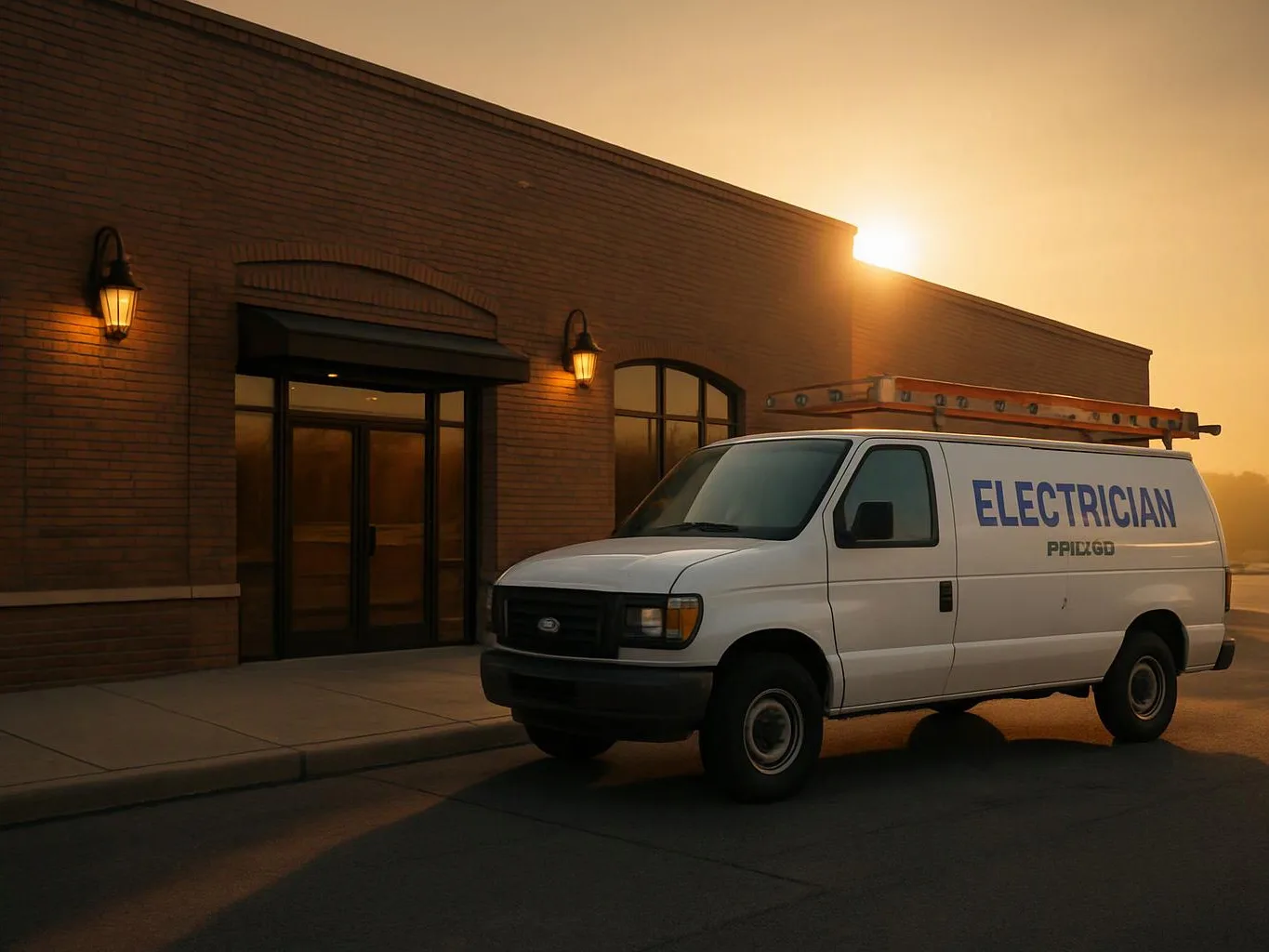
A white electrician van with a ladder parked beside a brick building at sunset
(513) 586-5812