Where can a new outlet be installed safely?
Circuit capacity and wall access decide where a new outlet can be installed safely. Cincelux Electric reviews the proposed location, traces the circuit, checks the wall cavity and stud spacing, then confirms clearance and grounding. The outlet location must also suit the equipment or activity it will support.
Which material changes how long outlet installation takes?
Wall material and wiring access most affect the work time for a new outlet. Finished drywall, plaster, masonry, and blocked wall cavities require different access methods. We check the wall construction and circuit route first, then explain the work scope before installation begins.
How does an outlet installation visit move from the first call to the last step?
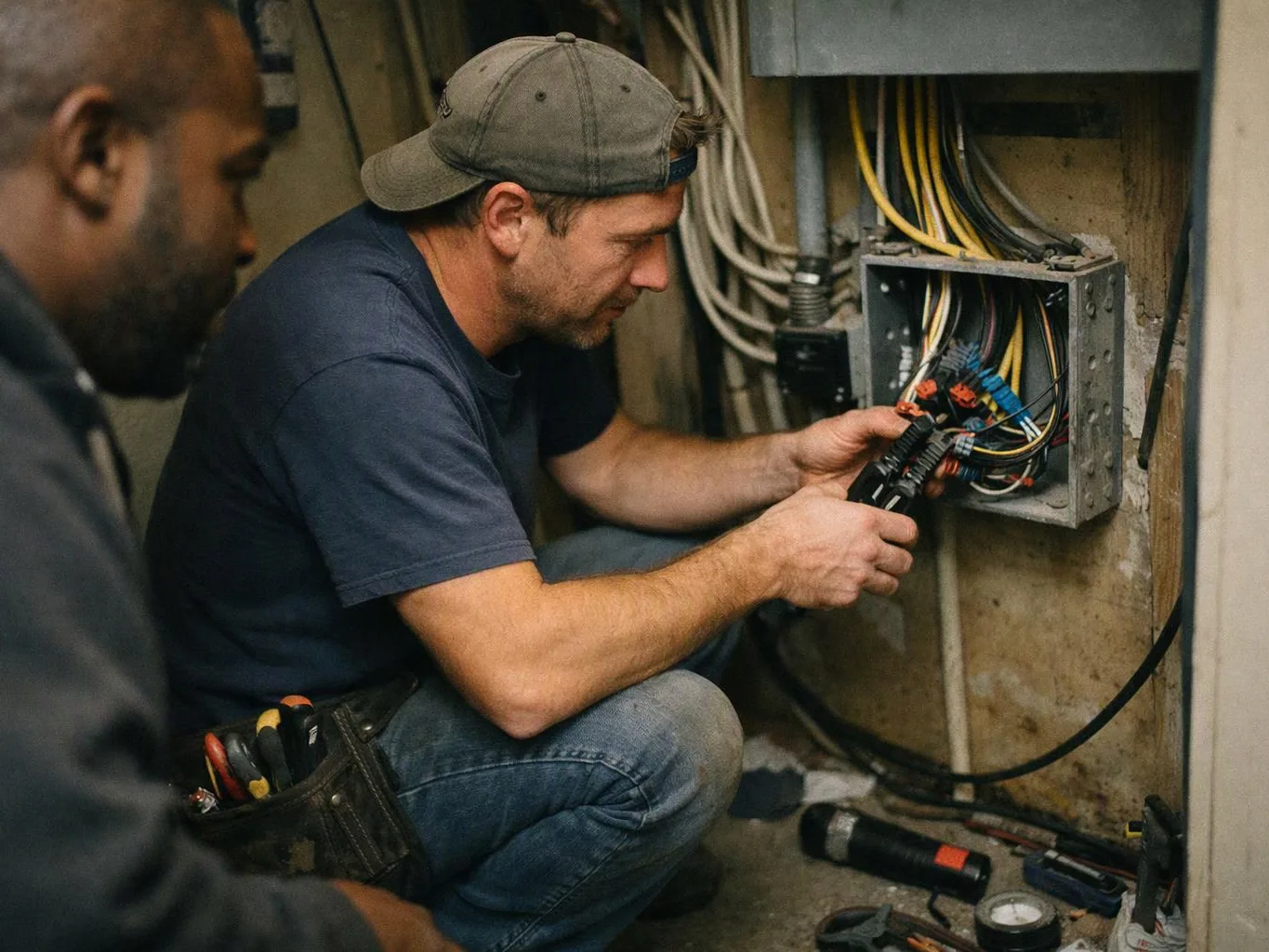
The visit moves from location review to circuit tracing, installation, and testing. We first discuss the intended use and inspect access. Next, we check wiring, grounding, and clearance, install the receptacle, and verify operation before completing the work area.
What tells me whether outlet installation fits my property?
The requested location, wall access, wiring condition, and circuit use show whether outlet installation fits the property. We review those points for homes, businesses, and managed properties. A damaged panel or unsafe wiring may require electrical repair before adding the receptacle.
Why does a new receptacle keep tripping the breaker?
A new receptacle can trip the breaker because of an overloaded circuit, a wiring fault, or a connection problem. We isolate the outlet and trace the circuit before changing parts. Stop using the outlet if it feels warm, sparks, or produces a burning smell.
What changes the quote for adding an outlet?
Wall access, circuit routing, wiring condition, grounding, and the intended load change the quote for adding an outlet. We review those factors during an assessment and explain the work scope. Free estimates are available before the installation decision.
Should I add an outlet or repair the circuit first?
Repair the circuit first when testing finds unsafe wiring, damaged connections, or a fault that affects the requested location. We check the existing circuit before adding a receptacle. A sound circuit may support the planned outlet, while a wider fault needs its own repair scope.