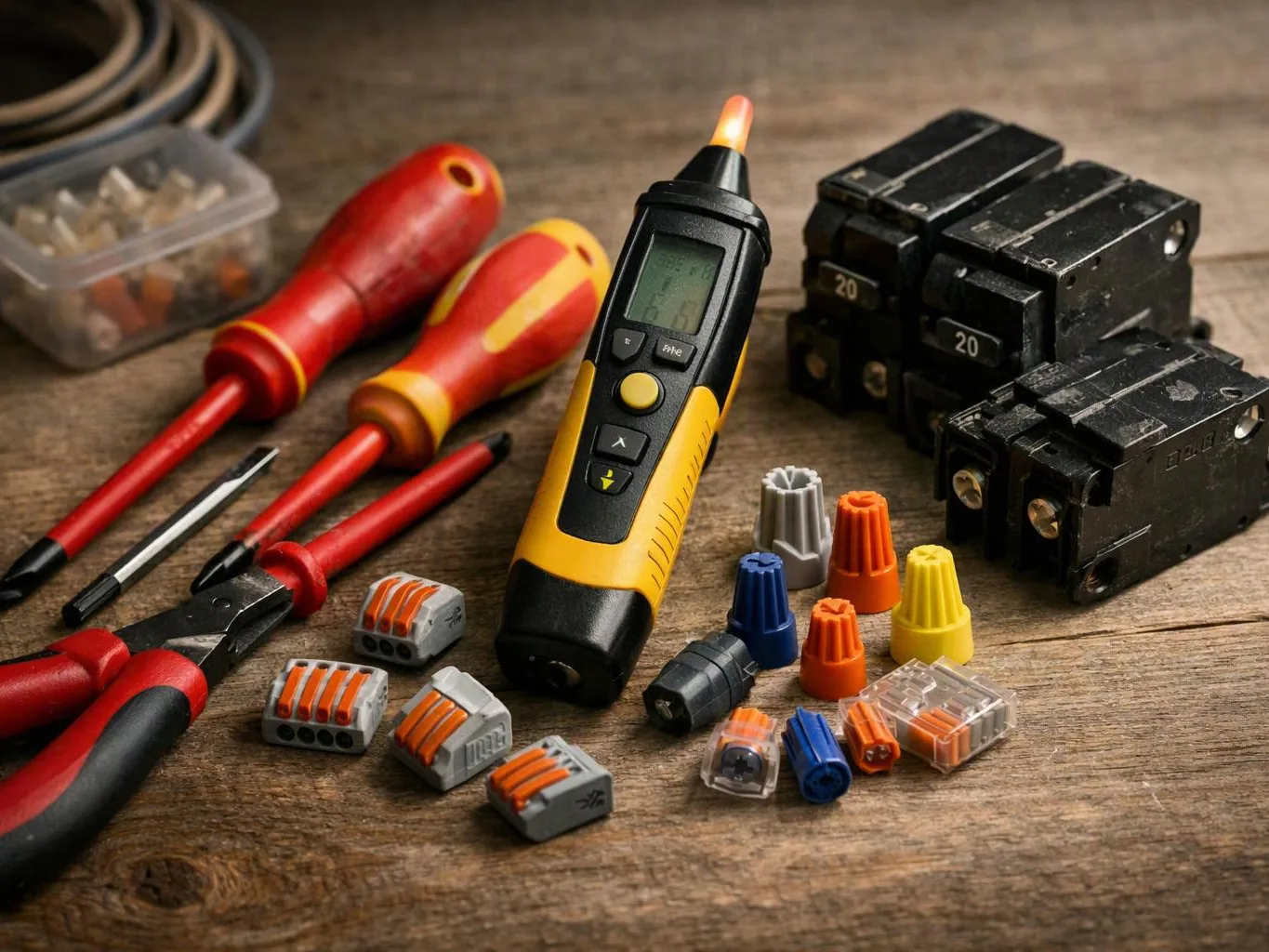
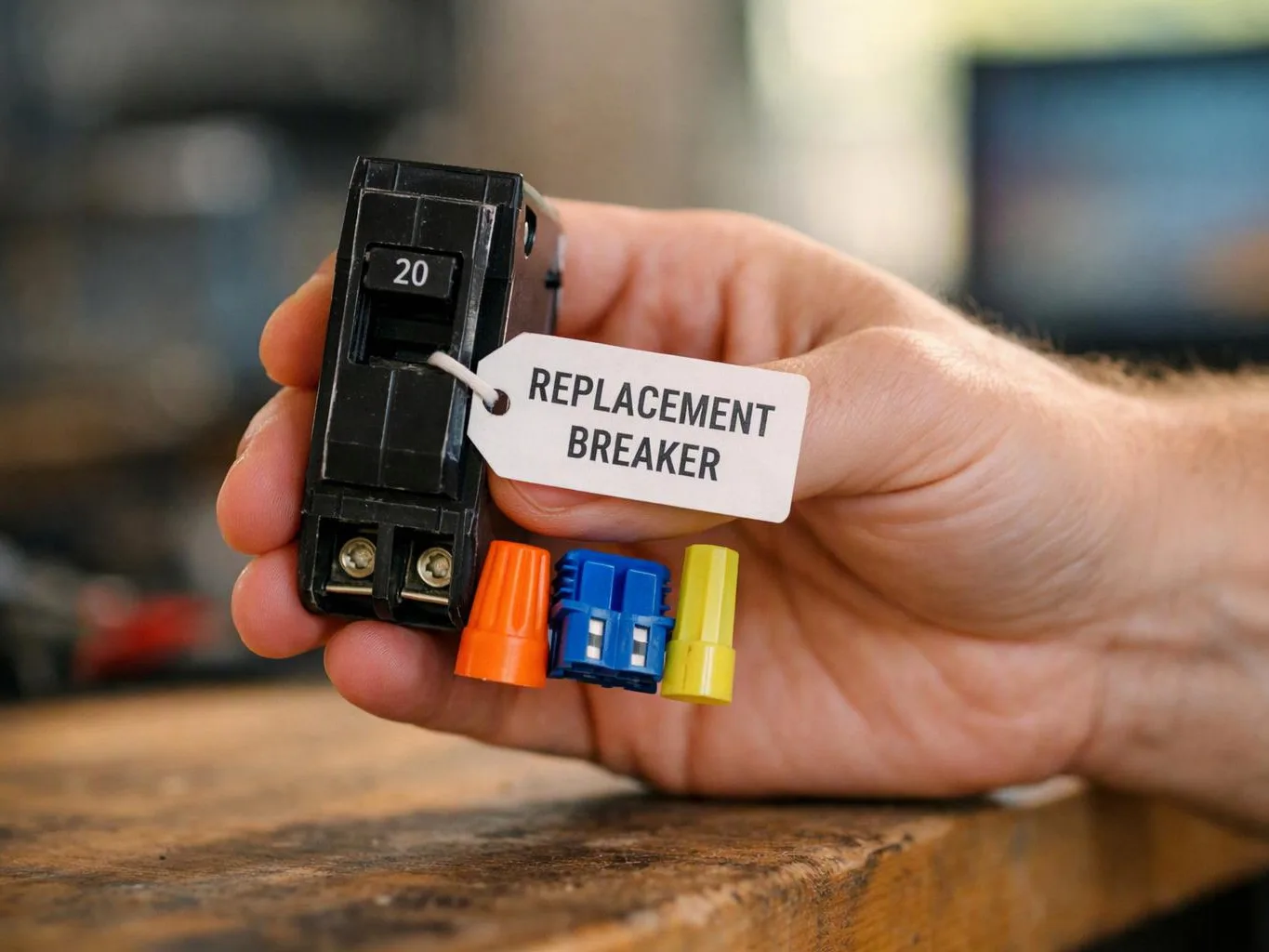
What causes an outlet to spark or overheat?
Worn contacts can cause an outlet to spark or overheat. Loose connections, overloaded circuits, and arc faults can create the same warning signs. Stop using the outlet when it feels hot, smells burnt, or sparks. We inspect the receptacle, box, wiring, and circuit to find the source.
How does an outlet repair visit move from the first call to the last step?
An outlet repair visit moves from symptom review to inspection, circuit checks, repair, and testing. We identify the affected receptacle and ask what happened before the fault appeared. Next, we check connections, grounding, and the breaker. We then explain the scope, complete the agreed work, and test the outlet.
What should I do before someone checks a sparking outlet?
A sparking outlet should stay unused until the electrical cause is checked. Turn off the circuit breaker if you can do so safely, and keep plugs away from the receptacle. Do not remove the cover or touch damaged wiring. We can assess the outlet, circuit, and nearby connections.
Which part of the property decides the scope of outlet repair?
The outlet circuit decides the scope of outlet repair. A fault may involve the receptacle, electrical box, branch wiring, grounding path, or breaker. We check access and trace the circuit when several outlets show symptoms. That inspection helps separate a single-device repair from wider electrical work.
How can I tell whether outlet repair fits my property?
Outlet repair fits a property when one or more receptacles show damage, heat, sparks, looseness, or loss of power. The service also fits two-prong outlets that need a grounding review. We assess the outlet and circuit first, then explain if the issue requires panel, service, or broader wiring work.
When does a dead outlet need circuit troubleshooting?
A dead outlet needs circuit troubleshooting when the breaker trips, nearby outlets also fail, or the fault returns after reset. A single failed receptacle may have a local connection problem. We trace the circuit and inspect the breaker, wiring, and related outlets before choosing the repair.
Why can an overloaded circuit damage an outlet?
An overloaded circuit can heat wiring and outlet terminals beyond safe operating conditions. High-demand appliances and several connected devices can add load to the same branch circuit. We check the outlet, breaker, and circuit use, then explain whether outlet work or a wider electrical upgrade fits the problem.