How is trenching matched to the property before underground wiring starts?
Trenching is matched to the route, access points, soil conditions, and circuit destination before installation begins. Cincelux Electric reviews the panel, planned load, conduit path, pull-box needs, and surface access. Customers should identify property features that affect the route, such as driveways, structures, or landscaping, so the work scope addresses them early.
What should be ready before underground wiring starts?
The destination equipment, route information, panel location, and access details should be ready before work starts. Customers should also identify which circuits or devices need power. We use that information to review the load, plan conduit placement, and determine whether the existing panel can support the intended connection.
Which part of the job changes the underground wiring price?
The route and access conditions usually have the greatest effect on the project scope. Trenching, conduit length, pull boxes, panel changes, wiring size, and destination equipment all matter. We review those items before giving a free estimate, and the estimate reflects the work required for that property.
When should a customer request underground wiring instead of an indoor repair?
Underground wiring fits a new below-grade route or a circuit serving a detached location. An indoor repair fits faults limited to outlets, switches, panels, or wiring inside the building. We trace the affected circuit first, then explain whether the issue belongs to the underground run or another part of the electrical system.
What should a customer ask before agreeing to underground electrical wiring?
Customers should ask what route, conduit, circuit protection, grounding, testing, and access points the work includes. We explain the planned connection and the factors that shape the estimate. Customers should also ask how the completed run will be tested and what documentation or follow-up the property will need.
Why does an underground circuit keep tripping the breaker?
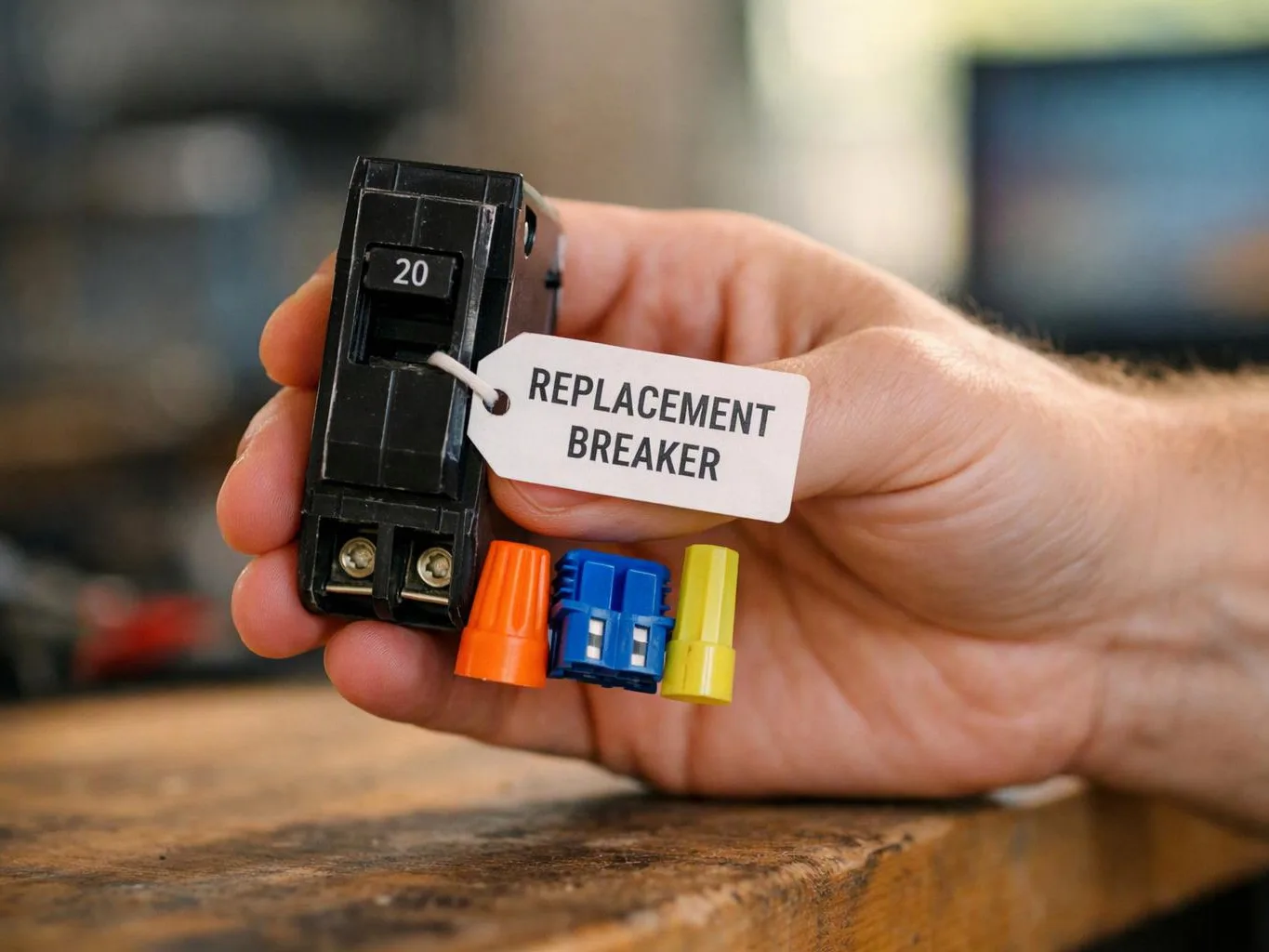
A breaker can trip because of a damaged conductor, wet connection, overloaded circuit, or fault in connected equipment. Our team isolates the circuit and checks the panel, wiring, grounding, and destination load. Customers should stop using the affected circuit if there is a burning smell, buzzing panel, or warm electrical connection.
Who installs underground electrical wiring for homes and businesses?
Cincelux Electric installs underground electrical wiring for residential and commercial properties. We handle route planning, conduit, circuit connections, panel work, grounding, and testing. Customers can request an assessment when a new route is planned or when an existing underground circuit shows a fault.