What wiring materials are used underground?
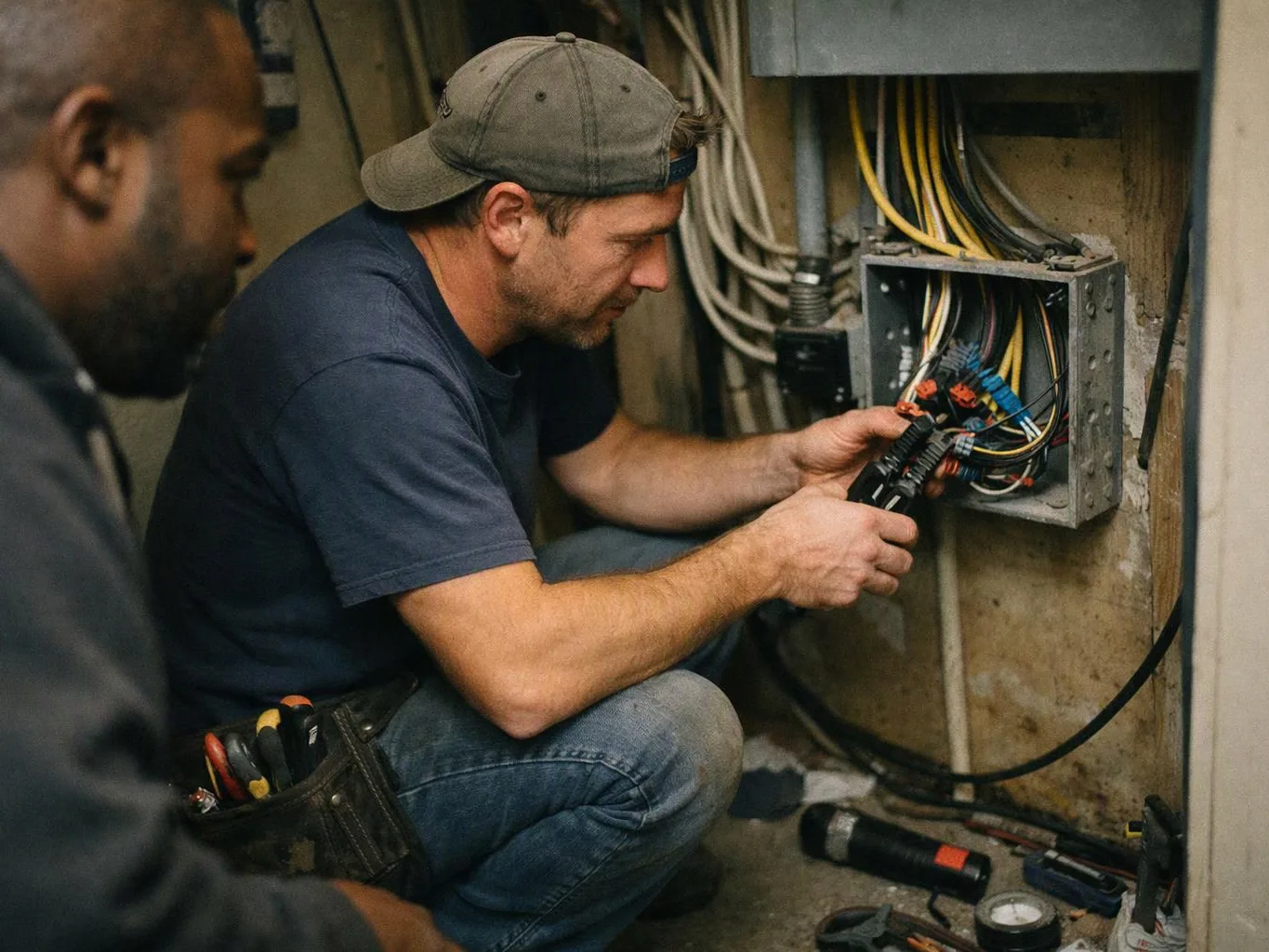
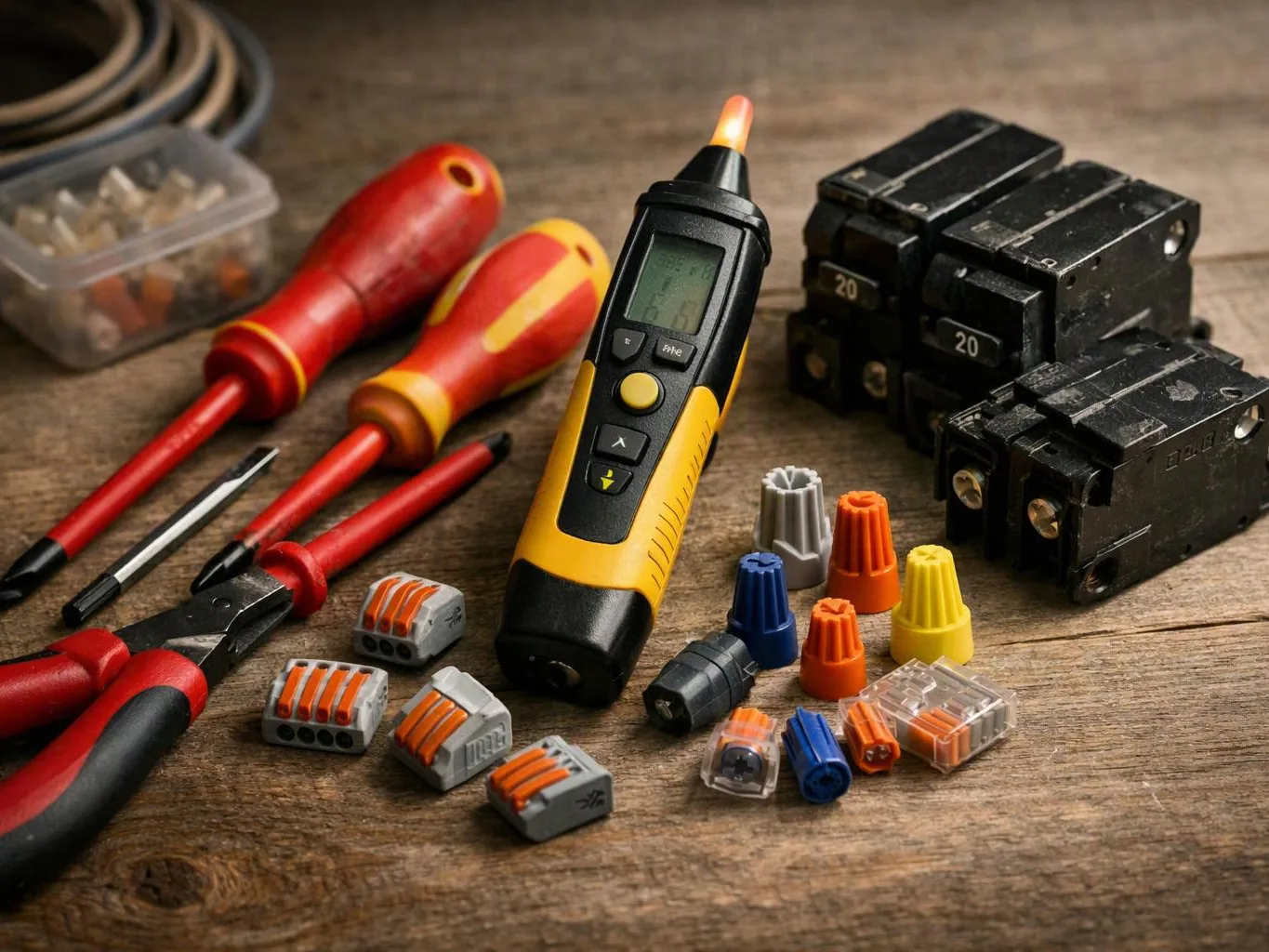
PVC conduit, direct burial cable, and THWN conductors are common underground wiring options. Cincelux Electric selects the method based on the route, load, protection needs, and connection points. Waterproof fittings protect exposed connections, while pull rope can support conductor placement inside conduit. We explain the selected materials before work begins.
How is the wiring matched to the property before work starts?
The wiring method is matched to the electrical load, route, access, and connection points. We inspect the source panel and identify the equipment that needs power. Route conditions also guide the choice between direct burial cable and conductors inside conduit. Testing confirms that the completed circuit serves the planned load.
What should be ready before underground wiring starts?
The equipment location, electrical source, planned route, and access points should be identified before work starts. We also need to know whether the project serves a home, business, detached building, or outdoor load. Photos, panel details, and visible symptoms can help us prepare for the assessment.
Which part of this job changes the estimate most?
The route, access, electrical load, and repair condition usually shape the estimate most. Longer or harder-to-access paths need a different work scope than a short repair at an existing connection. We review materials, fittings, testing, and panel work before providing a free estimate.
When should a buried circuit be treated as urgent?
A buried circuit becomes urgent when it causes a burning smell, sparking outlet, buzzing panel, or repeated breaker trips. Stop using the affected circuit when it shows a dangerous symptom. We provide 24-hour emergency electrical response for urgent electrical concerns and can assess the source of the fault.
Why does an outdoor circuit keep tripping?
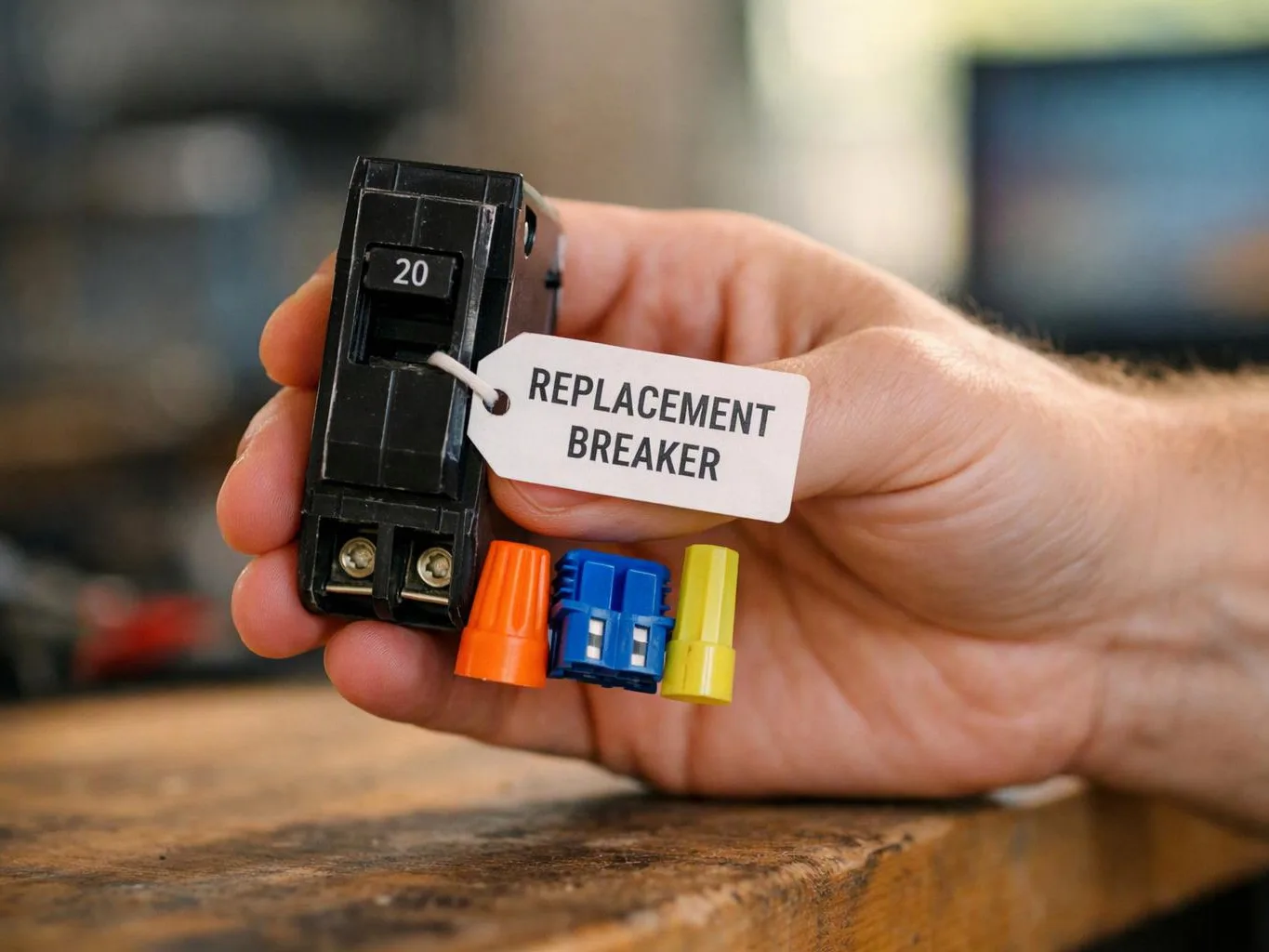
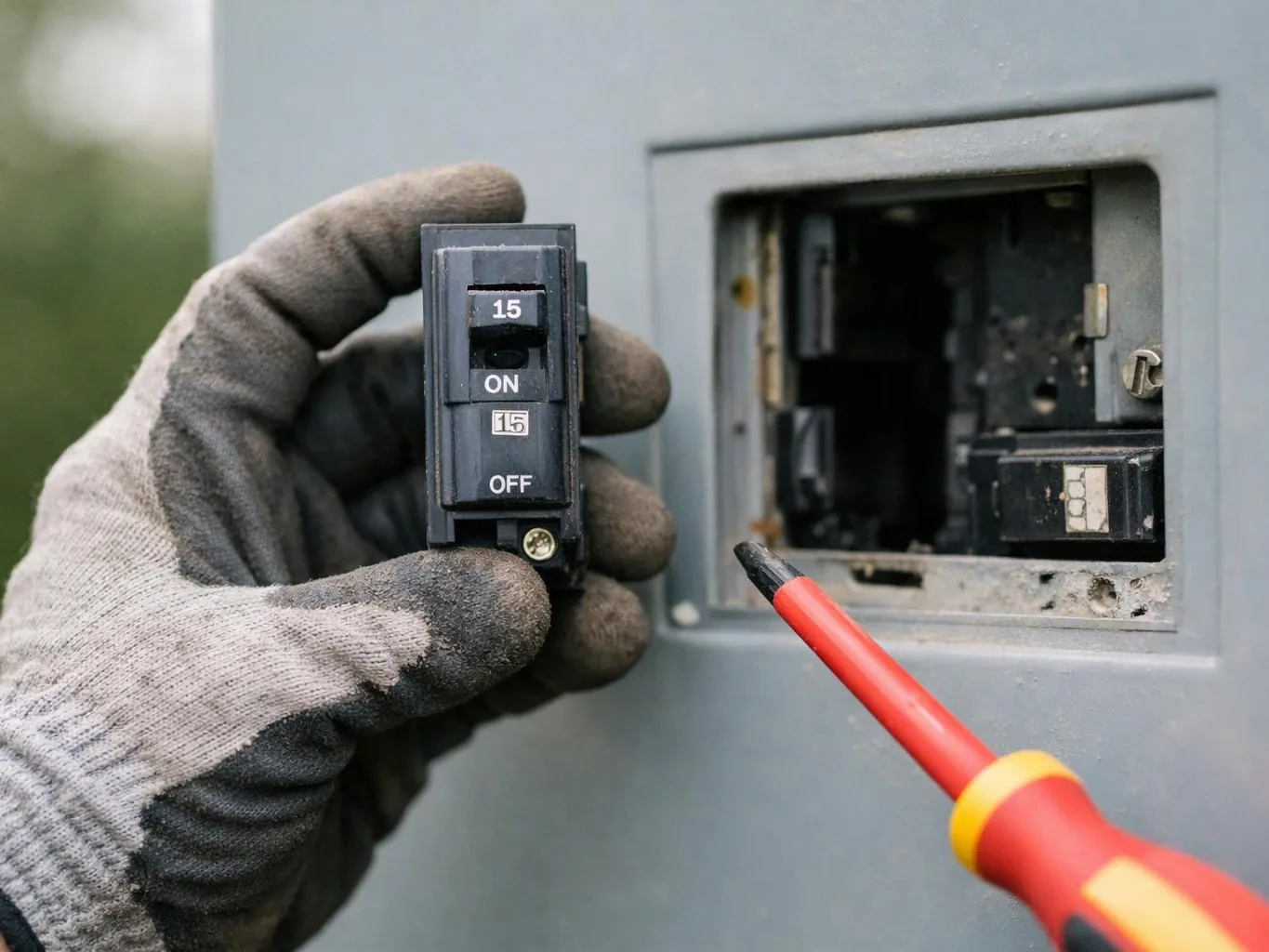
An outdoor circuit may trip because of damaged wiring, moisture at a connection, an overloaded load, or a faulty protective device. We test the breaker, accessible connections, and buried route to separate those causes. Repeated resets can leave the underlying fault active, so the circuit should be checked before continued use.
What should a customer ask before agreeing to buried wiring work?
Ask which material will be used, what load the circuit will support, how connections will be protected, and how testing will be completed. We also explain the route, access needs, repair limits, and estimate scope before work begins. Those details help the customer compare the proposed installation with the property's actual needs.