How is underground electrical wiring installed safely?
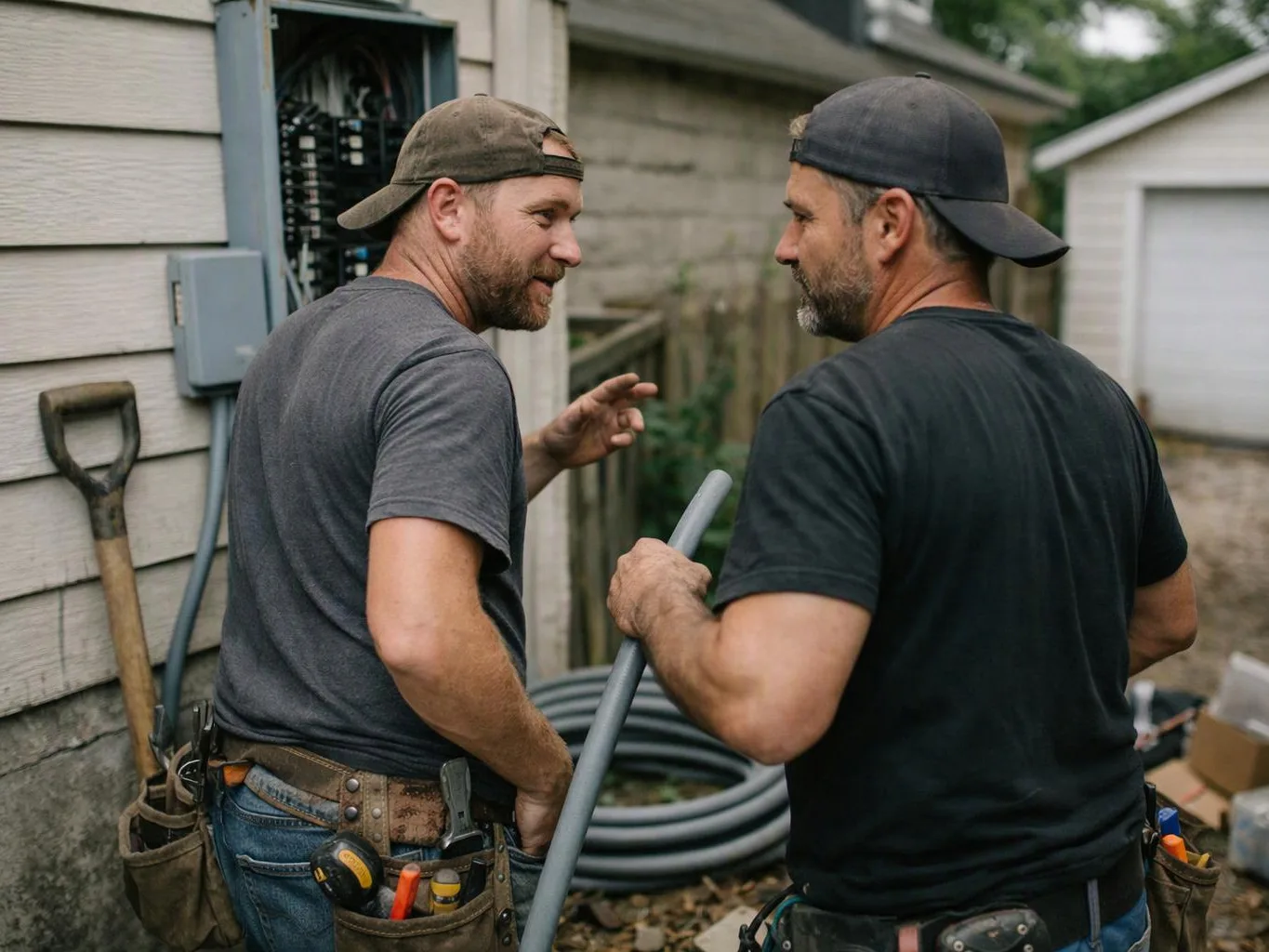
Trenching is checked first, then conduit, burial depth, warning tape, pull boxes, and circuit connections are reviewed. Cincelux Electric installs the conductors, connects the circuit, and tests operation before handoff. The route also needs attention because driveways, landscaping, gates, and existing property features can affect access. We explain the scope before planned work begins.
What tells me this wiring fits my property?
Underground wiring fits when power must reach a detached structure, exterior equipment, or a separate part of the property. The circuit needs a safe route from the source panel to the destination. We check the load, access, conduit path, and connection points before confirming the work scope.
Which part of the property decides the wiring scope?
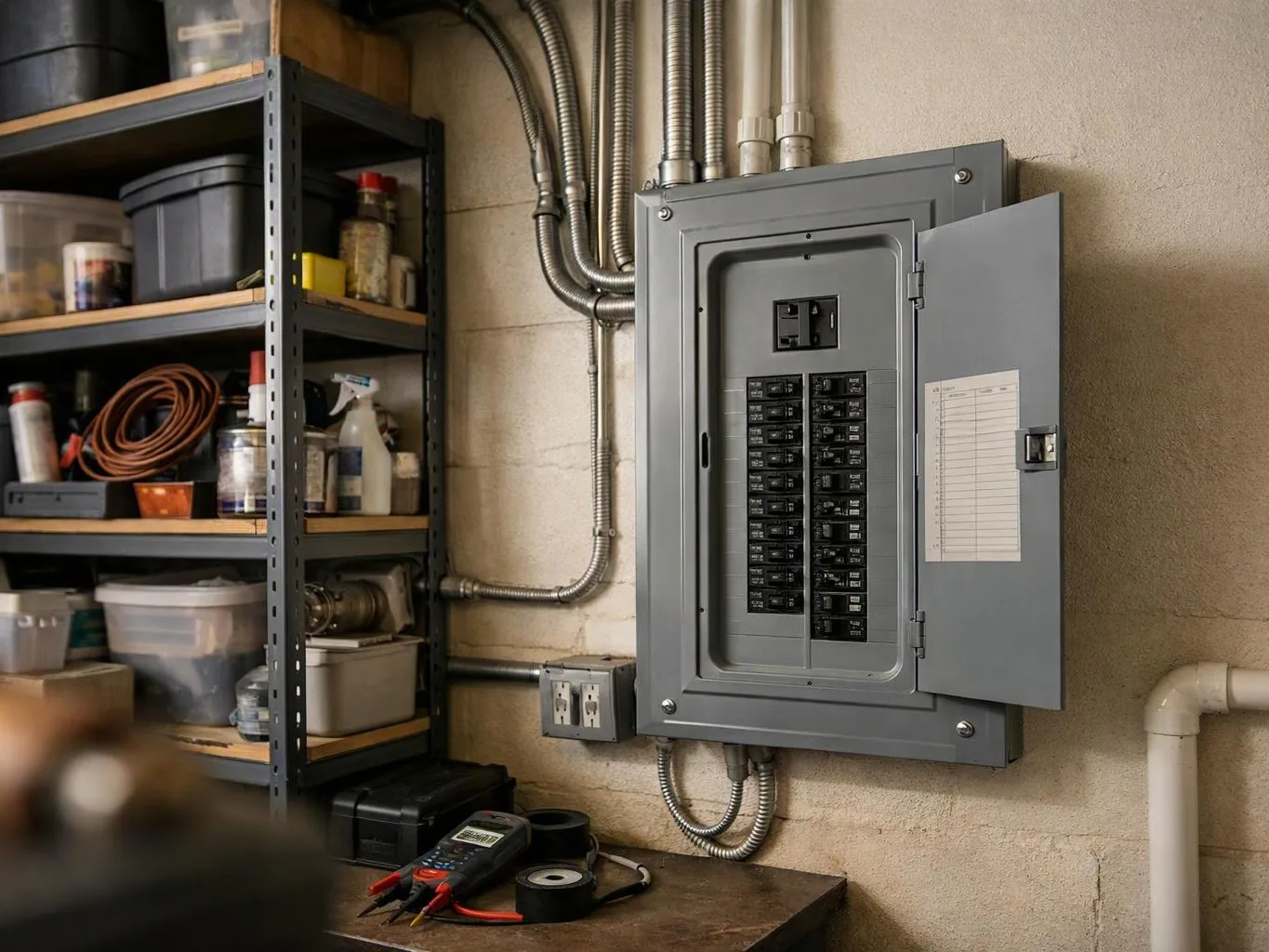
The source panel and destination equipment decide the main circuit scope. Distance, access, existing pavement, landscaping, gates, and the served load shape the installation plan. Our assessment follows the circuit from the panel to the destination, so an indoor panel fault does not get mistaken for an underground wiring problem.
Which material changes how long the wiring work takes?
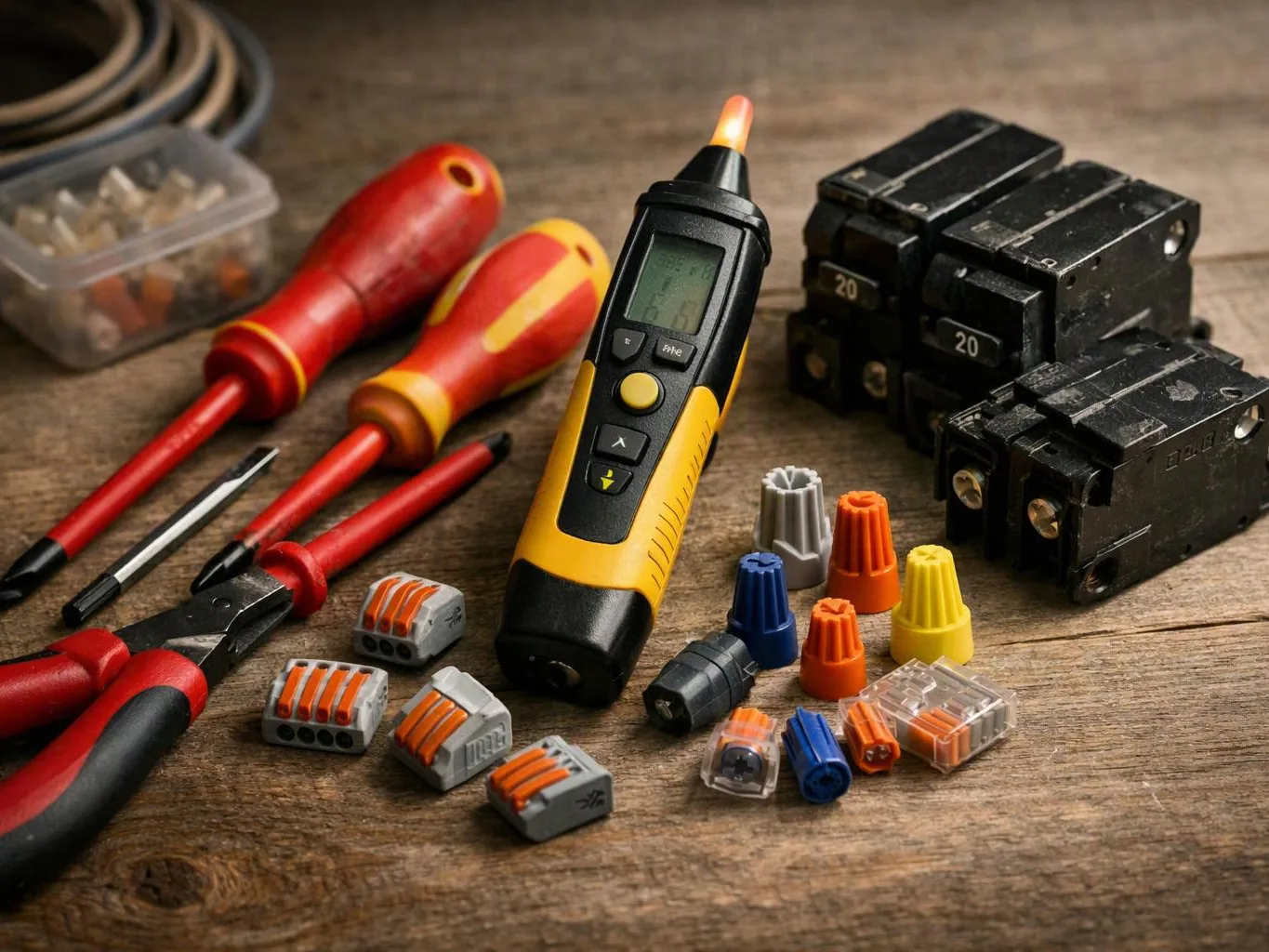
Conduit and the required conductor setup influence the work time, while access can add another constraint. Pull boxes, paved areas, tight gates, and damaged existing conduit also affect the work plan. We review these conditions before giving a project schedule, and we do not promise a duration without seeing the scope.
When should I call about repeated breaker trips?
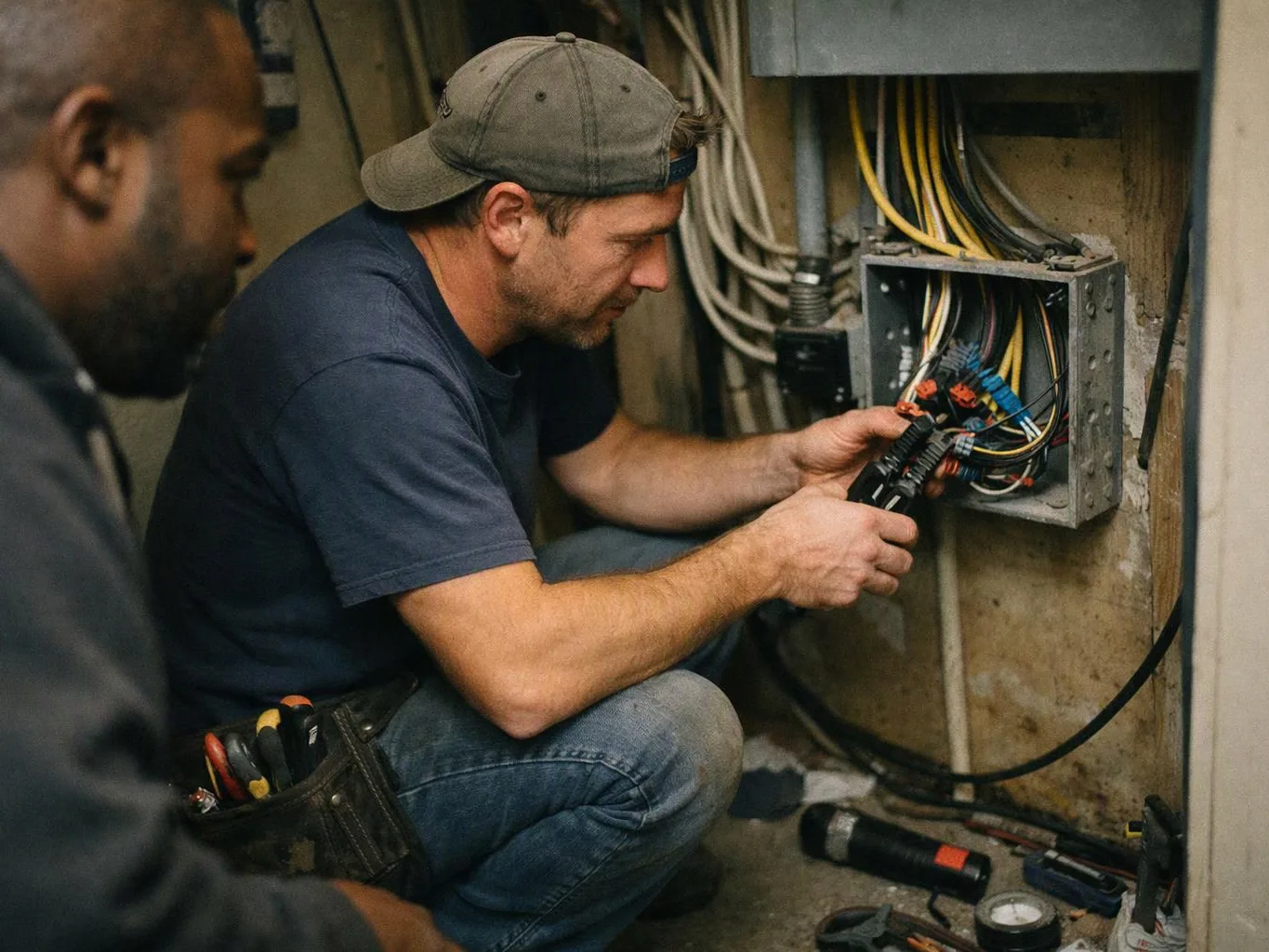
Repeated breaker trips call for an electrical inspection before the circuit is used again. The cause may involve an overloaded circuit, damaged conductor, wet connection, or failed equipment. We isolate the circuit, trace its path, inspect accessible connections, and explain the repair options. A burning smell or buzzing panel needs urgent attention.
Why does an underground circuit lose power after rain?
Water entry at damaged conduit or a connection can cause an underground circuit to lose power after rain. We check the breaker, trace the circuit, inspect accessible pull points, and test the conductors and connections. The repair may involve the connection, conduit, equipment, or another part of the circuit.