24-Hour Electrical Service for Landlords and Property Managers
A 24-hour electrician helps protect tenants and restore needed power. ElectricianCincinnatiOH.com helps with outages, inspections, urgent repairs, and rental property needs. Call an emergency electrician for sparks, smoke, burning smells, exposed wires, or hot equipment. Call for repeated breaker trips, too. An electrician can check apartment outages and damaged circuits. They can also repair wiring, restore power, and suggest panel upgrades. Managers should record the issue and keep tenants away. They should also note affected units and provide site access.
Get a Free EstimateWhy Rental Properties Need 24-Hour Electrical Service?
24-hour electrical service gives landlords help when electrical problems threaten safety. It also helps when faults stop needed services or may damage property. Rental properties need fast help with outages, smoke, sparks, and damaged wires. Repeated breaker trips need prompt attention, too.
One electrical problem can affect more than one apartment. A bad circuit may stop lights, heat, water systems, or elevators. It may also affect doors, laundry rooms, or fire safety equipment. Fast help limits disruption and keeps tenants away from danger.
Landlords make repair choices. Property managers often handle tenant notices, access, vendors, and records. Good planning helps both roles. It also links urgent safety work with long-term rental property electrical repair.
| Reported condition | First management priority |
|---|---|
| Burning smell or smoke | Keep people away, shut off power only if safe, and request urgent help. |
| Several units without power | Compare affected areas and check for a building or utility issue. |
| Repeated breaker trips | Stop repeated resets and arrange electrical troubleshooting. |
When Should a Landlord Call an Emergency Electrician?
A landlord should call an emergency electrician when an electrical problem creates danger. They should also call when needed power stops. Warning signs include smoke, burning odors, sparks, hot outlets, exposed wires, and water near electrical equipment. Repeated breaker trips and partial outages need attention, too.
Call quickly if a tenant reports a burning smell or sparks. Buzzing walls, melted plastic, and hot outlets also need quick help. These signs may point to loose wires, heavy loads, or damaged parts. They may also show an arc fault (electricity jumping across a gap). Tenants should never open a panel or remove its cover.
Storms, leaks, repairs, pests, and impacts can expose wires. Keep people away from the area. Tell tenants not to touch wires or use damaged devices. They should report smoke or fire through the proper emergency channel.
Repeated breaker trips need a full check. A breaker may react to too much load, a short, or a ground fault (an unsafe path to ground). Bad wiring or a failing appliance may also cause trips. Repeated resets can raise the risk and hide the real problem.
Managers should consider both urgency and size. A single light may wait for planned work. An outage affecting heat, pumps, security, or shared lights may need immediate help. Record the time, unit, symptoms, and steps taken before calling.
If fire, smoke, or an active life-safety threat exists, call emergency services first. An electrician can check the electrical source after the site is safe.
Who Fixes an Electrical Outage in an Apartment?
A licensed electrician fixes an outage inside the rental property. This may include a tripped breaker, bad circuit, failed panel part, or wiring fault. The utility company handles problems with outside power. Property managers arrange access, tenant notices, and safe checks.
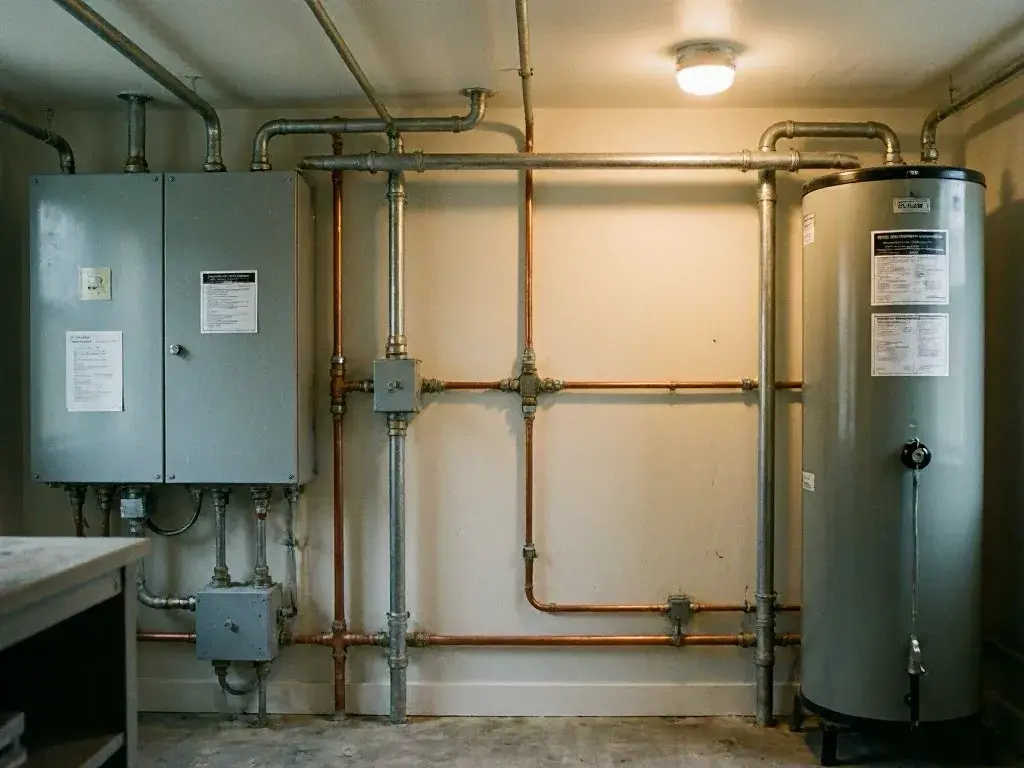
First, find out how much of the property is dark. One apartment may have a branch circuit, outlet, appliance, or local breaker problem. Several units may point to a main panel, feeder, disconnect, meter, or utility issue.
A dark apartment does not always mean the building has a fault. A utility outage can affect the property even when the panel looks normal. Nearby buildings may still have power. A failed panel part may affect only one property.
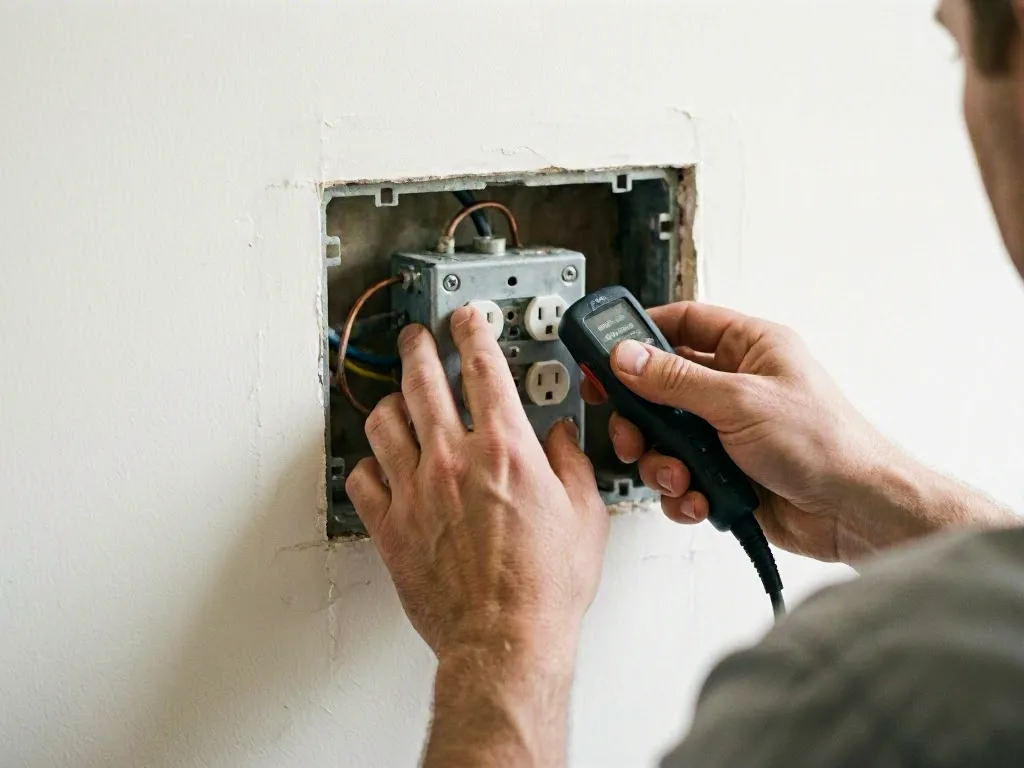
Safe testing helps separate these problems. The electrician may check the panel, breakers, voltage, and circuit path. They may also check damaged parts, heat, and moisture. They use safe tools and methods instead of guesswork.
Access matters in an occupied building. Managers may need to notify tenants and arrange entry. They may need to secure pets and unlock electrical rooms. A list of affected units and shared systems can guide the testing.
The utility may own the failed equipment. In that case, the electrician can explain the boundary and share useful details. If the fault is on the building side, the electrician can suggest repairs and safety steps.
What Features and Challenges Matter Most to Property Managers?
Property managers need fast service, clear updates, safe tenant contact, and useful records. Common problems include finding the right circuit and entering occupied units. Managers must also separate utility faults from building faults. They may need to rank several complaints at once.
The provider should fit the property team’s work. Clear updates help managers explain the problem to tenants. They also show which areas need access. Written records help with owner updates, future repairs, and repeat problems.
Features That Help Property Managers
Speed matters, but safe testing matters more. A rushed repair may leave a damaged circuit powered. Ask how the provider checks the fault and explains the repair. Ask how they report work that still needs to be done.
Common Challenges During an Urgent Visit
Good planning keeps tenant safety first. Managers can share a site map, unit list, panel locations, and access notes. Recent work records also help, so do owner and maintenance contact details. This helps our crews focus on the fault.
Can an Electrician Inspect Recurring Electrical Problems in a Rental?
An electrician can inspect repeat problems in a rental property. The goal is to find the cause instead of resetting breakers again. The check may cover circuit loads, wiring, connections, grounding, moisture, panel size, and damaged devices. It may also compare problems across units.
Repeat faults can have many causes. One circuit may serve too many appliances or rooms. Loose terminals, damaged insulation, and old parts can cause trouble. An arc fault can happen when power jumps across an unwanted gap.
The inspection should match the symptom to the building layout. The same failed outlet in many units may show a shared issue. Moisture, product damage, or poor design may play a role. Seasonal breaker trips may point to heating or cooling loads.
The electrician may review panel lists and test sample circuits. They may inspect outlets, switches, grounding, and connections. They may also look for heat or moisture damage. The size of the check depends on the symptoms and property condition.
A focused check may help after an emergency. A wider review may help when many units have similar issues. Clear notes should separate urgent hazards from planned upgrades. The notes should also show which units or shared areas are affected.
Most small diagnostic visits commonly take about one to three hours. A multi-unit inspection may take longer. Access and the number of circuits affect the time. This range helps with planning, but it is not a promise.
Our team explains each step before testing starts. We control hazards, review the history, and inspect the likely source. We then test safely and build a repair plan. The owner can then choose a device repair, wiring fix, circuit change, or panel upgrade.
How the Emergency Electrical Response Works?
Emergency electrical service starts with safety checks. The electrician finds out if the issue involves the utility, panel, circuit, device, or wiring. They secure unsafe equipment and restore power only when safe. They also explain needed repairs and possible panel upgrades.
Managers can help by sharing symptoms, affected units, panel locations, and recent repairs. They should also provide access details. Tenants should avoid damaged equipment. They should know when the electrician needs entry.
Temporary safety steps may isolate a damaged circuit or secure exposed wires. They may also limit access to an electrical room. A failed device may stay out of service. These steps may reduce risk while the owner reviews larger work.
An electrical panel upgrade may help when the panel lacks capacity. It may also help when the panel has damage or cannot support planned loads. A panel replacement is not needed after every outage. Testing, load needs, equipment condition, and electrical code compliance guide that choice.
For urgent service in Cincinnati, a manager might describe the need as “24-Hour Emergency Electrical Repair in Cincinnati” when arranging help. The same steps apply to any occupied rental property. Protect people, find the source, restore power safely, and record the next steps.
How Landlords Can Choose the Right 24-Hour Electrician?
Landlords should choose a 24-hour electrician who handles emergency repairs and power restoration. The provider should also offer inspections and panel work. Confirm the service area, response plan, and access needs. Ask about testing, written notes, safety steps, and tenant contact.
Ask if the provider handles follow-up work, too. A good emergency record should state what was found and made safe. It should list repairs and open items. This helps owners compare a small repair with a larger project.
Rental access should be planned before an emergency. Discuss lockboxes, tenant notice, keys, pets, electrical rooms, roofs, basements, and shared spaces. Managers should also learn how updates work when access takes time. The same applies when several units need help.
Written findings matter because problems can return. A clear record may list the circuit, test results, damaged parts, and temporary steps. It may also show power status and next steps. Photos can help when needed.
Ask how the electrician handles tenant safety and electrical code compliance. Code rules may affect repairs, parts, grounding, permits, or inspections. A careful provider explains these needs. They should not promise a quick fix for every problem.
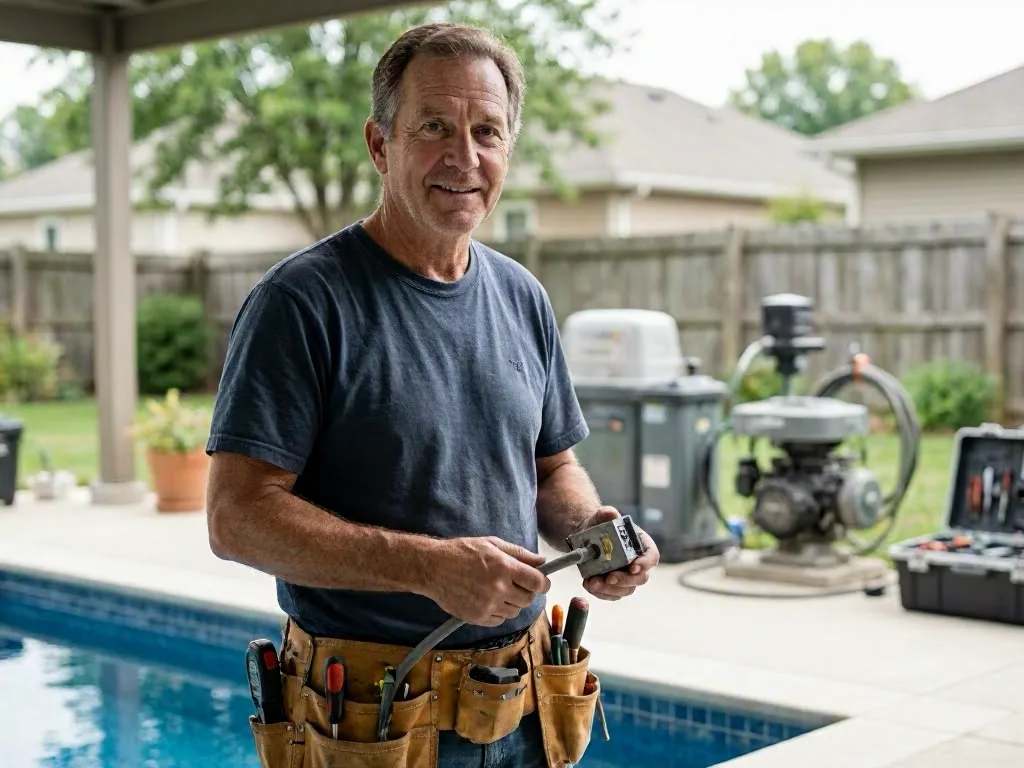
Our crews can work with landlords, property managers, tenants, owners, and maintenance vendors. A 24 Hour Electrician may help with a late outage. Good records and a clear plan can also help prevent repeat failures.
When comparing electrical contractor services or property maintenance services, look for safe work and clear updates. Do not focus only on speed. You can contact our team through the service contact page to discuss an urgent condition, inspection need, or rental-property electrical repair.
Questions About 24 Hour Electrician
When Should a Landlord Call an Emergency Electrician?
Call when an electrical problem threatens safety or stops needed power. Burning smells, smoke, sparks, hot outlets, exposed wires, and water near electrical equipment need prompt attention.
Who Fixes an Electrical Outage in an Apartment?
A licensed electrician fixes outages caused by the apartment’s panel, circuit, wiring, or devices. The utility company handles outside supply problems. A property manager helps arrange access, share unit details, and contact both parties.
Can an Electrician Inspect Recurring Electrical Problems in a Rental?
Yes. An electrician can check repeat faults, circuit loads, wiring, connections, grounding, moisture, panel size, and damaged devices. The findings can guide upkeep, repairs, or a planned panel upgrade.
What Is Considered an Electrical Emergency in a Rental Property?
An electrical emergency creates immediate danger or removes needed power. Examples include smoke, burning odors, sparks, exposed wires, hot equipment, and water near live parts. Repeated breaker trips and outages affecting heat, lights, pumps, security, or apartments also need prompt help.
How Quickly Can an Emergency Electrician Restore Power to an Apartment?
Timing depends on the cause, access, parts, utility help, and equipment safety. Some breaker or device faults may be fixed during the first visit. Damaged wires, panel faults, or utility issues may need more work.
Share the affected units, symptoms, safety concerns, and access details. Clear information supports a focused response and safer power restoration.
Related Resources
How Much Does a 24-Hour Emergency Electrician Cost in Cincinnati?
24 hour emergency electrician cost Cincinnati
What It CostsElectrical Troubleshooting and Circuit Breaker Repair: Cost and Process
electrical troubleshooting and circuit breaker repair cost
What It CostsHow Much Does It Cost and How Long Does It Take to Rewire a House?
home rewiring cost and timeline Cincinnati
What It CostsHow Much Does Level 2 EV Charger Installation Cost in Cincinnati?
residential Level 2 EV charger installation cost Cincinnati