Electrical Troubleshooting and Circuit Breaker Repair: Cost and Process in Cincinnati, Ohio
Electrical troubleshooting and circuit breaker repair cost depends on the fault, panel condition, access, parts, and testing required; Cincelux Electric explains the scope, prepares the quote, and completes the necessary repair.
Get a Free Estimate
Electrical troubleshooting and circuit breaker repair cost changes with the fault location, repair complexity, panel condition, access, required parts, and final testing.
We inspect the affected electrical system before deciding whether the work involves circuit testing, a breaker replacement, connection repair, or a larger panel repair. Contact us through our Electrical Troubleshooting service page to request an exact repair quote.
What Changes the Cost of Electrical Troubleshooting and Breaker Repair?
Electrical troubleshooting and circuit breaker repair cost changes with the fault location, repair complexity, panel condition, access, required parts, and final testing.
| Factor | Why it changes the cost | What to prepare |
|---|---|---|
| Electrical troubleshooting | A fault that is difficult to isolate needs more diagnostic testing. | Describe when the power interruption occurs and what was operating. |
| Circuit breaker repair | The work may involve breaker operation, a loose connection, or circuit wiring. | Share the breaker position and any reset history. |
| Electrical panel | Panel condition, bus bar damage, and burned connections can expand the repair scope. | Keep clear access to the panel. |
| Access | Hidden wiring and restricted access can require more careful testing and repair work. | Tell us where the affected equipment and outlets are located. |
| Replacement parts | The required breaker or connection parts depend on the existing system. | Provide panel details or photos when safe to do so. |
We use these factors to define the repair scope before preparing a quote. A simple part replacement can require less work than a fault involving damaged wiring or panel connections.
How We Diagnose a Tripping Circuit Breaker
A circuit breaker that keeps tripping needs diagnosis because the trip can result from an overload, short circuit, ground fault, damaged wiring, or a failing breaker.
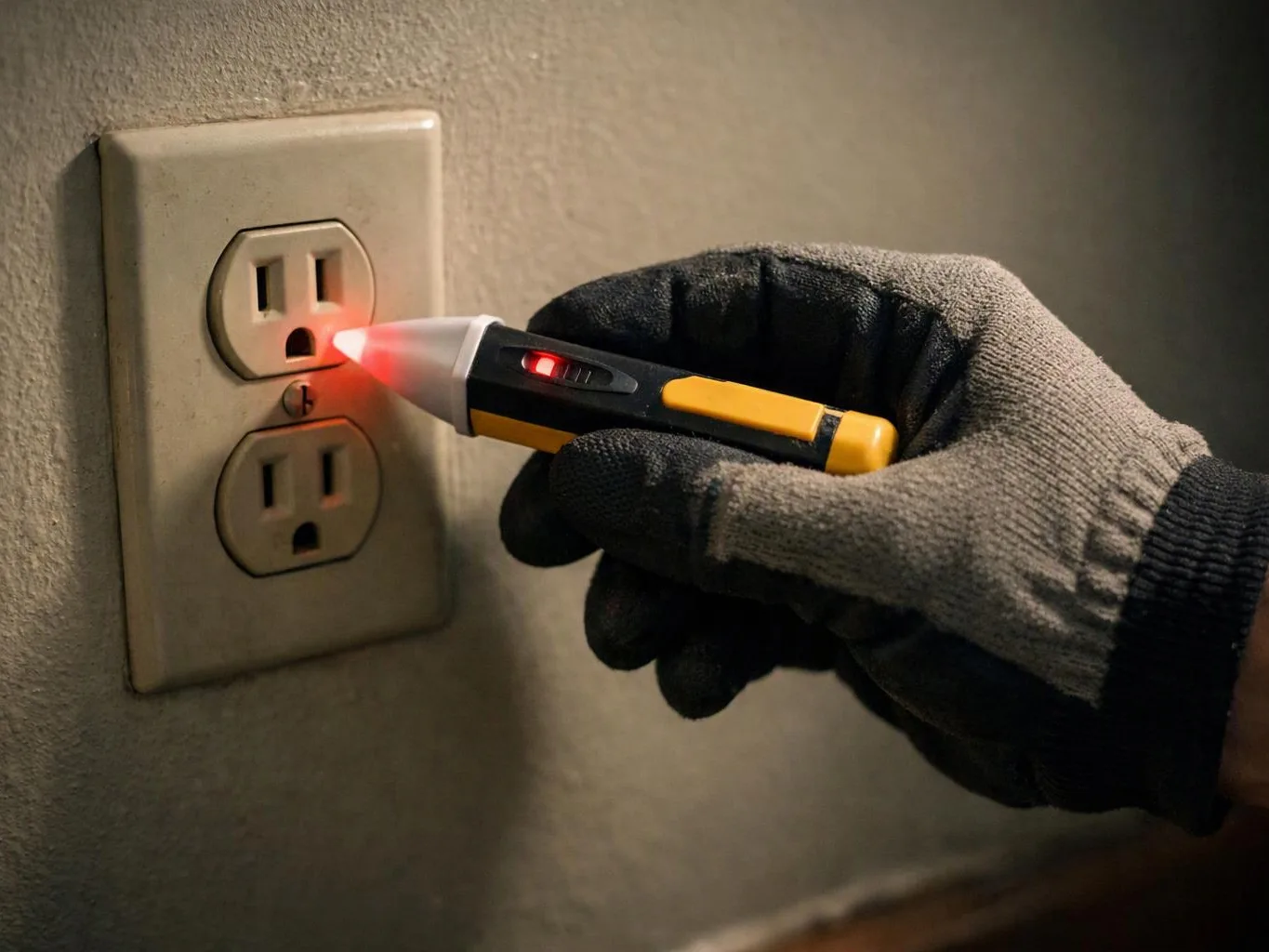
We trace the affected circuit from the electrical panel to the connected outlets and equipment. An overloaded circuit may point to appliance load, while a short circuit or ground fault may require focused circuit testing before power is restored.
Recurring thunderstorms and lightning in Cincinnati, Ohio can make power surges, outages, and urgent electrical faults relevant to troubleshooting. We check for signs that a surge affected the breaker, panel, or connected equipment.
What We Check Before Recommending a Repair
Breaker operation, panel connections, circuit load, wiring condition, heat damage, and moisture exposure determine which repair is appropriate.
We look for loose terminals, burn marks, damaged wiring, and signs of corrosion. Humid and wet conditions can contribute to corrosion at exposed connections and equipment, so we include moisture exposure in the safety review.
What the Circuit Breaker Repair Process Includes
Our circuit breaker repair process connects the inspection findings to a defined repair scope and final safety check.
Repair time depends on fault location, access to equipment, parts, and whether the issue extends beyond the breaker. We explain those conditions in the quote before repair work begins.
When Fuse Box Repair Is the Right Next Step
Fuse box repair is appropriate when the fuse box, its connections, or the connected wiring is causing an electrical fault or unsafe operation.
A fuse is an overcurrent protection device that opens when the circuit carries too much current. We inspect the fuse box, fuse holders, terminal connections, and wiring condition before recommending fuse panel repair.
Repeated fuse failure can point to an overloaded circuit, damaged wiring, or a connected appliance problem. We identify the cause so the repair supports electrical safety instead of only restoring power.
How GFCI Outlet Repair Relates to Circuit Problems
GFCI outlet repair addresses ground-fault protection problems that can interrupt power or indicate an issue with the outlet, wiring, connected equipment, or circuit.
A GFCI outlet is a circuit protection device that opens power when it detects a ground fault. We test the reset mechanism, outlet wiring, connected equipment, and nearby moisture exposure.
A GFCI outlet that will not reset may have a continuing ground fault or a failed device. We locate the cause before completing the repair and safety testing.
Five Ways to Keep Troubleshooting Costs Under Control
Clear information and safe access help us isolate an electrical fault with less unnecessary testing.
These steps do not replace diagnostic testing. We use the information to focus the inspection and protect the electrical system.
What to Prepare for an Accurate Electrical Repair Quote
An accurate electrical repair quote starts with a clear record of the symptoms and safe access to the affected equipment.
Photos can help with initial planning when they can be taken safely. We confirm the repair scope through inspection and testing.
How Cincelux Electric Builds the Repair Quote
Cincelux Electric builds the repair quote from the diagnostic findings, the electrical system condition, the access required, and the parts needed.
We separate electrical troubleshooting from circuit breaker repair, fuse box repair, and GFCI outlet repair when the fault requires different work. Our quote explains the repair scope, testing, connection work, replacement parts, and final safety testing included.
Free Estimates Available. We use the inspection findings to prepare an exact quote instead of assigning a price before the fault is located.
Request an Electrical Troubleshooting and Breaker Repair Quote
Electrical troubleshooting and circuit breaker repair require a clear fault location, safe access to the electrical panel, and a defined repair scope.
Tell us what the breaker, fuse box, or GFCI outlet is doing, which equipment is affected, and whether you see heat damage or moisture. Cincelux Electric will inspect the system, complete the needed testing, and explain the quote before completing the repair.
Request an electrical repair quote from Cincelux Electric.
Questions About Breaker and Electrical Repair Costs
Why does a circuit breaker trip repeatedly after being reset?
Cincelux Electric diagnoses repeated breaker trips because an overload, short circuit, ground fault, damaged wiring, or failing breaker can cause the problem.
Can a circuit breaker trip because of an appliance?
Yes, an appliance can trip a circuit breaker when its load overloads the circuit or when the appliance has an electrical fault.
When does a tripping breaker indicate a wiring problem?
A tripping breaker can indicate a wiring problem when testing finds a short circuit, ground fault, damaged insulation, loose connection, heat damage, or moisture-related corrosion.
Can a fuse box be repaired when the connected wiring is damaged?
Yes, a fuse box can be repaired when the connected wiring is damaged if inspection confirms that the wiring and fuse box can be made safe through the defined repair.
What should I do if a GFCI outlet will not reset?
A GFCI outlet that will not reset should remain unused until we test the outlet, connected equipment, wiring, and circuit for a ground fault.
Related Resources
Emergency Electrician vs. Regular Electrician: Which Should You Hire?
Compared ToGFCI Protection vs. Whole-Home Surge Protection: Which Electrical Upgrade Do You Need?
Compared ToDIY Electrical Repair vs a Licensed Electrician: Which Is Safer?
Compared ToEmergency Electrician vs Handyman: Who Should Handle Electrical Repairs?