DIY Electrical Repair vs a Licensed Electrician: Which Is Safer? Cincinnati, Ohio
DIY electrical repair is limited to low-risk tasks you fully understand; hiring Cincelux Electric is safer for energized circuits, hidden faults, wiring, breakers, and emergency conditions.
Get a Free EstimateWhich Is Safer: DIY Electrical Repair or Hiring an Electrician?
Hiring Cincelux Electric is safer when a repair involves live circuits, uncertain wiring, breaker faults, burning odors, heat, water exposure, or repeated power loss.
Electrical safety depends on controlling energy before work begins and understanding what caused the problem. A mistake can lead to electrical shock, damaged equipment, or an electrical fire.
DIY electrical repair can fit a clearly identified, low-risk task with safe power isolation. We handle electrical troubleshooting, wiring concerns, and faults that require testing or access beyond visible components.
DIY Electrical Repair vs Hiring an Electrician at a Glance
DIY work may reduce the immediate scope of a simple maintenance task, but the wrong diagnosis can create more work later. Our team evaluates the fault location and repair scope before recommending the safe path.
The comparison below separates tasks you may understand from repairs that call for testing, wiring work, or panel access.
| Factor | DIY Electrical Repair | Licensed Electrician |
|---|---|---|
| Repair cost | May be lower for a simple, clearly understood task, with parts and tools still affecting the total. | Reflects diagnosis, labor, access, replacement parts, testing, and repair scope. |
| Repair timeline | Depends on your familiarity, instructions, tools, and ability to isolate power safely. | Depends on fault diagnosis, wiring access, components, outages, and circuit complexity. |
| Maintenance | Works for visible, routine tasks that do not change circuit design. | Helps identify hidden wear, unsafe connections, and recurring faults. |
| Best-fit repair | A low-risk replacement with clear instructions and safe power shutoff. | Wiring, panels, breaker faults, hidden problems, and emergency conditions. |
When DIY Electrical Work May Be Reasonable
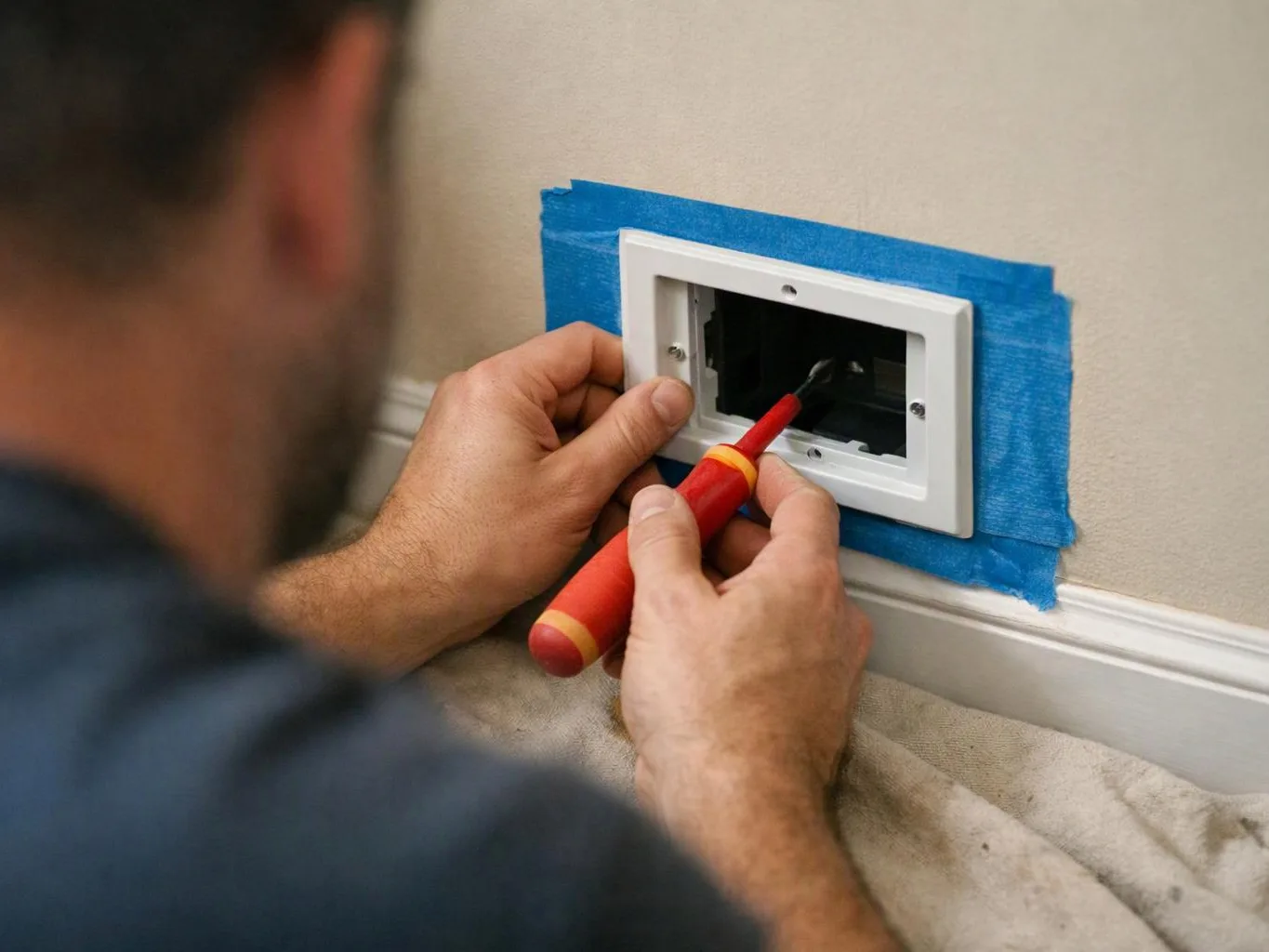
DIY electrical work may be reasonable only when the task is clearly low risk, the power can be safely isolated, and you understand the instructions and limits of the work.
Read the instruction manual before touching a visible electrical component. Do not proceed when the wiring, grounding connection, junction box, or power source is unclear.
DIY Electrical Repair Advantages
DIY work is best for a simple, clearly identified task that does not require energized testing or changes inside an electrical panel.
Best for Simple, Clearly Identified Tasks
Simple electrical replacement is best suited to visible damage, complete manufacturer instructions, and a safe power shutoff.
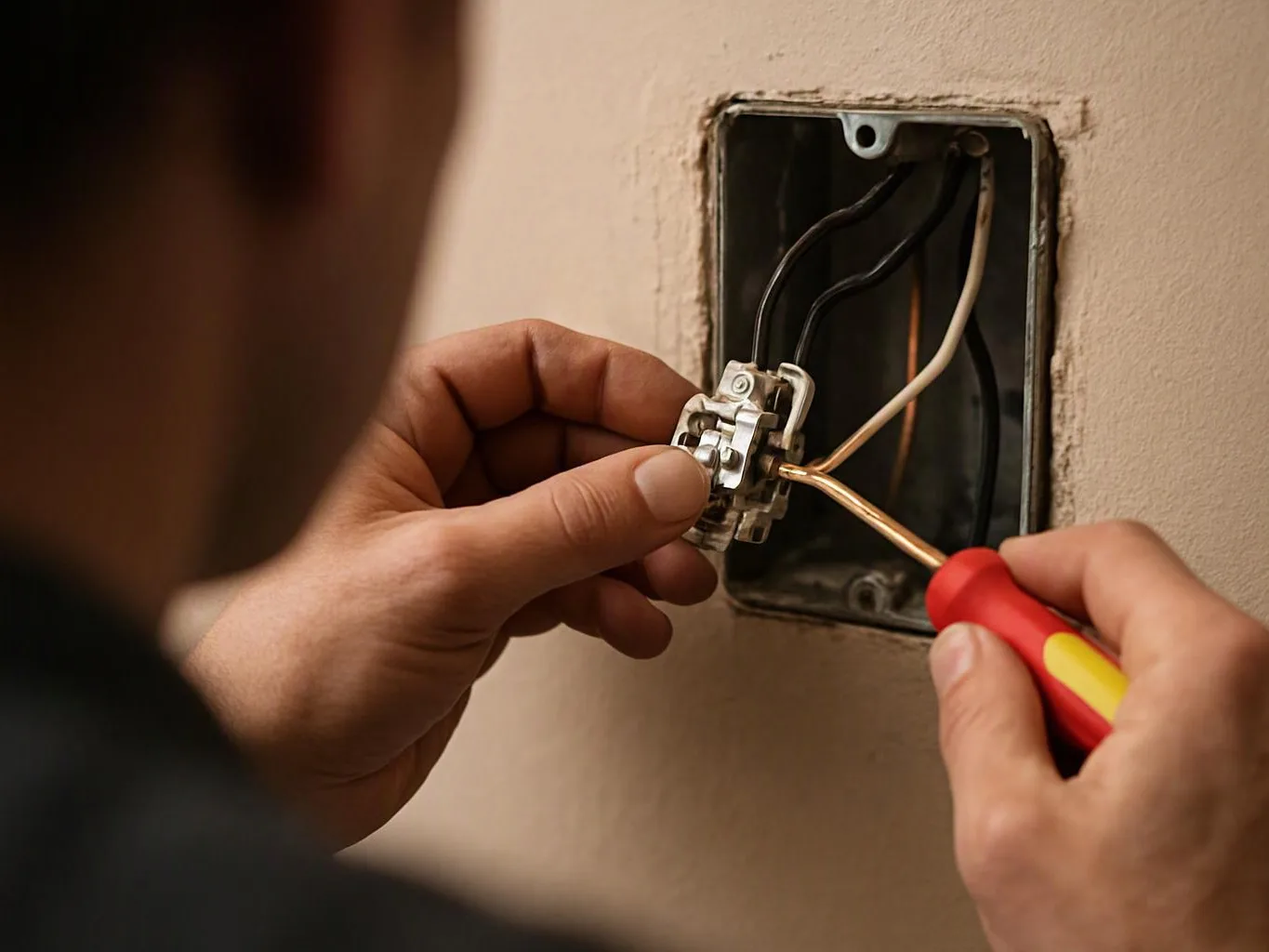
Stop when the replacement exposes hidden wiring, a damaged wire, an unclear connection, or a condition that does not match the instructions. We can inspect the issue and explain the repair needed.
When Hiring Cincelux Electric Is the Safer Choice
Hiring Cincelux Electric is the safer choice when the cause is uncertain, the repair reaches inside a panel, wiring must be altered, or the electrical fault creates an immediate hazard.
Electrical troubleshooting helps separate a failed device from a circuit problem. We test the affected circuit, inspect accessible wiring, and identify the fault before completing the repair.
Our team handles 24-Hour Emergency Electrical Repair when urgent electrical conditions require prompt attention.
Hiring an Electrician Advantages
Professional electrical repair is best for faults that affect safety, circuit performance, or wiring quality.
Best for Faults That Require Diagnosis or Wiring Work
Electrical wiring work is best for intermittent power loss, an overheating outlet, a tripped circuit breaker, damaged wiring, or an issue involving the electrical panel.
We use circuit testing and wiring inspection to locate the problem before selecting replacement components. Repeated symptoms can signal a hidden electrical fault that a visible replacement will not correct.
What Changes the Cost of DIY Repair Versus Professional Electrical Work?
The cost changes with the fault location, repair scope, access to the wiring, parts required, and whether the issue affects one circuit or multiple circuits; Cincelux Electric provides Free Estimates Available.
DIY work may still involve replacement parts, tools, and the risk of correcting an incomplete diagnosis. Our estimate considers the electrical panel, wiring access, circuit condition, testing, and the work needed to restore safe operation.
Request an estimate after describing the symptoms and affected equipment. That information helps us determine what the repair includes.
What Changes the Time Required for This Electrical Repair?
The time required changes with the difficulty of diagnosing the fault, access to the wiring, replacement components, and the complexity of the affected circuit.
Electrical diagnosis may take longer when symptoms are intermittent or when the fault is behind finished surfaces. We explain the work sequence after circuit testing and inspection identify the repair scope.
How Cincelux Electric Approaches Electrical Troubleshooting and Repair
Our electrical troubleshooting process connects the reported symptom to circuit testing, wiring inspection, and a clear repair estimate.
Why Cincinnati, Ohio Conditions Can Affect Electrical Repairs
Thunderstorms and lightning can make surge-related faults relevant in Cincinnati, Ohio, while freezing, wet conditions, and corrosion can affect exterior wiring, outlets, and electrical equipment.
In Hamilton County, recurring thunderstorms and lightning can expose electrical systems to power surges, outages, and urgent faults. We check for surge damage when a problem follows a storm.
Freezing, icing, and freeze-thaw conditions can stress exterior electrical installations and underground wiring. Our team considers damaged outdoor wiring and underground access when symptoms involve exterior equipment.
Humid and wet conditions can contribute to corrosion at exposed connections, outlets, and electrical equipment. We treat moisture exposure as an electrical safety concern before testing or repair.
When Should You Stop DIY Electrical Work?
Stop DIY electrical work when you see sparks, smell burning, feel heat or shock, find water near electrical equipment, see exposed wiring, or experience repeated breaker trips.
A burning smell or warm outlet can indicate overheating. We inspect the outlet, wire, connection, and circuit before power is restored.
Water near electrical equipment creates an immediate electrical hazard. Do not touch wet equipment; contact us for emergency electrical repair.
How Do You Choose the Safer Repair Option?
The safer repair option depends on repair risk, fault certainty, power isolation, and whether the work requires electrical panel access.
What Should You Tell Cincelux Electric About an Electrical Problem?
Tell Cincelux Electric what failed, which outlet or circuit is affected, whether a breaker tripped, and whether the problem followed a storm, moisture exposure, or earlier repair.
Describe the electrical symptoms in plain words. Include whether the issue is constant or intermittent and whether other equipment lost power.
Our team uses that history to plan circuit testing and focus the wiring inspection. Clear details also help us prepare an accurate repair estimate.
Questions About DIY Electrical Repair and Licensed Electricians
Can I troubleshoot an electrical problem before calling Cincelux Electric?
Yes, you can record symptoms, identify the affected outlet, and note breaker activity without opening wiring or touching energized components. Cincelux Electric uses that information to guide safe electrical troubleshooting.
What electrical problems should never be repaired as a DIY project?
Electrical problems involving live circuits, exposed wiring, burning odors, sparks, water exposure, overheating, repeated breaker trips, or an electrical panel should not be handled as a DIY project.
Is a tripped circuit breaker a sign that I need an electrician?
A single trip may follow a temporary overload, but a repeated breaker trip needs electrical troubleshooting. Repeated trips can point to damaged wiring, an overloaded circuit, or another fault that we should test.
What information should I provide when requesting an electrical repair estimate?
Provide the failed device, affected outlet or circuit, breaker activity, visible damage, recent storm or water exposure, and any earlier repair history. Those details help us assess the repair scope and prepare the estimate.
Electrical repair is safer when the work matches your ability to isolate power and identify the fault. Contact Cincelux Electric when the issue involves wiring, breakers, panels, hidden faults, or an immediate electrical hazard.
Related Resources
How Much Does a 24-Hour Emergency Electrician Cost in Cincinnati?
What It CostsElectrical Troubleshooting and Circuit Breaker Repair: Cost and Process
What It CostsHow Much Does It Cost and How Long Does It Take to Rewire a House?
How to HireHow to Choose a 24-Hour Electrician in Cincinnati