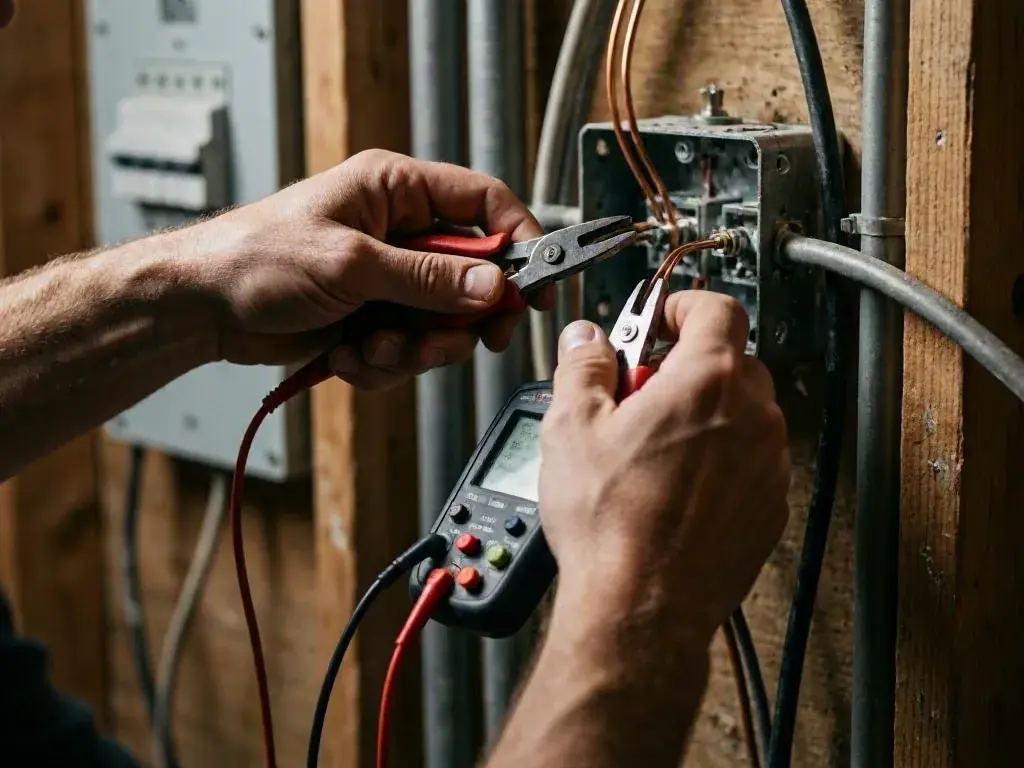
What to Do During an Electrical Emergency Before Help Arrives
Electrical emergency safety tips can lower injury and fire risks. Move away from danger. Don't touch powered equipment. Shut off power only when it's safe. Keep water away from electricity. Call a qualified emergency electrician. Don't inspect smoke, sparks, burning smells, exposed wires, or repeated breaker trips yourself.
Get a Free EstimateWhat to Do First When an Electrical Emergency Happens?
Electrical emergency response starts with personal safety. Move people and pets away. Don't touch the suspected electrical source. Call emergency services for fire, heavy smoke, injury, or danger. Turn off the affected circuit only when the area is dry and clear. Never approach powered equipment or use water.
At ElectricianCincinnatiOH.com, we help people choose safe steps while help is coming. Stay calm and keep everyone back. Electricity can travel through metal, water, damp floors, and damaged parts.
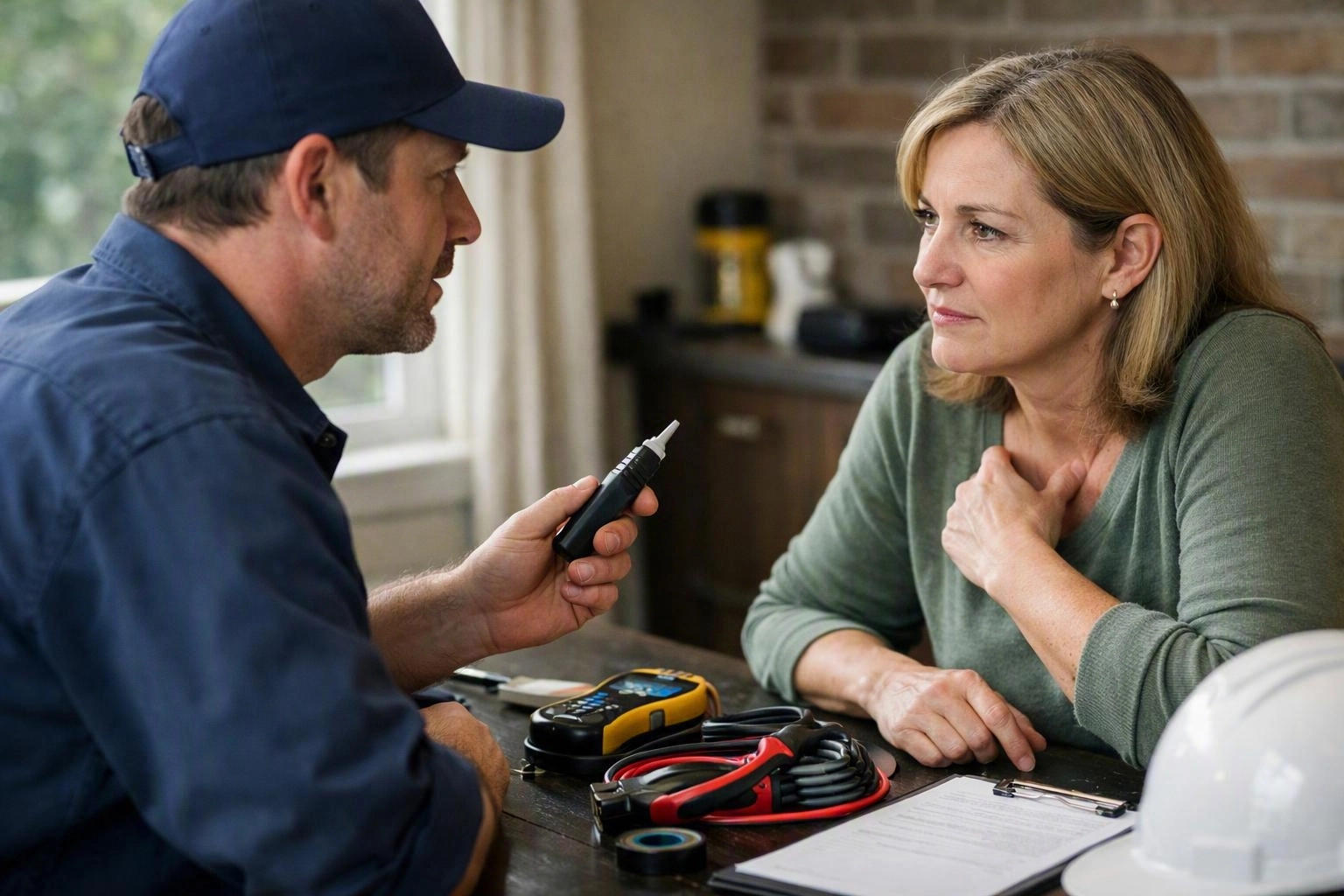
Renters should tell the property manager after calling emergency services when needed. Don't wait for approval during fire, injury, or immediate danger. A simple exit plan should include a meeting place. It should also include help for anyone who can't use stairs quickly.
For urgent hazards, our 24-Hour Emergency Electrical Repairresponse puts safety first. We isolate the problem instead of asking people to find the cause.24 Hour Electrician may need access to the panel. No one should enter a dangerous area to prepare it.
How to Handle a Smoking, Sparking, or Wet Electrical Outlet?
A smoking or sparking outlet may have an arc, overload, loose connection, or damaged wire. Stay away. Unplug an appliance only when it's clearly safe. Turn off the circuit from a dry, easy-to-reach place. Don't touch an outlet near water. Leave the area and call for help.
If you're deciding what to do if an outlet is smoking, treat smoke as a fire warning. A burning smell also needs care. Move away and keep the door closed as you leave. Call emergency services if smoke continues, flames appear, or anyone is hurt. Never spray water on an outlet.
For what to do when an electrical outlet sparks, don't touch the outlet, plug, cover, or appliance. Turn off the breaker only when you can reach it safely. Don't cross wet or smoky areas. A sparking outlet still needs a professional check after the sparks stop.
For what to do if water is near an electrical outlet, avoid the water. Don't step across it to reach a plug or panel. Water can carry electric shock. Leave the area and call for help. A GFCI outlet may trip in a wet place. Its reset button isn't safe to touch on a damp device.
Don't use a smoking outlet, sparking outlet, or outlet with a cracked cover. An electrical arc creates strong heat. That heat can damage nearby parts. Our services support safe shutoff, inspection, and repair. They aren't meant for risky do-it-yourself tests.
Unplug an appliance only when the plug and floor are dry. There must be no smoke, heat, or visible damage. Stop if the plug is stuck. Stop if the cord is damaged. Never pull a plug by its cord. Don't touch a GFCI receptacle in standing water.
How Electrical Emergency Services Restore Safety?
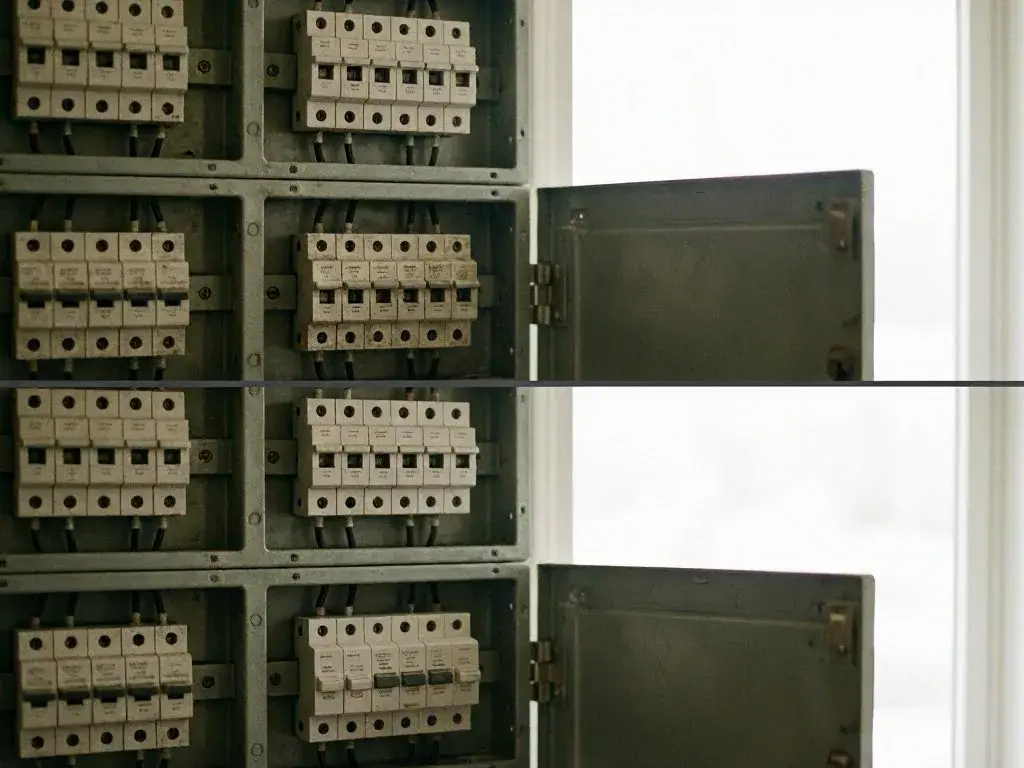
Emergency electrical service restores safety by shutting off the failed circuit. The electrician then finds the fault. They repair or replace damaged parts. They test the system before restoring power. A qualified electrician can check breakers, outlets, wires, and GFCI protection safely.
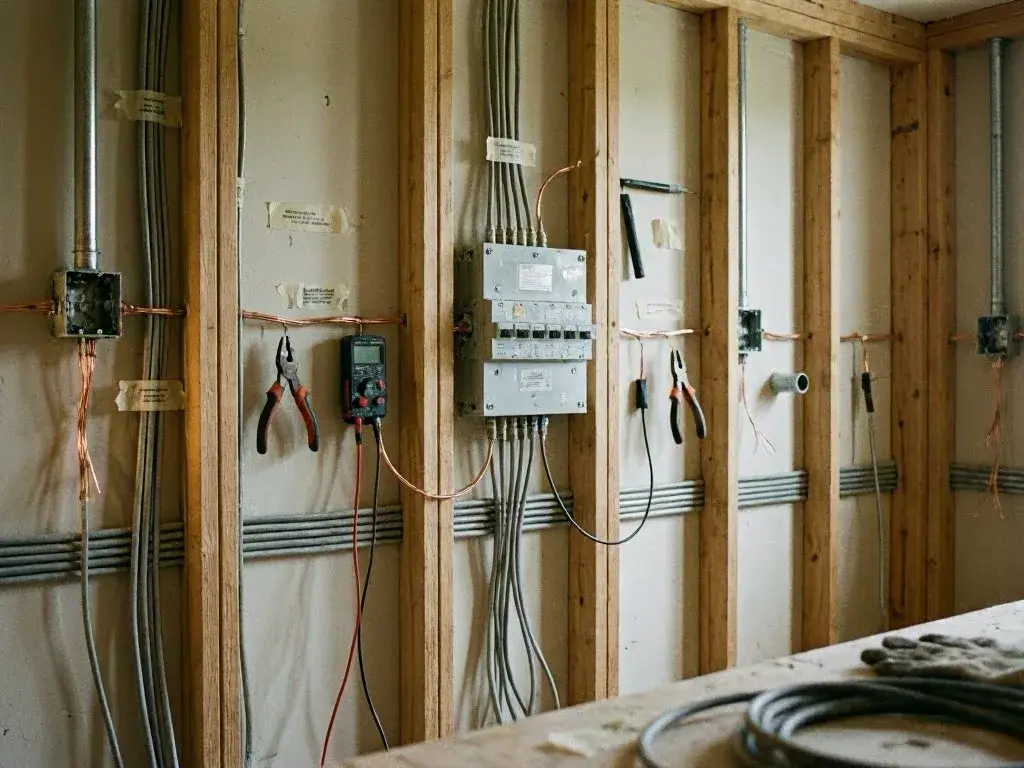
During 24-hour emergency electrical repair, the technician may check the panel, connections, outlets, cables, and safety devices. Electrical troubleshooting helps separate a bad appliance from a wiring fault. It can also find a short circuit, overload, or damaged breaker.
Power should return only after unsafe parts get repaired or removed. The system must also pass the needed checks. GFCI outlet repair may help when ground-fault protection fails or won't reset.electrical inspection can find heat damage that isn't easy to see.
Most urgent visits involve one to three affected circuits. The amount of work depends on the damage. We explain the risk and repair steps. Wet surfaces, blocked panels, or powered wires can limit the work.
Typical Safety Outcomes After Professional Electrical Response
Professional electrical response turns an unsafe problem into a checked condition. The team isolates the circuit. They find the fault. They remove damaged parts from use. They restore power only after safety checks.
These are common steps, not promises for every property. A larger event may affect several circuits. It may also involve hidden wires, fire damage, or equipment that must stay off.
| Before professional response | Typical safety outcome | Why it matters |
|---|---|---|
| Uncontrolled electrical hazard | Circuit isolation | Reduces contact with energized equipment |
| Unknown fault | Fault diagnosis | Guides the correct repair |
| Damaged outlet, wire, or device | Unsafe hardware removed from service | Limits repeat heating and arcing |
| Power left off after an incident | Safe power restoration | Returns service after testing |
After a safety event, power may return only to safe circuits. Technicians may leave damaged parts disconnected. They may need replacement parts or more building repairs.
Lower Injury Risk Through Immediate Isolation
Immediate electrical isolation lowers injury risk. It separates people from a powered circuit before anyone checks the fault. Move away first. Keep others out. Use the breaker only from a dry, clear, easy-to-reach place.
A powered circuit can cause shock through direct contact. It can also cause shock through a metal object. Don't approach a panel that is wet, hot, blocked, damaged, or near smoke. Emergency services or a qualified electrician should shut it off then.
A first response may shut off one breaker within minutes. This is possible when the panel is safe to reach. Timing can vary. Don't restore power to see if the problem stopped.
Reduce Fire Risk by Addressing Overheating and Arcing
Stop using equipment with heat, an electrical arc, smoke, or a burning smell. Keep paper and other items away. Don't open walls or remove outlet covers. Don't inspect hidden wires during an active hazard.
An electrical fire can start with a loose connection, bad insulation, overload, or arc fault. Each problem can create heat. A burning smell may continue after sparks stop. The area still needs a professional check.
A small damaged connection may heat one receptacle. A fault in the wiring may affect several rooms. This example shows why the danger can vary. Leave the building and call emergency services when smoke or flames appear.
Protect Appliances with Controlled Power Restoration
Controlled power restoration protects appliances. Damaged circuits stay off until a technician checks the voltage and wires. Don't turn equipment back on after an outage if there was smoke, sparking, water, a burning smell, or a breaker trip.
A power surge can damage electronics without starting a fire. Damage may affect controls, cords, or parts inside the appliance. These problems can create another hazard when power returns.
Technicians restore power in stages. They watch for odd voltage, heat, or new trips. The process may test one circuit at a time. The number of tests depends on the panel and the event.
Improve Fault Detection with Electrical Troubleshooting
Electrical troubleshooting helps find the source of a problem. The source may be a breaker, short circuit, loose connection, damaged outlet, appliance, or wire. The goal is to find the cause without exposing people to powered parts.
A breaker is a safety device. It stops unusual current. Repeated trips are a warning. They aren't a challenge to keep resetting. Leave the breaker off. Report what was plugged in or running.
Common checks include a visual review, safe testing, connection checks, and load checks. Simple fault checks often start with one to three likely points. Hidden damage may need a wider inspection.
Restore Shock Protection with GFCI Outlet Repair
GFCI outlet repair restores protection when an outlet won't reset. It can also help when the outlet trips without a clear cause. Heat or damage also needs a repair. Keep the device off and dry until a qualified electrician checks it.
GFCI protection matters in wet places. It can stop power when current takes an unsafe path. A reset button doesn't make a wet, cracked, loose, or burned outlet safe.
A typical repair may involve one receptacle and its connections. The technician may check nearby devices and wires when several outlets trip together. Don't replace a GFCI outlet while the circuit may still have power.
Questions About 24 Hour Electrician
What Should I Do if an Outlet Is Smoking?
Move away and keep children and pets out. Don't touch the outlet. Don't use water. If the panel is dry, clear, and safe to reach, turn off the breaker. Then call a qualified electrician.
What Should I Do When an Electrical Outlet Sparks?
Don't touch the outlet, plug, or appliance. Move away. Turn off the circuit only when the breaker is dry, clear, and safe to reach. Leave the circuit off. Arrange an emergency electrician visit for warmth, color changes, smoke, or repeated sparks.
What Should I Do if Water Is near an Electrical Outlet?
Don't step through the water. Don't touch the outlet, cord, plug, or nearby panel. Leave the area and keep everyone away. Call emergency services for immediate danger. Call an electrician to check the outlet and wires before power returns.
How Do You Stay Safe During an Electrical Emergency?
Move people and pets away. Avoid powered equipment. Keep water away. Shut off power only from a dry, clear place. Call emergency services for fire, heavy smoke, injury, exposed wires, or immediate danger. Otherwise, keep the area closed off and contact a qualified electrician.
Should I Turn off the Breaker if an Outlet Is Sparking?
Turn it off only when the breaker is dry, easy to reach, and away from smoke, flames, water, or damage. Never cross wet ground. Don't touch the outlet first. If the panel is unsafe or blocked, leave and call emergency services or an electrician.
When Should I Call an Emergency Electrician?
Call an emergency electrician for smoke, sparks, burning smells, repeated breaker trips, exposed wires, damaged outlets, or wiring faults. Call for lost power after a safety event. Call emergency services first for fire, heavy smoke, injury, exposed wires, or immediate danger.
Keep the area closed off until a qualified electrician confirms the repairs are done. They must also finish testing. If you need help choosing the safest next step, contact our team through our contact page.
24-Hour Emergency Electrical Repair in Cincinnati is available for urgent hazards. We focus on safe shutoff, careful checks, repairs, and controlled power restoration.
Related Resources
How Much Does a 24-Hour Emergency Electrician Cost in Cincinnati?
24 hour emergency electrician cost Cincinnati
What It CostsElectrical Troubleshooting and Circuit Breaker Repair: Cost and Process
electrical troubleshooting and circuit breaker repair cost
Compared ToEmergency Electrician vs. Regular Electrician: Which Should You Hire?
emergency electrician vs regular electrician
How It WorksPower Restoration for Homes: What an Electrician Does and How It Works
electrician power restoration process Cincinnati