What to Do When Your Fuse Box Keeps Blowing Fuses
A fuse box keeps blowing fuses when a circuit draws too much power. Common causes include overloads, short circuits, ground faults, damaged appliances, and old wiring. Don’t use a larger fuse or keep resetting the same circuit. Turn off affected equipment. Seek emergency electrical repair if you smell burning, see smoke, hear sizzling, feel heat, or lose power often. An electrician can find the fault and fix it safely. They can also check if an old fuse box needs a safer electrical panel. ElectricianCincinnatiOH.com helps readers choose a safe next step when electrical problems return.
Get a Free EstimateWhy Does My Fuse Keep Blowing?
A fuse that keeps blowing usually points to too much current or a circuit fault. Common causes include overloaded outlets, short circuits, ground faults, bad appliances, loose connections, and old wiring. The fuse stops the current to help lower fire risk. Replacing it again won’t fix the real problem.
A blown fuse is a safety failure caused by too much current. A fuse box is also called a fuse panel or fuse board. The fuse opens the circuit before wires become dangerously hot. One appliance, several large loads, or hidden wire damage can affect a branch circuit.
Older homes may need a closer check. New appliances may use old wires, fuse holders, or service wires. Age alone doesn’t mean the system needs replacement. The wiring, grounding, connections, and service size matter more.
Common Causes of Repeatedly Blown Fuses
These faults may look alike. Each one needs a different repair. Stop using the load if the fuse fails again.
A bad appliance can also cause a fuse to blow. This may happen when its motor starts. It may also happen when its inner insulation fails. Extension cords can add risk. A long or thin cord may heat under load. Electrical testing is needed when the cause isn’t clear.
When Does a Blown Fuse Become an Electrical Emergency?
A blown fuse is an electrical emergency when smoke, burning smells, sparks, buzzing, or heat occurs. Melted parts or repeated power loss also need urgent help. Turn off the circuit if it’s safe. Keep people away. Don’t touch damaged parts. Contact an emergency electrician instead of replacing fuses again.
Call for 24-hour emergency electrical repair when the box feels hot. Call when a fuse holder looks dark or damaged. Call when power fails again right away. Leave the building if you see active smoke or fire. Contact emergency services. Don’t open covers or pour water on electrical equipment.
Children, renters, property managers, and homeowners should follow the same safety rule. A safe shutdown is better than an experiment. Renters should tell the landlord or manager after reaching safety. Property managers should block access and call a qualified electrician. Homeowners shouldn’t treat repeated failures as normal.
Warning Signs You Should Not Ignore
Any of these signs can require a professional check. This is especially true near the fuse box or a large appliance.
A quiet period doesn’t mean the danger is gone. Heat and sparks can return when the load starts again. Keep children and pets away until an electrician checks the equipment.
Should I Replace a Fuse That Keeps Blowing?
A fuse that keeps blowing shouldn’t be replaced again and again. Find the cause first. A homeowner may replace one fuse with the exact same type and amperage. This is only safe when the box and circuit look undamaged. Never use a larger fuse, bypass the fuse, or use metal. These actions can overheat wires and cause a fire.
The correct fuse rating protects the circuit from too much current. A plug fuse, cartridge fuse, or main service fuse must match the equipment. It must also match the maker’s instructions. A larger fuse may let unsafe current pass through the wiring.
Before replacing a fuse, unplug the suspected appliance if it’s safe. Look for smoke, heat, melting, or loose parts. Don’t touch damaged areas. If one exact replacement works once, watch the circuit closely. Arrange an inspection if the fuse fails again. For safe Fuse Box Repair in Cincinnati, an electrician can check the holder, wires, load, and connections.
We may suggest repair, appliance service, or a safer electrical panel. A 24 Hour Electrician is the right choice when warning signs make waiting unsafe.
How an Electrician Finds the Fault?
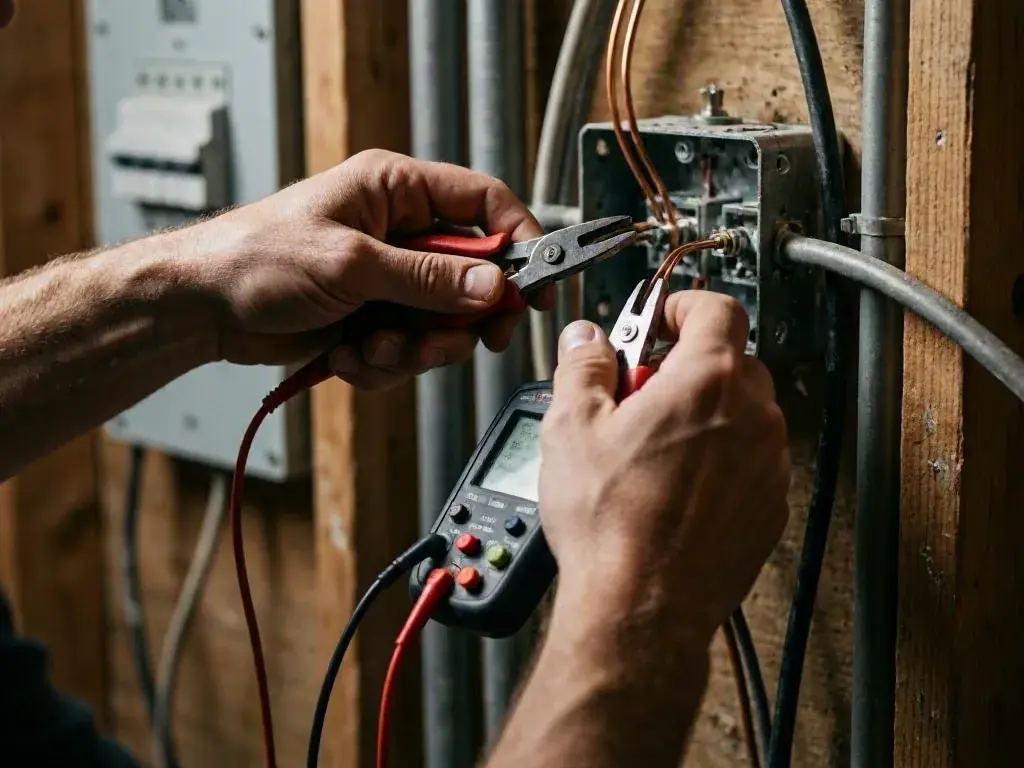
Electrical troubleshooting finds the cause of repeated fuse failures. An electrician checks the circuit, fuse rating, and connections. They test wires and outlets. They also inspect appliances and measure current with proper tools. The fault must be fixed before power returns.
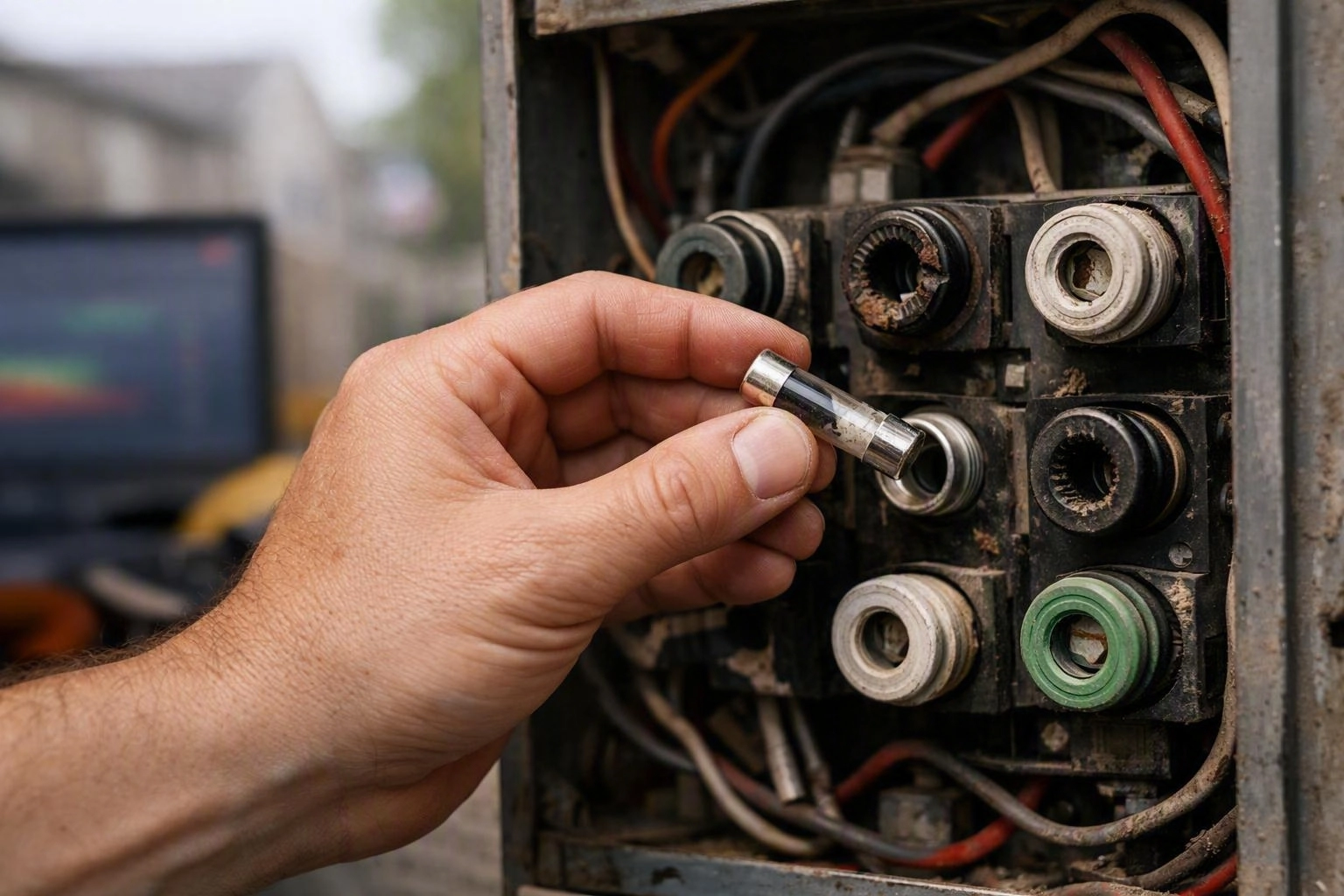
Older fuse boards may take longer to check. They may contain hidden splices or mixed wiring. Several rooms may also share one circuit. A simple visit often takes one to three hours. Hidden damage or many loads can take longer.
Our team records where the fault occurs. We also check if a load review is needed. Testing is safer than installing fuses again and again. Don’t rely.new circuit breaker without checking the wiring first.
Does an Old Fuse Box Need to Be Upgraded?
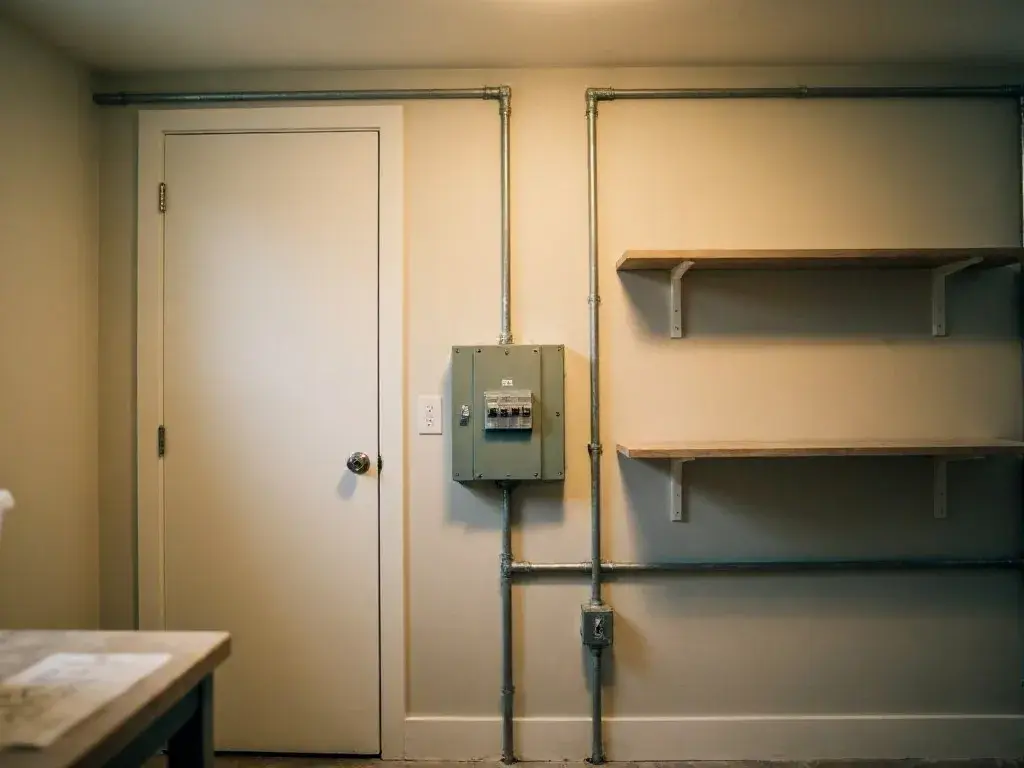
An old fuse box may need an electrical panel upgrade. This can happen when it lacks enough capacity for today’s loads. Damaged parts, corrosion, poor grounding, or rare fuse types can also require an upgrade. Age alone doesn’t decide the issue. An electrician should check the service size, wiring, loads, and safety risks.
A modern electrical panel can make circuit control easier. It can also support current safety parts. Still, a panel upgrade won’t fix every blown fuse. The electrician must check the service, branch wires, grounding, and service entrance wires. Large appliances may need new circuits or more capacity.
Some older homes have safe fuse panels. They may have the right fuses and sound wiring. Other homes have rust, overloaded holders, poor grounding, or damaged wires. New remodeling work may also connect newer circuits to old equipment.
We explain if you need repair, rewiring, load changes, or a full electrical panel upgrade. The goal is safe work based on the system’s condition.
How to Prevent Your Fuse Box from Blowing Fuses Again?
Preventing blown fuses starts with finding and fixing the first fault. Spread large appliances across proper circuits. Stop using damaged equipment. Keep fuse ratings correct. Don’t overload extension cords. Arrange an inspection when failures return. You may need a panel upgrade or wiring repair.
Simple habits can lower stress on your electrical system. They can’t fix a weak connection or bad appliance. Don’t use heat-producing appliances with linked extension cords. Don’t use equipment with damaged plugs or cords.
Keep the fuse box clear and easy to reach. Label each circuit after work is done. Stop troubleshooting if the same fuse fails again. Arrange professional service instead.
Questions About 24 Hour Electrician
Can a Blown Fuse Cause a Fire?
A properly rated fuse usually lowers fire risk by stopping excess current. Fire can still result from bad wires, loose connections, damaged holders, or sparks. An oversized or bypassed fuse can also cause fire. Smoke, heat, scorch marks, or a burning smell need quick shutdown and urgent help.
How Do I Know if My Fuse Box Is Unsafe?
Warning signs include heat, rust, melted parts, scorch marks, buzzing, sizzling, smoke, and repeated fuse failure. Electric shocks, missing covers, or wrong fuse ratings also signal danger. Keep people away and contact an electrician when these signs appear.
Can a Bad Appliance Keep Blowing a Fuse?
Yes. A failing motor, heater, compressor, cord, or insulation can draw too much current. It can also cause a short or ground fault. Unplug the appliance if it’s safe. Don’t keep replacing the fuse. Have the appliance and circuit tested apart.
How Much Does It Cost to Replace a Fuse Box?
The cost depends on the service size, access, wiring, grounding, permits, and needed repairs. An electrician should inspect the equipment first. Ask for a written work plan before accepting a price. Don’t choose a larger panel without a load review.
What Is the Difference Between a Fuse Box and a Circuit Breaker Panel?
Both protect circuits from too much current. A fuse melts and needs replacement after use. A circuit breaker trips and can usually reset after the fault is fixed. Neither system is safe when overloaded, damaged, poorly grounded, or fitted with wrong protection.
Recurring faults can make it hard to choose the next safe step. Our team can help you decide between shutdown, testing, and urgent service. Contact us through our electrical service contact page.
Related Resources
How Much Does a 24-Hour Emergency Electrician Cost in Cincinnati?
24 hour emergency electrician cost Cincinnati
What It CostsElectrical Troubleshooting and Circuit Breaker Repair: Cost and Process
electrical troubleshooting and circuit breaker repair cost
What It CostsHow Much Does It Cost and How Long Does It Take to Rewire a House?
home rewiring cost and timeline Cincinnati
What It CostsHow Much Does Level 2 EV Charger Installation Cost in Cincinnati?
residential Level 2 EV charger installation cost Cincinnati