Getting Shocked by an Outlet or Appliance in Cincinnati, OH
An electrical shock often means current is escaping through damaged wiring or insulation. Moisture, poor grounding, or missing safety devices can also cause shocks. Stop using the outlet or appliance right away. Don't touch it again. Turn off the circuit only if you can do so safely. Even a small shock can signal a serious fault. Seek medical care for burns, chest pain, weakness, confusion, breathing trouble, or lasting symptoms. An electrician should check the circuit, wiring, grounding, and GFCI protection before use continues.
Get a Free Estimate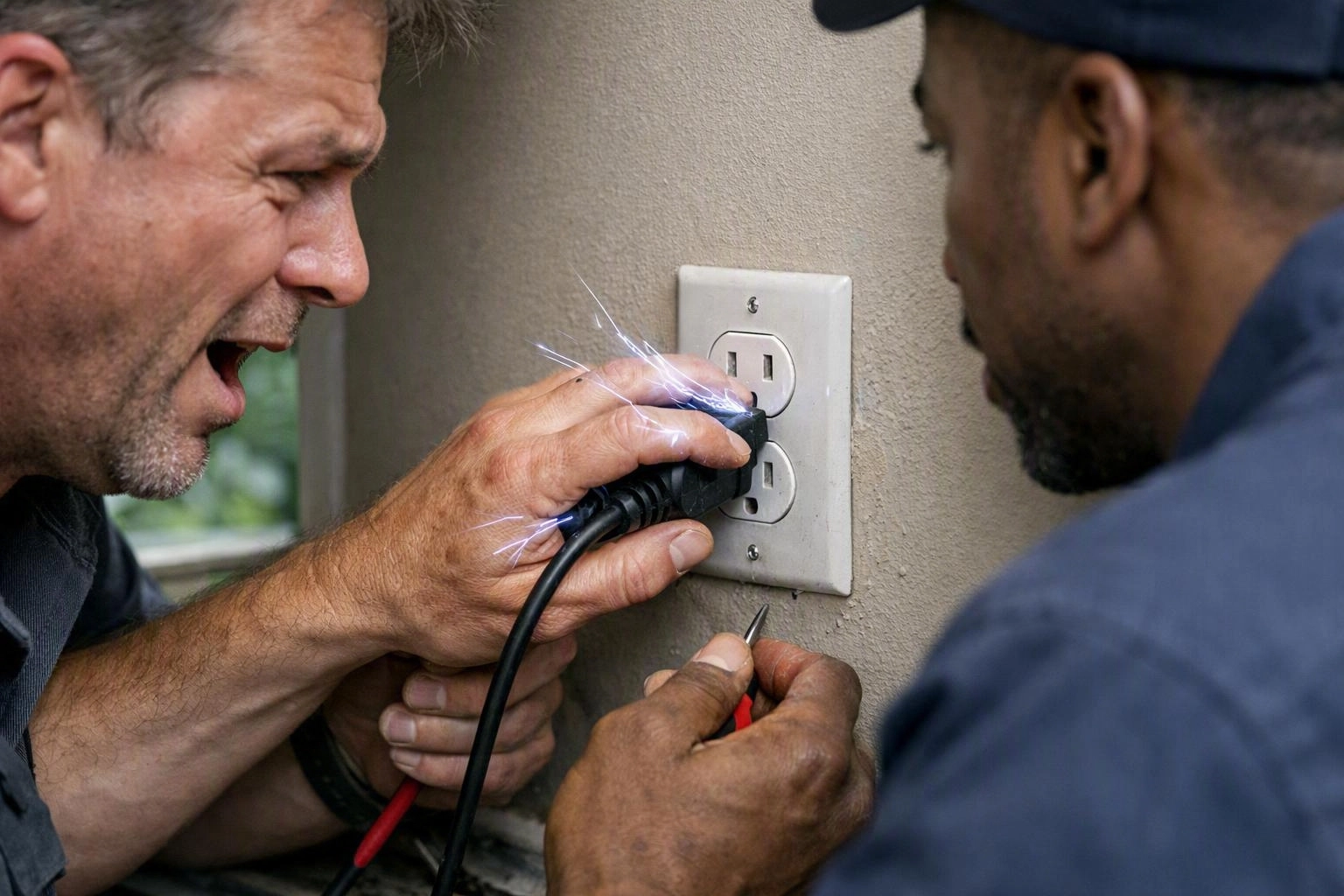
An electrical shock from an outlet or appliance may point to a serious fault. Take safety steps first. At ElectricianCincinnatiOH.com, we help customers choose safe next steps before testing or repairs begin.
Why Do I Get Shocked by an Outlet or Appliance?
Electrical current should stay inside the wiring, appliance, and grounding system. A shock happens when current leaves that path. It may then travel through your body to the ground. Common causes include damaged insulation, faulty wiring, poor grounding, reversed connections, wet areas, and bad appliances. Repeated tingling is a warning. It isn't normal.
A damaged appliance cord can expose wires. It can also send current through the appliance case. Bad insulation inside a washer, refrigerator, lamp, range, or power tool may cause leakage. The outside may still look fine. A loose ground wire can leave metal parts charged. Fault current should flow safely through the grounding system instead.
Moisture raises the risk because water gives current an easier path. Pay close attention near outdoor outlets, garages, basements, kitchens, and bathrooms in Cincinnati, OH. Don't touch a wet appliance or outlet. Power must be safely shut off first.
Older Cincinnati homes may have aging wires or ungrounded outlets. They may also have loose connections or missing GFCI protection. A qualified electrician checks voltage, polarity, grounding, and leakage. Don't assume the outlet caused the problem. The appliance and circuit may both need testing.
Is a Small Shock from a Switch Dangerous?
Yes. A small shock from a switch can be dangerous. It may show a wiring fault, a bad switch, or charged metal. The size of the shock doesn't prove the circuit is safe.
A switch shock may leave a small burn or cause pain. It can also affect the heart, muscles, nerves, or breathing. Don't use the switch again to test it. Move away and keep others clear. Arrange electrical testing.
Seek medical care for chest symptoms, faintness, confusion, or breathing trouble. Get care for a serious burn or lasting pain, too. An electrician should inspect the switch box, wires, grounding, and safety devices.
Signs and Symptoms After an Electrical Shock
Electrical shock symptomsmay include tingling, numbness, pain, muscle tightening, burns, dizziness, confusion, breathing trouble, or chest symptoms. Even a short shock can show a live fault. Move away without touching the source. Get urgent medical help for serious symptoms. Then arrange.electrical inspection.
Don't touch a person who still contacts a live source. Turn off power only from a safe place. Call emergency services for serious symptoms or an unresponsive person.
What Should I Do After Getting Shocked by an Appliance?
After an appliance shock, stop using the appliance and keep others away. Disconnect power only from a dry, safe place. Don't touch the appliance or stand in water. Call emergency services for serious symptoms. Don't keep resetting a tripping breaker. An electrician should test the appliance, outlet, grounding, and circuit.
Take care when turning off an appliance. Leave the breaker off if it trips again. Our team offers 24-Hour Emergency Electrical Repair in Cincinnati. We can help when an urgent fault can't wait.
Most basic troubleshooting visits take about one to two hours. The time may change if a circuit needs opening, rewiring, drying, or load testing. Prices may vary by repair type. They may also change for after-hours service.
Common Causes of Tingling or Shocks from Outlets and Appliances
Common causes include ground faults, loose grounds, damaged wires, worn outlets, bad insulation, and moisture. A qualified electrician must find the fault. Don't assume the outlet or appliance alone caused it.
Winter weather can bring moisture into outdoor electrical parts. Freeze-thaw cycles may also cause damage. Use weather-safe protection near outdoor outlets. Don't assume a dry day removed water from a box or cord.
Can a GFCI Prevent Electrical Shocks?
A GFCI outlet can lower shock risk. It spots a current imbalance and cuts power fast. It doesn't replace good grounding, safe wiring, appliance care, or medical care. Stop using the circuit if the GFCI won't reset or keeps tripping. Schedule testing.
GFCI means ground-fault circuit interrupter. It compares current leaving and returning through the circuit. A small difference may mean current is escaping. The path could include a person, water, damaged insulation, or another object. A GFCI may trip before a standard breaker reacts.
Use the test and reset buttons as the maker directs. Never touch exposed wires during testing. A GFCI may trip because of an appliance, moisture, bad wiring, or another fault. Replacing the device alone may leave the problem in place.
Our electricians can check GFCI protection, grounding, polarity, outlets, and circuit connections. A GFCI offers useful protection. It can't make damaged equipment safe or fix every wiring problem.
How to Prevent Electrical Shocks at Home?
Electrical safety starts with dry equipment, good cords, proper grounding, and working safety devices. Keep outlets and appliances dry. Replace damaged cords and loose outlets. Use GFCI protection where needed. Avoid overloaded circuits. Test safety devices as the maker directs.
Older homes may have two-slot outlets without a safe ground path. Don't install a simple replacement and assume the system is fixed. The right repair may need grounding work, rewiring, or a proper safety device.
When to Call an Electrician in Cincinnati, OH?
Call a Cincinnati electrician if an outlet or appliance shocks you. Call if a GFCI or breaker trips often. Get help for hot or damaged wiring. Also call when you can't find the source of tingling. Testing can find faults before they cause injury or damage.
Electrical testing should start with safety. Our team can shut off the circuit and check voltage. We can inspect the wiring and outlet. We can also find out if the appliance or home wiring caused the fault. Several affected outlets may need a full inspection.
Call promptly for smoke, a burning smell, visible sparks, or water near live equipment. Call for a hot panel or a breaker that won't stay on. For urgent problems, a 24 Hour Electrician can help secure the system. A full repair can follow.
Local conditions can affect the problem. Humidity, wet basements, garages, kitchens, bathrooms, and outdoor equipment matter. Freeze-thaw moisture may matter, too. In Cincinnati, OH, our crews check these conditions. We also consider the home's age and repair needs.
For safe next steps, contact our team through our electrical service request.
Questions About 24 Hour Electrician
Why Do I Get Shocked by an Outlet or Appliance?
A ground fault, bad wiring, damaged insulation, loose ground, moisture, or bad appliance may cause the shock. Stop using the equipment. Have the outlet, appliance, circuit, and grounding tested before using them again.
Is a Small Electrical Shock from a Switch Dangerous?
It can be. A small jolt may show contact voltage from a bad switch, loose connection, or grounding problem. Stop using the switch. Seek medical care for serious or lasting symptoms. Arrange electrical testing.
What Should I Do After Getting Shocked by an Appliance?
Move away without touching the appliance. Keep others away. Turn off the breaker only from a safe, dry place. Call emergency services for serious symptoms. Don't reset a tripping breaker again. Arrange professional testing.
Can a GFCI Prevent Electrical Shocks?
A GFCI can lower shock risk by cutting power after it finds an imbalance. It doesn't replace good grounding, safe wiring, dry conditions, appliance care, or medical care. Repeated trips need testing.
Why Does My Outlet Keep Giving Me a Shock or Tingling Sensation?
A ground fault, open ground, worn outlet, damaged cord, moisture, or bad insulation may cause repeated tingling. Stop using the outlet and connected equipment. A qualified electrician should find the fault. The sensation isn't normal.
Related Resources
How Much Does a 24-Hour Emergency Electrician Cost in Cincinnati?
24 hour emergency electrician cost Cincinnati
What It CostsElectrical Troubleshooting and Circuit Breaker Repair: Cost and Process
electrical troubleshooting and circuit breaker repair cost
What It CostsHow Much Does It Cost and How Long Does It Take to Rewire a House?
home rewiring cost and timeline Cincinnati
Compared ToEmergency Electrician vs. Regular Electrician: Which Should You Hire?
emergency electrician vs regular electrician