Hot, Loose, or Discolored Outlets: Understanding the Warning Signs
A hot electrical outlet may show excess resistance, an overloaded circuit, loose wiring, or damage. Unplug devices from the outlet. Stop using it if it feels hot, loose, or discolored. Also stop use if it buzzes, sparks, or smells odd. A warm outlet can become dangerous as heat rises. It can also signal trouble without a high-load appliance. Don’t remove the cover or repair it while energized. An electrician can check the receptacle, wiring, circuit load, grounding, and GFCI protection. The electrician can then repair or replace unsafe parts.
Get a Free Estimate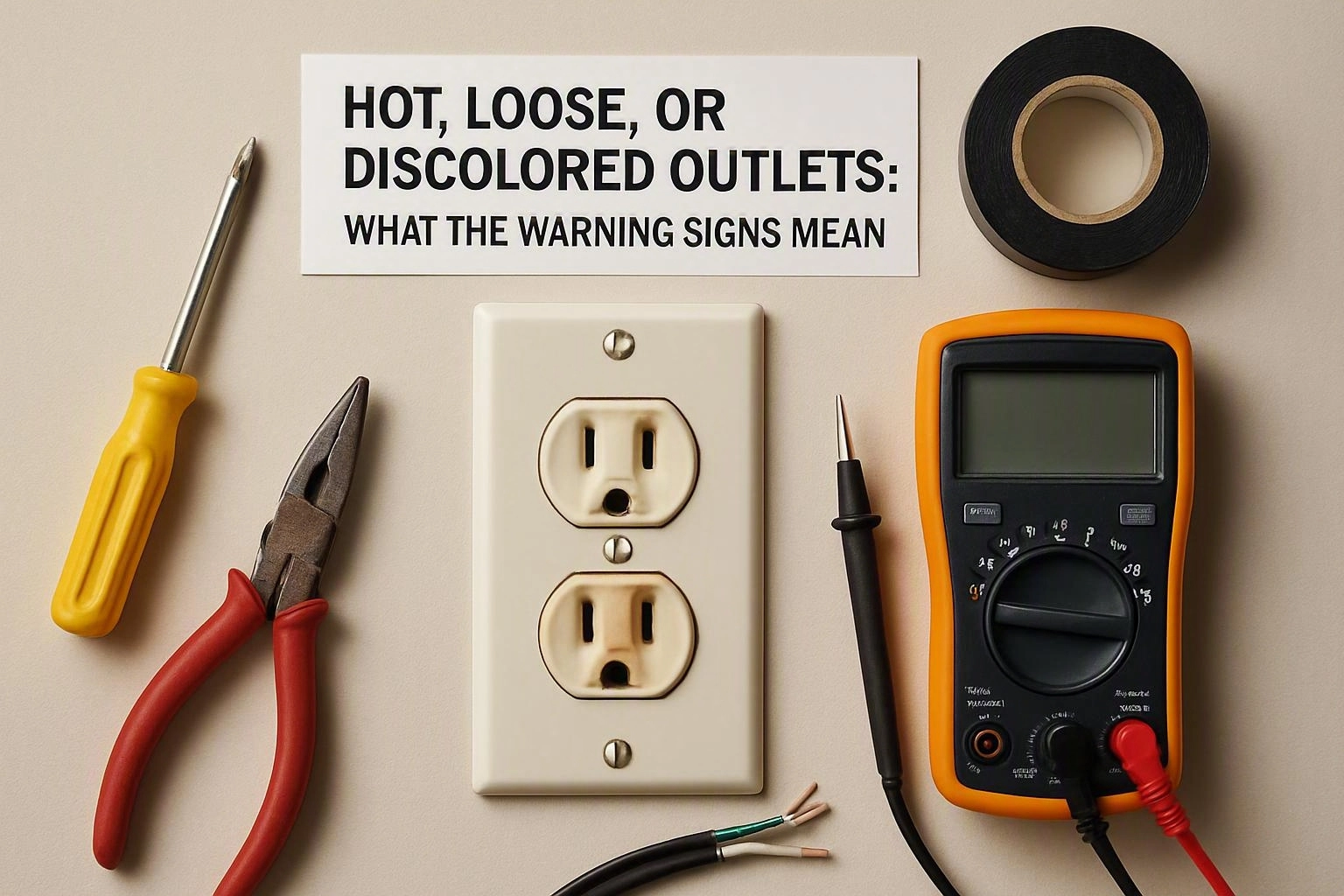
An outlet warning sign can point to a fault that needs safe testing. Don’t use trial-and-error repairs. Renters should tell the property manager right away. Homeowners should stop use and plan an inspection. Keep children away from the area. This matters most when the faceplate is loose, warm, or damaged.
Why Is My Electrical Outlet Hot or Warm?
Hot electrical outlet conditions often show excess resistance, an overloaded circuit, loose wiring, or damage. A high-wattage appliance may make a safe receptacle slightly warm. Unexplained or rising heat isn’t normal. Stop using the outlet and arrange an inspection before heat causes more damage.
Electrical resistance starts when current meets poor contact or damaged parts. Loose wires and weak plug connections can cause it too. This resistance turns electrical energy into heat. A space heater, hair dryer, toaster, or similar appliance can strain a circuit. The circuit may overload even when the outlet looks fine.
Our team checks where the heat starts and how firmly the plug fits. We also check the appliance load and breaker. We inspect terminals and nearby outlets. Heat at one socket often points to loose wiring or damaged contacts. Heat at several outlets may point to circuit trouble. A hot cord or plug may mean the appliance is the source.
Most residential visits include checks of the receptacle, terminal screws, contacts, grounding, and breaker. A typical inspection takes about 30 to 90 minutes. Time depends on access and the number of faults. Don’t open the device while energized.
Signs an Outlet Needs Immediate Attention
Electrical outlet warning signs include heat, burning smells, buzzing, crackling, sparks, smoke, and dark marks. Melted plastic, loose covers, and repeated breaker trips also matter. These signs can show arcing, overheating, or failing connections. Turn off the circuit if safe. Then seek electrical repair instead of testing the outlet again.
Don’t hide marks with paint or a new cover. Leave the building if smoke or flames appear. Also leave if the odor is strong. Contact emergency services in those cases. Otherwise, keep the circuit off and arrange electrical repair.
What Causes an Outlet to Turn Brown or Black?
Discolored outlet damage often comes from overheating, arcing, loose terminals, overloads, or damaged receptacles. Discoloration shows that heat or sparks affected the outlet or cover. Stop using the receptacle. Don’t cover the marks. Have an electrician check the wiring and circuit.
Several problems can cause this damage.
Our team checks whether the mark stops at the faceplate. We also check the receptacle and wiring box. Replacing the receptacle may solve the issue when wiring is sound. Heat-damaged wires need a full wiring check. Don’t reuse the outlet just because it still works.
Is a Warm Outlet Dangerous?
A warm outlet can be dangerous when the heat has no clear cause. It’s also risky when heat lasts, worsens, or comes with other signs. Odors, dark marks, noise, and loose plugs need attention. High-wattage appliances may warm safe connections slightly. Still, a receptacle shouldn’t feel hot. Disconnect the appliance and arrange an inspection.
A heater or cooking appliance may warm the circuit. The plug and receptacle should stay secure and clean. A warm electrical socket with no device connected is more concerning. A hidden connection, nearby wire, or another device may cause the heat.
Heat damage can slowly grow and create a fire risk. Renters should report the problem in writing. Don’t use the socket. Homeowners should move furniture, paper, and children away. A qualified electrician should check the circuit and appliance.
Should I Stop Using a Loose Electrical Outlet?
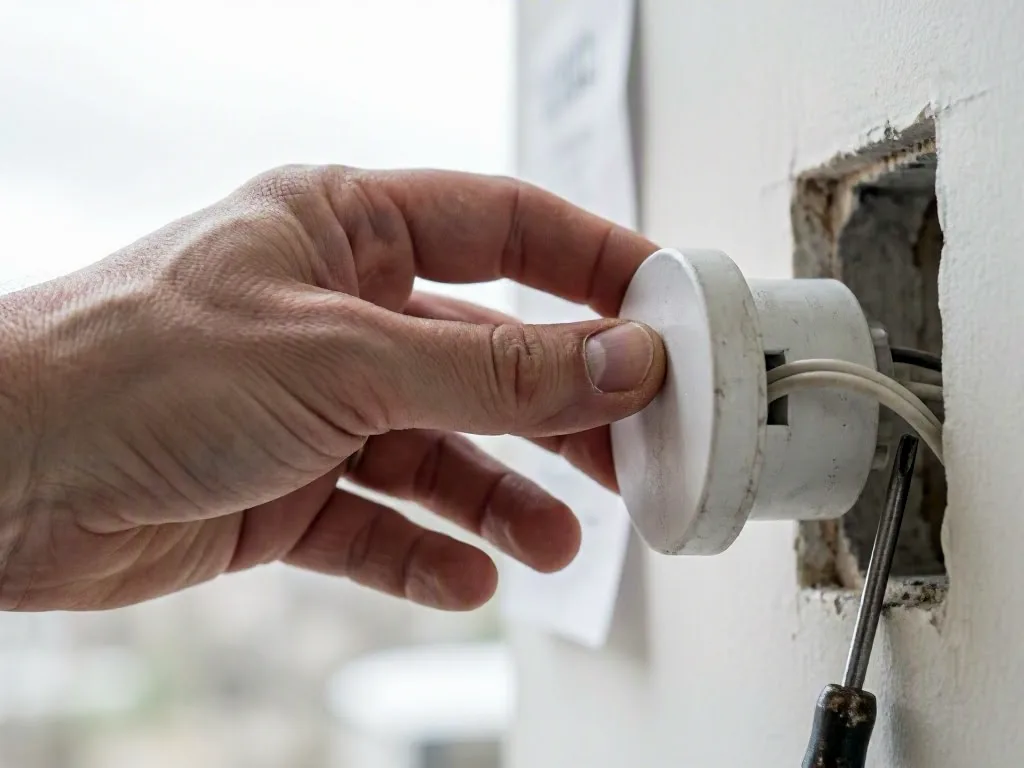
A loose electrical outlet shouldn’t be used until an electrician checks it. Movement can strain wire connections and weaken plug contact. It can also cause arcing and raise shock or fire risks. Don’t hold the receptacle while plugging in a device. Turn off the circuit and arrange repairs.
Loose mounting screws may cause movement. A damaged box or worn contacts can cause it too. Loose wiring behind the device is another cause. Poor plug fit isn’t harmless. A slipping plug can increase resistance and expose live parts.
Our team checks the mounting, box, terminals, grounding, and plug. A qualified electrician may secure the box or replace the receptacle. The electrician may also repair wiring or test the circuit. Never pull the cord. Don’t use an adapter to secure a loose outlet.
How to Respond Safely to a Hot or Damaged Outlet?
Start by unplugging devices only when the plug and plastic are safe. Don’t touch scorched or melting plastic. Leave the area if smoke, sparks, or burning smells appear. Call emergency services when needed. If safe, turn off the breaker and keep people away. Then contact a qualified electrician.
Use 24-Hour Emergency Electrical Repair if heat, smoke, sparks, or burning odors continue. Call then even after power is off. Call if the panel won’t safely control the circuit. We can also check a GFCI outlet or provide GFCI Outlet Repair. This service helps when protection fails or the reset button won’t work. In urgent cases, people may ask for a 24 Hour Electrician. Safety must come first.
Readers seeking 24-Hour Emergency Electrical Repair in Cincinnati can contact our team. We can help arrange an urgent electrical check. Don’t remove the cover or touch exposed wiring. Don’t work inside the panel unless you’re trained and authorized.
How to Prevent Outlet Overheating and Damage?
Match appliances to the circuit’s capacity. Avoid overloaded power strips and extension cords. Replace damaged receptacles and keep plugs secure. Test required GFCI protection. Keep outlets dry and clear. Address repeated breaker trips. Arrange an inspection when heat, looseness, marks, or strange sounds appear.
Use these practical steps.
A tamper-resistant outlet can add protection in some locations. A 15-amp or 20-amp receptacle must match the circuit.electrical inspection helps after breaker trips, remodeling, water exposure, or visible damage. Our team can check the appliance, circuit load, grounding, and safety devices.
Questions About 24 Hour Electrician
Can a Hot Outlet Cause a Fire?
Yes. Excess resistance, loose wiring, overloads, or electrical arcing can create dangerous heat. Heat can damage insulation and ignite nearby items. Turn off the circuit if safe. Keep people away and arrange urgent electrical repair.
How Do You Fix an Outlet That Is Hot to the Touch?
A qualified electrician first makes the circuit safe. The electrician checks the receptacle, wiring, load, breaker, grounding, and appliance. Repairs may include a new receptacle or wiring repair. The electrician may also fix the circuit load or appliance. Don’t repair live wiring.
Why Is My Outlet Warm When Nothing Is Plugged In?
Heat with no device connected may come from loose wiring or a damaged receptacle. A hidden wiring fault or another device may also cause it. Turn off the breaker if safe and arrange an inspection. An empty socket can still have a dangerous fault.
Can a Bad Outlet Cause a Breaker to Trip?
Yes. A damaged receptacle, short circuit, loose wiring, or faulty appliance can trip a breaker. Don’t reset a breaker again and again. Leave the circuit off. An electrician can find the cause.
How Often Should Electrical Outlets Be Replaced?
Outlets don’t have one set replacement schedule. Replace or inspect them when they’re loose, cracked, warm, or discolored. Also act when they spark, buzz, or can’t hold a plug. Moisture damage also needs attention. An electrician can check older devices during remodeling or a home inspection.
Heat, looseness, marks, or noise need careful testing. We can help find the source and suggest the right repair.
Contact our electrical teamRelated Resources
How Much Does a 24-Hour Emergency Electrician Cost in Cincinnati?
24 hour emergency electrician cost Cincinnati
What It CostsElectrical Troubleshooting and Circuit Breaker Repair: Cost and Process
electrical troubleshooting and circuit breaker repair cost
What It CostsHow Much Does It Cost and How Long Does It Take to Rewire a House?
home rewiring cost and timeline Cincinnati
Compared ToEmergency Electrician vs. Regular Electrician: Which Should You Hire?
emergency electrician vs regular electrician