Top Outdoor Lighting Installation Mistakes to Avoid in Cincinnati, OH
Outdoor lighting installation mistakes commonly include improper wiring, incorrect fixture placement, ignoring local Electrical codes, and using incompatible bulbs. These errors can create safety risks, raise costs, and lead to poor lighting speed. To avoid these issues in Cincinnati, OH, hire licensed electricians who know local rules and weather conditions. Proper planning, correct fixture selection, and code-compliant work help create safe, effective outdoor lighting installations.
Why Proper Outdoor Lighting Installation Matters in Cincinnati?
Outdoor Lighting Installation in Cincinnati, OH matters because a bad setup can create safety hazards, code violations, and higher maintenance costs. Local weather and permit rules make the job even more important. A proper exterior lighting installation improves reach, protects wiring, and helps the system last longer.
Good outdoor light setup is more than choosing fixtures that look nice. It needs safe Electrical wiring, the right load planning, strong mounting, and a layout that supports real outdoor lighting safety. If the work is rushed, you may end up with dim paths, glare, tripped breakers, or water damage.
Local conditions make solid work even more important. Cincinnati’s humid continental climate calls for weatherproof fixtures and corrosion-resistant parts. That helps keep moisture from shortening fixture life. Seasonal hail and storms can also damage exposed lights, loosen connections, and create repair problems.
Local Electrical codes may also require Electrical permits for some projects. That means code compliance is part of safe lighting installation. It isn't an extra step. It's part of doing the job right.
Common Outdoor Lighting Installation Mistakes to Avoid
Outdoor Lighting Installation Mistakes often include wiring errors, poor fixture placement, ignoring local codes, and incompatible bulbs, all of which reduce lighting effectiveness and safety. Most of these problems start with weak planning, rushed work, or products not made for outdoor use. Small mistakes can cause bigger trouble later.
These issues show up in many jobs. They affect pathway lighting installation, security lighting installation, and deck lighting installation. In many cases, the problem starts before the first fixture goes up. Homeowners may focus on brightness and miss design, weather resistance, or service access.
That can lead to uneven lighting, early failure, or higher power costs. Another common mistake is treating garden lighting installation like an indoor project. Outdoor systems deal with rain, freeze-thaw cycles, UV exposure, and damage from yard work. The setup must protect Electrical wiring, support bulb compatibility, and account for drainage and fixture angle.
If one part is chosen poorly, the whole system can suffer. You may see flickering, corrosion, or repeated burnout. Those problems rarely stay small for long. They often spread across the system.
Incorrect Wiring and Electrical Connections
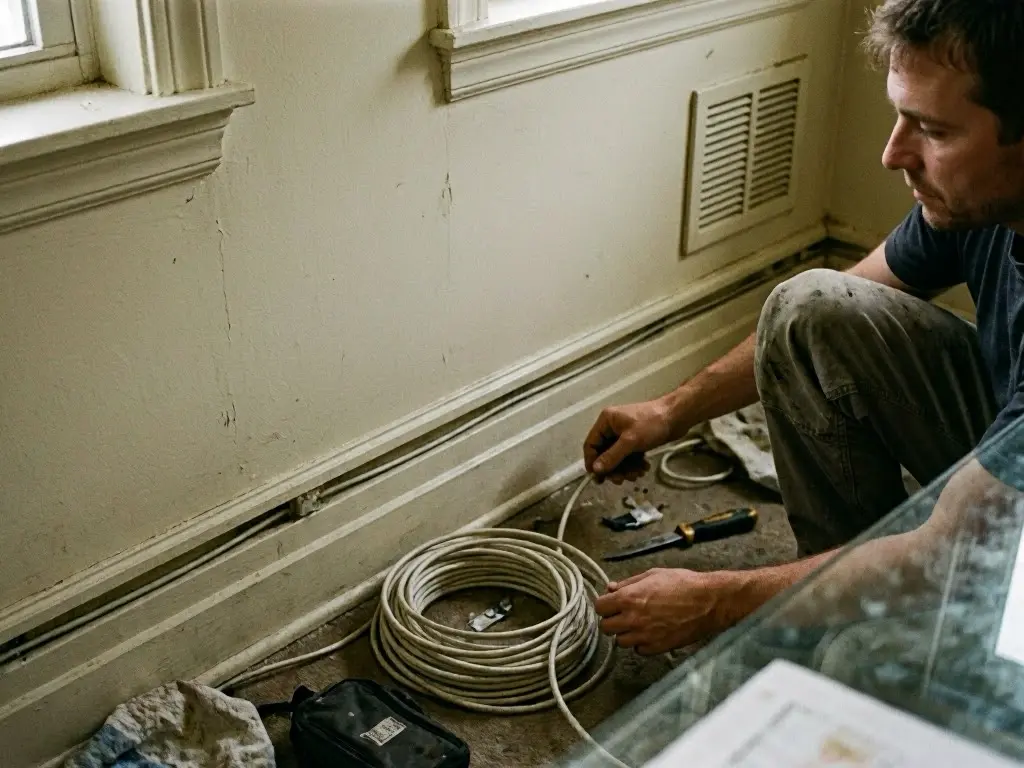
Wiring mistakes are one of the biggest causes of failure in outdoor systems. Loose splices, small conductors, overloaded circuits, and missing junction protection can cause shorts, shock risk, or unreliable speed. These problems happen when someone guesses at power needs or skips proper connection methods. The fix is correct Electrical connections, proper conduit. Rated cable, and tested Electrical wiring methods from a licensed pro.
Poor Fixture Placement and Lighting Design
Fixture Placement errors can make a new system look worse than an older one. Lights aimed too high create glare, and wide spacing leaves dark gaps along walks and entries. Poor lighting design often starts with a layout that ignores how people move through the property. A better plan balances beam spread, mounting height, and the purpose of each area.
Ignoring Local Electrical Codes and Permits
Local Electrical Codes matter because outdoor systems must meet safety standards for grounding, protection, and approved installation methods. Trouble starts when a project is treated like simple DIY work, even though permits may apply. In Cincinnati, permit and inspection rules can affect compliance and future home sale issues. The fix is to check permit needs early. Build the system to current local requirements.
Using Incompatible or Low-Quality Bulbs
Bulbs that do not match the fixture rating or transformer can cause flicker, overheating, poor color, and short life. This often happens after a quick store-bought replacement or a mismatch between LED lamps and older equipment. The fix is checking bulb compatibility, wattage, base type, and enclosed-fixture rating before any light fixture replacement. Quality lamps and rated parts usually save money over time.
Neglecting Weatherproofing and Durability
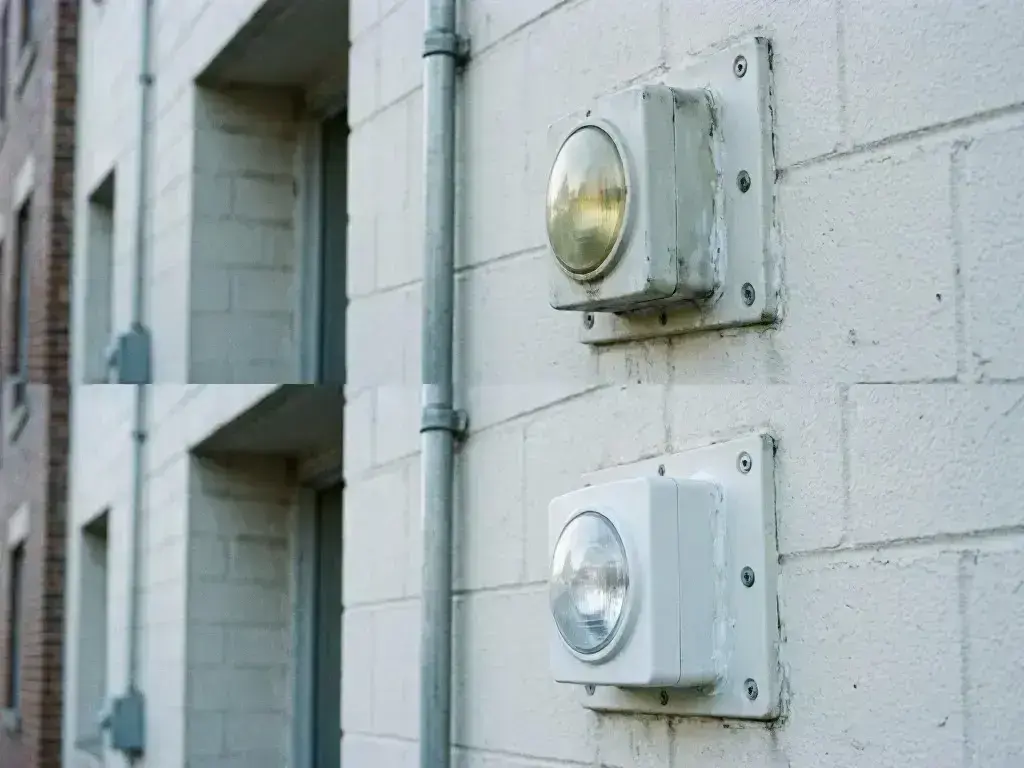
Weatherproofing is essential because outdoor equipment faces moisture, temperature swings, and impact from debris. In this region, humid summers, winter freeze cycles, and seasonal hail can wear down seals, lenses, and metal housings. Problems start when indoor-rated parts are used outside or gasket protection is ignored. The fix is weatherproof fixtures, corrosion-resistant finishes, and sealed boxes built for local weather resistance needs.
Overlooking Landscape Lighting Repair Needs
Landscape Lighting Repair is often overlooked after the first install. Small issues like a leaning stake light, a cut low-voltage line, or a water-filled fixture can spread. This usually happens when lighting maintenance gets delayed because the lights still partly work. Regular inspection, prompt repair, and replacing worn parts can prevent bigger system damage.
One thing matters a lot here. Outdoor Lighting Installation in Cincinnati should be planned around real site conditions, not just fixture style. Soil moisture, drainage, plant growth, and storm exposure all affect long-term speed. A system that looks simple at first can get expensive fast.
Our team sees these problems during broader Electrical services calls. The original installation may look fine, but it wasn't built to last. A smart plan uses approved products, proper spacing, serviceable connections, and a layout that supports future light fixture replacement. That saves time, money, and a lot of frustration.
When to Call a Professional for Outdoor Lighting Issues?
Call a expert for outdoor lighting issues when wiring is complex. Code compliance is unclear, fixtures need replacement, or failures keep returning. A trained installer can find hidden defects, handle permit concerns, and restore safe speed without guesswork.
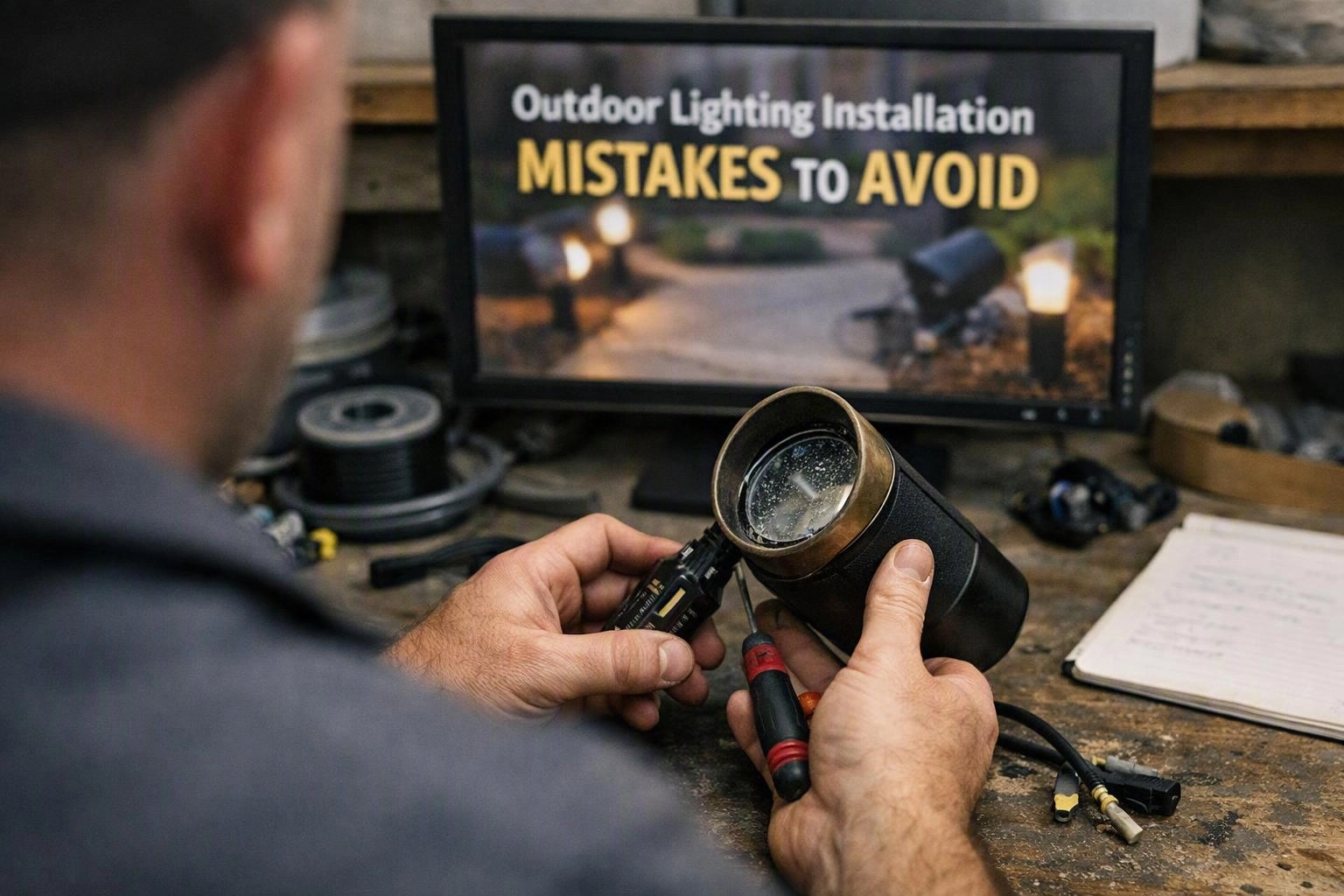
If the problem involves line voltage, hidden splices, or unclear compliance, it's time to call an Electrician. We can inspect the system, explain the safest fix, and complete the work to current standards.
How to Fix Common Outdoor Lighting Installation Mistakes?
Fixing outdoor lighting installation mistakes involves proper wiring, strategic fixture placement, code adherence, using compatible bulbs, and regular maintenance for safe, efficient lighting. Most fixes start with a full inspection. The real cause gets corrected instead of covered up.
When repairs stack up on a poor original install. Replacement may cost less than endless patchwork. We help homeowners choose the safest option. That way, the system performs well and lasts.