How Much Does an Electrician Cost in Cincinnati, OH?
Electrician cost in Cincinnati, OH varies by service type and complexity. Most electricians charge $50 to $100 per hour, and service calls average about $75. Outlet or light fixture installation often costs $100 to $250. Prices may be hourly or by the job, and estimates should include labor, materials, permits, and inspection fees.
Understanding Electrician Costs in Cincinnati, OH
electrician cost Cincinnati OH depends on hourly rates, service call fees, and job complexity. In Cincinnati, most work falls between $50 and $100 per hour. The first visit is often around $75, based on labor demand, code rules, and the repair or installation needed.
If you're asking what Electrical work usually costs, the short answer is simple. Small jobs stay near the low end. Bigger or more technical projects cost more. Common examples include a dead outlet, a bad switch, a basic Electrical repair, or a new fixture. Panel problems, wiring changes, or circuit breaker repair usually cost more because they take longer to test and fix.
Local labor conditions also shape pricing. When licensed electricians are busy, hourly rates and the average electrician service call can rise. Still, not every contractor charges the same way. Some keep labor steady but change material costs or minimum charges. Travel time, access, and special parts can all affect the final number.
Seasonal conditions matter too. Cincinnati's humidity and temperature swings often lead to more repair calls in spring and summer. We handle more tripping breakers, outdoor light issues, damp basement wiring concerns, and failing fans then. Higher demand can slow scheduling for non-urgent work. That's often a factor when homeowners want estimates fast.
Permit and inspection rules are another cost factor. In Cincinnati, permit needs can raise the total price once work moves past a simple replacement. If a job needs approval, the estimate should list permit fees, inspection costs, labor, and materials. That makes it easier to compare pricing fairly. It's especially important for bigger upgrades, new circuits, and some Electrical Repair in Cincinnati homes with older systems.
Hourly Rates vs. Flat Fees: How Electricians Charge in Cincinnati
electrician service call pricing in this area usually follows one of two models: hourly rates or flat job pricing. Most hourly rates fall between $50 and $100. Some common tasks are quoted at a set price. A service call fee usually covers travel, arrival, and the first round of diagnosis.
Hourly billing is common when the job scope is unclear. That includes flickering lights, hidden wiring faults, tripping breakers, or storm damage checks. In those cases, it's hard to know labor time before testing starts, So hourly rates often make more sense. This model is also common for emergency Electrical repair, after-hours calls, and some same-day jobs.
Flat fees are more common for simple, repeat jobs. Think outlet swaps, basic fan installation, switch replacement, or a standard light change. Job pricing can make planning easier because you know the cost before work starts. It also helps when you're comparing electrician fees from different contractors.
The main thing to ask is what the quote includes. Some companies apply the service call fee to the final bill if you approve the work. Others charge diagnosis and repair separately. Ask if the price covers labor only or also includes materials, permit fees, old part disposal, and final testing. For circuit breaker repair or other complex jobs, we recommend a written estimate. That leaves less room for confusion once the panel is opened.
Typical Costs for Electrical Outlet and Light Fixture Installation
Electrical Outlet Installation and light fixture work in this market typically cost between $100 and $250 for many straightforward jobs. The final price depends on fixture style, wiring condition, and access. Added materials, code upgrades, or permit steps can push the total higher.
A simple outlet installation cost is usually lower when power is already there. Easy access helps too. Replacing an existing receptacle is often one of the more affordable home repair costs. The price goes up if we need new wire, GFCI protection, box repairs, or code fixes. The same is true for USB outlets, tamper-resistant devices, and outdoor receptacles with weather-rated parts.
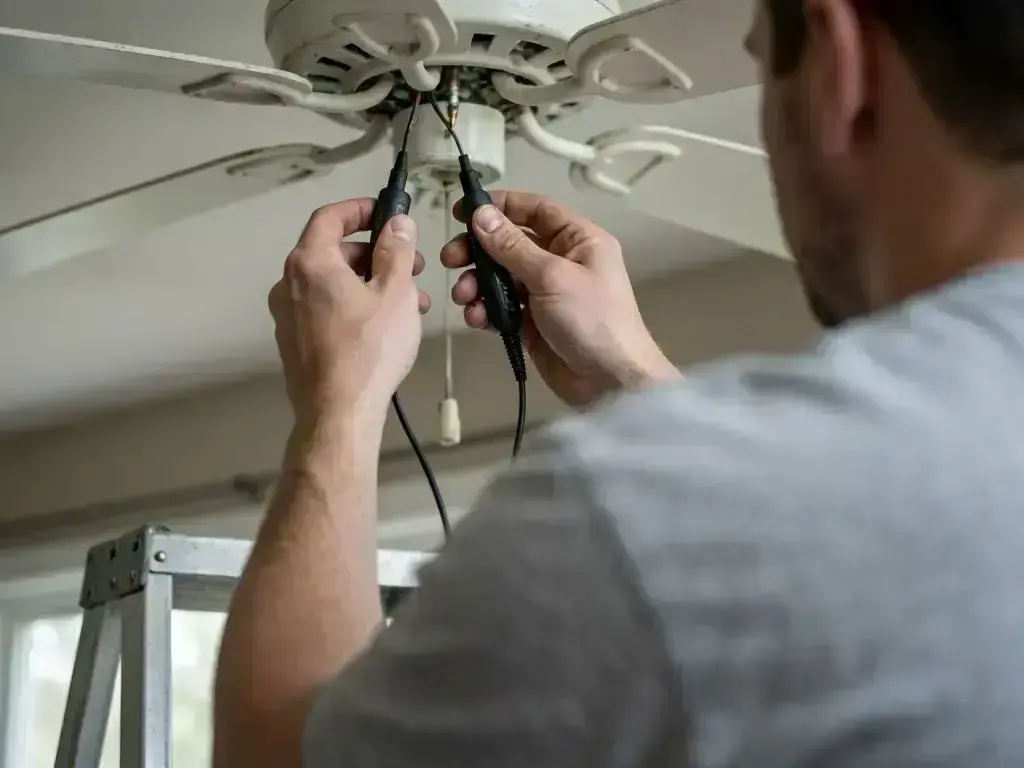
Light Fixture Replacement also changes with the fixture type and ceiling height. A basic bedroom or hallway light is usually faster than a heavy chandelier. Stairwell pendants and ceiling fans with controls can also take more time. A standard light installation may stay in the low or middle range. New switching, dimmer upgrades, or added support will raise the price.
Material choices matter as well. A customer-supplied fixture may lower material costs, but the installer still needs to check fit and safety. The box must support the weight, and the wiring must connect safely. If the old wiring is brittle, more labor and parts may be needed. That's a common reason one outlet installation cost or light installation quote differs from another.
For older homes, ask if the quote covers replacement only. It should also say if corrections found during testing are included. That matters most when adding a fan, moving a fixture, or updating a room with older repair work.
What Should an Electrical Estimate Include?
Electrical estimate documents should clearly list labor costs, materials, permit fees, inspection charges, and any added service fees. A complete estimate shows the full project cost before work begins. It also makes it easier to compare pricing from one contractor to another.
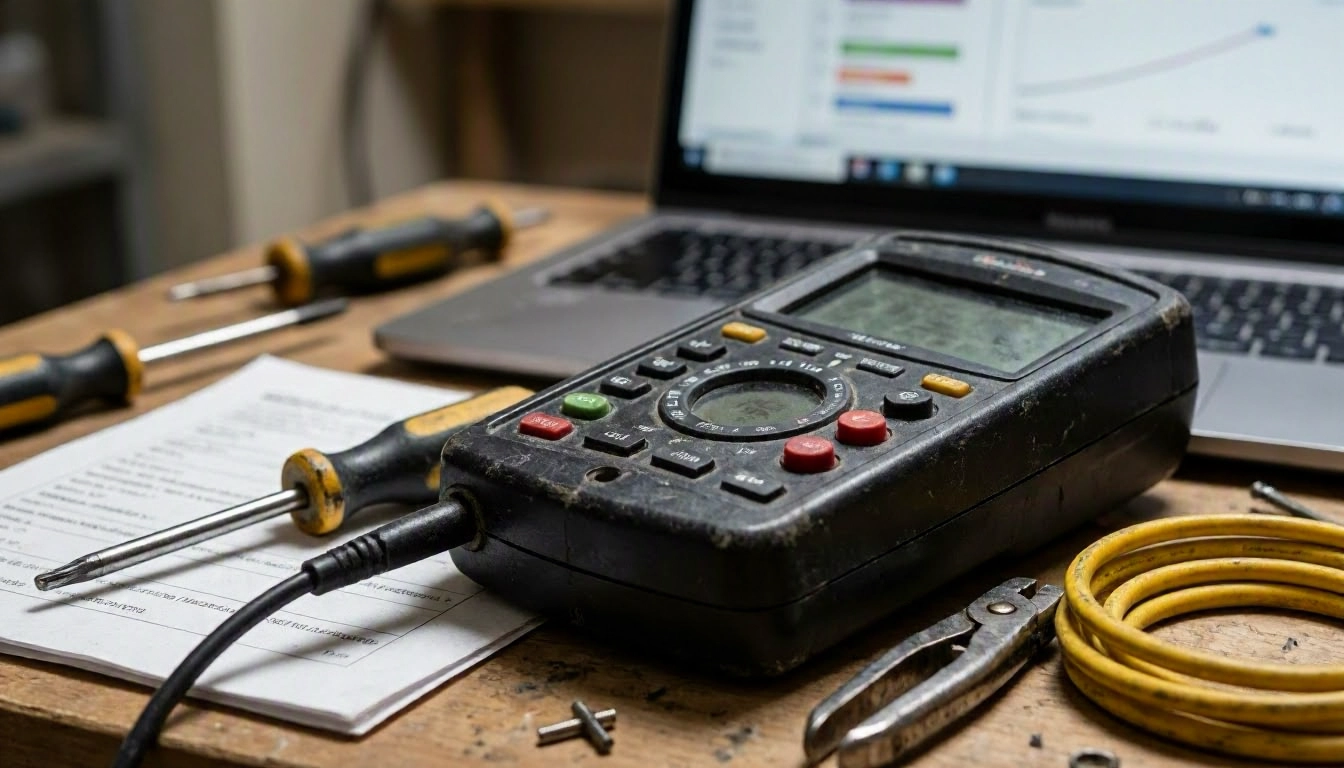
Local permit rules in Cincinnati can change the full project cost, So it's smart to confirm permit and inspection steps before you approve the job. Clear paperwork is one of the best ways to compare Electrical contractor pricing. It also helps you avoid surprise charges later.
Electrician Cost Pricing Table: Basic, Standard, and Premium Service Tiers
Typical electrician cost tiers help show what many homeowners pay. Basic jobs are usually simple replacements or minor repairs. Standard work covers more involved troubleshooting and installation. Premium service includes urgent, complex, or code-heavy projects with higher labor needs.
| Service Tier | Typical Price Range | What It Often Includes |
|---|---|---|
| Basic | $75 to $150 | Simple service call, basic outlet or switch replacement, minor fixture swap, straightforward diagnosis |
| Standard | $150 to $350 | Troubleshooting plus repair, fan installation, standard light fixture work, small wiring updates, common circuit breaker repair |
| Premium | $350 and up | Emergency repair, permit-driven work, complex diagnostics, panel-related tasks, larger installations with added materials and inspections |
These ranges are examples, not fixed quotes. A small job with easy access may stay near the low or middle part. A project with permits, replacement parts, or a follow-up inspection can land higher. Real pricing depends on what we find inside the home.
Spring and summer often bring more calls. Humidity issues, cooling demand, and storms can all add to the workload. That seasonal pressure can affect availability for non-urgent work. It's most noticeable when customers want same-week troubleshooting or repair scheduling.
5 Money-Saving Tips for Hiring an Electrician in Cincinnati
You can often lower Electrical service costs by comparing quotes, planning ahead, and clearly listing the work. The goal isn't to chase the cheapest number. It's to cut avoidable labor time, repeat trips, and surprise charges from permits, materials, or missed issues.
We also suggest making a written list before the visit. That helps our team bring the right materials. It may also cut delays from missing parts or extra trips.
Frequently Asked Questions
Related Resources
What to Expect During an Electrical Panel Upgrade
How It WorksHow EV Charger Installation Works at Home
how does ev charger installation work
How It WorksHow 24/7 Emergency Electrical Repair Works
how does emergency Electrical repair work
What to AvoidElectrical DIY Mistakes to Avoid
Electrical DIY mistakes