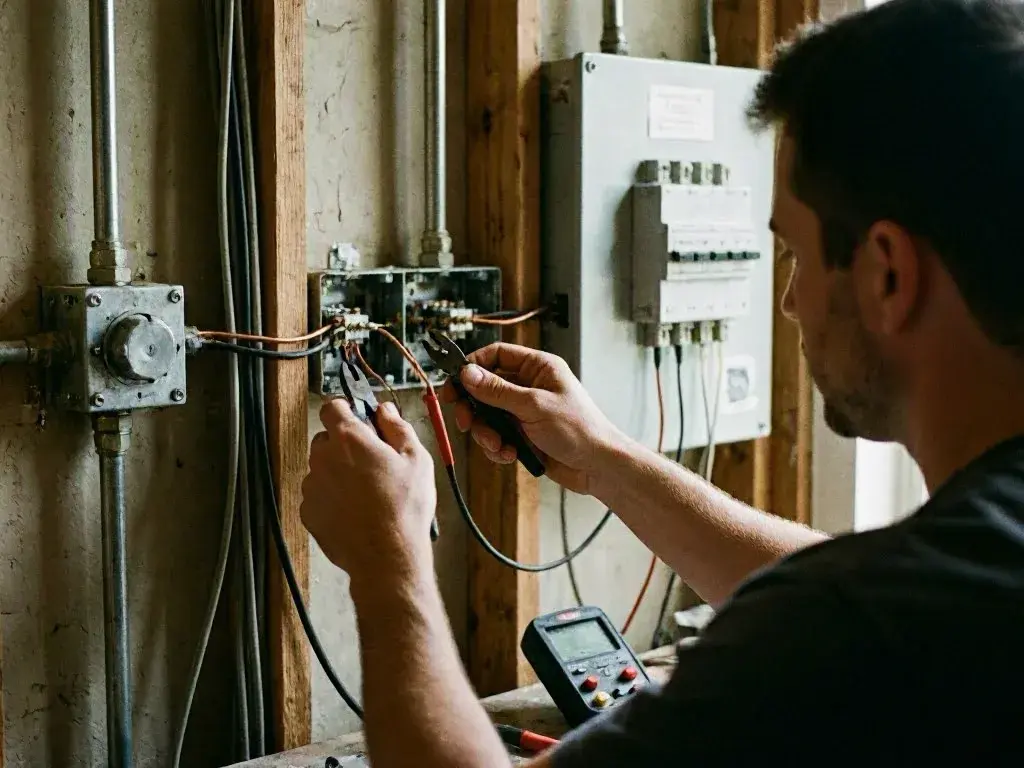
How to Recognize an Electrical Emergency at Home
Electrical emergencies can cause burning smells, smoke, sparks, shocks, buzzing, heat, or breaker trips. Turn off power only when it’s safe. Keep people away from the area. Don’t touch damaged equipment. Call an emergency electrician for fire, shock, exposed wires, water contact, or ongoing faults. Never repair a live circuit. An electrical problem can get worse overnight. Heat, sparks, damaged insulation, and heavy loads may continue without notice.
Get a Free Estimate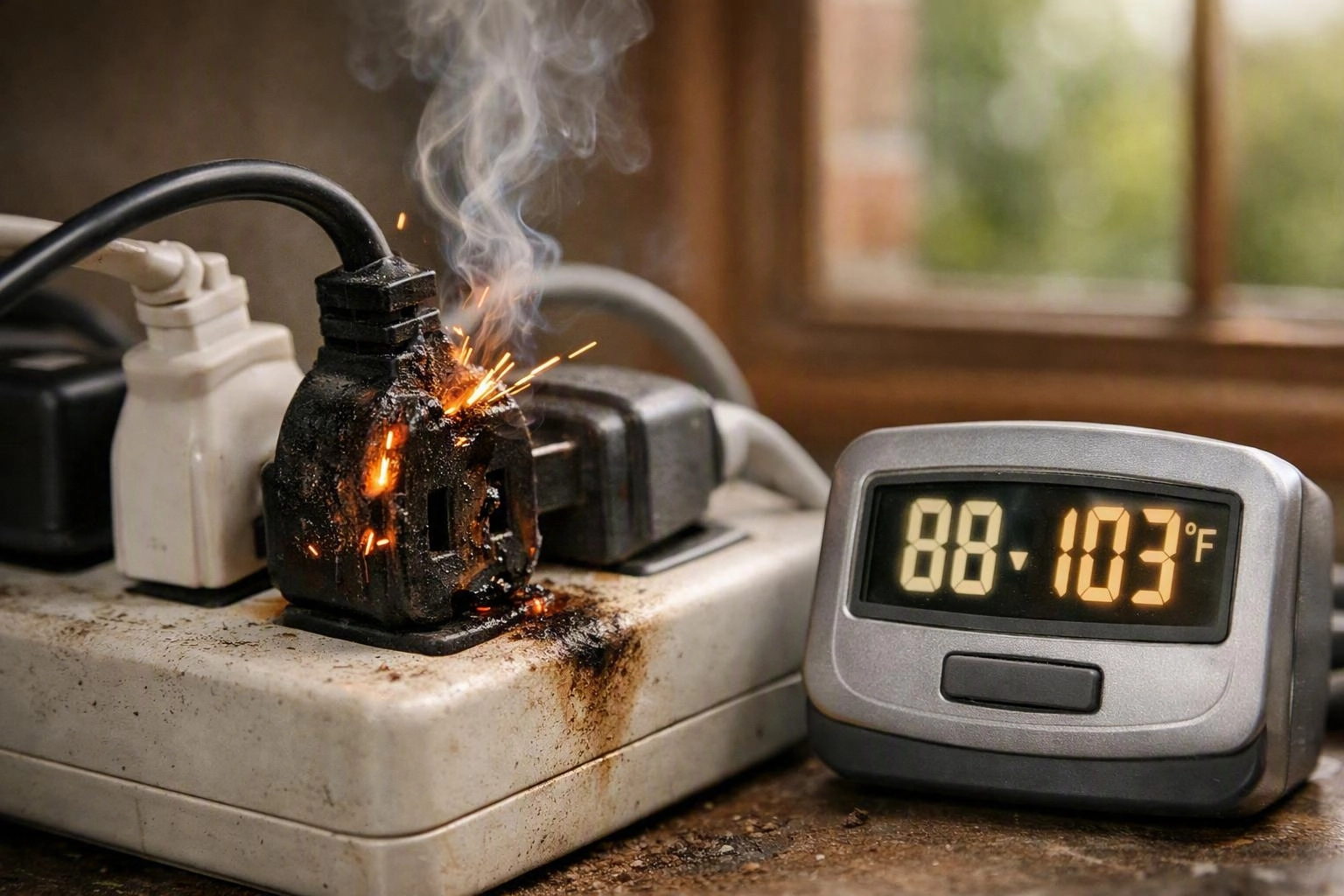
Signs of an electrical emergency point to unsafe conditions. These problems need fast action or expert repair. At ElectricianCincinnatiOH.com, we help people choose a safe next step. You won’t need to guess or open live equipment.
What Are the Warning Signs of an Electrical Emergency?
Electrical emergency signs include smoke, sparks, burning odors, hot outlets, buzzing, exposed wires, shocks, and repeated breaker trips. These signs may show arcing, heat, damaged insulation, or another fault. Stop using the circuit and seek professional electrical assistance.
Use this list as a safety check. Don’t use it as a repair guide. Move children, older adults, renters, and others away first.
These signs can appear in any room, including kitchens, bathrooms, garages, and bedrooms. A damaged cord behind furniture still needs attention. This is true even without smoke or sparks.
What Electrical Problems Are Considered Emergencies?
Electrical problems become emergencies when they create a risk of fire, shock, electrocution, or property damage. Fire, smoke, sparks, water near live equipment, damaged panels, exposed live wires, and severe shocks need urgent help.
An electrical fire, active arc fault, wet equipment, or exposed wire needs quick action. Don’t enter a wet area to reach a switch. Water can carry current through floors, walls, appliances, and people.
A full power outage isn’t always an emergency. It may involve the utility when nearby homes are also dark. It’s more urgent when only your home loses power. It’s also urgent after a flash or bang. A hot panel or repeated power loss needs prompt help.
The service panel holds the home’s circuit protection. Stay away if it has smoke, water, burn marks, a missing cover, or unusual heat. Call the utility if the issue involves the outside supply, meter, or neighborhood lines. Use a qualified electrician for equipment inside your home.
Why These Electrical Symptoms Need Immediate Attention?
Electrical symptoms need quick attention because electrical arcing creates strong heat in small spaces. That heat can damage insulation and start nearby materials burning.
Loose wires, short circuits, worn appliances, and heavy loads can cause overheating. A breaker may stop current for a time. It can’t fix a loose wire or damaged insulation.
An intermittent fault can be hard to spot. It may appear, stop, and return later. Lights may flicker, buzzing may stop, or a breaker may hold. These changes don’t prove the system is safe. Don’t open outlets or panels.
When Should I Call an Emergency Electrician?
Call an emergency electrician for smoke, fire, sparks, shocks, exposed wires, water damage, a hot panel, or repeated breaker trips. Call emergency services first for active fire or immediate danger. Don’t keep resetting safety devices.
An emergency electrician provides urgent testing and repair. We may suggest 24-hour emergency electrical repair when a problem can’t safely wait. Examples include panel arcing, a wet outlet, or an energized damaged cable.
Call promptly when you notice burning smells, smoke, sparks, exposed wires, or shocks. A 24 Hour Electrician may first isolate the hazard. Then, the electrician can test the circuit and explain the next step. We provide 24-Hour Emergency Electrical Repair in Cincinnati when selected for urgent needs.
Professional electrical troubleshooting also helps when the cause isn’t clear. An inspection can check wiring, outlets, grounding, appliances, and safety devices. This option is safer than guessing. Renters should also tell the property owner or manager.
Many simple emergency visits take about one to three hours on site. Hidden damage or several circuits may take longer.
What Should I Do Before the Electrician Arrives?
Before an electrician arrives, move people and pets away. Stop using the equipment. Call emergency services for fire, smoke, or immediate danger. If it’s safe, turn off the right breaker or main power. Don’t touch wet, damaged, sparking, or exposed parts.
Use these steps only in a dry, clear area. Stay away when there’s smoke, fire, or active arcing. If you’re unsure, leave the system alone.
Use flashlights during an outage. Don’t use candles near damaged wires. Don’t enter a flooded basement. Never touch someone connected to a power source.
Can an Electrical Problem Get Worse Overnight?
An electrical problem can worsen overnight because loose wires, heavy loads, damaged insulation, or arcs may keep creating heat. A breaker may stop the fault for a short time. It doesn’t fix the cause. Don’t reset it repeatedly. Arrange a professional check when signs continue.
Electrical use can change while you sleep. Refrigerators, heaters, chargers, pumps, and other devices may keep running. A weak connection can grow hotter as current flows.
An intermittent fault may return when an appliance starts. Moisture can also move through a wall or outlet. Heavy loads may add more heat. These issues can damage nearby materials and raise fire risk.
A utility outage is more likely when nearby homes also lose power. It’s also more likely when the utility confirms an outage. There should be no heat, odor, noise, smoke, water damage, or visible damage. An active fault is more likely when one circuit fails. It’s also likely after sparks or a bang.
DIY or Professional Help: Which Is Safer?
Professional electrical help is safer during emergencies. Electricians can find live wires, test voltage, trace faults, and repair wiring. Homeowners should only take basic safety steps. These steps include safely unplugging dry equipment or using a known disconnect.
DIY repairs may hide the real cause of heat, shocks, or trips. They may also break electrical code or permit rules. A professional can use approved parts and safe methods. The electrician can also record the work when local rules require it.
| Factor | DIY | Professional |
|---|---|---|
| Safety | Only move away, unplug dry equipment safely, or use a known disconnect. | Controls hazards and shuts off circuits using safe steps. |
| Voltage testing | Tools and skills may be limited. A dead-looking circuit may still be live. | Tests for voltage before handling wires or equipment. |
| Fault finding | May fix a symptom without finding an overload, arc, or damaged cable. | Traces the fault and checks related equipment and connections. |
| Electrical code | A repair may not meet needed safety or permit rules. | Uses proper methods and checks code and permit needs. |
Don’t repair faults involving water, fire, exposed wires, a service panel, or shocks. Let a qualified professional handle the testing and repair.
Questions About 24 Hour Electrician
Is a Burning Smell from an Outlet an Emergency?
A burning smell may mean heat, loose wires, damaged insulation, or an arc fault. Stop using the outlet and keep away. Call for urgent electrical help. Call emergency services if smoke or flames appear.
Is a Tripping Breaker an Electrical Emergency?
One trip may come from a short overload. Repeated trips warn of a fault. Stop resetting it. Unplug equipment only when the area is dry and safe. Call an electrician if it trips again, smells hot, buzzes, or links to sparks or smoke.
Can I Reset the Breaker if It Keeps Tripping?
No. Repeated resets can bring back an overload or short circuit. Leave the breaker off. Stay away from damaged equipment. Arrange professional troubleshooting. Don’t open the panel or test live parts.
What Should I Do if Water Gets into an Electrical Outlet?
Don’t touch the outlet, plug, switch, or nearby panel. Move away from the wet area. Turn off power only from a dry, safe place. Call emergency services for immediate danger. Call an electrician before restoring power.
How Long Can I Wait to Call an Electrician for a Sparking Outlet?
Don’t wait when an outlet sparks often, stays hot, smells burned, smokes, or trips a breaker. Stop using it and seek help the same day. Leave the area for smoke, flames, or shock danger. Call emergency services first.
When warning signs continue, our team can help assess the problem. We can explain the safest next step. Use the contact option to request help.
Contact our teamRelated Resources
How Much Does a 24-Hour Emergency Electrician Cost in Cincinnati?
24 hour emergency electrician cost Cincinnati
What It CostsElectrical Troubleshooting and Circuit Breaker Repair: Cost and Process
electrical troubleshooting and circuit breaker repair cost
What It CostsHow Much Does It Cost and How Long Does It Take to Rewire a House?
home rewiring cost and timeline Cincinnati
Compared ToEmergency Electrician vs. Regular Electrician: Which Should You Hire?
emergency electrician vs regular electrician