Types of Electrical Emergencies and How Electricians Diagnose Them
Electrical emergencies include burning smells, smoke, sparks, exposed wires, and power loss. They can also include tripped breakers and buzzing panels. Electricians secure the area and find the affected circuit. They test the system and fix the source of the problem.
Get a Free Estimate
At ElectricianCincinnatiOH.com, we help with urgent electrical problems. Safety comes first. A qualified emergency electrician can check a home, rental property, or small business. You won't need to test live parts yourself.
Types of Electrical Emergencies and the Warning Signs That Need Immediate Help
Electrical emergencies that need quick help include smoke, flames, sparks, and burning odors. They also include shocks, exposed live wires, water near electrical equipment, and power loss with heat or strange sounds. Shut off power only when it's safe. Keep people away and call a qualified emergency electrician.
These hazards can point to a larger electrical fault. Smoke or sparks may show a risk of fire. A flash or crackling sound may mean electrical arcing (current jumping between parts). A shock can mean current is taking an unsafe path.
A burning outlet, hot wall plate, or melting smell may show overheating. It may also point to a loose connection, damaged wire cover, or overloaded circuit. Don't touch the outlet, plug, or nearby metal. Move people away from the area.
Exposed wiring needs urgent care when copper shows or a cable is cut. A loose wire may still carry power. Keep children, tenants, customers, and pets away. Don't use tape as a final repair. The wire may need replacement.
A power outage may come from the utility company. Power loss with buzzing, heat, smoke, sparks, or repeated trips needs prompt help. A circuit breaker stops unsafe current. Repeated resets can hide a short circuit, ground fault, or bad connection.
Our 24-Hour Emergency Electrical Repair service helps when people or key equipment may face danger. In Cincinnati, 24-Hour Emergency Electrical Repair may help when a home, rental unit, shop, or office isn't safe. A 24 Hour Electrician can secure the area before testing starts.
Some problems need quick but careful testing. A dead receptacle with no heat, smell, noise, or damage may wait for a professional. Don't remove a panel cover, test live wires, or bypass a safety device.
How Electricians Diagnose Electrical Emergencies and Choose the Right Repair?
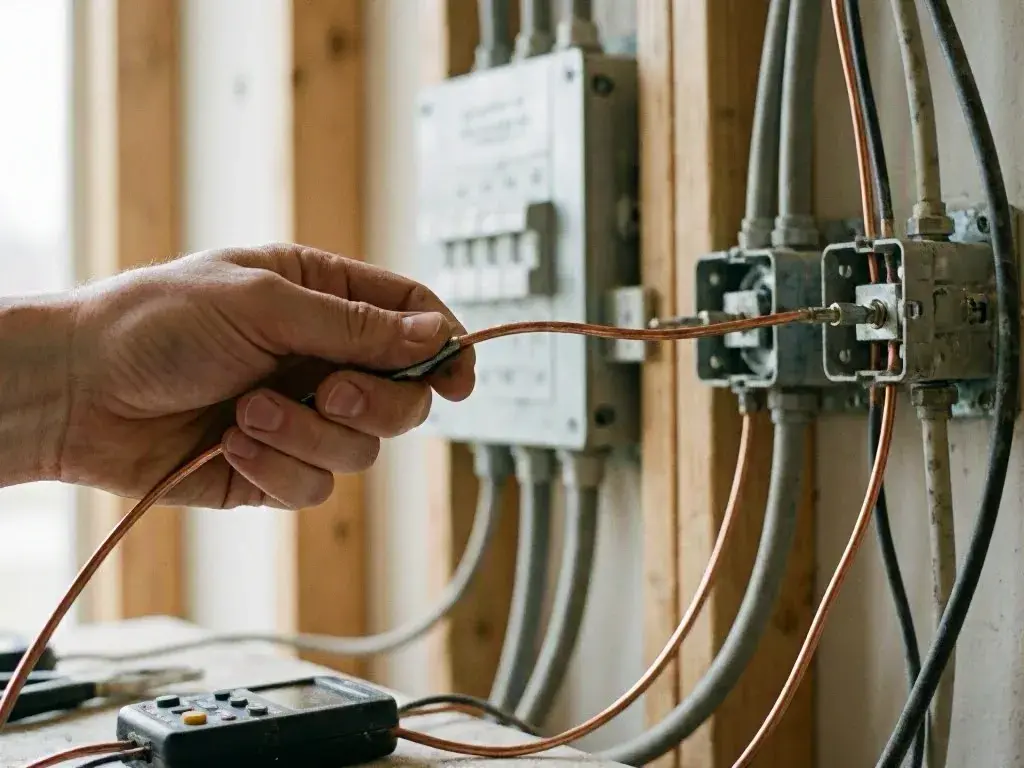
Electrician diagnosis begins with making the area safe. The electrician reviews the signs and isolates the circuit. They test voltage and continuity (a complete electrical path). They inspect wires and connections for overloads and faults. The results guide the repair.
Most emergency visits use several testing steps. A simple fault may show within the first hour. Hidden wiring damage can take longer. Our Electrical Troubleshooting work targets the cause, not a short-term reset.
How Emergency Diagnosis Produces Measurable Safety and Reliability Benefits?
Professional emergency diagnosis finds the real fault before repairs begin. It can reduce repeated breaker trips and overheating risks. It can also make repair needs clearer. You may get safer circuits and better choices about wiring replacement or panel upgrades.
The table shows common results, not promises. Each case depends on the equipment's age and the wiring access. Moisture, connected loads, and service equipment condition also matter.
| Observed problem | Diagnosis focus | Typical benefit |
|---|---|---|
| Repeated trips | Load, short circuit, ground fault | Less nuisance shutdown and safer circuit use |
| Burning odor | Outlet, terminal, insulation, load | Lower overheating and fire risk |
| Buzzing panel | Connection, breaker, transformer, arc fault | Clearer repair plan and improved reliability |
| Damaged cable | Insulation, continuity, circuit protection | Reduced shock risk and safer restoration |
Diagnosis also helps with future care. After we find the fault, we can explain repair needs. We can point out overloaded circuits. We can also explain when replacement is safer than another reset.
Benefit: Faster Triage When a Breaker Keeps Tripping
A circuit breaker that trips again and again needs testing. Repeated resets won't fix the problem. The cause may be too many appliances, damaged wires, a ground fault, or a bad breaker.
We first note what was running when the trip happened. We check for heat and unusual smells. Then we isolate the circuit and test it safely. We may check connected loads and easy-to-reach connections.
If the breaker works well, we may remove an overload or replace damaged wiring. If it won't hold during safe testing, circuit breaker repair or deeper testing may be needed.
Benefit: Safer Response to a Burning Smell from an Outlet
An electrical outlet that smells hot or burnt may have damaged contacts. It may also have a loose connection, an overloaded plug, or melted insulation. Turn off the circuit only if you can reach the switch safely. Keep people away.
Don't pull out a hot plug or remove the cover. Don't spray the outlet or use nearby receptacles. We check for dark marks, heat damage, loose terminals, and high power use.
The repair may need a new receptacle or a fixed connection. It may also need a load change or new cable. The work may affect one device or several connections.
Benefit: Clearer Diagnosis When an Electrical Panel Is Buzzing
An electrical panel with a new buzz needs attention. The risk is higher when the panel feels warm or smells burnt. Flickering lights and breaker trips also matter. Causes may include a loose terminal, failing breaker, transformer noise, or an arc fault.
We listen for the buzz's location and pattern. We then inspect the equipment after safe power isolation. Voltage tests, connection checks, and load checks help show the cause.
A loose terminal may need tightening or repair. A bad breaker or bus connection may need replacement. An old or overloaded panel may need.electrical panel upgrade.
Benefit: Reduced Shock and Fire Risk from Exposed or Damaged Wiring
An exposed wire or damaged cable can cause shock or arcing. Cracked, cut, or missing wire cover can let conductors touch metal, moisture, or people.
Stay away from the area. Don't cover the damage as a permanent repair. We find out if the cable carries power. We trace the cable and inspect its connections. We also check grounding and circuit protection.
The repair may secure the cable or replace part of it. It may fix a connection or replace the full cable run. Safe restoration also follows electrical code rules.
Benefit: Better Repair Decisions for Fuses, Breakers, and Panels
A fuse box, circuit breaker, or service panel needs a proper diagnosis first. A new fuse or breaker won't solve an overload, short, damaged wiring, or poor connection.
We compare the equipment rating with the circuit demand. We inspect terminals and wires for heat or past repair work. Fuse box repair may work when the box and wiring remain sound. Circuit breaker repair may work when only the safety device failed.
Wiring replacement fits cases with brittle insulation or damaged conductors. It may also be needed when hidden arcing is likely. A panel upgrade may help with severe heat damage, low capacity, old protection, or limited space.
These repairs help protect homes, rental properties, and small businesses. They can also help return key equipment to service safely. Most repair plans include one urgent action and one future care step.
Questions About 24 Hour Electrician
What Types of Electrical Emergencies Need Immediate Help?
Smoke, flames, sparks, burning odors, shocks, exposed live wires, and water near electrical equipment need immediate help. Power loss with heat or strange sounds also needs help. Move people away. Isolate power only when safe and contact a qualified electrician.
Why Does My Breaker Keep Tripping?
A breaker may trip from an overload, short circuit, ground fault, bad appliance, loose connection, or failing breaker. Don't keep resetting it. A professional can test the circuit and fix the real cause.
What Causes a Burning Smell from an Outlet?
Common causes include hot contacts, a loose connection, an overloaded receptacle, damaged wire cover, or a bad appliance. Stop using the outlet. Keep away if it's hot or smoking. Arrange a professional inspection.
Why Is My Electrical Panel Buzzing?
Buzzing may come from a loose terminal, bad breaker, transformer noise, overload, or arc fault. New or loud buzzing needs prompt help. Heat, odor, flickering, or trips make the concern more urgent.
What Should I Do During an Electrical Emergency?
Keep people away from the danger. Avoid water and damaged equipment. Don't touch exposed wires. Shut off power only when the shutoff is safe to reach. Leave for smoke or fire. Call emergency services when needed, then contact a qualified electrician.
How Do Electricians Find an Electrical Fault?
Electricians review the signs and secure the area. They isolate the circuit and test voltage and continuity. They trace wires, inspect connections, and test the load safely.
For urgent electrical hazards, our team can discuss the safest next step. We can also arrange careful testing when it's safe. Use the contact form to request help.
Related Resources
How Much Does a 24-Hour Emergency Electrician Cost in Cincinnati?
24 hour emergency electrician cost Cincinnati
What It CostsElectrical Troubleshooting and Circuit Breaker Repair: Cost and Process
electrical troubleshooting and circuit breaker repair cost
What It CostsHow Much Does It Cost and How Long Does It Take to Rewire a House?
home rewiring cost and timeline Cincinnati
What It CostsHow Much Does Level 2 EV Charger Installation Cost in Cincinnati?
residential Level 2 EV charger installation cost Cincinnati