Electrical Troubleshooting: A Safe Diagnostic Checklist
Electrical troubleshooting checklists cover safety isolation, visible inspection, circuit-breaker status, symptom documentation, and escalation points; Cincelux Electric uses these findings to diagnose faults and plan the appropriate repair.
Get a Free EstimateWhat Should an Electrical Troubleshooting Checklist Include?
An electrical troubleshooting checklist should include safety checks, visible inspection, circuit status, symptom details, and clear limits for homeowner testing. The checklist helps separate safe observations from work that requires energized diagnostic equipment.
Start with safe isolation when there is a known hazard. Then review the electrical panel, circuit breaker positions, outlets, switches, and visible wiring without removing covers or touching conductors. You can share these findings with Electrical Troubleshooting so we can plan the next diagnostic step.
Start With Electrical Safety Before Checking the Problem
Electrical safety comes before troubleshooting when an electrical hazard could cause electric shock, fire, or further equipment damage. Stop the inspection and move away if you notice burning smell, sparking, water exposure, heat, or an energized circuit that cannot be safely isolated.
Safe isolation does not mean removing a cover or testing an energized circuit. Our team handles circuit testing and fault isolation when the source cannot be confirmed through a visual check.
What Can Homeowners Safely Check Before Requesting Troubleshooting?
Homeowners can safely check accessible switches, outlets, GFCI reset conditions, and breaker positions without removing covers or touching wiring. These checks can show whether the issue is limited to one device, one area, or a broader power outage.
Do not remove an outlet cover, open the electrical panel, or test a suspected energized conductor. We use the safe observations you provide to guide electrical diagnosis.
How Should You Document an Intermittent Electrical Problem?
Document an intermittent electrical problem by recording what loses power, when the symptom occurs, what equipment is operating, and whether a breaker or GFCI changes state. A clear record helps us compare the symptom with circuit load and operating conditions.
For an intermittent electrical fault, note the affected room, outlet, fixture, or appliance. Record whether you see a flickering light, brief power loss, unusual sound, burning odor, or breaker trip. Do not recreate a dangerous symptom to collect more information.
Include the time and conditions, such as weather, recent appliance use, and other equipment running on the circuit. Our team uses symptom documentation to narrow the affected circuit and plan safe fault isolation.
What Do Flickering Lights and Repeated Breaker Trips Indicate?
Flickering lights and repeated breaker trips indicate electrical symptoms that require context, because the cause may involve a connection, circuit load, appliance, or wiring fault. The symptom alone does not identify the source.
| Symptom | Possible direction for diagnosis | What we review |
|---|---|---|
| Flickering lights | A loose connection, voltage loss, fixture issue, or changing circuit load | The affected lighting circuit, related switches, fixtures, and recent changes |
| Breaker trip when equipment runs | An overloaded circuit, appliance fault, short circuit, or ground fault | Circuit load, appliance condition, breaker response, and wiring condition |
| Repeated circuit breaker trip | A persistent fault or protection response that needs testing | The panel, affected circuit, connected loads, and evidence of heat or damage |
We do not treat a breaker trip as permission to keep resetting the circuit. Our crew tests the circuit and connected equipment to identify whether the issue calls for repair, circuit breaker replacement, or another corrective step.
What Questions Should You Ask When One Area Loses Power?
Localized power loss should be described by identifying the affected room, fixtures, and receptacles. This information helps show whether the problem involves an outlet circuit, lighting circuit, GFCI protection, or a wider electrical panel issue.
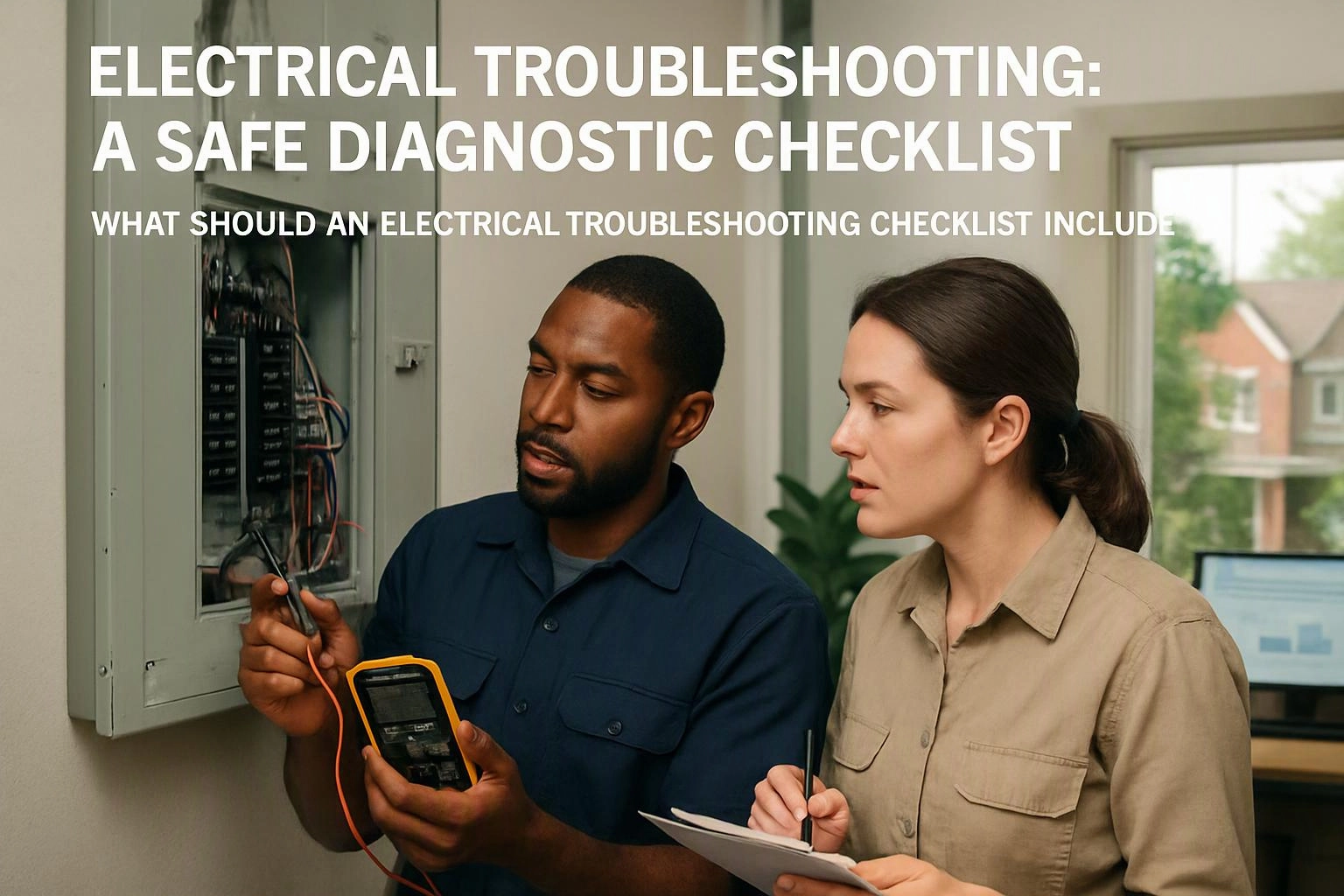
Ask whether nearby rooms still have power and whether only one electrical outlet or light fixture is affected. Note recent electrical work, new appliances, water exposure, breaker changes, and any GFCI response.
We use these answers to trace the affected circuit without asking you to open covers or handle wiring. If heat, smoke, exposed parts, or repeated trips are present, stop using the area and contact Cincelux Electric for an inspection.
Why Do Older Homes Need a More Careful Troubleshooting Review?
Older homes need a careful troubleshooting review because aging wiring, legacy protection, altered circuits, and previous repairs can affect how symptoms are interpreted. An outdated electrical panel, ungrounded receptacle, aluminum wiring, or an overloaded circuit may change the safest repair path.
Our team reviews the condition and arrangement of the electrical system before deciding how to correct a fault. We look for connections, protective devices, circuit changes, and wiring conditions that may not be visible from the affected outlet or light.
When Is Electrical Troubleshooting an Emergency Repair?
Electrical troubleshooting becomes an emergency repair concern when the property has active arcing, smoke, burning odors, exposed energized parts, heat damage, or repeated dangerous failures. These signs create an electrical fire risk and require immediate safe action.
Leave the affected area and contact emergency services if there is an active fire or immediate danger to people. After the area is safe, Cincelux Electric can assess the electrical emergency, isolate the fault, and plan emergency electrical repair.
Emergency electrical repair focuses first on making the system safe. Detailed diagnosis and permanent electrical wiring repair follow when conditions allow safe testing.
How Cincelux Electric Turns Checklist Findings Into an Electrical Repair Plan
Cincelux Electric turns checklist findings into an electrical repair plan by connecting the reported symptoms with safe inspection and circuit testing. Our team explains the fault, the affected components, and the work needed to restore safe operation.
Our repair plan reflects the actual fault rather than only the visible symptom. We also explain cost drivers such as access, damaged components, circuit complexity, and the extent of electrical wiring repair.
What Should You Have Ready Before Requesting Electrical Troubleshooting?
Before requesting electrical troubleshooting, gather the symptom history and safe observations that can help us understand the fault. Do not perform an unsafe test to fill in a missing detail.
These details give Cincelux Electric a useful starting point for diagnosis. We then confirm the condition through safe inspection and appropriate testing.
Questions About Electrical Troubleshooting
Can a tripped breaker reset itself?
Yes, a tripped breaker can sometimes appear to reset when the handle position changes during a fault, but a breaker that trips again needs attention. Cincelux Electric checks the circuit, connected load, and breaker response instead of treating repeated trips as normal.
Why does a breaker trip only when one appliance runs?
A breaker can trip when one appliance runs because the appliance may add a high circuit load or have an internal fault. We review the appliance, circuit load, outlet, and wiring to separate an appliance issue from an overloaded circuit or short circuit.
What should you do if an outlet is warm or discolored?
A warm or discolored outlet should not be used until the cause is checked. Stop using connected equipment, keep away from burn marks or damaged covers, and contact us for safe inspection and electrical outlet repair.
Can a GFCI outlet cause nearby outlets to lose power?
Yes, a GFCI outlet can interrupt power to downstream outlets on the same protected circuit. You can check the accessible reset button, but we inspect the circuit when the GFCI will not reset or the power loss continues.
Should you reset a breaker that keeps tripping?
No, you should not keep resetting a breaker that trips repeatedly. Repeated trips can indicate a ground fault, short circuit, overloaded circuit, appliance problem, or wiring fault, so we test the cause before recommending the repair.
Electrical troubleshooting is safest when your observations stop at accessible controls and visible conditions. Contact Cincelux Electric for electrical diagnosis, emergency electrical repair, circuit breaker replacement, or electrical wiring repair when the fault involves wiring, heat, exposed parts, or repeated failure.
We review the symptoms, explain the repair plan, and provide Free Estimates Available for the work identified.
Related Resources
How Much Does a 24-Hour Emergency Electrician Cost in Cincinnati?
What It CostsElectrical Troubleshooting and Circuit Breaker Repair: Cost and Process
What It CostsElectrical Panel Upgrade Cost Factors: Size, Scope, and Replacement Materials
Compared ToEmergency Electrician vs. Regular Electrician: Which Should You Hire?