When Does a Generator Need Electrical Repair?
Generator electrical repair may be needed when a generator will not start, produces unstable power, trips breakers, shows control faults, or has damaged wiring; Cincelux Electric checks the generator system, identifies the fault, and explains the repair.
Get a Free EstimateWhich Signs May Mean a Generator Needs Electrical Repair?
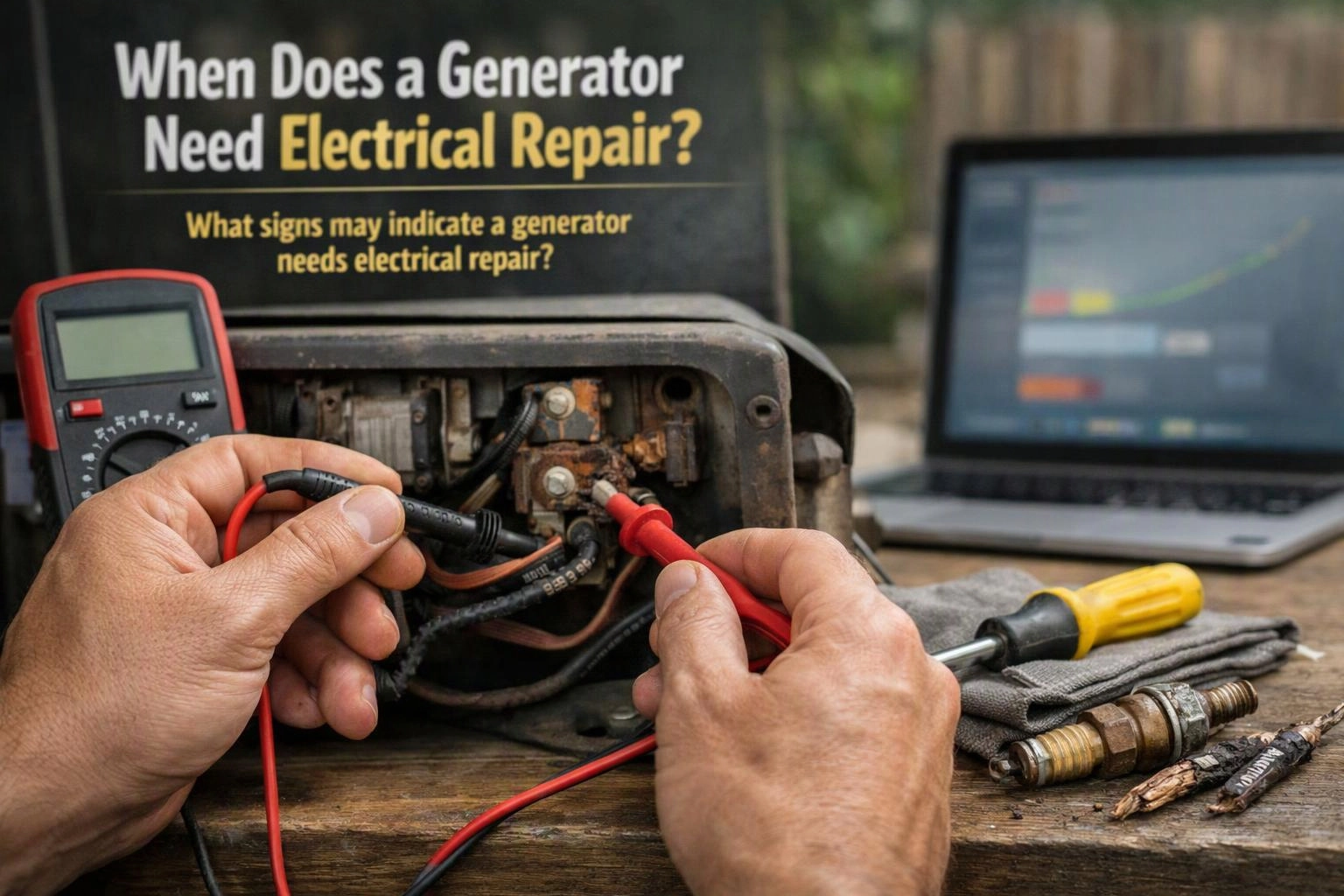
Generator electrical repair may be needed when starting problems, unstable output, repeated breaker trips, control warnings, damaged wiring, or unusual electrical odors appear. Our team can assess these symptoms through Generator Repair service.
What Do These Generator Symptoms Indicate?
Generator symptoms indicate an electrical fault when the generator cannot start, cannot maintain usable output, or cannot communicate correctly with connected controls and safety devices. We trace the symptom to the affected part before recommending repair.
The battery and starting circuit control the first steps of startup. We inspect those parts when the generator will not start or starts inconsistently.
The alternator produces electrical power, while the voltage regulator helps control the output. We use electrical testing to check whether unstable voltage or poor power output comes from the alternator or voltage regulation.
An automatic transfer switch moves building loads to backup power when the normal supply fails. We also check the control board, transfer switch, and overload protection when the generator runs but connected equipment does not receive reliable power.
What Common Problems Cause Generator Electrical Faults?
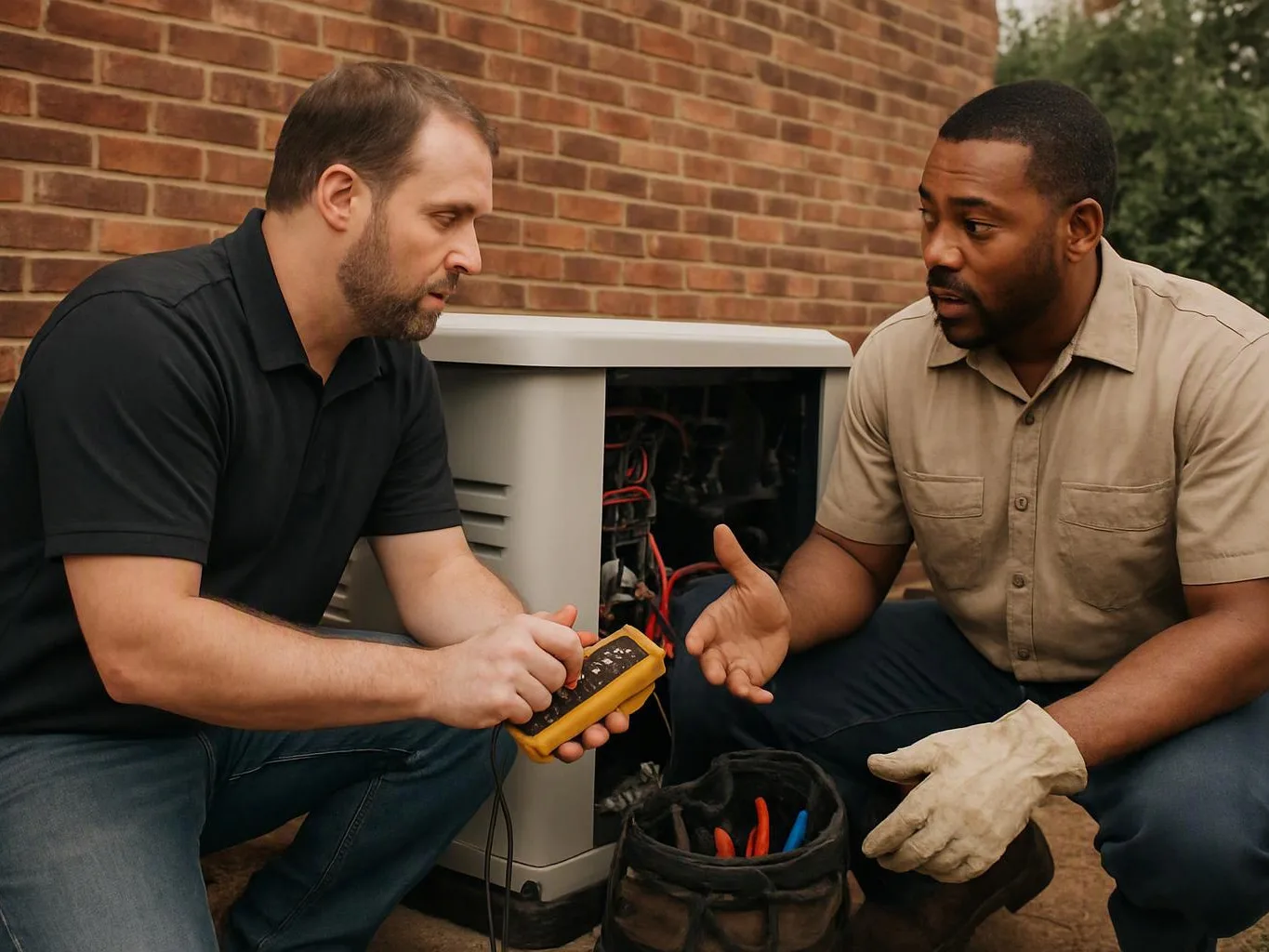
Generator electrical faults commonly come from damaged connections, corrosion, failed components, wiring defects, or problems with voltage regulation and transfer equipment. Our crew checks the generator electrical system as a connected system because one fault can affect several parts.
When Is Generator Troubleshooting Unsafe to Continue?
Generator troubleshooting is unsafe to continue when exposed wiring, burning odors, damaged components, repeated breaker trips, or other electrical hazards are present. We recommend a safety shutdown when the equipment shows signs of an active electrical problem.
Electrical shock can occur around energized circuits, even when the generator appears to be off. Fuel systems and carbon monoxide create separate hazards that require careful handling and proper ventilation.
Do not touch exposed wiring, bypass a safety device, or keep resetting a breaker that trips again. We can inspect the generator and connected equipment to locate the fault safely.
How Can You Reduce the Risk of Generator Electrical Problems?
Generator electrical problems are less likely when you keep connections protected, follow the maintenance schedule, manage connected loads, and address early warning signs. Our team can help identify conditions that may place extra stress on the backup power system.
How Does Cincelux Electric Assess a Generator Repair?
Cincelux Electric assesses generator repair by inspecting the system, testing affected electrical components, locating the fault, explaining the repair, and preparing an estimate; Free Estimates Available.
The repair estimate depends on the failed component, wiring condition, access, testing needs, and the extent of the generator power problem. We explain those job factors clearly before repair work begins.
What Should You Do When a Generator Shows Electrical Warning Signs?
Generator warning signs should prompt you to stop using the equipment when safety symptoms appear and contact Cincelux Electric for an electrical repair evaluation. A safe shutdown can help limit damage while protecting people from energized circuits, heat, and electrical shock.
Record the warning shown on the control panel if you can do so without opening the equipment. Our team can use that information with the symptoms, connected load, and inspection results to guide the service evaluation.
Contact us to discuss the generator electrical system and arrange an assessment.
Questions About Generator Electrical Repair
Can a generator run but still have an electrical problem?
Yes, a generator can run while an electrical problem affects its power output, voltage regulation, transfer switch, or connected load. Cincelux Electric tests the system to identify why equipment receives intermittent power or unstable voltage.
Should I stop using a generator that keeps tripping a breaker?
Yes, stop using a generator that keeps tripping a breaker until the cause is checked. Repeated trips can involve an overload, damaged wiring, a failed component, or a fault in the connected equipment.
Can damaged generator wiring cause unstable power?
Yes, damaged generator wiring can cause unstable power by interrupting current flow or creating poor connections. Wiring defects can also create heat and shock hazards, so we inspect the wiring before recommending continued use.
What should I check before requesting generator electrical repair?
Check whether the generator shows a control panel warning, unusual odor, visible wiring damage, repeated breaker trips, or a failure to start. Do not open energized equipment, and provide our team with any safe observations when requesting a service evaluation.