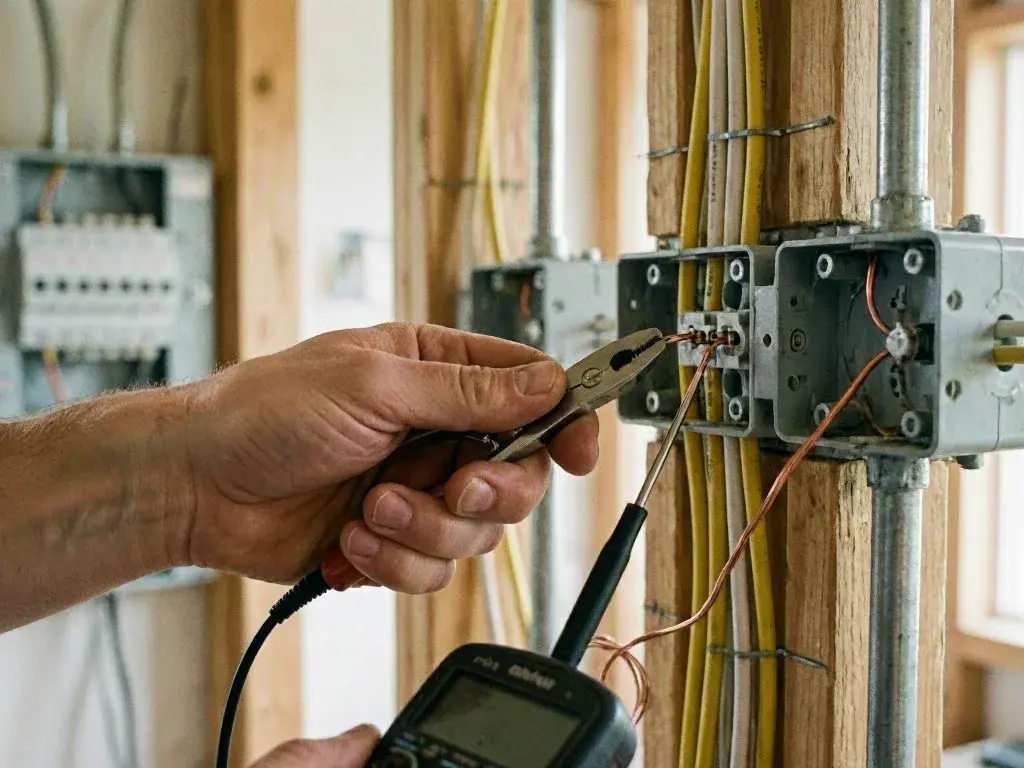
Whole-Home Generator Installation in Cincinnati: Cost and Process
Whole-home generator installation in Cincinnati costs more for larger systems. Complex panel connections can also raise the price. Long gas lines, extra wiring, and hard site access add cost too. The process starts with a load check and generator sizing. It also covers site planning, permits, placement, wiring, and testing. Most standard standby generator projects take one to two days on site. This starts after equipment and approvals are ready. Panel upgrades, trenching, fuel work, or inspections can extend the timeline. A licensed electrician can review your home and provide a project estimate.
Get a Free EstimateHow Much Does a Whole-Home Generator Cost to Install in Cincinnati?
Whole-home generator installation cost in Cincinnati depends on several parts of the job. These include generator size, panel fit, transfer-switch needs, fuel work, site access, trenching, permits, and testing. A clear estimate should list each cost. It should show equipment, mounting work, wiring, labor, inspections, and panel upgrades.
A standby generator is the main part of a home backup system. Yet, the generator itself isn't the only cost. A larger unit may need larger wires and a bigger transfer switch. It may also need more fuel or service changes. Labor costs depend on the distance to the panel and service entrance.
Fuel work can add a large part of the cost. Natural gas or propane systems may need new connections. They may also need a regulator, pressure test, or supply work. The generator needs safe space and a strong base. It also needs clear access for future generator maintenance.
Cincinnati permits and inspections can affect the schedule. Older homes may need more electrical checks. These checks can include grounding, bonding, service gear, and wiring. Cold or wet weather can slow concrete work and trenching. It can also affect outdoor placement and fuel-line work.
| Factor | Why it changes the cost | What to prepare |
|---|---|---|
| Generator capacity | A larger unit may need bigger electrical parts and more fuel flow. | List major appliances, heating equipment, pumps, and cooling loads. |
| Electrical labor | Long wire runs and tight spaces can add labor time. | Provide panel photos and the service size, if known. |
| Fuel connection | Long fuel lines, trenching, and regulators can expand the work. | Note the fuel source, meter, tank, and access route. |
| Transfer switch | Service-rated gear or panel changes may be needed. | Share the panel location and note any extra panels. |
| Permits and inspection | Permit review and inspection times can change the schedule. | Allow time for the residential electrical permit process. |
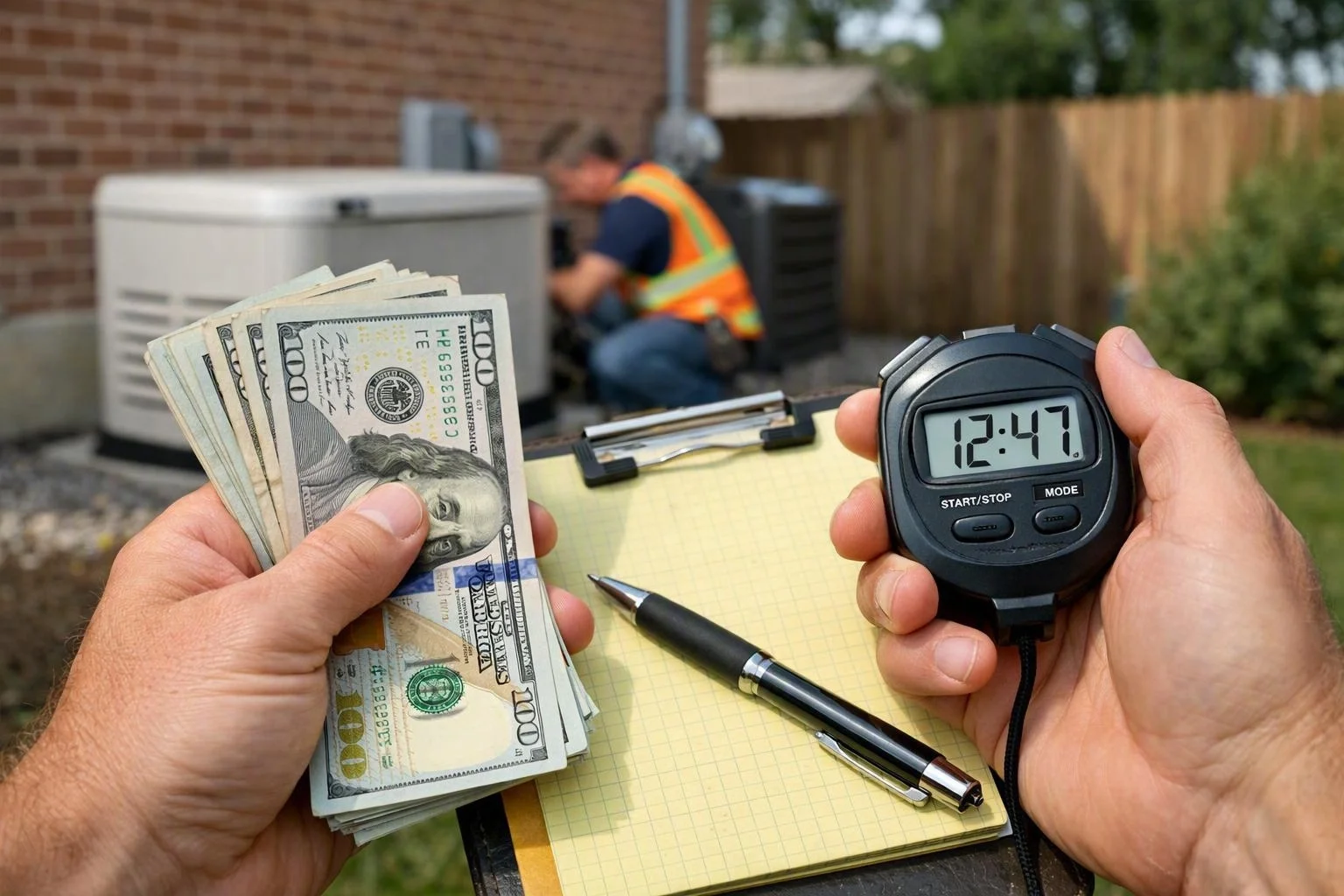
Most standard standby generator projects take one to two workdays on site. This estimate starts after materials and approvals are ready. The full project can take longer. Our team can review the home and list included work. We can also show exclusions and panel, fuel, or inspection needs.
What Is Included in Whole-Home Generator Installation?
Whole-home generator installation includes a load check and generator choice. It also includes site planning, mounting, wiring, and an automatic transfer switch. Fuel work, permits, inspections, startup, testing, and homeowner training may also apply. The exact work can change when the panel needs updates. Trenching and hard site access can also change the scope.
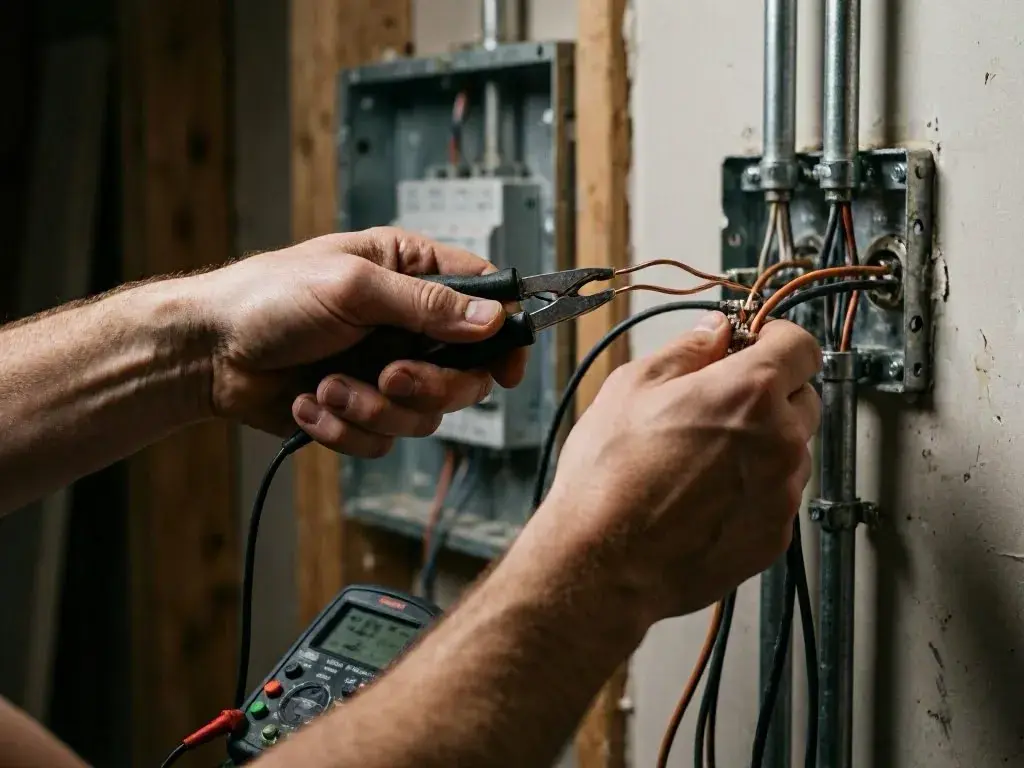
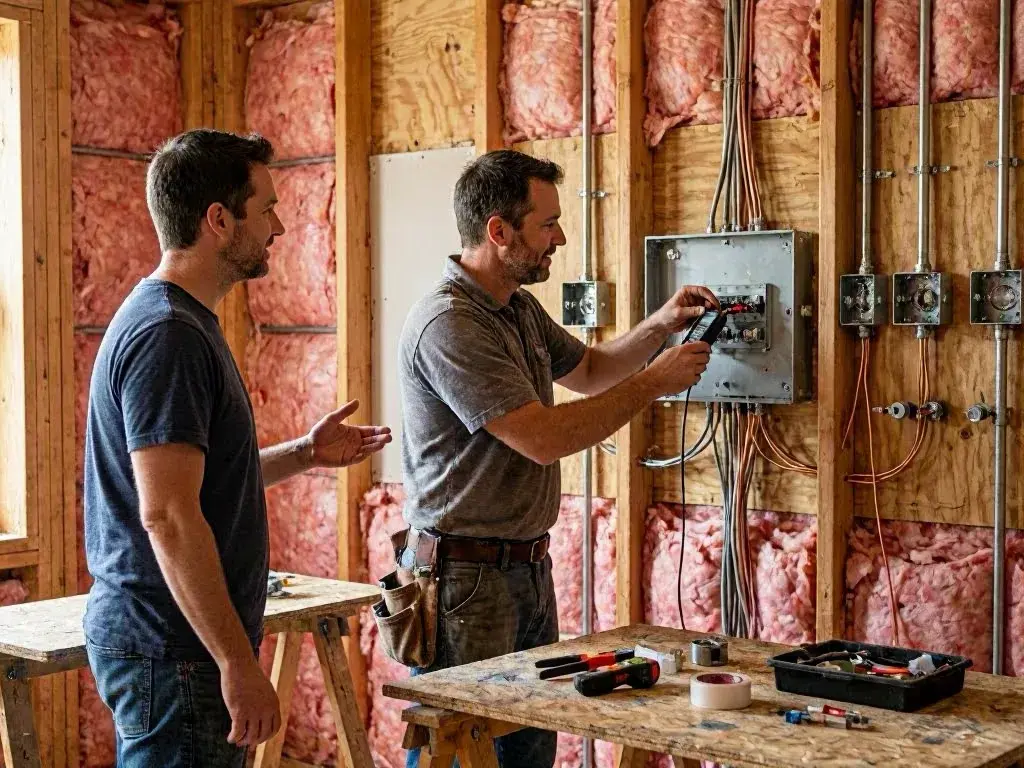
The first step is a site check. We review the panel, service entrance, fuel source, and outdoor space. We also check drainage, the mounting surface, and wire paths. Cincinnati homes can have different layouts. Age, additions, and past electrical work can affect the system.
A whole-home load calculation links power use to generator size. The review may include central air, heat pumps, and electric water heaters. It may also include refrigerators, sump pumps, well pumps, and furnaces. This helps show which loads the generator can support.
The physical work includes generator placement and a suitable pad. It also includes conduit, wiring, and an automatic transfer switch. Natural gas or propane work must match the generator needs. Older Cincinnati homes may need grounding or bonding repairs. They may also need service gear or wiring repairs.
After installation, the electrician starts and tests the system. The test covers a utility outage and power return. Homeowners should learn basic use and care. They should also know how to keep the area clear.
How Do You Choose the Right Generator Size for Your Home?
Generator size should come from a whole-home load calculation. Square footage alone isn't enough. The calculation checks running watts and motor starting loads. It also checks heating, cooling, pumps, water heaters, and other key appliances. Correct sizing helps prevent shutdowns and weak backup power.
Running watts show the power an appliance needs while running. Starting watts show the short power spike when a motor starts. Air conditioners and heat pumps can have high starting loads. Pumps and compressors can also need extra starting power. Ignoring this demand can cause generator problems.
We review whether you want full-home power or key-circuit backup. Central air, electric water heaters, and heat pumps can affect the choice. Some systems use load management. This delays or limits certain equipment during high demand.
The panel and service size also matter. A panel may lack space or the right rating. It may also lack parts that match the planned connection.electrical panel upgrade may then be needed. Cincinnati has many older homes, so this check matters.
Don't choose a unit by its highest advertised output. Ask for the load calculation and its assumed loads. Ask for the transfer-switch rating and future load plan. A clear design shows which loads can run together.
How Long Does It Take to Install a Standby Generator?
A standard standby generator installation takes one to two workdays on site. This starts after equipment, materials, and approvals are ready. The full timeline can take longer in Cincinnati. Permit review, delivery, concrete work, and trenching can add time. Fuel work, panel upgrades, utility work, and inspections can also delay the job.
Equipment delivery and permit approval often set the start date. A panel upgrade or fuel change can add another step. It's best to plan before an outage or equipment failure. This gives time to fix site, permit, and material issues.
What Does an Automatic Transfer Switch Do?
An automatic transfer switch watches utility power and moves selected loads to generator power. When utility power returns, it moves the loads back. The generator then cools down. The switch also helps stop dangerous backfeeding. This keeps generator power away from utility lines.
Utility power feeds the panel during normal use. The switch waits for an outage. When it finds a qualifying outage, it tells the generator to start. The switch transfers approved loads after the generator is ready.
When utility power becomes stable, the switch returns the loads. The generator usually runs briefly before shutting off. Homeowners don't need extension cords during a storm. They also don't need to connect the generator by hand.
The switch may sit at the panel or service entrance. The design depends on the home's electrical system. Its rating must match the generator, panel, service, and loads. Correct NEC backfeed protection is essential. Generator power must never reach utility lines by mistake.
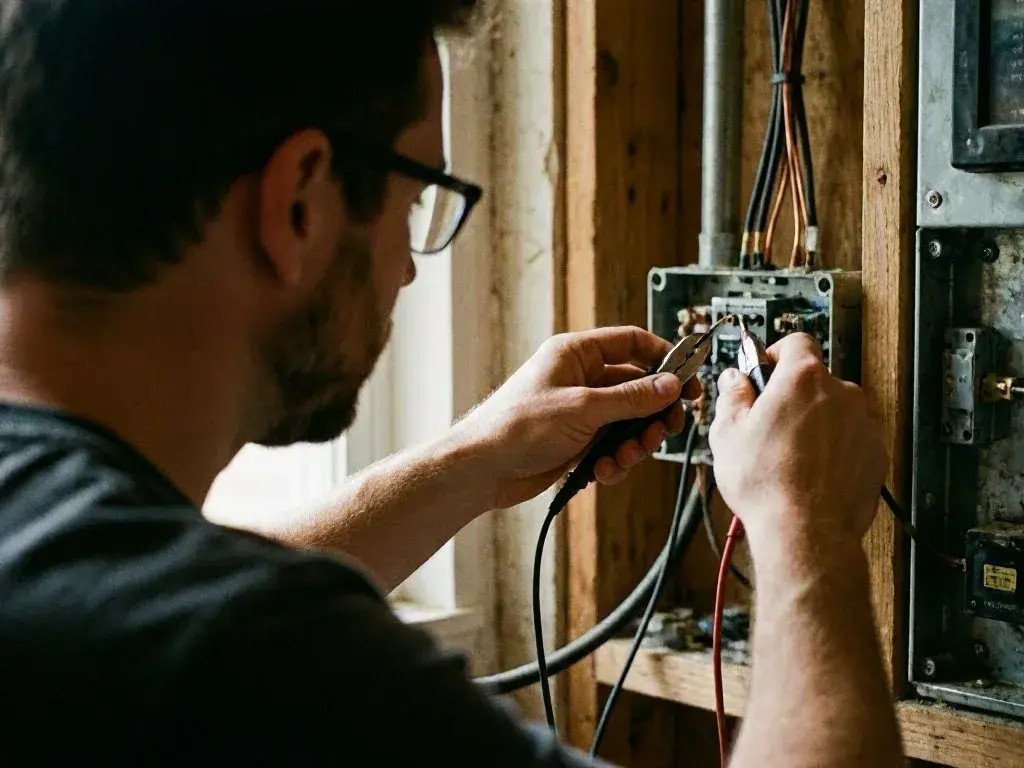
Transfer-switch work isn't a do-it-yourself portable generator setup. Wrong connections can cause shocks, fires, or equipment damage. A licensed electrician should check grounding and bonding. They should also test the system during startup.
How Can You Control Whole-Home Generator Installation Costs?
Homeowners can control costs by checking the load early. They can also choose a practical location and check the panel. Fuel needs should be confirmed before work starts. Compare estimates with the same included work. Planning before an outage gives time to solve problems.
Don't place the unit where snow or water can block it. Landscaping and stored items can cause problems too. Cincinnati weather can affect concrete, trenching, and fuel-line work. Seasonal planning may help avoid delays.
Think about future service before choosing the location. Filters, batteries, controls, and exhaust areas need safe space. Good access can make generator maintenance easier. It can also help prevent service problems.
For urgent outages, a 24 Hour Electrician can address immediate safety concerns. A permanent standby system still needs proper sizing and permits. It also needs installation, inspection, and testing. We provide Generator Installation for planned backup power systems. We provide Generator Repair when an existing unit won't start or transfer power. We can also discuss Generator Installation in Cincinnati during a project review.
At ElectricianCincinnatiOH.com, we review the home's power needs and equipment. We also check the fuel source, panel, and site. Then we prepare a project estimate. Contact us through our contact page to discuss the next step.
Questions About 24 Hour Electrician
How Much Does a Whole-House Generator Cost to Install in Cincinnati?
The cost depends on generator size, panel fit, transfer-switch design, and fuel work. Site access, mounting, permits, inspections, and testing also affect cost. A written estimate should list equipment and each service. Older Cincinnati homes may need an electrical panel upgrade.
What Is Included in Whole-Home Generator Installation?
The work often includes a site check and whole-home load calculation. It also includes generator choice, placement, mounting, and an automatic transfer switch. Wiring, fuel work, permits, inspection, startup, testing, and homeowner training may apply. Panel changes, trenching, and hard fuel work may cost extra.
How Do I Choose the Right Generator Size for My Home?
Use a professional whole-home load calculation. It should check running and starting watts. It should also check air conditioning, heat pumps, water heaters, pumps, and refrigerators. Square footage alone can't show true electrical demand.
How Long Does It Take to Install a Standby Generator?
Most standard installations take one to two workdays on site. Equipment, materials, and approvals must be ready first. Delivery, permits, concrete work, trenching, fuel changes, panel upgrades, and inspections can extend the full timeline.
What Does an Automatic Transfer Switch Do?
It watches utility power and starts the standby generator when needed. It then moves selected loads to generator power. When utility power returns, it moves the loads back. It also supports safe separation and NEC backfeed protection.
Does a Whole-House Generator Need a Permit in Cincinnati?
Residential standby generator work commonly needs a residential electrical permit and inspection. Requirements can depend on the job scope. Permit review and inspection affect the schedule. The electrician should confirm Cincinnati's current process before work begins.
Related Resources
Electrical Panel Upgrade vs. Full Service Upgrade: What Does Your Home Need?
electrical panel upgrade vs electrical service upgrade cost Cincinnati
How It WorksHot Tub Wiring: Installation Cost, Electrical Requirements, and Timeline
hot tub wiring electrician cost and process Cincinnati
What It SolvesWhy Your Breaker Keeps Tripping and When to Stop Resetting It
breaker keeps tripping
What It SolvesWhat a Buzzing or Crackling Electrical Panel May Mean
buzzing electrical panel