What causes circuit breakers to fail?
Corrosion, overheating, short circuits, and aging contacts can cause circuit breakers to fail. Cincelux Electric checks the breaker, panel connection, and affected wiring before replacement. Repeated trips can also point to an overloaded circuit or equipment fault. We explain whether the breaker is the main problem or part of a larger repair.
How does a replacement visit move from the first call to the last step?
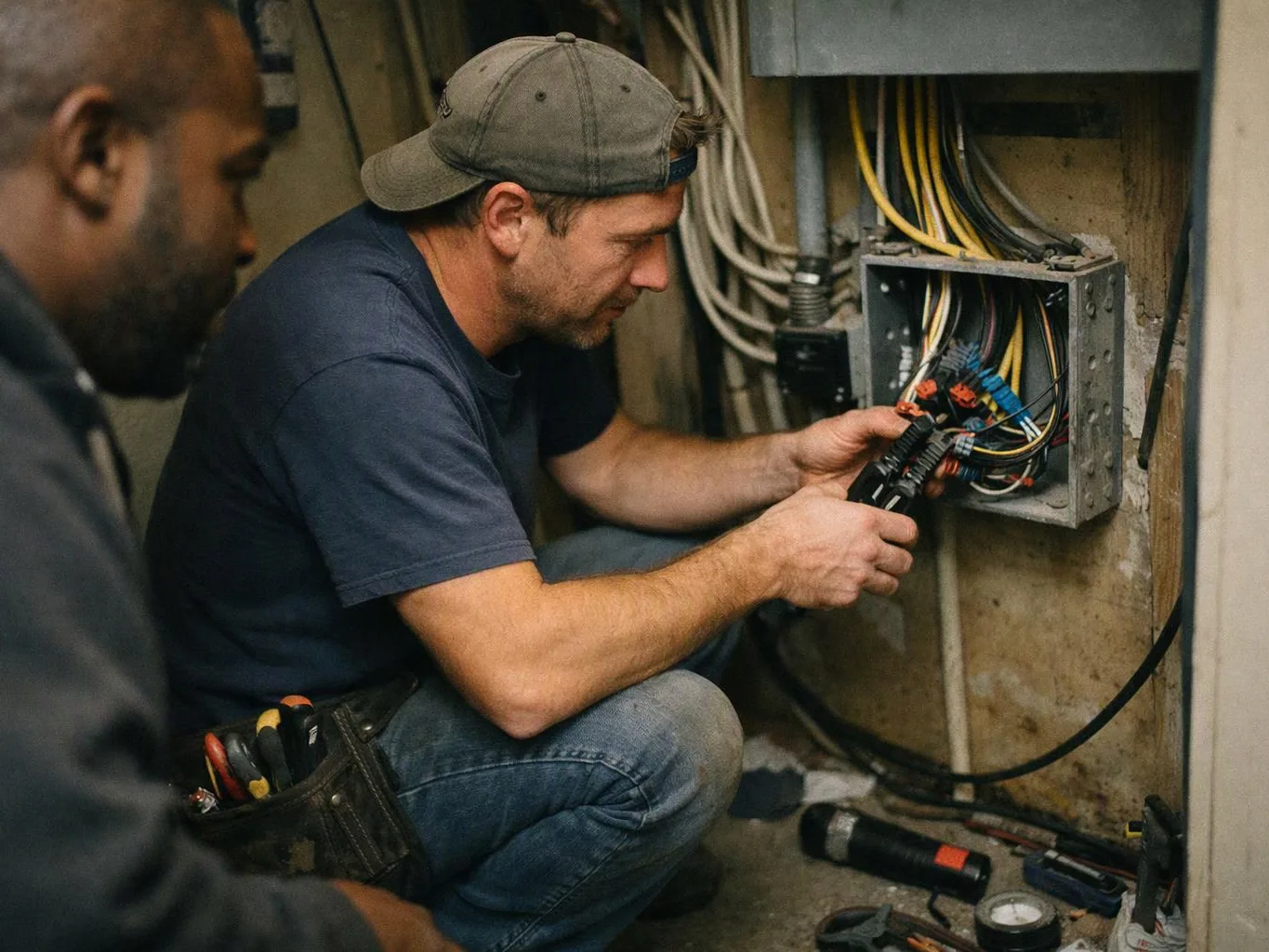
The visit moves from symptom review to circuit inspection, repair scope, breaker installation, and testing. We first identify the affected circuit and inspect the panel. The replacement follows only after we check for heat, loose connections, or wiring faults. Testing confirms the repaired circuit operates as expected.
What part of the property decides the replacement scope?
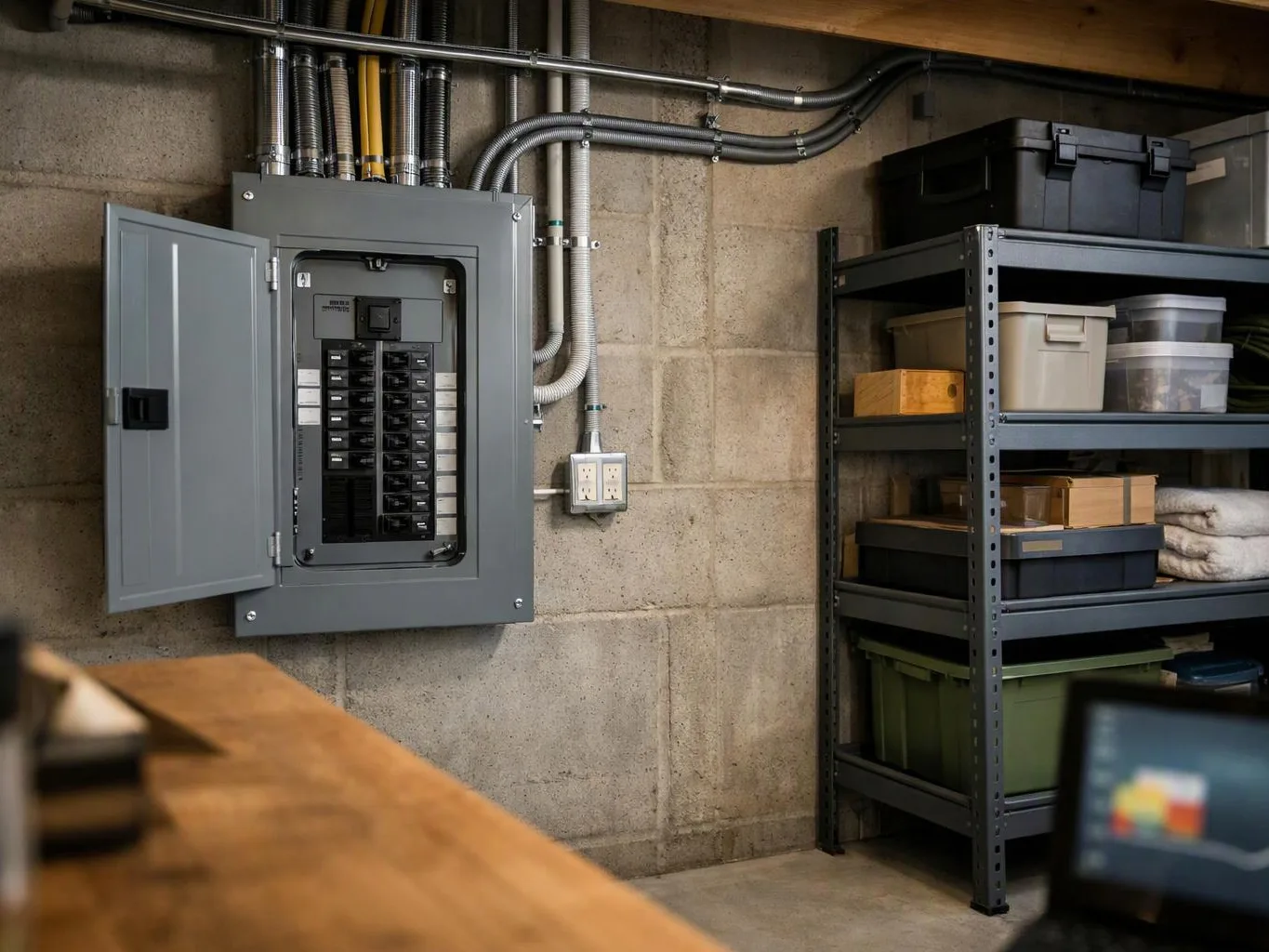
The electrical panel and affected circuit decide the replacement scope. A damaged breaker may need a focused repair, while heat marks, loose terminals, or faulty wiring call for added work. We also consider the connected outlets, lights, and equipment so the repair addresses the actual source of the failure.
When does a tripping breaker need urgent attention?
A breaker needs urgent attention when trips occur with a burning smell, buzzing panel, heat, smoke, or visible sparking. Turn off the affected circuit if it is safe to do so, and avoid repeated resets. We provide emergency electrical response for urgent concerns and assess the panel and wiring.
Which symptoms suggest the panel needs more than a new breaker?
Heat damage, repeated trips, damaged bus connections, and faulty wiring suggest the panel needs more than a new breaker. A replacement device cannot correct a failed connection or short circuit. We inspect the panel and circuit, then explain any added repair before the work proceeds.
How can a customer tell whether replacement fits the property?
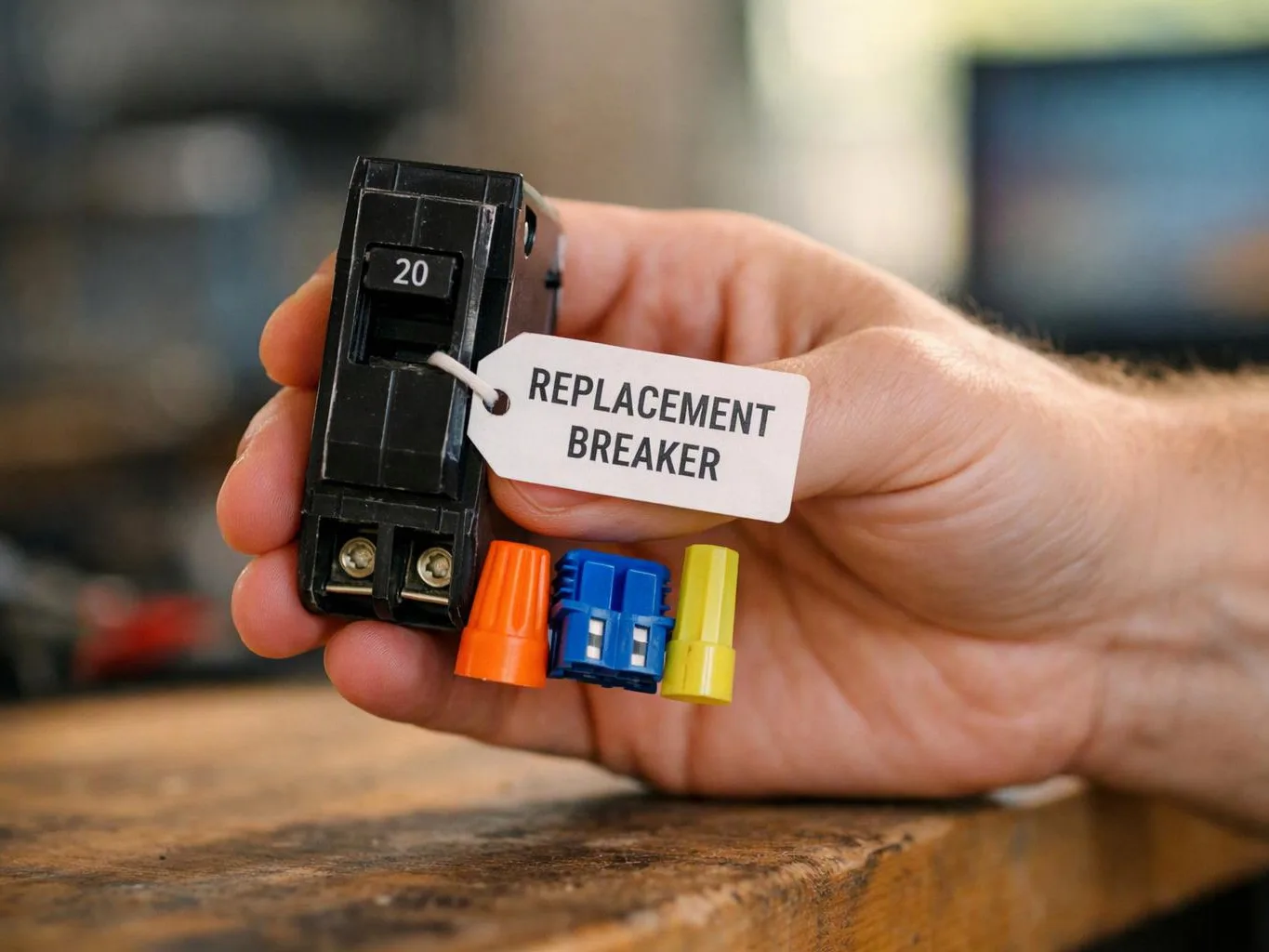
Breaker replacement fits when the breaker itself has failed and the panel and circuit can support a suitable replacement. A panel inspection helps confirm that fit. We check the breaker connection, circuit wiring, and connected load before choosing the repair.
What information should I provide when requesting an assessment?
The most useful details are the affected circuit, trip pattern, panel location, and warning signs. Tell us whether the problem affects outlets, lights, appliances, or business equipment. Photos of the panel can help with initial discussion, but we still inspect and test the circuit before setting the final scope.