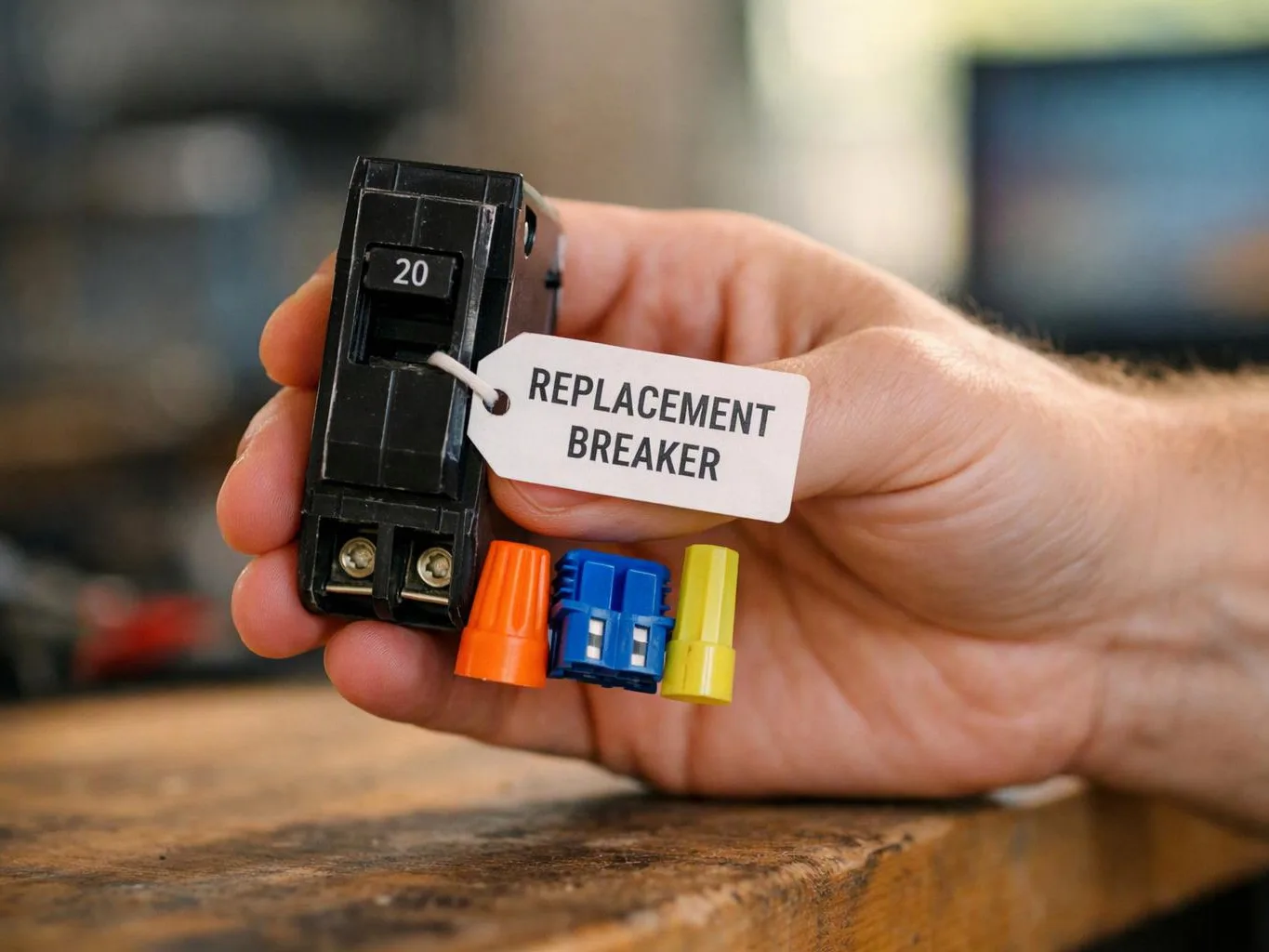
What is checked during circuit breaker replacement?
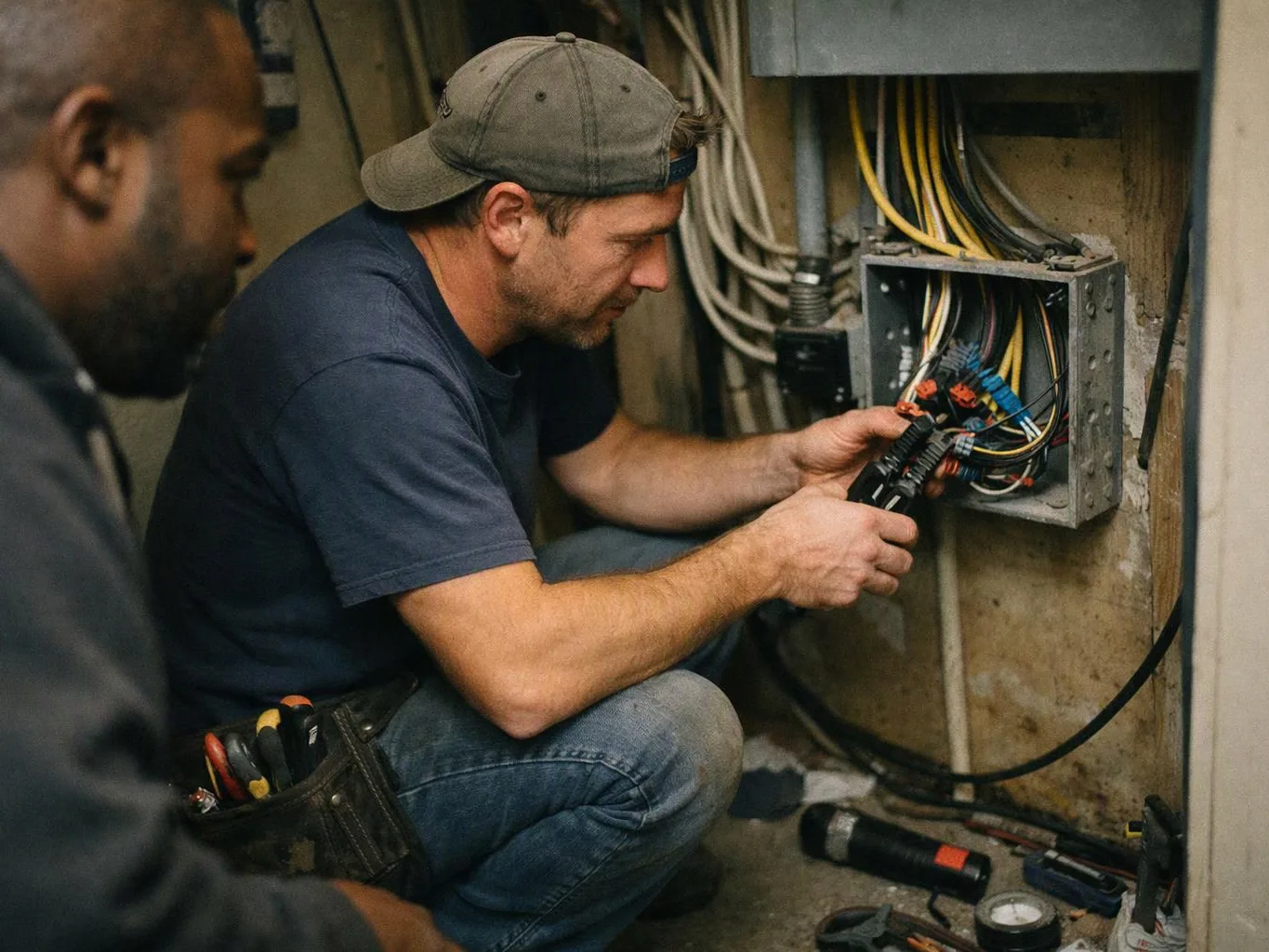
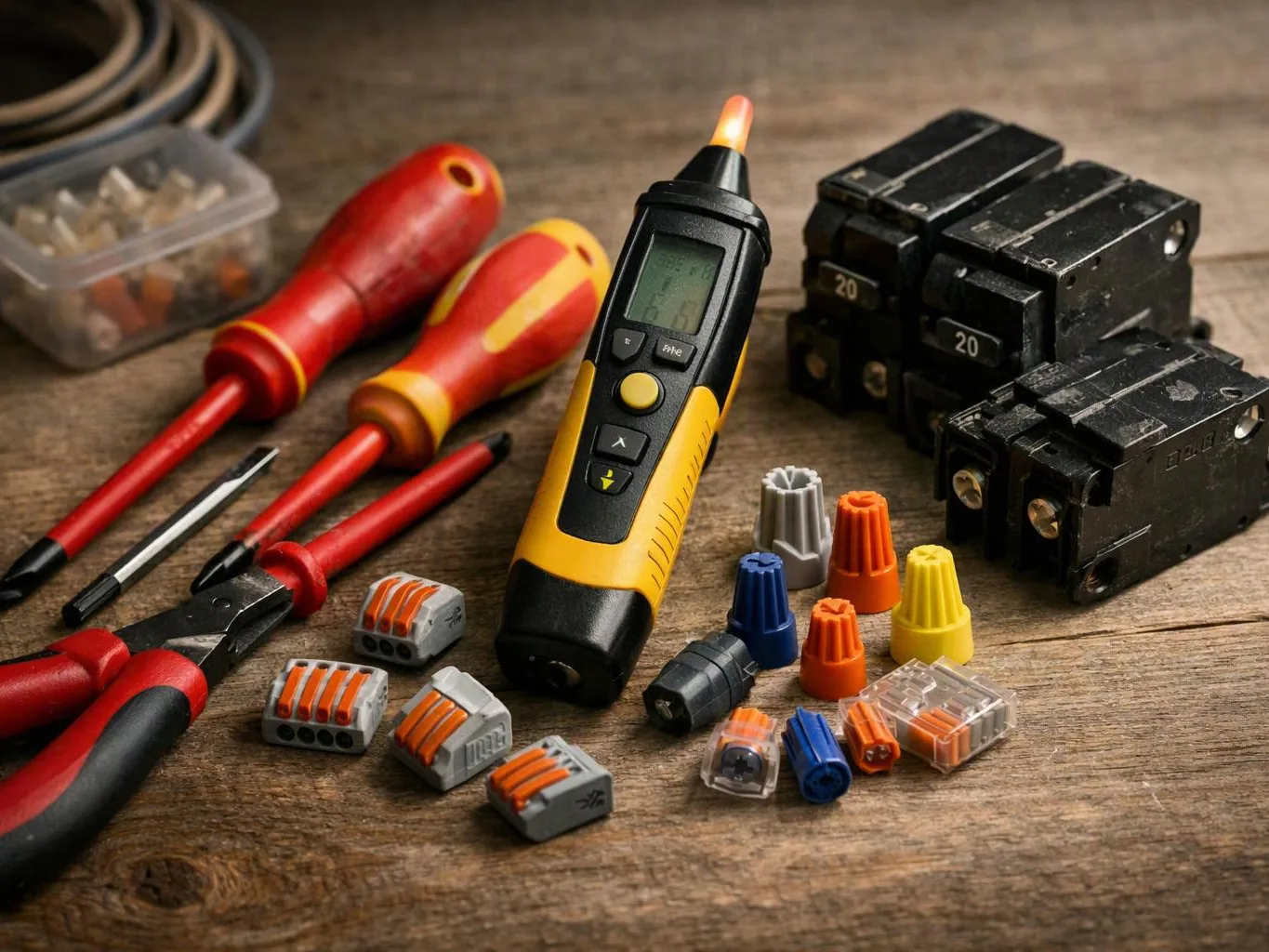
The bus connection is checked for damage, heat, and a secure fit before the breaker is replaced. We also inspect breaker compatibility, wire size, and terminal torque. The circuit is isolated during the work, then tested after installation. These checks help show whether the breaker caused the problem or whether the panel and wiring need more work.
How does a replacement visit move from the first call to the last step?
The visit moves from symptom review to circuit testing, part selection, installation, and final verification. We identify the affected circuit, inspect the panel, and confirm the replacement scope. After fitting the breaker, we restore power and test the circuit. Any separate wiring or load concern is explained before further work is considered.
Which material changes the circuit breaker replacement work?
The breaker and panel materials change the work when they are not compatible. We check the panel type, breaker fit, wire material, and terminal condition before installation. Aluminum wiring or damaged conductors can require separate corrective work. The inspection decides whether a breaker swap covers the issue or another repair is needed.
How can I tell whether breaker replacement fits my property?
Breaker replacement fits when the breaker has failed but the panel, wiring, and circuit remain suitable. Repeated trips, a dead circuit, or visible breaker damage calls for diagnosis. We inspect the panel and connected load before choosing the repair. A panel upgrade or wiring repair fits better when the fault extends beyond one breaker.
Why does a new breaker still trip after installation?
A new breaker can still trip when the circuit has excess load, damaged wiring, or a fault in connected equipment. We test the circuit and trace the problem beyond the breaker. Do not keep resetting a breaker that trips repeatedly, especially when the panel feels warm or produces a buzzing sound.
What information should I provide when requesting this repair?
The affected room, equipment, breaker position, and warning signs give us useful starting information. Tell us whether the breaker trips at once or after equipment runs, and mention heat, buzzing, or a burning smell. Photos of the closed panel can help with initial discussion, but they do not replace an electrical inspection.
Should I replace a circuit breaker myself?
Circuit breaker replacement should be handled by Cincelux Electric because the work involves an energized panel, circuit isolation, compatibility, and terminal connections. We inspect the panel before removing the part and test the circuit afterward. Turn off affected equipment and keep a repeatedly tripping circuit off until the electrical issue is assessed.