Which electrical hazards can an inspection identify?
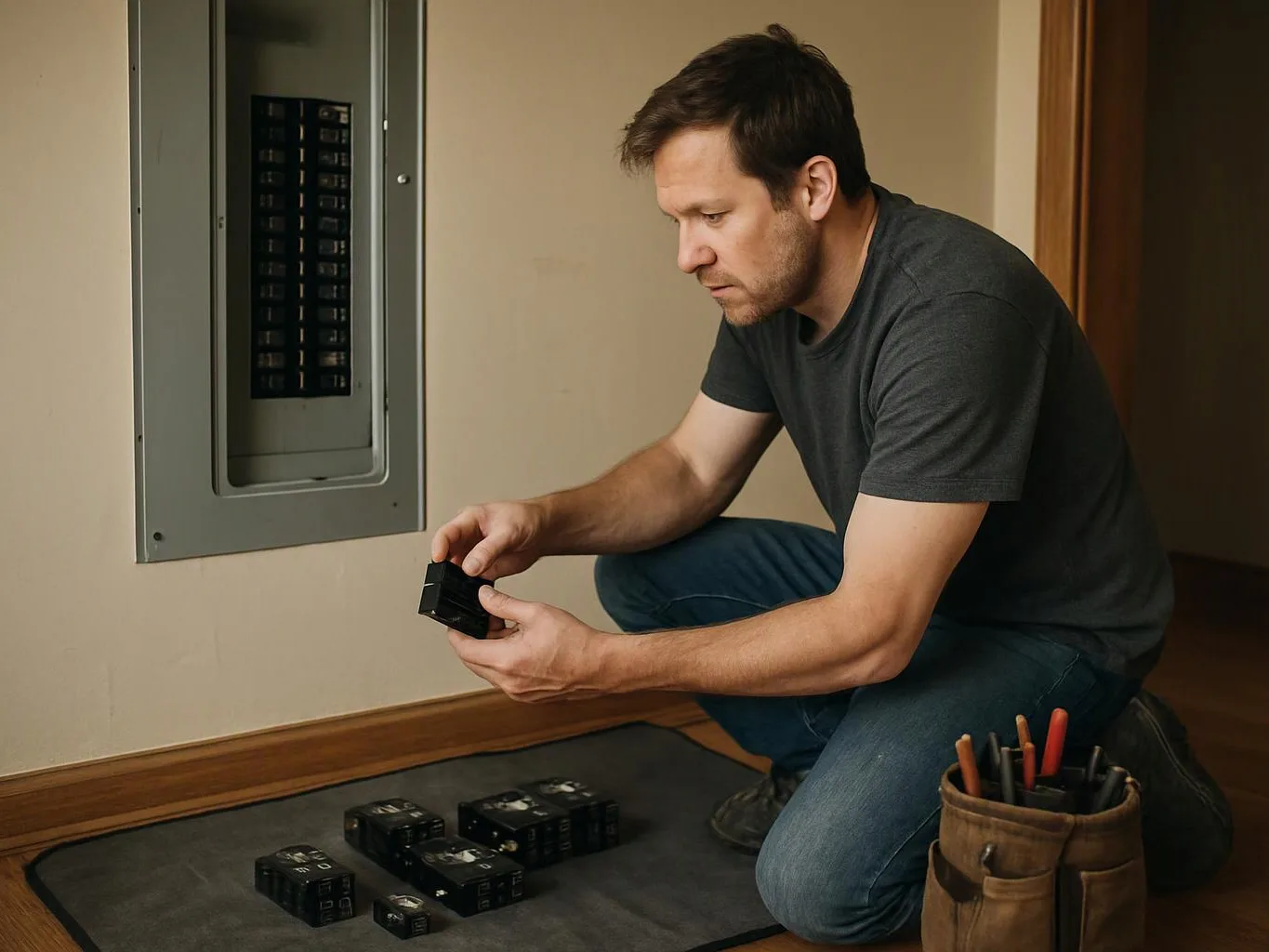
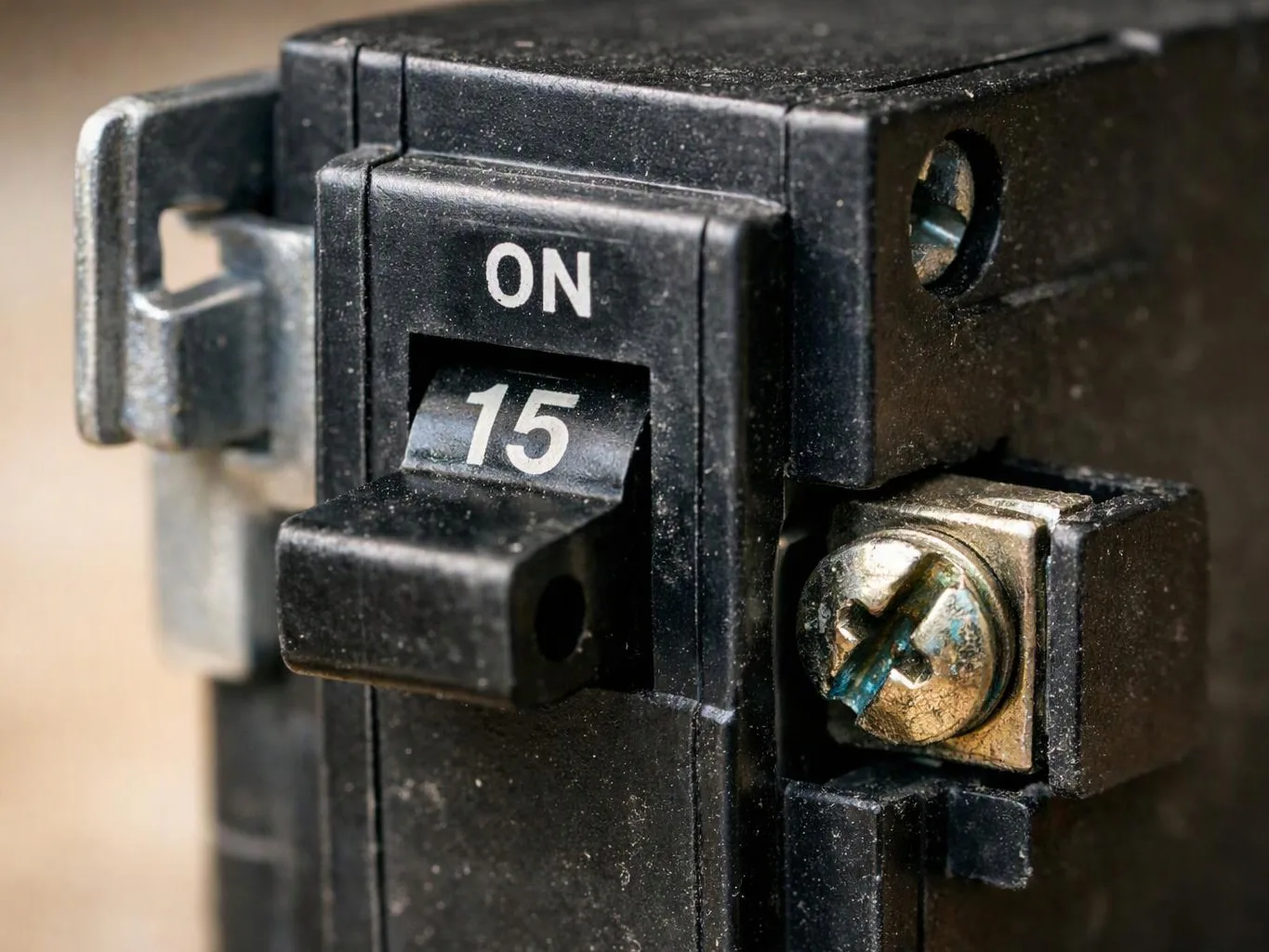
Exposed wiring, overloaded circuits, arc faults, loose connections, and missing grounding are hazards an inspection can identify. Cincelux Electric also checks panels, breakers, outlets, switches, and visible circuit paths. Findings show which conditions need urgent attention, repair planning, or further testing. The first step is to describe the warning sign and the affected part of the property.
What should be ready before the inspection starts?
Property access, the electrical panel, and a list of known warning signs should be ready before the inspection starts. Keep areas around panels, outlets, and switches clear. Note which devices were running when the problem appeared. Photos can help explain the concern, but they do not replace an on-site inspection.
Which property condition changes the inspection time?
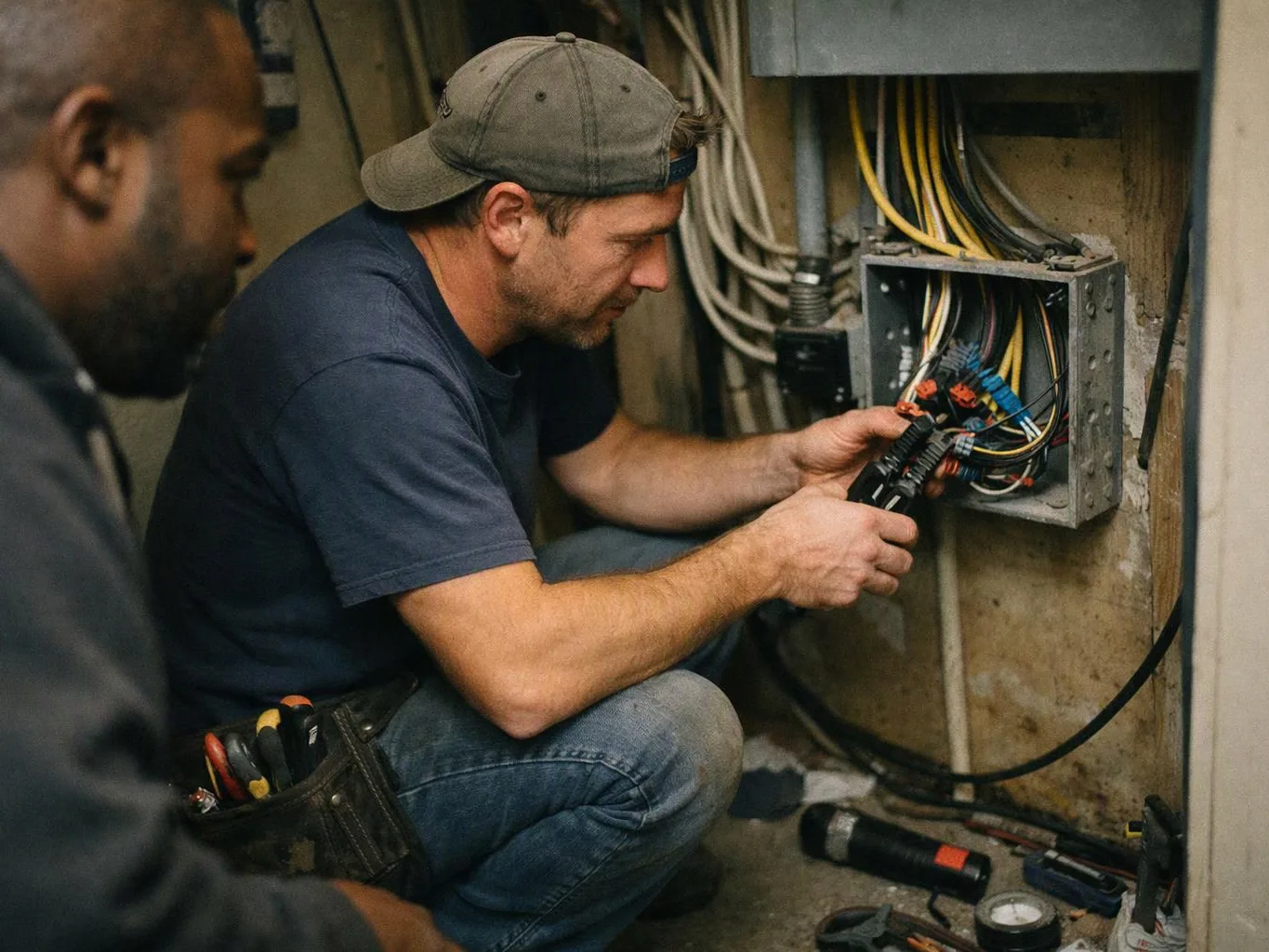
Limited access to panels, concealed wiring, and an unclear circuit layout can change the inspection time. Circuit tracing takes more work when outlets or breakers are not labeled. We explain the added scope after reviewing the property and the reported symptoms. Do not open energized equipment to make the inspection easier.
Why do lights flicker when a circuit is in use?
Flickering lights can result from a loose connection, overloaded circuit, failing device, or panel issue. We inspect the affected fixture and trace its circuit to check related connections. The inspection also looks for heat, damage, and weak grounding. Turn off equipment that creates a burning smell or visible sparking.
How does this inspection differ from troubleshooting?
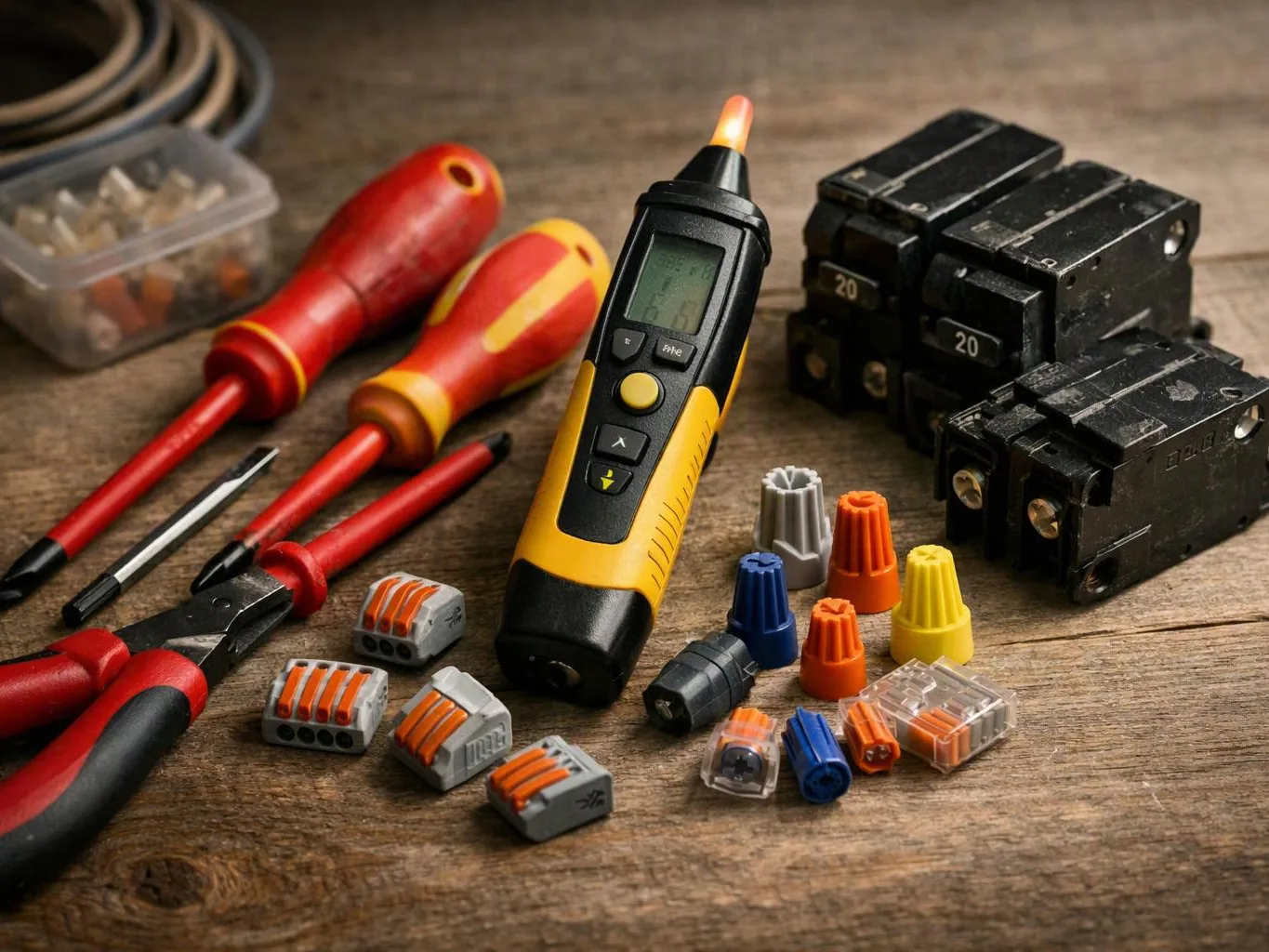
An electrical safety inspection reviews several hazard points, while troubleshooting targets the source of one active fault. We can use circuit tracing and testing in both services. The right choice depends on whether you need a wider safety review or a diagnosis of one dead outlet, tripped breaker, or failing fixture.
What should I ask before approving repair work?
Ask which hazard was found, which circuit is affected, and what repair removes the risk. Cincelux Electric can explain whether the work involves wiring, grounding, a breaker, an outlet, or a panel. Also ask what access the work needs and whether additional testing or a permit applies to the repair scope.
When should a property owner stop using a circuit?
Stop using a circuit when you notice burning smells, sparking, a buzzing panel, hot switch plates, or repeated breaker trips. Move away from damaged areas and avoid touching exposed conductors. We can assess the condition and explain the next safe step. Call emergency services if an electrical problem causes an active fire.