Why do my lights flicker or dim?
An overloaded circuit, loose neutral, aging ballast, or voltage drop can cause flickering or dimming. Cincelux Electric checks the panel, circuit connections, fixtures, and load path to identify the cause. Turn off equipment that shares the circuit if you notice heat, burning odor, buzzing, or sparking.
How does an electrical troubleshooting visit move from the first call to the last step?
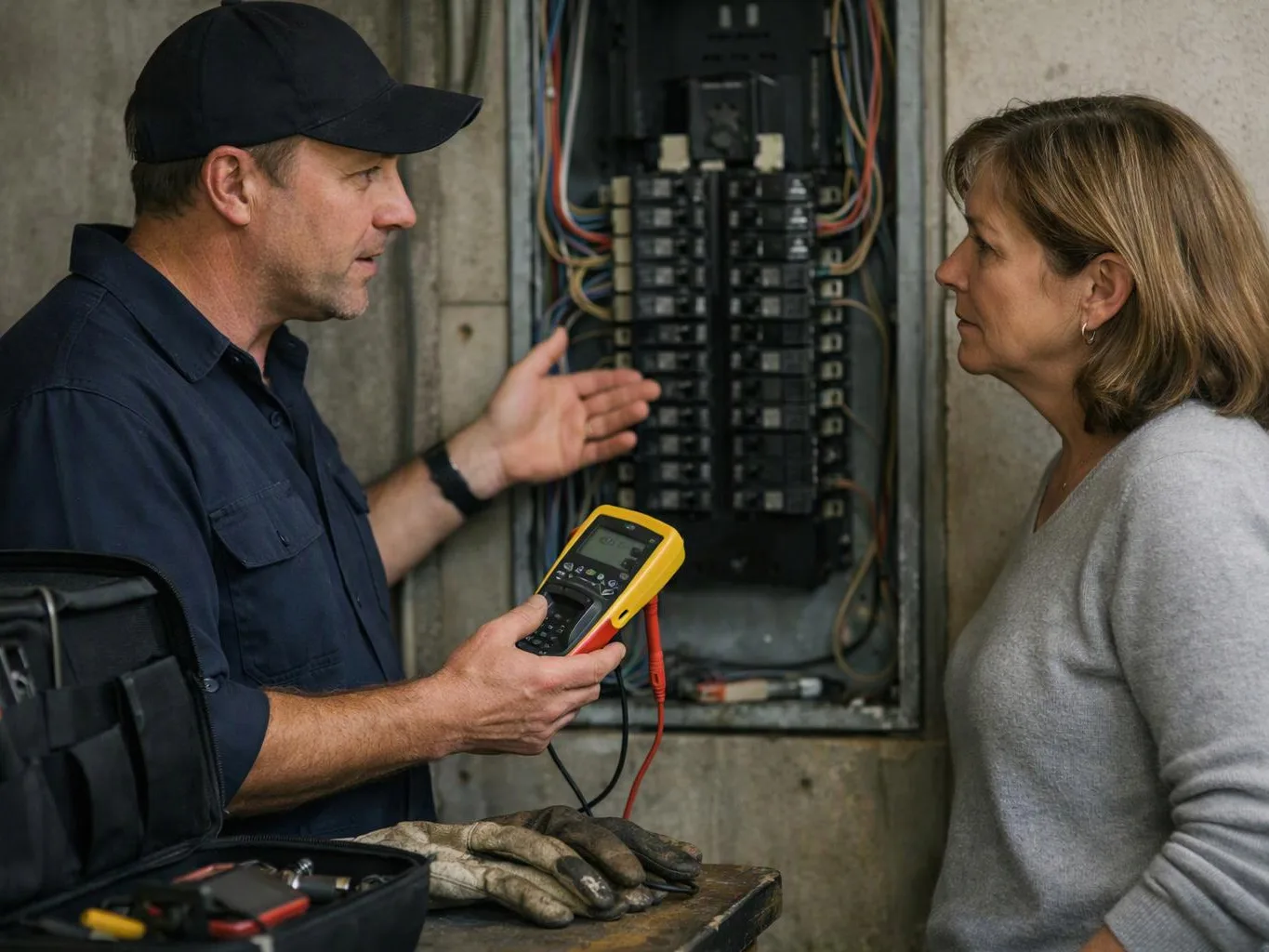
The visit moves from symptom review to inspection, circuit testing, repair planning, and final verification. We first record the affected equipment and conditions. Then we trace the circuit, explain the finding, provide a free estimate, and test approved work after completion.
What part of the property decides the troubleshooting scope?
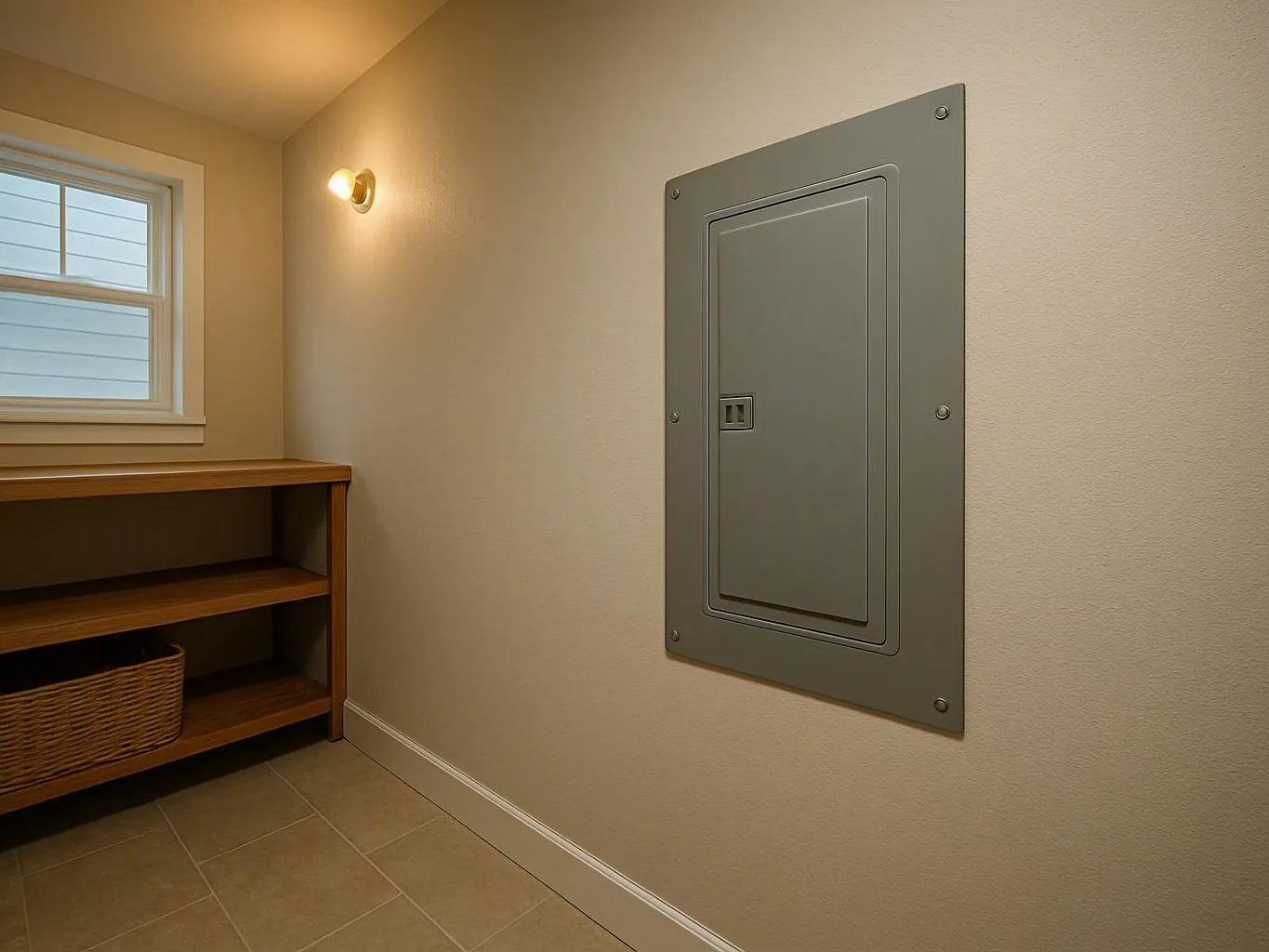
The affected panel, branch circuit, fixture, outlet, or wiring path decides the troubleshooting scope. Access matters because concealed wiring needs a different inspection approach from an exposed panel or fixture. We identify the fault area first, then explain whether the job calls for repair, rewiring, or a panel change.
Which material changes how long troubleshooting takes?
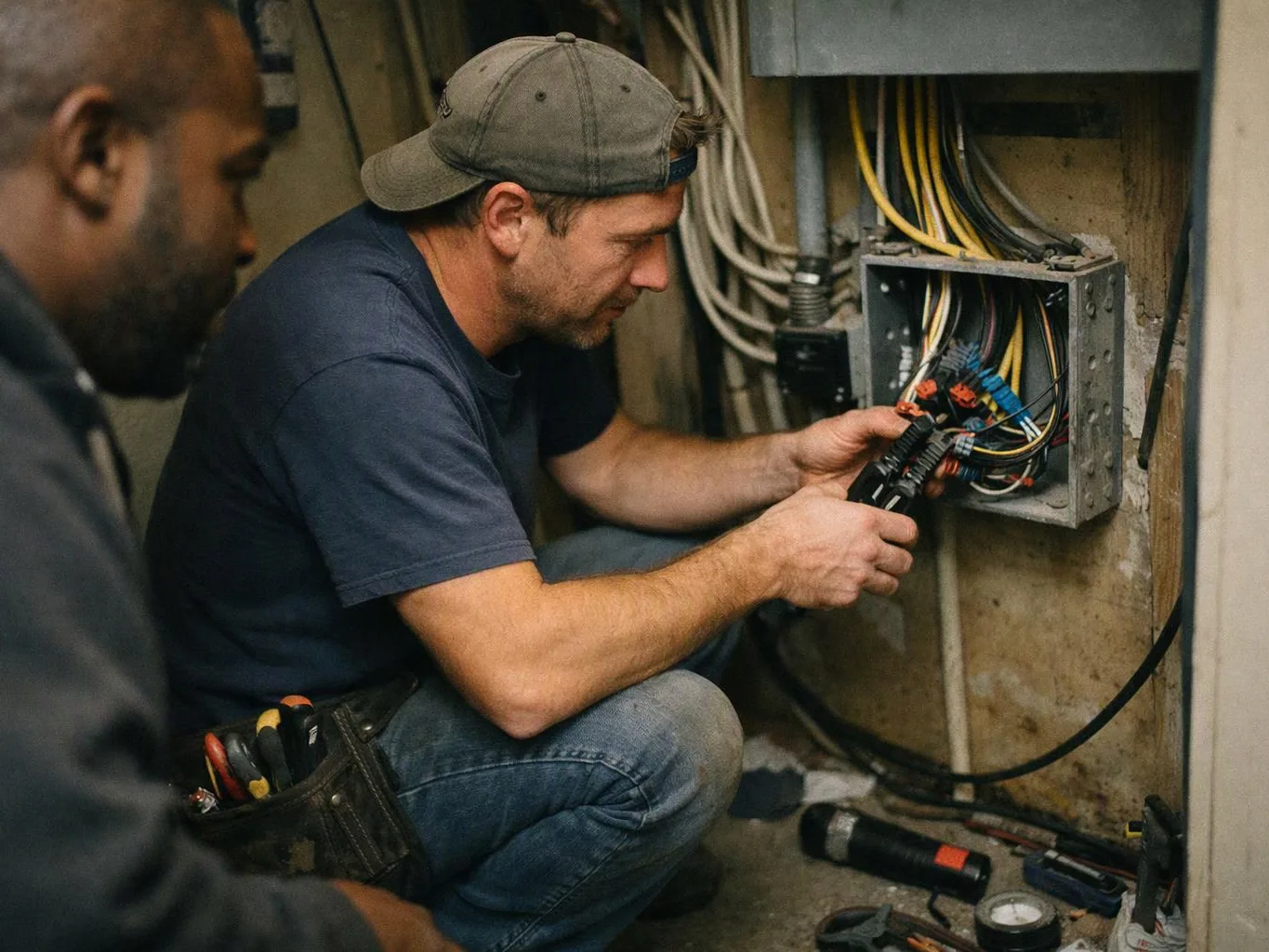
Concealed wiring, damaged insulation, aluminum wiring, and hard-to-access connections can add testing and repair steps. We check the material and connection condition before setting the work scope. Share the property's wiring history if you know it, especially when older wiring or past alterations are involved.
When should I request urgent electrical service?
Request urgent service when flickering comes with burning odor, smoke, sparking, heat, or a buzzing panel. Turn off the affected equipment if safe and avoid touching damaged parts. Our 24-hour emergency electrical response handles urgent electrical concerns, while a live person answers calls anytime.
What information should I provide before scheduling an assessment?
The affected room, fixture, appliance, breaker activity, and visible warning signs help us prepare for the assessment. Photos can help when they show the panel label or damaged outlet without exposing anyone to danger. Do not remove covers or handle wiring to gather more information.
Should I replace a circuit breaker myself?
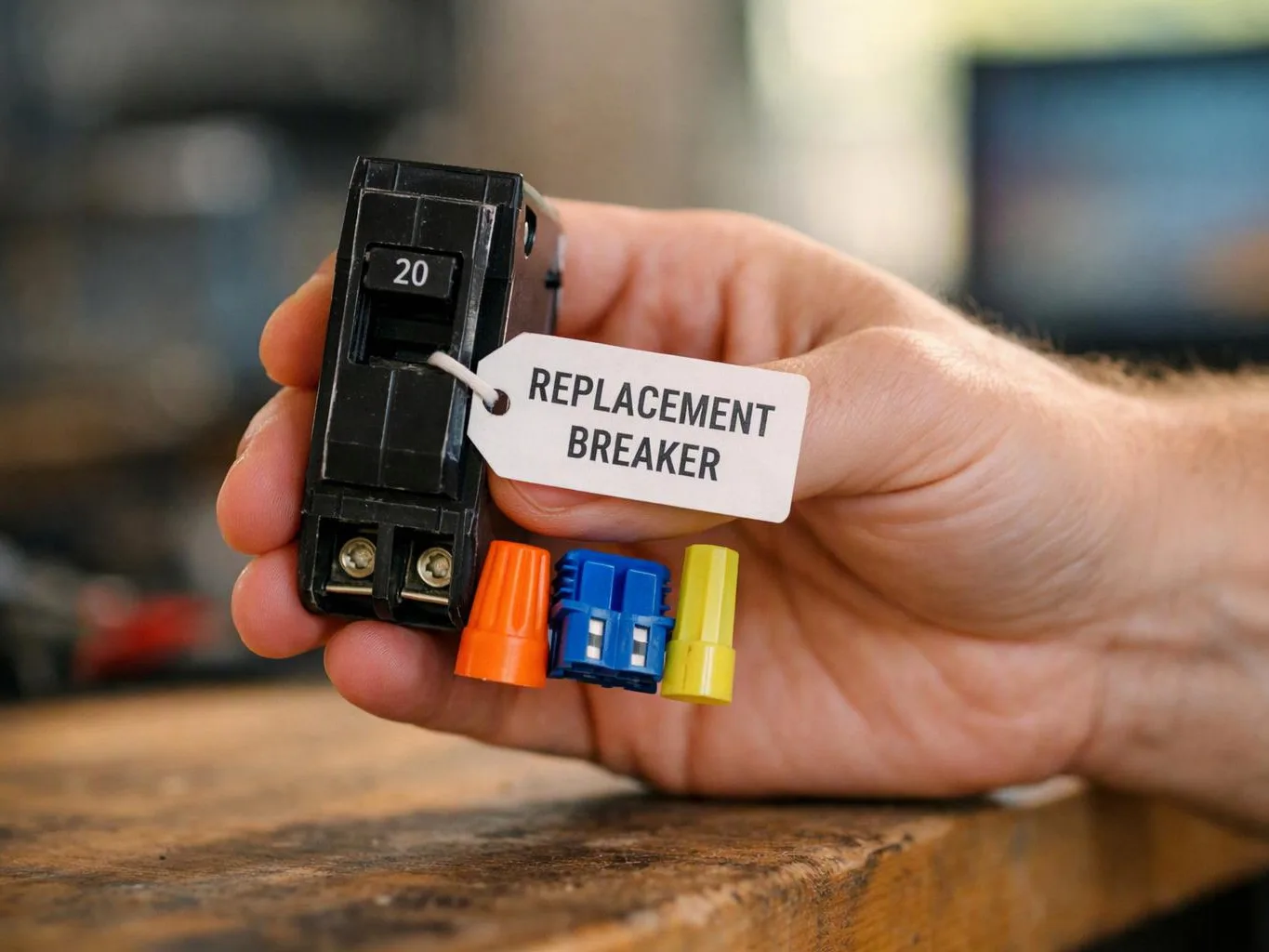
No, a breaker replacement should follow testing because the breaker may not be the root cause. The circuit could have a wiring fault, excess load, loose connection, or panel problem. We inspect the circuit and panel, then explain the repair needed before any replacement work begins.