
Skip to content

Electrical Troubleshooting in Springdale, Ohio

Flickering lights with an aging ballast need careful checks in Springdale. We trace the fault, inspect related wiring, and explain the next repair step.

Licensed & InsuredFree EstimatesWarranty AvailableSame-Day Service

Quick Summary: electrical fault checks in Springdale, Ohio

Supporting Springdale means adapting our process to the specific scope each client brings.

  • What we do: Cincelux Electric provides Electrical Troubleshooting for homes, businesses, and property managers in Springdale, Ohio.
  • What is included: Circuit tracing, panel checks, wiring inspection, breaker testing, fixture checks, and fault isolation.
  • What you get: The customer receives a clear diagnosis and a practical repair or replacement decision.

Why do my lights flicker or dim in Springdale, Ohio?

An aging ballast can make lights flicker or dim, but a loose neutral, overloaded circuit, or voltage drop can cause similar symptoms. We test the fixture and circuit to separate a lighting fault from a wider wiring or panel problem.

Electrical Troubleshooting for Springdale lighting faults

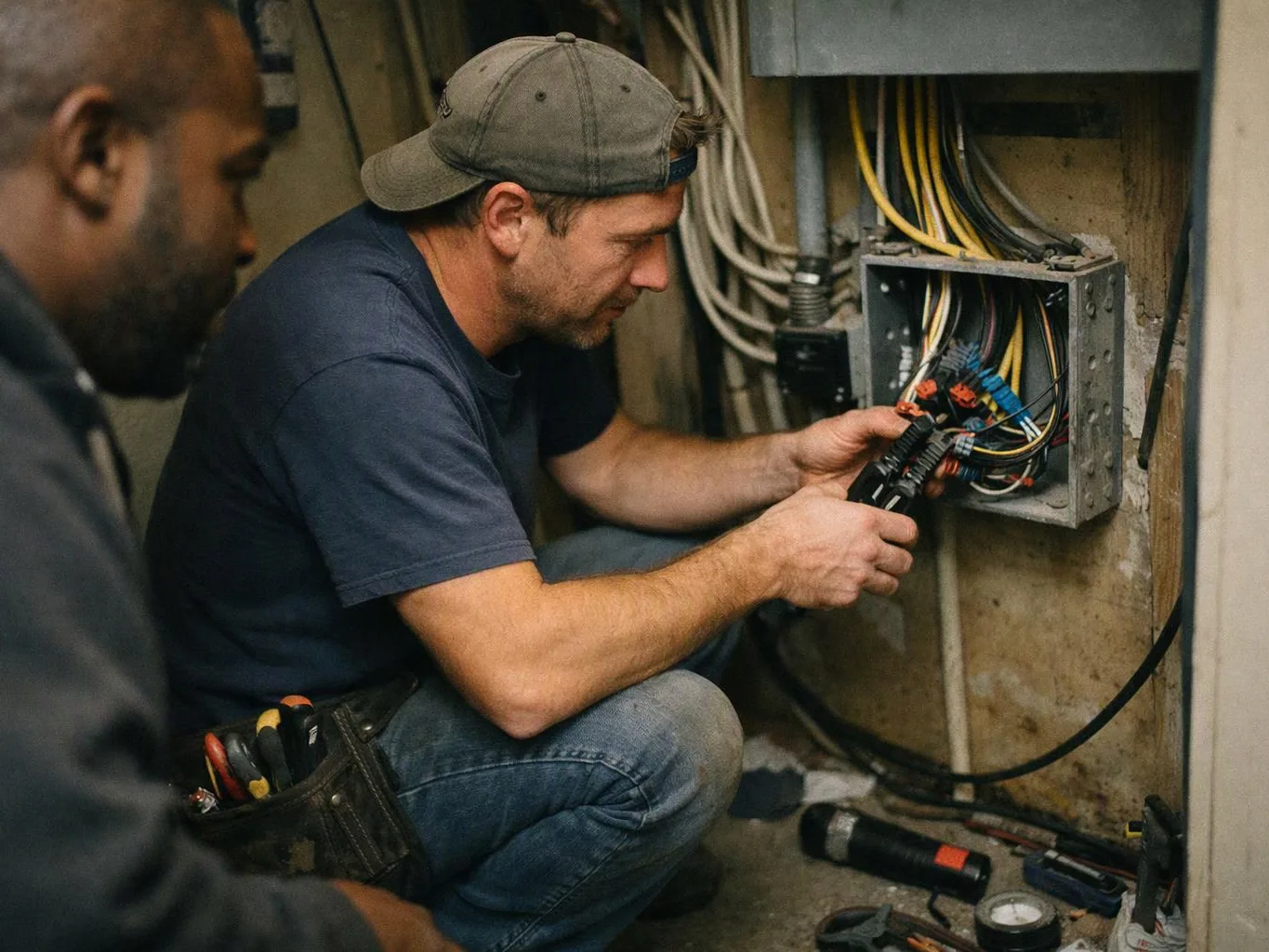
Flickering or dim lights deserve more than a bulb change when the issue keeps returning. In Springdale, electrical troubleshooting helps separate a failing fixture from a circuit, neutral, or panel fault.

The key buyer decision is whether the problem stays at one light or affects several fixtures. A single affected fixture points toward its ballast, socket, switch, or connection. Several affected lights can point to circuit loading, a loose neutral, voltage drop, or a panel issue.

We inspect the symptom, trace the circuit, and explain the repair scope. This page focuses on finding the cause of lighting changes, not simply installing a new fixture.

  • Note whether one light or several lights flicker.
  • Record whether the problem starts when another appliance runs.
  • Check for buzzing, heat, burning smells, or visible damage.
  • Keep access clear to the fixture, switch, panel, and affected room.
  • Ask for a diagnosis before choosing repair or replacement.
A hard hat worker stands by a brick wall, holding a tool bag beside a white van and ladder

Service Overview

Electrical Troubleshooting is a diagnostic service that finds faults in circuits, wiring, panels, outlets, switches, and electrical fixtures.

  • Repair work replaces or fixes the failed part, while troubleshooting identifies the fault before that work begins.
  • Cincelux Electric provides this service for homes, businesses, and property managers in Springdale.

What lighting fault checks include

Cincelux Electric provides comprehensive Electrical Troubleshooting in Springdale. Here's what you get:

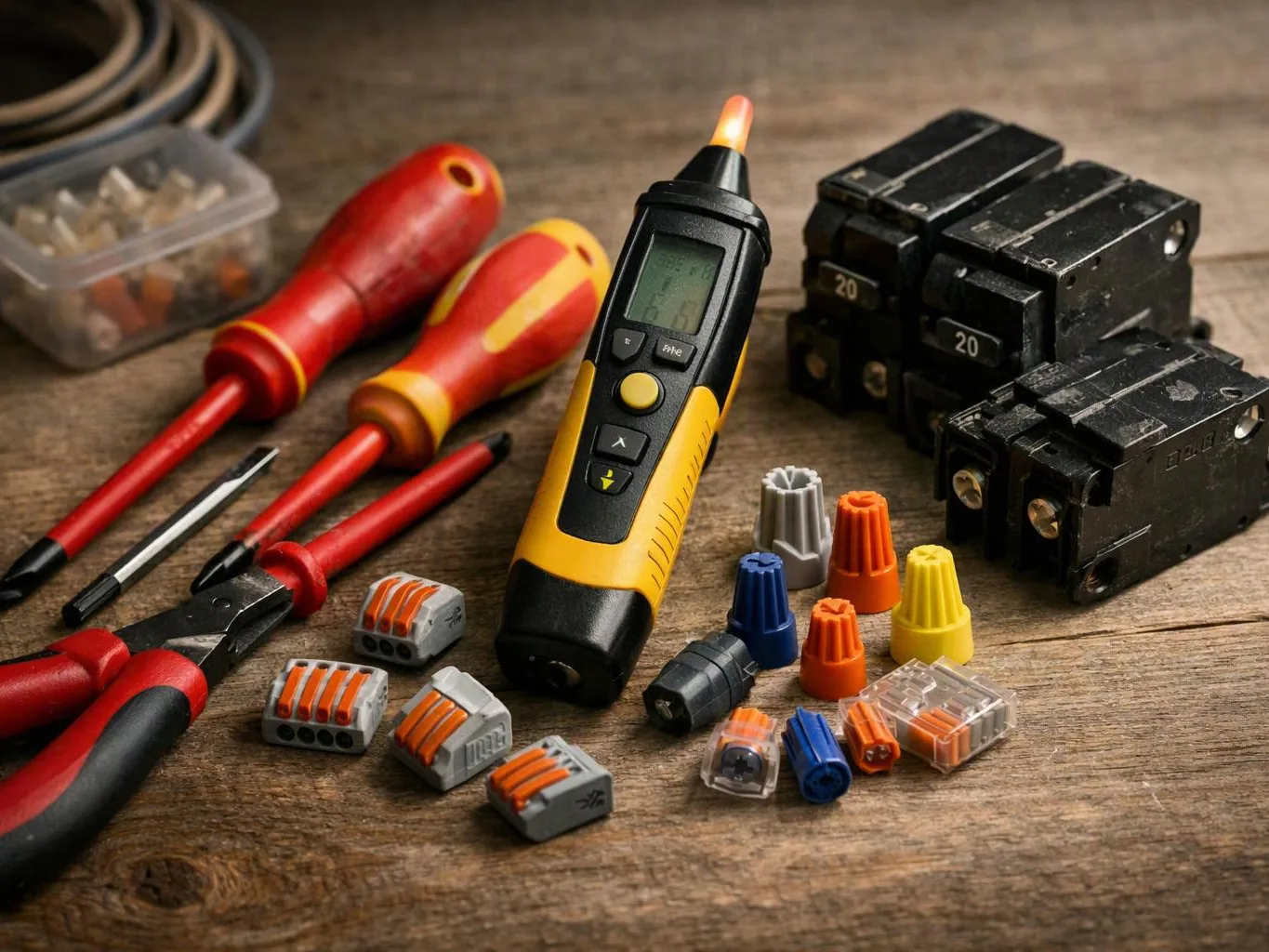
  • We inspect the affected light fixture, lamp, ballast, switch, and visible connections.
  • We trace the circuit from the fixture toward the panel.
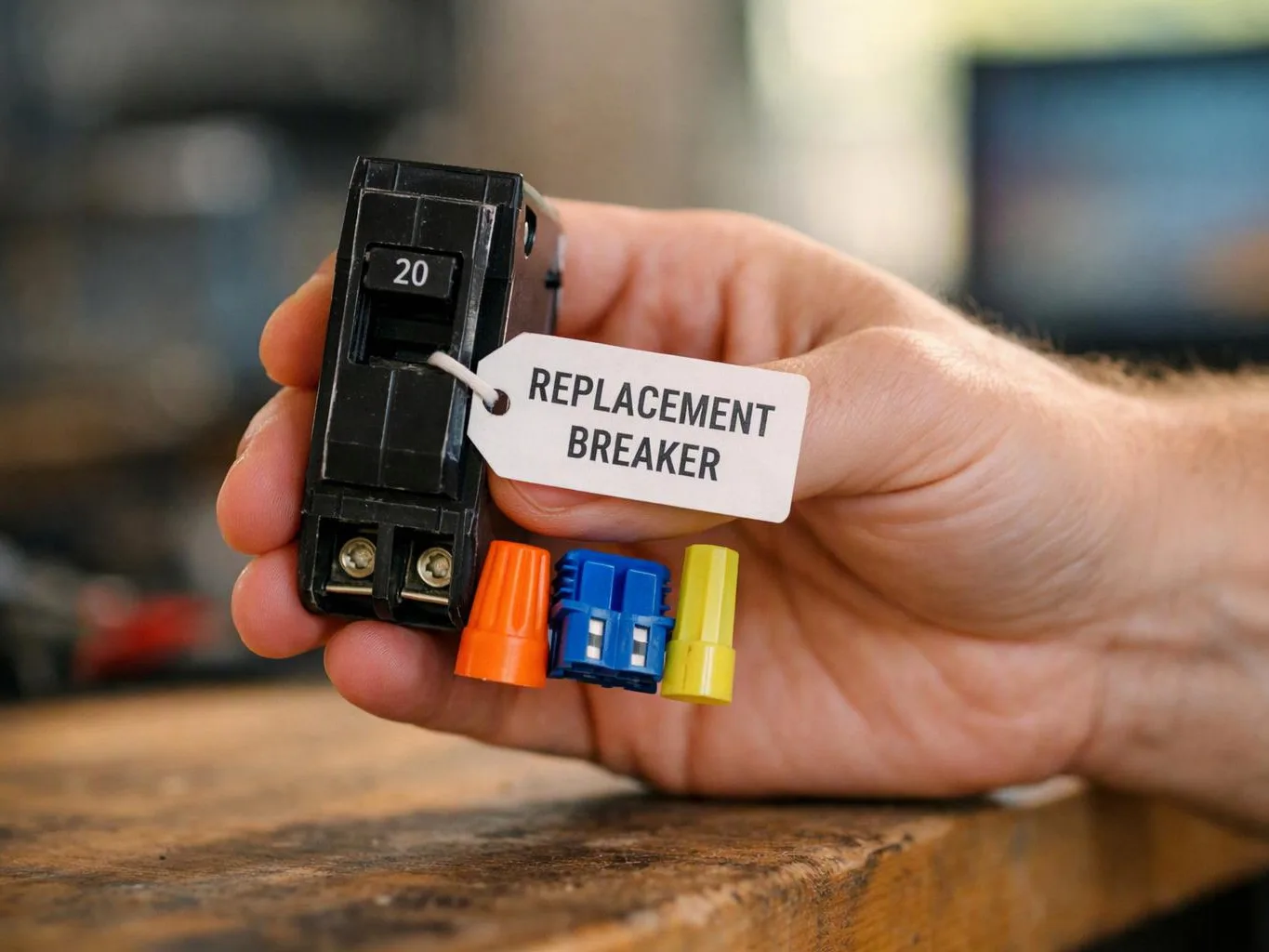
  • We test breakers and look for signs of an overloaded circuit.
  • We check neutral and grounding connections when the symptoms point beyond the fixture.
  • We compare the reported symptom with test results before defining repair work.
  • We explain whether the issue calls for repair, replacement, or a broader electrical upgrade.

The scope this service is meant to handle

A typical situation involves lights that dim when another load starts. We check the fixture, circuit connections, breaker, and neutral path, then test for voltage drop. If the fault reaches the panel or service equipment, the repair scope changes.

We explain any needed correction before work proceeds.

How we approach flickering and dimming lights

We trace the actual fault

We start with the reported symptom and follow the circuit through the fixture, switch, connections, and panel. That approach helps us separate a failed lighting part from a wiring problem.

We explain repair choices

Our findings guide the choice between fixture repair, ballast replacement, circuit work, or a larger panel concern. We give clear answers before repair work begins.

We know when testing is not enough

If the issue is a planned lighting upgrade or a full rewiring project, troubleshooting alone is the wrong service. We identify that change in scope and discuss the electrical work that fits.

Process

How we trace flickering and dimming lights

1

Record the lighting symptom

We ask which fixtures flicker, when dimming starts, and whether another load runs at the same time. These details help set the first inspection point.

2

Inspect the fixture and controls

We check the lamp, ballast, socket, switch, visible wiring, and signs of heat or damage. A single failed part can create a symptom that resembles a circuit fault.

3

Trace the affected circuit

Circuit tracing links the fixture to its breaker and related devices. We look for an overloaded circuit, loose neutral, grounding concern, or damaged connection.

4

Test the suspected cause

We use electrical testing to compare the reported symptom with the circuit and panel condition. Voltage drop and unstable connections receive attention when several lights change together.

5

Explain the repair scope

We describe the finding and the practical next step. The work may involve a fixture repair, wiring repair, breaker service, panel replacement, or a separate lighting upgrade.

What a lighting diagnosis changes

You get a clearer choice between replacing one failed fixture and correcting a circuit fault.

Testing can show whether a flicker is limited to one light or affects the wider circuit.

A documented fault helps guide the next repair without guessing from the symptom alone.

Early attention to buzzing, heat, or repeated dimming helps address a possible electrical hazard.

Free estimates help you review the proposed work before moving ahead.

Choosing the right response to changing lights

These options separate a fixture problem from circuit work and planned installation needs.

Job typeBest fitWhat we check first
Fixture troubleshootingOne light flickers, dims, buzzes, or failsBallast, lamp, socket, switch, and fixture wiring
Circuit troubleshootingSeveral lights change or a breaker tripsCircuit load, neutral, grounding, breaker, and voltage
Lighting installationThe customer wants a new fixture or lighting layoutFixture location, wiring path, switch control, and installation scope

The Cincelux Electric Standard

  • Urgent Assistance
  • Residential Commercial Service
  • Service Diagnosis
  • Repairs And Maintenance

Questions about flickering and dimming lights

Why do my lights flicker or dim?

An aging ballast is one possible cause of flickering or dimming lights. A loose neutral, overloaded circuit, voltage drop, failing switch, or panel connection can create similar symptoms. We inspect the fixture first, then trace the circuit when the fault affects more than one light. Turn off a fixture that smells hot or shows scorch marks.

What should I check before scheduling electrical troubleshooting?

The affected fixture, switch, breaker, and nearby electrical smell or heat are useful details to check before scheduling. Do not remove covers or handle exposed wiring. Note whether one light or several lights change, whether an appliance starts at the same time, and whether the breaker trips. Those details help us plan the first inspection.

Who is a good fit for electrical troubleshooting, and who needs a different service?

Cincelux Electric provides troubleshooting for flickering lights, dimming, breaker problems, faulty wiring, and unexplained electrical changes. A planned fixture installation, lighting upgrade, or full rewiring project needs an installation or upgrade scope instead. We can identify that distinction during the assessment and explain the work that matches the property.

What happens at each stage of the electrical fault check?

The process starts with the symptom, moves through fixture and circuit inspection, and ends with tested repair options.

  1. We record when and where the symptom occurs.
  2. We inspect the fixture, switch, and visible connections.
  3. We trace and test the circuit.
  4. We explain the repair scope and estimate.

Which part of a lighting fault changes the repair cost?

The fault location changes the repair cost because a fixture part needs a different scope from wiring or panel work. Access, the number of affected circuits, required parts, and the repair selected also matter. We review those factors in a free estimate after checking the reported symptom.

When should flickering lights become an urgent electrical concern?

Flickering becomes urgent when it occurs with a burning smell, buzzing panel, warm switch plate, sparks, or repeated breaker trips. Stop using the affected circuit if it appears unsafe, and keep clear of damaged parts. We handle urgent electrical calls and can assess whether the problem involves the fixture, wiring, breaker, or panel.

How can I tell whether the utility or my electrical system is at fault?

A utility issue often affects power beyond one fixture or circuit, while an internal fault may stay with a panel, branch circuit, or light. We inspect the property-side electrical system and explain what the findings show. Report a wider outage to the utility, and request electrical troubleshooting when power returns but the lighting fault remains.
Contact

Get a Free Estimate for Lighting Fault Checks in Springdale

Request an assessment of the fixture and affected circuit, and urgent requests get priority scheduling.

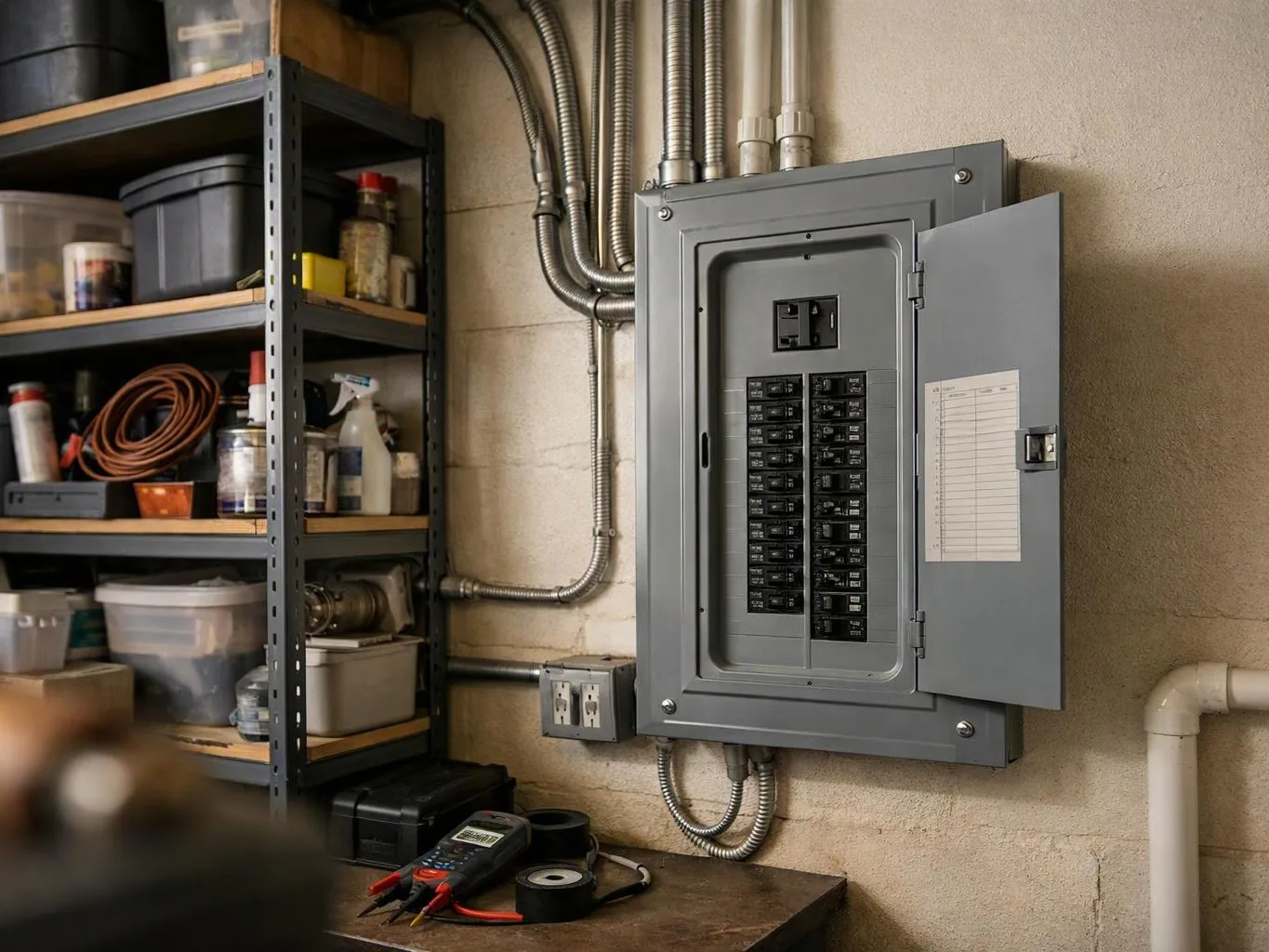
An open electrical breaker panel hangs on a basement wall beside metal shelving and a cluttered workbench

Electrical Troubleshooting in Other Areas

(513) 586-5812