How do electricians diagnose intermittent power problems?
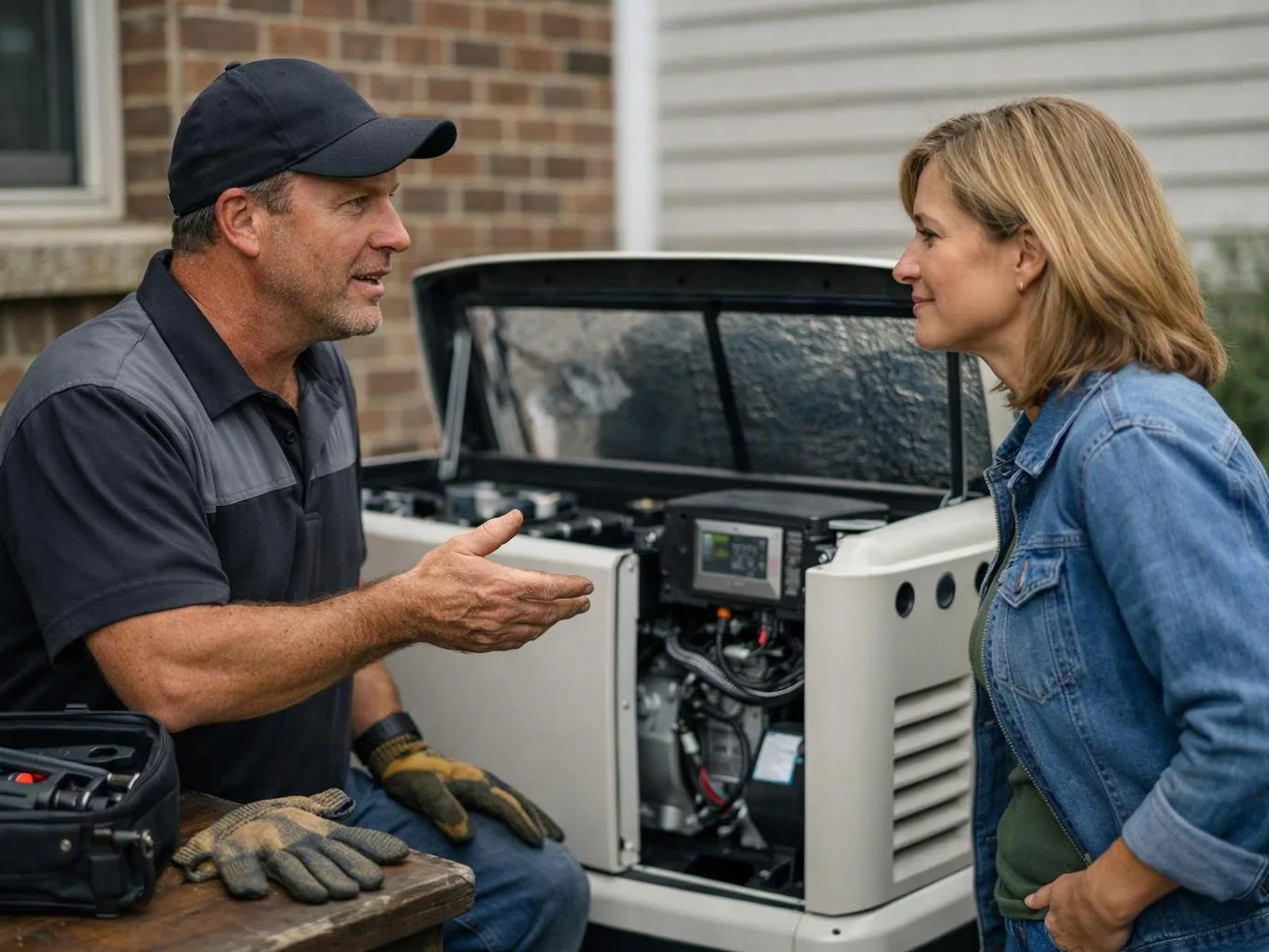
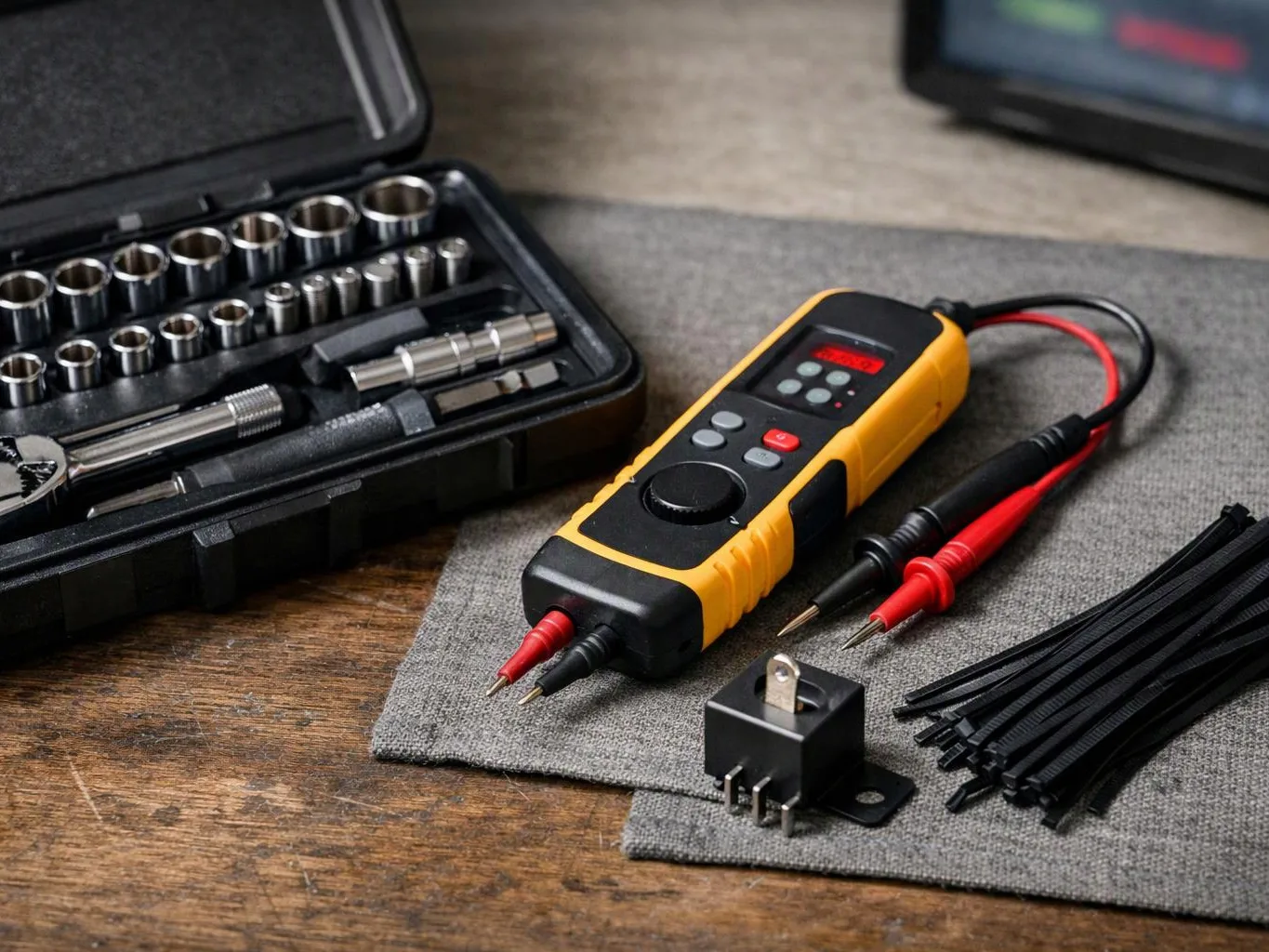
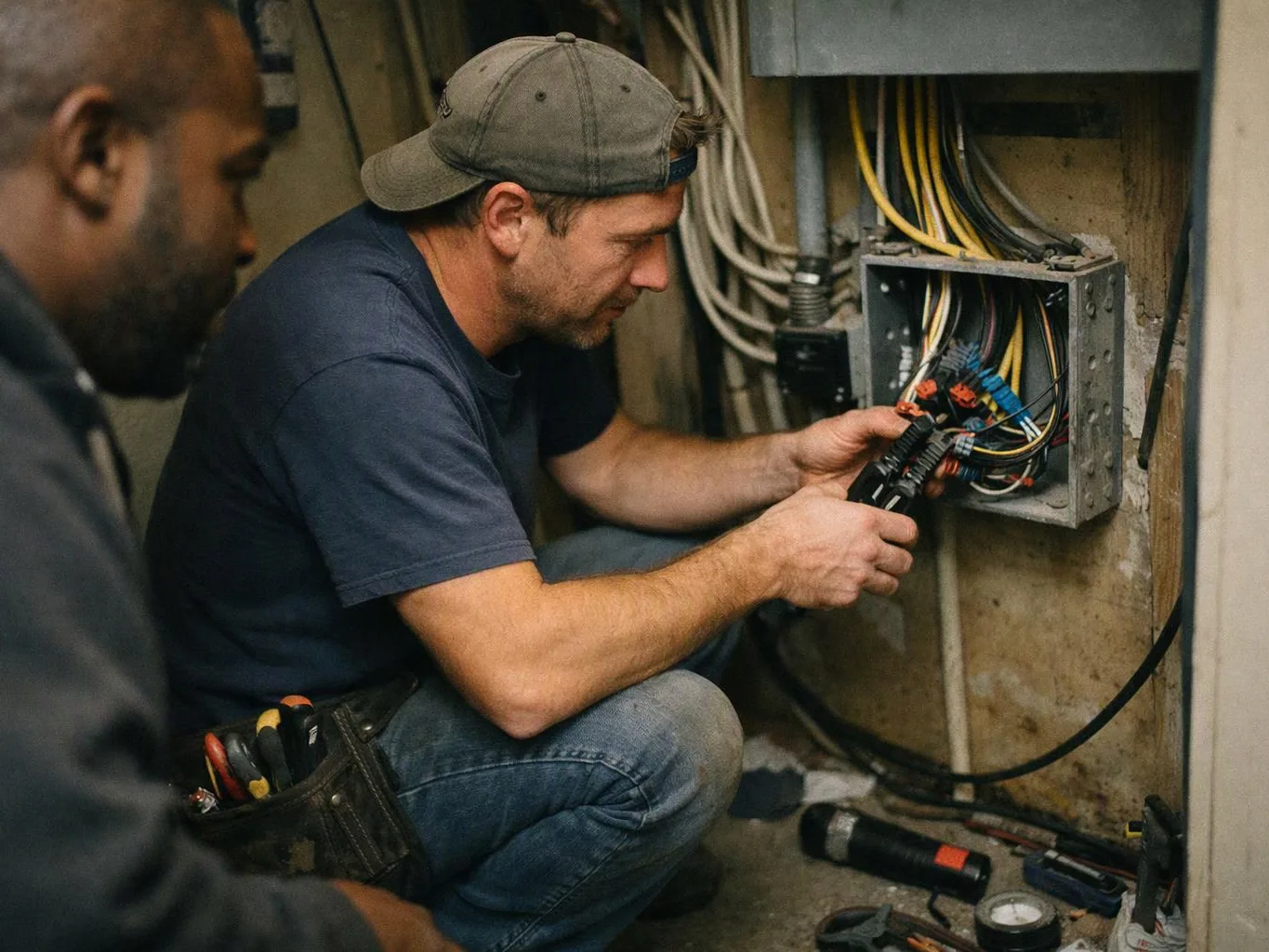
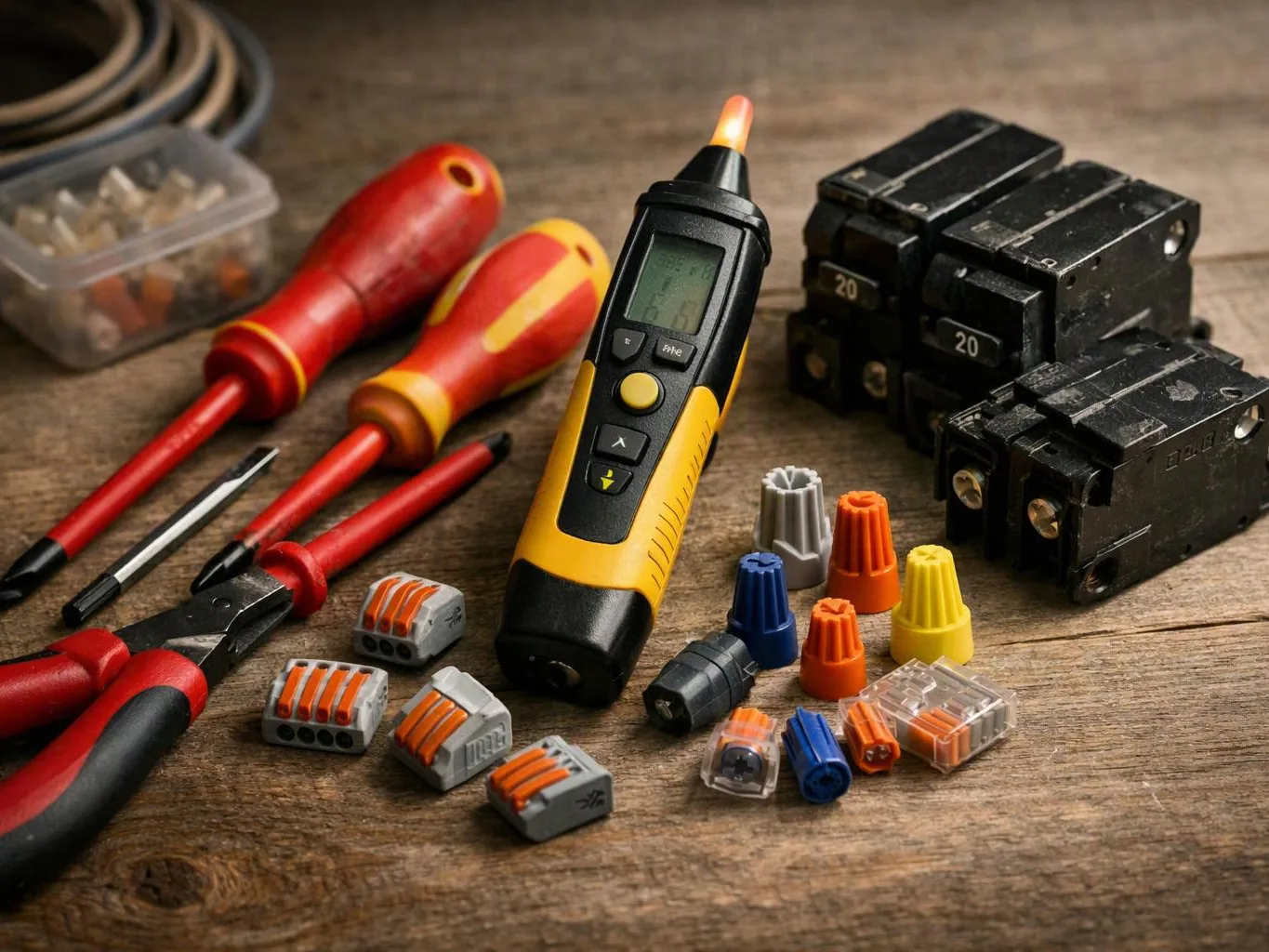
Cincelux Electric diagnoses intermittent power by tracing the circuit and testing voltage at key points. We inspect switches, outlets, breakers, and visible wiring for faults. Continuity testing can show whether a wire or connection forms a complete path when power is off. The findings guide the choice between adjustment, repair, and replacement.
What should be checked before electrical troubleshooting is scheduled?
The affected devices, breaker position, warning signs, and recent electrical changes should be checked first. Note which outlets or lights fail and whether other rooms stay powered. Do not remove covers or handle warm, buzzing, or sparking devices. That information helps us plan the right inspection.
Who is a good fit for electrical troubleshooting, and who needs a different service?
Homeowners, business owners, and property managers fit this service when a circuit behaves unpredictably. Cincelux Electric also handles breaker, outlet, switch, panel, and wiring concerns. A utility outage needs the utility company, while a confirmed failed part needs electrical repair after diagnosis.
What happens at each stage of electrical troubleshooting?
The process starts with symptom review, then moves to circuit inspection, voltage testing, continuity testing, and repair planning. We identify the affected path before discussing the work scope. Testing after repair confirms the circuit's condition and helps identify any follow-up electrical work.
Which warning signs make an electrical fault urgent?
A burning smell, buzzing panel, sparking outlet, or warm switch plate makes an electrical fault urgent. Stop using the affected device and keep clear of damaged parts. Our 24-hour emergency service addresses urgent electrical concerns, and a live person answers calls anytime.
Why does a breaker keep tripping after it is reset?
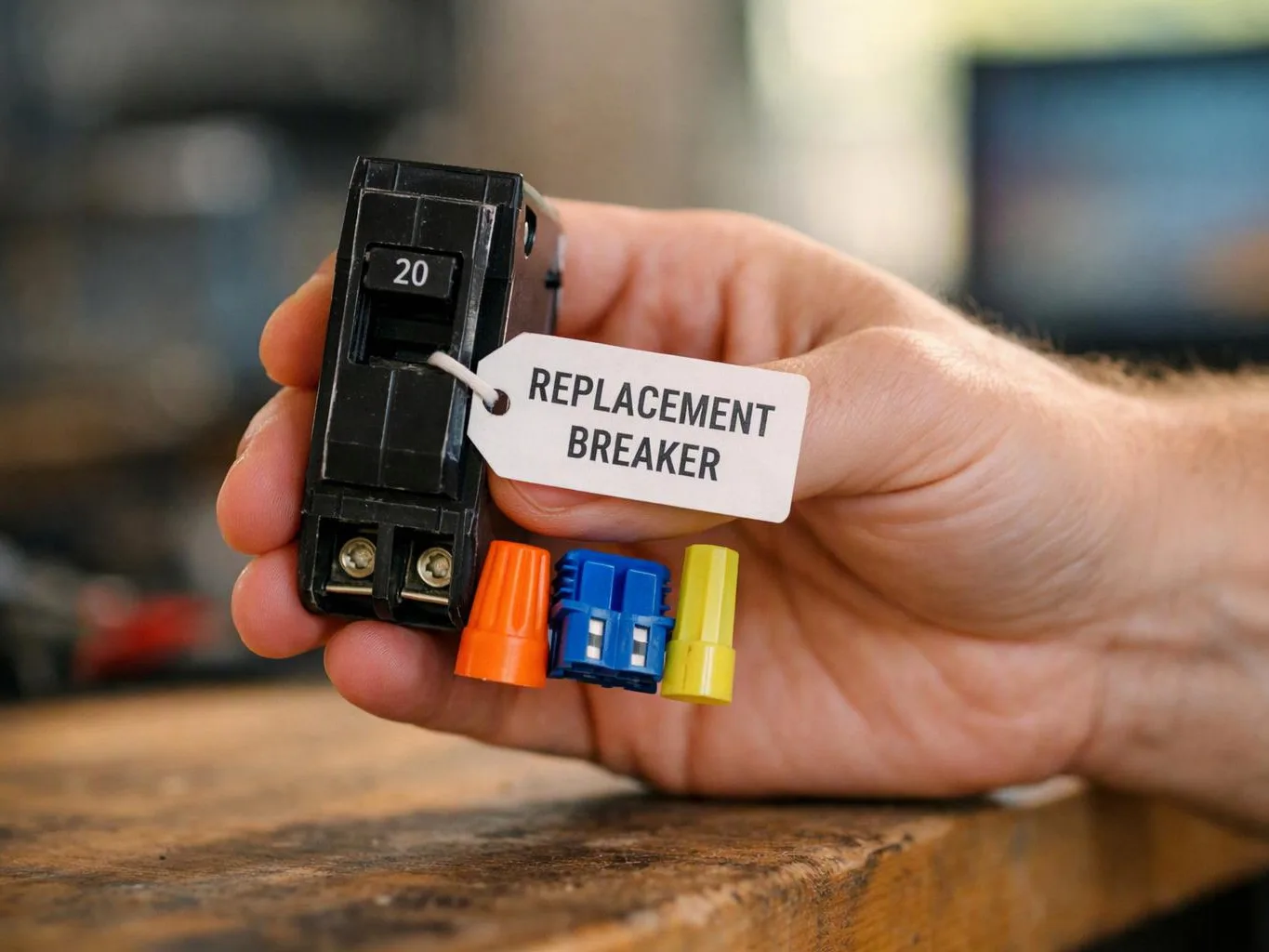
A breaker may keep tripping because of an overloaded circuit, short, damaged wire, or faulty device. We identify what is connected to the circuit and test the path before changing the breaker. Repeated resets can leave the underlying fault active, so stop resetting it if warning signs appear.
When should a switch be repaired instead of replaced?
A switch should be replaced when testing finds internal damage, heat damage, or a failed mechanism. We inspect the switch and its connections before choosing the work. A loose connection may need correction, but a damaged device needs a suitable replacement and testing afterward.