How can I make an electrical emergency safe?
A fire extinguisher is only appropriate for a small electrical fire when you have a clear exit and the correct type. Never use water on energized equipment. Leave if smoke or flames spread, then call emergency services. If the site is safe, switch off the main power and keep people away until Cincelux Electric can inspect the fault.
What should be ready before emergency repair starts?
Access to the electrical panel and affected area helps emergency repair start safely. Keep occupants away from the fault, note which outlets or rooms are affected, and share any burning smell or breaker history. Do not remove covers or handle exposed wiring. Photos can help explain the symptom, but they do not replace an on-site safety check.
Which condition on the property changes repair time?
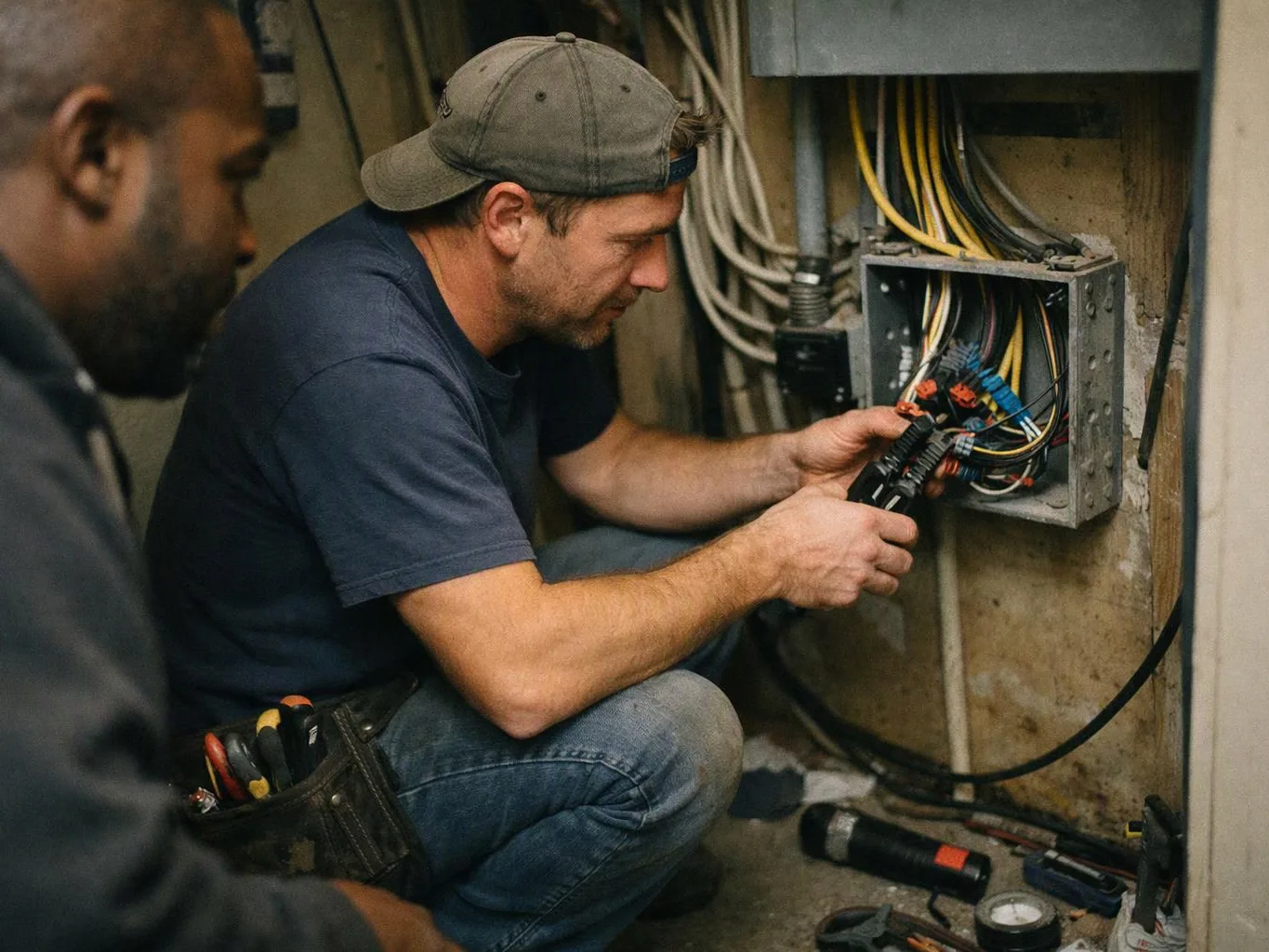
Limited panel access, damaged insulation, hidden wiring, and an unclear circuit path can extend the repair work. Circuit tracing becomes more involved when labels are missing or several loads share the same breaker. We explain the added work after inspection, and we separate immediate isolation from any later upgrade or rewiring.
What should I ask before approving the repair?
The repair scope, affected circuit, required parts, and testing plan should be clear before approval. Ask whether the work fixes the source or only isolates a damaged section. Also ask whether a permit, inspection, panel change, or follow-up wiring work applies. We answer those questions before approved repair work begins.
Why does a breaker keep tripping after reset?
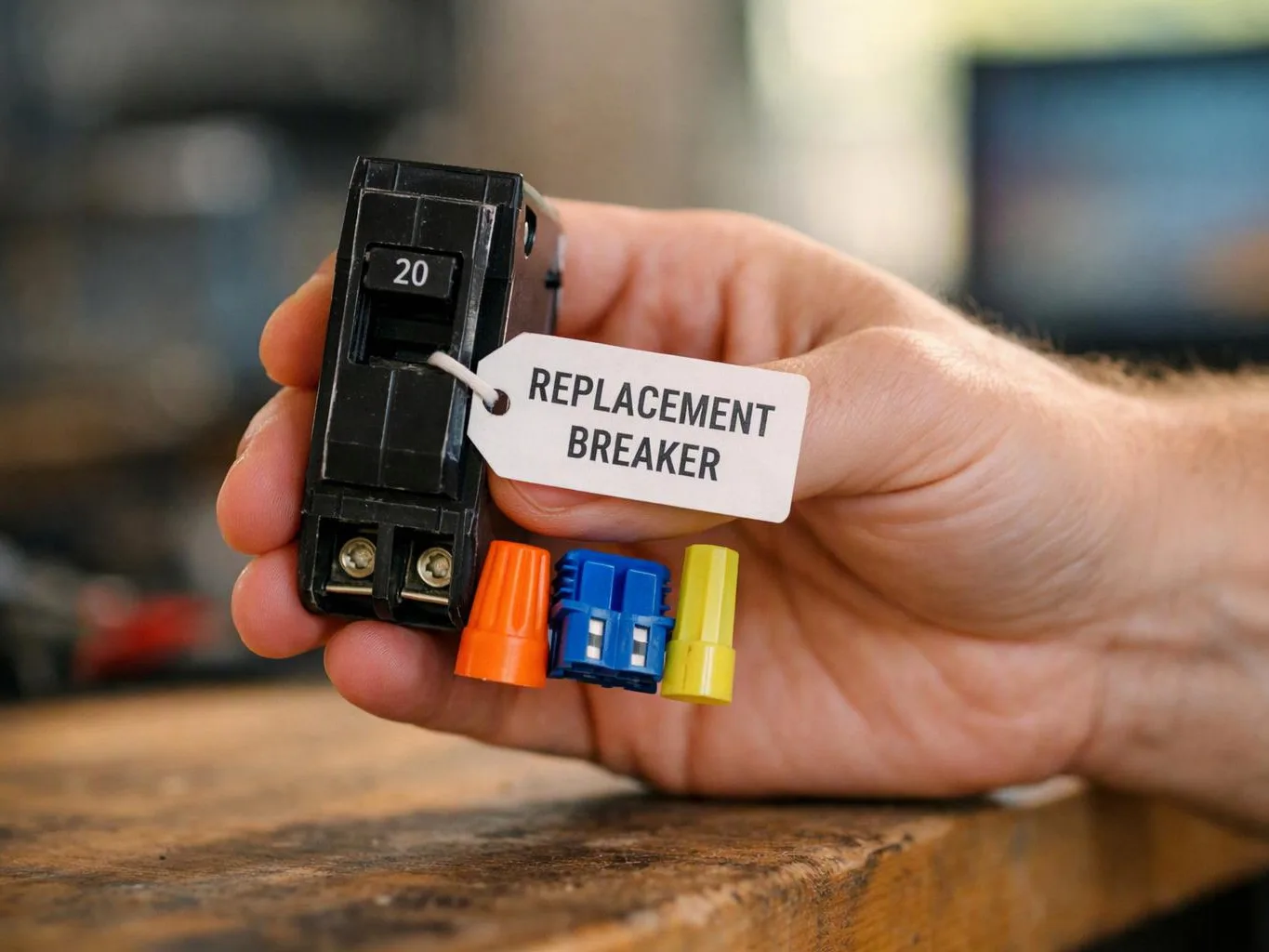
A breaker that keeps tripping often points to an overload, short, damaged device, or wiring fault. Repeated resets can keep a dangerous circuit energized. We inspect the breaker, connected loads, outlets, and wiring to identify the cause. Leave the breaker off if the panel buzzes, smells hot, or shows signs of damage.
Can emergency repair include a panel problem?
Yes, emergency repair can include a faulty breaker, buzzing panel, unsafe connection, or panel replacement assessment. The panel must be checked with the connected circuits because a breaker may trip due to a downstream fault. We explain whether the immediate need is isolation, component repair, or a larger panel project.
How is an electrical utility problem different from an indoor fault?
A utility problem affects incoming power, while an indoor fault usually affects a panel, circuit, outlet, switch, or appliance connection. We inspect the property's electrical system and explain what we find. If the fault is outside the property equipment, the utility company may need to handle that portion.