What causes circuit breakers to fail?
Aging contacts can fail from repeated heating and normal wear inside the breaker. Overheating, short circuits, loose connections, and corrosion can also damage the device. Cincelux Electric checks the breaker and circuit before replacement, because a new part will not correct a wiring fault or overload.
How can I tell whether breaker replacement fits my property?
A failed breaker is a fit when the device trips, will not reset, or shows damage while the circuit wiring remains suitable. The panel, breaker type, conductor size, and connected load decide the scope. We inspect those parts before confirming whether a breaker-only repair is appropriate.
Which part of the property decides the replacement scope?
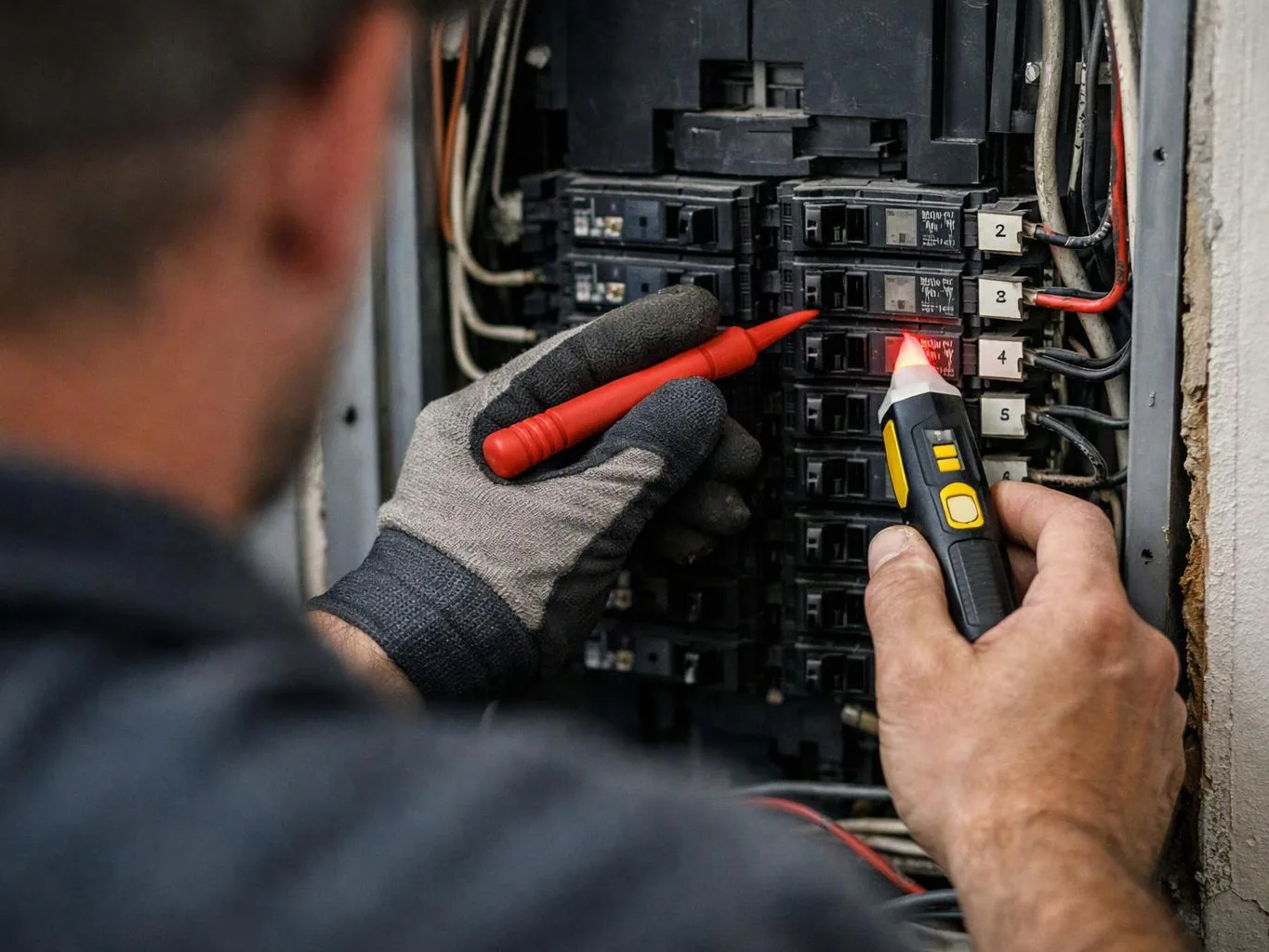
The electrical panel and the affected circuit decide most of the replacement scope. Panel condition, circuit access, wire connections, and connected equipment all matter. We trace the circuit and inspect its terminals before choosing a replacement or explaining why wider panel work is needed.
Which material changes how breaker replacement takes place?
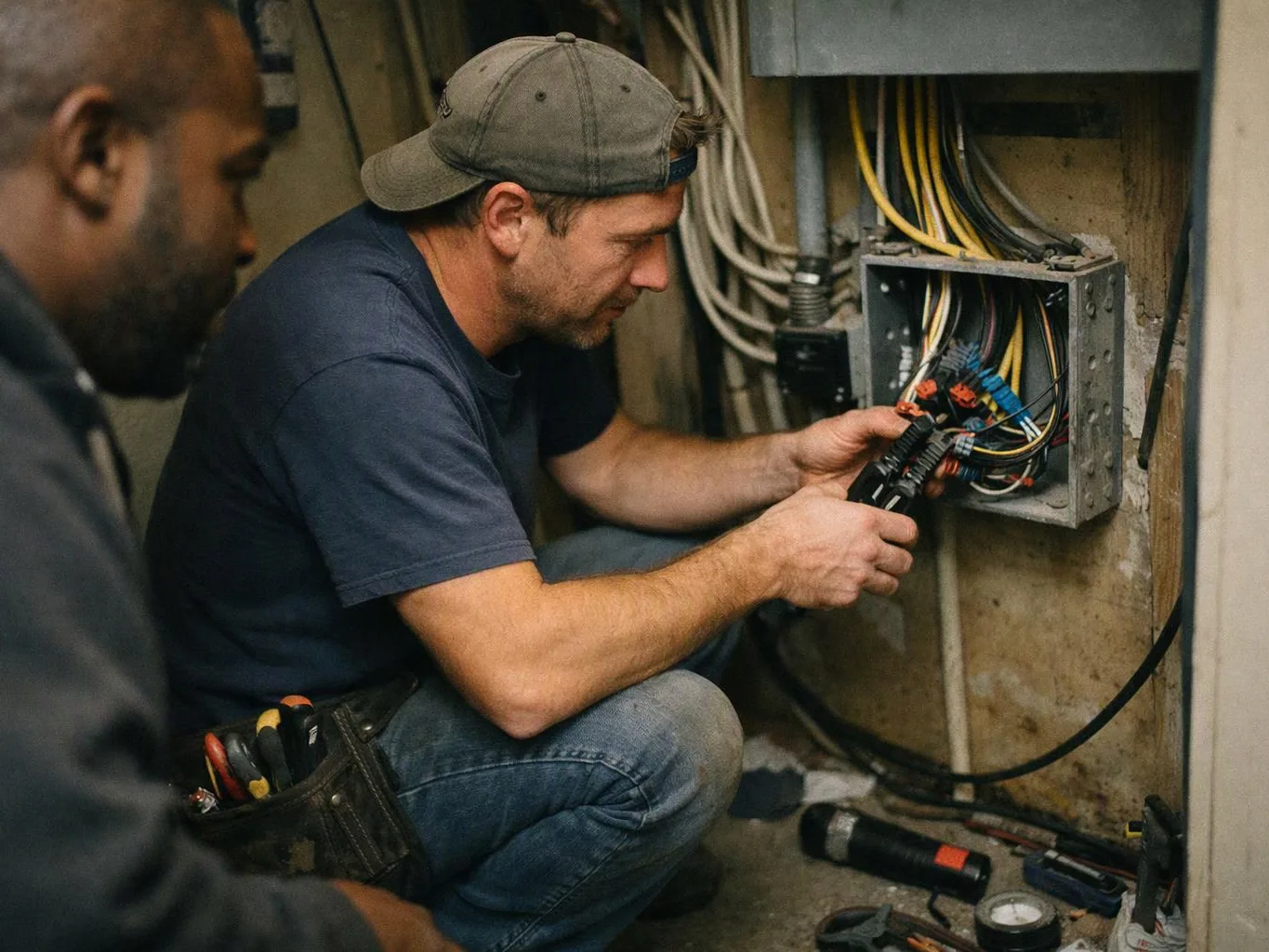
The conductor material can change the inspection and repair approach. Aluminum wiring, damaged copper, and corroded connections need close review at the breaker terminal. We check the wire condition and connection before installing a replacement, then test the circuit for safe operation.
When should I stop resetting a tripping breaker?
Stop resetting a breaker when it trips repeatedly, feels hot, buzzes, or shows scorch marks. Repeated trips can point to a short, overload, or damaged breaker. We recommend keeping clear of visible damage and arranging an inspection so the cause is found before further use.
Why does a new breaker trip after installation?
A new breaker can trip when the circuit still has an overload, short circuit, damaged wire, or connected appliance fault. Replacement does not remove those causes. We test the circuit and inspect its connections so the next repair addresses the source of the trip.
What should I share before requesting a breaker assessment?
The affected rooms, devices, warning sounds, panel marks, and recent electrical changes help set the assessment scope. Photos can help if they show the panel clearly and safely. Do not remove the panel cover or touch damaged parts, and describe whether the breaker resets or trips again.