
Skip to content

Smoke Detector Installation in Springdale, Ohio

Ionization sensors may suit areas where fast-flame warnings matter in Springdale. We're licensed and insured, and our team provides free estimates for planned installations.

Licensed & InsuredFree EstimatesWarranty AvailableSame-Day Service

Quick Summary: smoke detector installation in Springdale, Ohio

Smoke Detector Installation in Springdale is completed by Cincelux Electric for homes, businesses, and property managers. The work covers detector selection, mounting, wiring checks, battery backup, and testing throughout Cincinnati and surrounding communities.

  • What we do: Cincelux Electric provides Smoke Detector Installation for homes and businesses in Springdale, Ohio.
  • What is included: Detector selection, sensor fitting, hardwired alarm connections, battery backup, and testing.
  • What you get: The customer receives a mounted, powered, and tested smoke alarm suited to the property.

Why do smoke detectors keep chirping after installation?

A chirping smoke detector often has a low battery, a poor power connection, or an expired alarm. Cincelux Electric checks the battery, wiring, alarm age, and mounting point. We also test the unit after installation so the warning sound has a clear cause and the alarm works as intended.

Smoke Detector Installation for Springdale Properties

Smoke detector installation covers more than placing an alarm on a ceiling. We select the sensor type, check the mounting point, connect hardwired units when needed, add battery backup, and test the alarm.

The main buyer decision is sensor choice. Ionization sensors suit fast-flame concerns, while photoelectric sensors respond to a different smoke pattern. Dual-sensor alarms combine both approaches, so the property layout and fire concern guide the recommendation.

This page is for planned alarm installation and alarm-related electrical work. A burning smell, buzzing panel, sparking outlet, or repeated breaker trip needs electrical troubleshooting first, because the alarm installation alone won't address that hazard.

  • Choose the sensor type based on the fire concern and property use.
  • Check whether the alarm location has an existing electrical connection.
  • Confirm battery backup and test the alarm after mounting.
  • Separate detector installation from repairs to unsafe wiring or circuits.
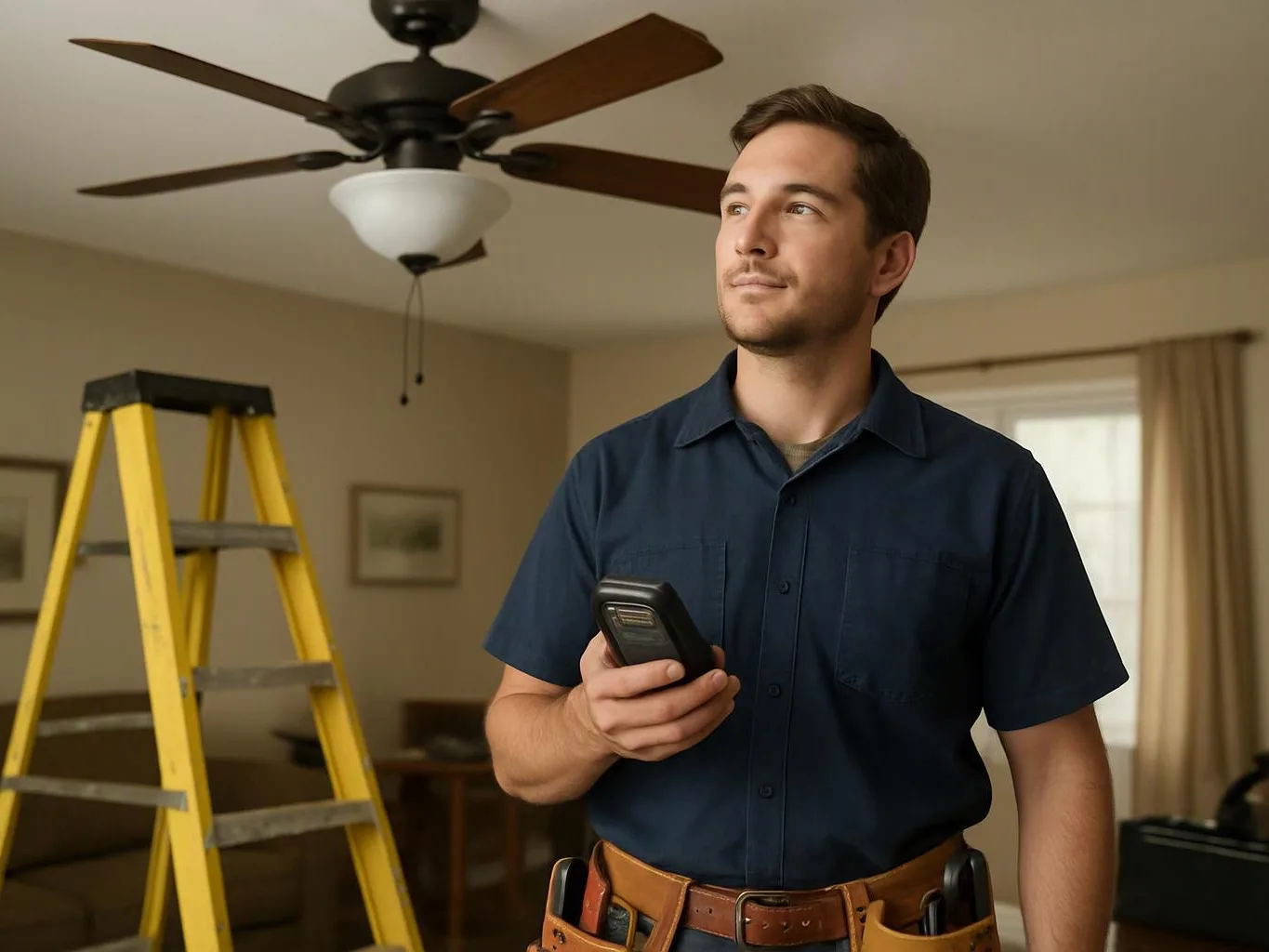
A man in a navy work shirt holds a remote in a living room beside a ladder and ceiling fan

Service Overview

Smoke detector installation is a service that selects, mounts, powers, and tests smoke alarms in a property.

  • Smoke alarm installation focuses on the alarm itself, while electrical repair addresses faults such as damaged wiring or a tripping breaker.
  • Cincelux Electric provides this work for homes, businesses, and property managers in Springdale.

What smoke detector installation includes

Cincelux Electric provides comprehensive Smoke Detector Installation in Springdale. Here's what you get:

  • We review the property area and the customer’s preferred alarm type.
  • We check the mounting surface and the available power source.
  • We install hardwired alarms when the project calls for a wired connection.
  • We fit battery backup where the alarm design supports it.
  • We test the alarm and confirm that the device responds to its test control.

What new smoke alarms change for the property

The right sensor type gives the property a better fit for its fire warning needs.

Hardwired alarms reduce reliance on a replaceable battery for normal power.

Battery backup keeps the alarm powered during a power outage.

Testing after installation gives the customer a direct check of the alarm’s function.

Clear sensor choices help property managers plan consistent alarm upgrades across occupied spaces.

When this service is the right fit

A property manager preparing an occupied building may need new alarms without disrupting normal access. We check each mounting point, identify hardwired connections, fit battery backup where needed, and test every installed alarm before explaining the result to the property manager.

What customers get from this alarm work

Sensor choice tied to the property

Ionization sensors, photoelectric sensors, and dual-sensor alarms respond to different smoke conditions. We explain the choice in plain language before the installation begins.

Power and backup checked together

The power source, wiring, and battery backup all affect how the alarm works. We check these parts as one installation, then test the finished connection.

Licensed and insured electrical work

Cincelux Electric provides licensed and insured electrical service for residential and commercial customers. We document the work scope and explain the next step clearly.

A clear limit on the service

Smoke detector installation is the wrong job for a serious wiring fault, damaged panel, or active electrical hazard. We address the electrical issue first when the alarm location is unsafe.

Process

How we install and test smoke alarms

1

Review the alarm location

We inspect the planned mounting point, property use, and existing alarm setup. This step helps us choose the right device and identify access needs.

2

Choose the sensor type

We compare photoelectric, ionization, and dual-sensor alarms against the customer's fire warning concern. The selected alarm must also fit the available power method.

3

Check the power connection

We inspect the wiring for a hardwired alarm and confirm the battery compartment for a battery model. Any unsafe electrical fault is addressed as a separate repair need.

4

Mount the selected alarm

We secure the alarm at the agreed location and connect the power source when the installation uses hardwiring. Battery backup is fitted where the alarm supports it.

5

Test the finished alarm

We use the alarm's test control and check the power connection. We then explain basic operation and the next maintenance step.

Smoke alarm choices for this installation

These options differ by sensor method and power source, which helps guide the installation decision.

Alarm optionWhat it usesWhen it fits
Ionization sensor alarmIonization sensingFast-flame warning concern
Photoelectric sensor alarmLight-based smoke sensingA photoelectric detection preference
Dual-sensor alarmIonization and photoelectric sensingA request for both detection methods
Hardwired alarmThe property's electrical connectionA suitable wired power source
Battery-backed alarmReplaceable or built-in battery supportA location without the needed hardwired connection

The Cincelux Electric Standard

  • Urgent Assistance
  • Residential Commercial Service
  • Service Diagnosis
  • Repairs And Maintenance

Questions about smoke alarm installation

What types of smoke detectors are available?

Ionization sensors suit fast-flame warning needs, while photoelectric sensors use light-based smoke detection. Dual-sensor alarms combine both methods. Hardwired alarms use the property's electrical system, and battery backup supports operation when normal power is unavailable. Cincelux Electric compares these options with the property use before installation.

Which part of the property decides the scope of alarm installation?

The mounting points and available power connections decide much of the installation scope. Ceiling access, existing alarm wiring, and the chosen sensor type also matter. We inspect those conditions before setting the work scope. Property managers should identify occupied rooms and access limits before scheduling the assessment.

Which material changes how long alarm installation takes?

Existing wiring changes the installation work more than the alarm cover material. Hardwired alarms require a safe electrical connection, while battery models need a suitable mounting point and working battery compartment. We check the wiring path and mounting surface before giving a project assessment.

How does an alarm installation visit move from the first call to the last step?

The visit starts with a scope review and ends with testing the installed alarm.

  1. We review the property and alarm needs.
  2. We select the sensor and power method.
  3. We check wiring and access.
  4. We mount and connect the alarm.
  5. We test the alarm and explain its operation.

The final check confirms that the device responds to its test control.

Why does a new smoke alarm keep chirping?

A new smoke alarm can chirp because of a low battery, a loose power connection, or a device fault. We check the battery, wiring, mounting, and test response. A repeated chirp after those checks may show that the selected alarm needs replacement or that a separate electrical issue needs repair.

What should be checked before replacing a hardwired alarm?

The circuit, wiring connection, alarm compatibility, and battery backup should be checked before replacement. We inspect the existing connection and confirm that the new alarm fits the power method. We also test the device after installation, so the customer receives a working alarm rather than an unverified replacement.
Contact

Get a Free Estimate for Smoke Detector Installation

Request your estimate for the planned alarm work, and urgent requests get priority scheduling.

A hard hat worker stands by a brick wall, holding a tool bag beside a white van and ladder

Smoke Detector Installation in Other Areas

(513) 586-5812