
What is a Conduit?
Conduit is a tube or channel that protects and routes insulated electrical conductors. Electricians install conduit in walls, ceilings, floors, trenches, and exposed areas. Common materials include metal, PVC, and flexible nonmetallic tubing. Conduit helps limit physical damage, supports organized wiring, and may provide a path for grounding when installed correctly.
Quick Facts About Conduit
Category
Electrical wiring protection
Used for
Routing and protecting conductors
Common confusion
Conduit is not the same as cable
Relevant standard
National Electrical Code Article 358 and related articles
Also called
Raceway, Electrical conduit
Often discussed with
Electrical Wiring, Electrical Inspection
Key Takeaways About Conduit
- Conduit shields conductors from impact, moisture, heat, chemicals, and other site hazards.
- Rigid metal, PVC, and flexible conduit each fit different installation conditions.
- Conduit size must leave enough space for conductors and allow practical installation.
- Metal conduit may support grounding. Installers must maintain electrical continuity.
- Local code rules govern conduit material, routing, support, fittings, and protection.
Understanding Conduit
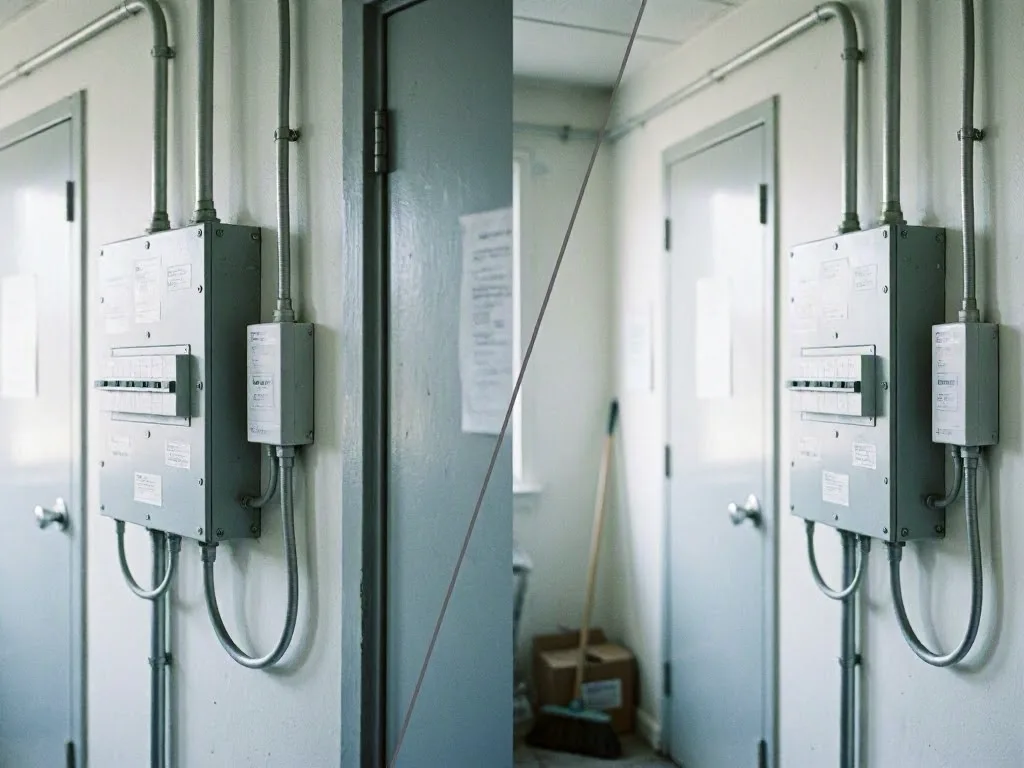
Conduit is a protective raceway for electrical conductors. It gives wires a clear path through buildings or sites. It reduces exposure to impact, moisture, abrasion, sunlight, heat, and chemicals. The conductors stay insulated inside the raceway. Fittings connect sections and protect entry points.
Related glossary terms: Electrical Code, National Electrical Code, Electrical Grounding.
Installers choose conduit by material, shape, flexibility, location, and needed protection. Electrical metallic tubing, rigid metal conduit, intermediate metal conduit, PVC conduit, and flexible conduit serve different purposes. A raceway is the wider term for a wiring channel. Every conduit’s a raceway, but not every raceway’s called conduit.
How Conduit Works, Is Measured, or Is Used?
An electrician first maps the route and identifies the conductor type. The electrician also checks the environment. The installer chooses the conduit material and measures the route. The installer adds approved bends and fittings. Then, the installer pulls conductors after securing the raceway. Conduit fill rules limit the wire space inside. This helps prevent pulling damage and lowers heat buildup.
Conduit is identified by trade size, material, and product type. The outside diameter differs among systems. A trade size isn’t a simple measure of the outside wall. Installers also check bend limitspulling tension, support spacing, box capacity, and conductor size. Metal systems need bonded joints when the raceway helps ground the system.
Why Conduit Matters?
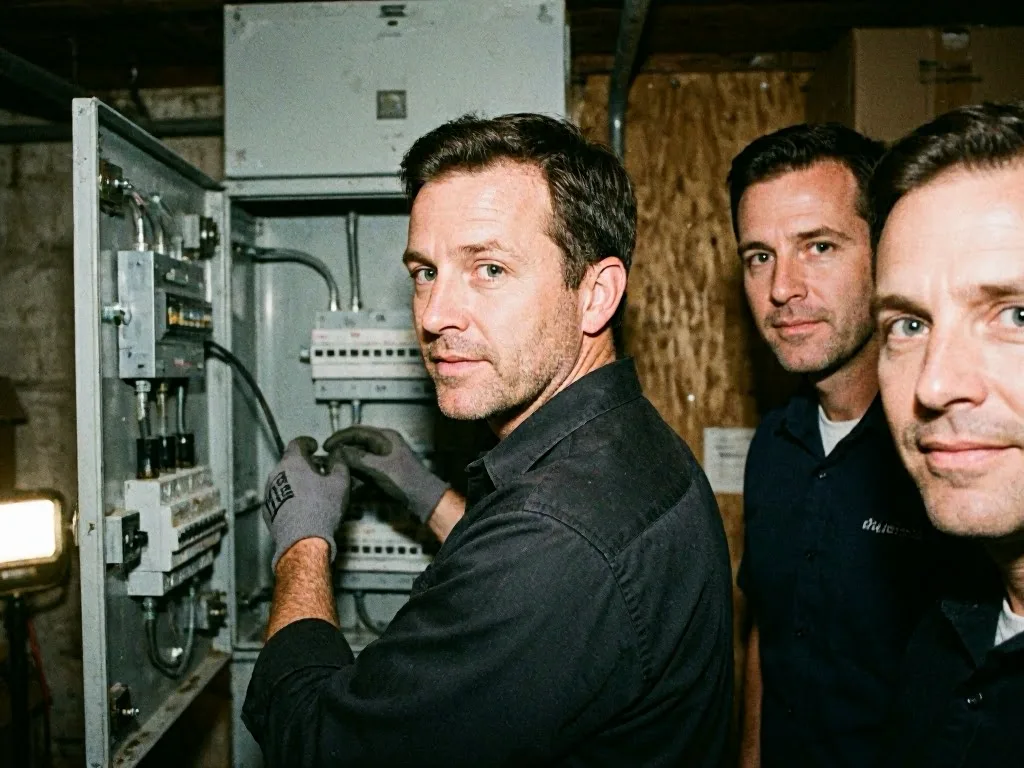
Conduit can extend wiring life where exposed cable could suffer damage. It can also make wiring easier to inspect, repair, or change. Conductors follow a visible route instead of lying loosely inside a wall. Raceways often protect wiring in commercial spaces, garages, and unfinished basements. They also help in workshops and outdoor areas.
Incorrect conduit work can create serious problems. This can happen even when the wires have the right size. Overfilled raceways can damage insulation. Too many bends can make pulling conductors difficult. Loose fittings can weaken the grounding path. Poor sealing may let water enter boxes or equipment. This risk increases where conduit crosses outside walls or wet areas.
When Conduit Matters Most?
Conduit needs close attention during new circuits, service changes, and equipment installations. It also matters during repairs in exposed locations. Conduit matters near driveways, unfinished ceilings, industrial equipment, and outside walls. It helps in areas with moisture or physical contact. Cincinnati projects may need choices for freeze and thaw cycles. They may also need choices for masonry work and local inspection rules.
Before accepting an installation, review the raceway type and conductor match. Check the route, supports, fittings, and box connections. See if the system needs watertight fittings or corrosion resistance. Check for physical guards or a separate grounding conductor. A sound installation keeps conductors safe and accessible where needed. It also keeps them free from sharp edges that could damage insulation.
How to Evaluate Conduit?
- Confirm that the conduit material is approved for the location, temperature, moisture level, and exposure to physical damage.
- Check conduit fill using the conductor count, conductor size, insulation type, and applicable code tables.
- Inspect bends and fittings for smooth interiors, secure connections, and no sharp edges near conductors.
- Verify that supports, boxes, bushings, and grounding or bonding connections match the raceway system.
- Ask whether exterior or wet-location sections use fittings and seals rated for water exposure.
Related Concepts Compared
Conduit vs. Cable
Cable contains insulated conductors within one outer jacket or assembly. Conduit is the separate tube or channel that protects and routes individual conductors or cable.
Conduit vs. Raceway
Raceway is the general category for enclosed or partly enclosed wiring channels. Conduit is one common raceway type.
Conduit vs. Cable Tray
Cable tray supports and routes multiple cables in an open framework. Conduit provides a more enclosed path and stronger protection from contact and impact.
Conduit vs. Grounding Conductor
A grounding conductor carries fault current toward the source so overcurrent protection can operate. Conduit may serve as part of that path only when the system is approved, continuous, and properly bonded.
Expert Note
A conduit route that looks neat may still be difficult to service if it has too many bends or an undersized pull box. Good installation planning reduces pulling force, protects insulation, and leaves enough access for future repairs.
Common Mistakes or Myths About Conduit
- Treating conduit as a grounding path without bonding every required joint and fitting.
- Filling a raceway beyond its permitted capacity.
- Using indoor-only conduit or fittings in wet, exterior, or underground locations.
- Creating too many bends between pull points.
- Leaving sharp cut edges that can damage conductor insulation.
Conduit in Practice: A Real-World Example
A garage circuit may use PVC conduit, then enter a junction box and receptacle box. The conduit protects conductors from tools, stored materials, and damp conditions. An electrician sizes the raceway, secures it, and uses fittings approved for the location.
Sources & Further Reading on Conduit
- National Fire Protection Association, NFPA 70 National Electrical Code
- Occupational Safety and Health Administration, Electrical Installations
- National Electrical Manufacturers Association, Electrical Metallic Tubing
Related Services
Related Terms
Electrical Code
Electrical Code is a set of safety rules for designing, installing, inspecting, and maintaining electrical systems…
National Electrical Code
National Electrical Code is the United States standard for safe electrical design, installation, and inspection. The…
Electrical Grounding
Electrical Grounding is a safety system that connects electrical equipment and circuits to the earth or…
Junction Box
Junction Box is an enclosed electrical container that protects wire connections, splices, and branch-circuit transitions. The…
ElectricianCincinnatiOH.com
Have Questions About Conduit?
Contact ElectricianCincinnatiOH.com for practical guidance on Conduit and related 24 hour electrician work in Cincinnati.