
What is Junction Box?
Junction Box is an enclosed electrical container that protects wire connections, splices, and branch-circuit transitions. The box may be metal or nonmetallic and must remain accessible after installation. Conductors enter through approved openings, then connect with listed devices such as wire connectors. Box size must provide enough room for the conductors and fittings.
Quick Facts About Junction Box
Category
Electrical enclosure
Used for
Protecting wire splices and transitions
Common confusion
A junction box is not the same as a load center
Relevant standard
National Electrical Code Article 314
Also called
Electrical junction box, Splice box
Often discussed with
Electrical Troubleshooting, Electrical Wiring
Key Takeaways About Junction Box
- A junction box protects wire splices from physical harm, moisture, and accidental contact.
- The cover must stay accessible and cannot hide behind finished surfaces.
- Box volume must match the number, size, and type of conductors inside.
- Metal boxes need proper bonding when the wiring system has metal parts.
- Wire connectors must match the conductor material, size, and connection method.
Understanding Junction Box
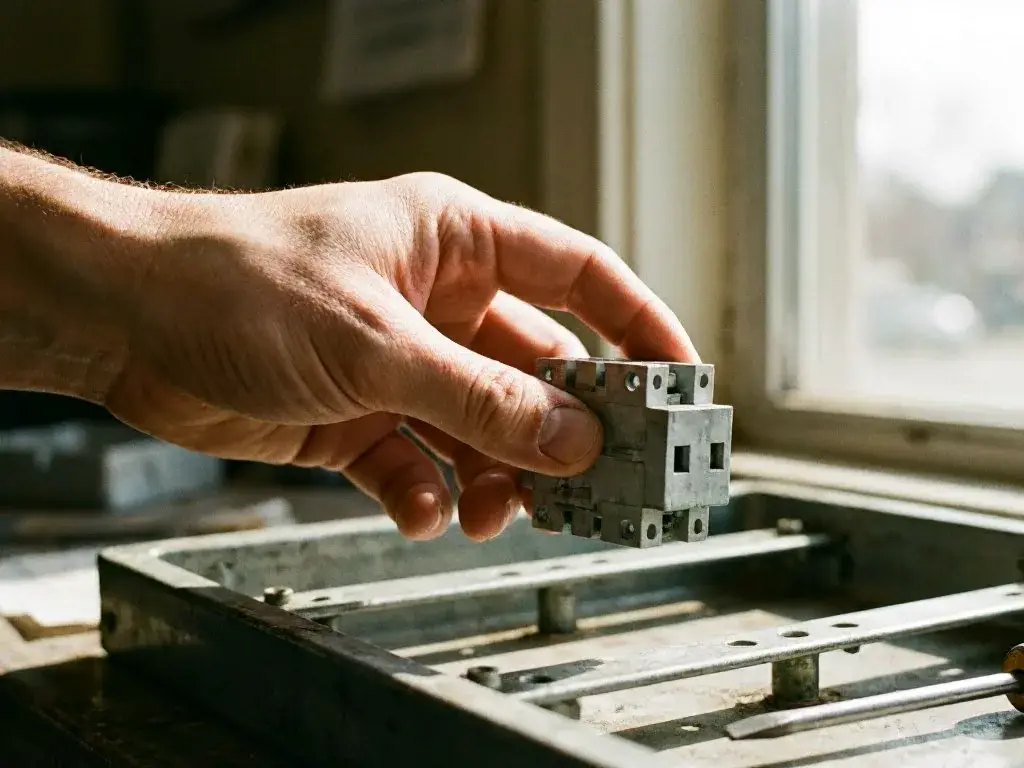
Junction Box is an enclosure that holds electrical connections. Two or more cables meet inside it. It protects wire splices, terminals, and conductors from impact and contact. Boxes may use steel, aluminum, PVC, or other listed materials. The wiring method and location determine the right material.
Related glossary terms: Branch Circuit, Electrical Code, Electrical Grounding.
A box doesn't normally contain a switch, receptacle, or circuit breaker. Its main job is containing connections and providing a safe inspection point. A fitted cover closes the enclosure. Cable clamps or conduit fittings secure entering wires. The box must stay accessible after construction. A hidden splice behind drywall isn't an acceptable substitute.
How Junction Box Works, Is Measured, or Is Used?
Electricians route each cable into the junction box through an approved opening. They strip only the required insulation. They join matching conductors with listed wire connectors. They arrange the connections so the cover closes without damage. Grounding conductors connect together. Metal boxes get bonded when the wiring system requires it.
Box capacity depends on conductor count and conductor size. It also depends on grounding conductors and internal clamps. Installed devices also affect box capacity. The National Electrical Code provides box-fill rules. These rules convert each conductor into a volume allowance. The allowance is measured in cubic inches. A box serving several 12 AWG conductors needs more usable volume. A box serving two smaller conductors needs less volume. The box label usually provides the volume rating. Manufacturer instructions may also provide this rating.
Installation also depends on the environment. Damp, wet, dusty, outdoor, or corrosive locations need listed enclosures. They also need fittings listed for those conditions. Cables must be supported. Openings must close with approved plugs or fittings. The cover must fit securely. These details help prevent loose connections and moisture entry. They also help prevent conductor damage.
Why Junction Box Matters?

A properly installed junction boxlowers the chance of overheating. It also lowers the chance.arc fault. The enclosure limits contact with energized parts during maintenance. Clear, accessible connections make troubleshooting faster. An electrician can inspect conductors without opening walls. They won't need to disturb unrelated wiring.
Box selection affects safety and future work. An undersized box can crowd connectors and strain insulation. It can also make the cover hard to install. A box with the wrong material or rating can cause bonding problems. It can also let moisture reach the connections. Correct sizing, secure fittings, and visible labeling support reliable branch circuits.
When Junction Box Matters Most?
Junction boxes become important during remodeling and service repairs. They're also important during new circuit installation. A project may require extending an existing cable. It may split power between several locations. It may move a connection away from a damaged area. Each splice should stay inside an accessible box. The box must match the cable type and location.
Warning signs include a warm cover, flickering lights, and buzzing. A burning odor, discoloration, or loose box also signals trouble. Water stains and corrosion also require attention. This matters most in basements, garages, and crawl spaces. It also matters in exterior areas. Before work continues, check the circuit voltage and conductor size. Check the box volume, grounding path, and overcurrent protection. A junction box isn't a place to hide an abandoned connection. It isn't a place for a poorly supported connection.
How to Evaluate Junction Box?
- Check the box volume rating against the conductor count, wire size, clamps, and devices inside.
- Confirm that every cable entry uses an approved clamp, connector, bushing, or conduit fitting.
- Look for a secure cover that remains accessible and shows no heat damage or corrosion.
- Verify that metal boxes and metal raceways have an effective bonding connection.
- Match the enclosure rating to indoor, outdoor, damp, wet, dusty, or corrosive conditions.
Related Concepts Compared
Junction Box vs. Load Center
A load center contains circuit breakers or fuses and distributes power from the service equipment. A junction box mainly encloses wire connections and does not provide overcurrent protection.
Junction Box vs. Pull Box
A pull box gives conductors room to be pulled through a raceway system. A junction box contains splices or connection points, although some enclosures can serve more than one permitted purpose.
Junction Box vs. Wire Nut
A wire nut is a listed connector used to join conductors. A junction box is the enclosure that protects the connection and keeps it accessible.
Expert Note
Box-fill errors are common when several cables enter one enclosure. Count grounding conductors, internal clamps, and cable fittings according to the applicable code method, rather than counting only the insulated wires.
Common Mistakes or Myths About Junction Box
- Covering a junction box permanently with drywall, paneling, insulation, or other finished material.
- Using an undersized box because the visible wires appear to fit.
- Leaving unused cable openings open instead of installing approved closures.
- Mixing incompatible wire connectors or using connectors without a matching size rating.
- Assuming a junction box replaces a circuit breaker or other overcurrent protection.
Junction Box in Practice: A Real-World Example
A kitchen remodel may need one cable for a receptacle and another for under-cabinet lighting. An electrician can place both connections in an accessible junction box. The electrician can size the box for the conductors. The electrician can bond the metal enclosure if needed and install a secure cover.
Sources & Further Reading on Junction Box
Related Services
Related Terms
Branch Circuit
Branch Circuit is the portion of an electrical system that carries power from a final overcurrent…
Electrical Code
Electrical Code is a set of safety rules for designing, installing, inspecting, and maintaining electrical systems…
Electrical Grounding
Electrical Grounding is a safety system that connects electrical equipment and circuits to the earth or…
National Electrical Code
National Electrical Code is the United States standard for safe electrical design, installation, and inspection. The…
ElectricianCincinnatiOH.com
Have Questions About Junction Box?
Contact ElectricianCincinnatiOH.com for practical guidance on Junction Box and related 24 hour electrician work in Cincinnati.