Top Circuit Breaker Tripping Mistakes Homeowners Make in Cincinnati, OH
Homeowners in Cincinnati often cause circuit breaker tripping by overloading circuits, using faulty appliances, ignoring Electrical panel issues, or trying DIY repairs. These mistakes can cause repeat outages and serious safety risks. Knowing what causes them and when to call a licensed electrician helps prevent damage and keeps your home safe.
Why Circuit Breakers Trip and What It Means?
circuit breaker protection trips to protect your home’s Electrical system from overloads or faults. In Cincinnati, knowing why a breaker trips helps homeowners spot the difference between a temporary overload, hidden wiring trouble, and a safety issue that needs expert repair.
A breaker switch shuts power off before wires get too hot. It may trip because too many devices share one branch circuit. It can also trip because of faults inside an appliance. Because a short circuit trip or ground fault trip has formed somewhere in the system. In many cases, a simple breaker reset restores power after the cause is removed.
Still, repeated tripping should never be ignored. Older homes in Cincinnati often have outdated Electrical panel equipment. Modern devices put more strain on aging parts. Seasonal humidity can also speed up wiring damage in basements, garages, and utility spaces. If a breaker keeps shutting off, it points to home Electrical safety trouble, not just a minor annoyance.
Common Mistakes That Cause Circuit Breaker Tripping
Circuit breaker tripping in local homes is often caused by common homeowner mistakes, not bad luck. In Cincinnati, people often trigger these Electrical breaker issues by overloading circuits, using damaged appliances, ignoring panel warning signs, and trying repairs without training. Those choices raise safety risks and increase Electrical failures.
Many breaker tripping problems start with daily habits. A space heater gets added to a bedroom circuit. A microwave shares power with other countertop appliances. A dehumidifier runs all day in a damp basement during humid weather. Each step seems small, but together they can cause an overload trip, heat buildup, and extra wear on the Electrical panel.
Some homes still rely on older fuse box setups or mixed old-and-new parts. In those cases, fuse replacement, fuse box repair, or an Electrical panel upgrade may be the best long-term fix. Local Electrical codes require licensed electricians for panel upgrades and repairs. That matters because loose connections or wrong parts can turn a small repair into a major hazard.
Overloading Circuits with Too Many Devices
Overloading circuits is one of the most common causes of breaker trips in busy homes. It happens when several high-draw devices run on the same line. Such as hair tools, heaters, gaming equipment, or kitchen appliances. The cost is more than lost power. Repeated overloads can overheat wires, damage outlets, and shorten breaker life. The fix is to spread devices across separate circuits, unplug unused loads, and get an Electrical inspection if one room trips often. In older houses, added receptacles do not always mean added capacity.
Using Faulty or Damaged Appliances
faulty appliances can trip a breaker even when the circuit is not overloaded. A damaged cord, worn motor, or internal short may create Electrical faults as soon as the item starts. Common examples include refrigerators, window AC units, sump pumps, and older laundry machines. The cost can include ruined appliances, scorched outlets, and sudden power loss to important equipment. The fix is to unplug the suspected item, test the circuit with other loads, and stop using the appliance until it is repaired or replaced. Never keep resetting a breaker to force a bad appliance to run.
Ignoring Signs of Electrical Panel Issues
Electrical panel warning signs often show up before a serious failure. Homeowners may notice warm panel covers, buzzing sounds, a breaker that feels loose, or breakers that trip without a clear load change. In many Cincinnati homes, outdated panels struggle with current power needs. That is even more common where additions or finished basements raised demand over time. The cost of ignoring panel trouble can include damaged breakers, melted bus bars, and wider Electrical system problems. The fix may be tightening connections, replacing failing breakers, or planning an Electrical Panel Upgrade when the service is no longer safe or practical.
Attempting DIY Electrical Repairs Without Expertise
DIY Electrical repair often makes breaker problems worse. Homeowners may swap outlets, replace a breaker, or reconnect wires without understanding load calculations, torque settings, or grounding rules. What seems like a cheap fix can create hidden wiring issues. A short circuit trip, or an unsafe neutral connection. The cost may include damaged devices, failed inspections, or fire risk. The safe fix is to leave breaker and panel work to trained pros. Our team often finds that a do-it-yourself patch covered up the real problem instead of fixing it.
Using Incorrect Circuit Breakers or Fuses
Installing the wrong breaker size or the wrong fuse is a serious mistake. Some homeowners think a larger breaker will stop nuisance tripping, but that can let wires carry more heat than they were built for. In older systems, wrong fuse replacement choices can defeat the safety purpose of the fuse box. The cost is high because overheated conductors may stay energized longer before protection reacts. The fix is proper matching of breaker type, amperage, and panel model, along with professional fuse box repair where older equipment is still in place and showing wear.
Neglecting Regular Electrical Maintenance
Skipping routine maintenance lets small problems grow into repeated trips. Dust, corrosion, loose terminals, and moisture exposure can all affect speed over time. Seasonal humidity in Cincinnati is especially tough on basements and older wiring. Damp conditions can speed insulation breakdown and add to nuisance trips. The cost of neglect is more breaker trips, surprise outages, and bigger repair bills later. The fix is regular Electrical inspection, checking for worn devices, verifying load balance, and updating aging parts before they fail. Preventive care protects both convenience and Electrical safety.
Resetting Breakers Repeatedly Without Finding the Cause
A repeated breaker reset without diagnosis is another common homeowner mistake. People restore power again and again, hoping the issue was random, but the repeated trip is the warning. The cost can include growing heat damage inside the breaker switch, wear on appliances, and delayed discovery of a deeper fault. The fix is to stop after one reset if the same breaker trips again. Note what was running at the time, and have the circuit tested. Circuit Breaker Repair in Cincinnati is often needed when a breaker has been stressed for too long.
Ignoring Moisture and Basement Electrical Conditions
Moisture around outlets, unfinished basement wiring, or sump pump circuits is a local problem many homeowners underestimate. Damp air and water intrusion can contribute to ground fault trip conditions, rusted connections, and unstable speed during storms. The cost may include ruined receptacles, unreliable backup equipment, and greater shock risk. The fix is to correct the moisture source, replace affected devices, and inspect nearby wiring for damage. In homes with older lower-level systems, a panel update. Targeted repair may be needed to restore safe operation.
When to Call a Professional Electrician in Cincinnati?
Licensed electrician service is the right next step when a breaker trips again. Again, you notice a burning smell or sparks, your panel is outdated, or you suspect hidden wiring trouble. Fast expert repair helps prevent hazards, protects appliances, and restores safe operation.
How Professional Services Solve Circuit Breaker Tripping Issues?
Circuit breaker repair and related expert service solve recurring trips by finding the exact cause, fixing unsafe parts, and bringing the system back to code. In Cincinnati homes, that often means tracking down overloads, fixing panel defects, repairing old fuse equipment, and dealing with worn wiring before it creates a bigger hazard.
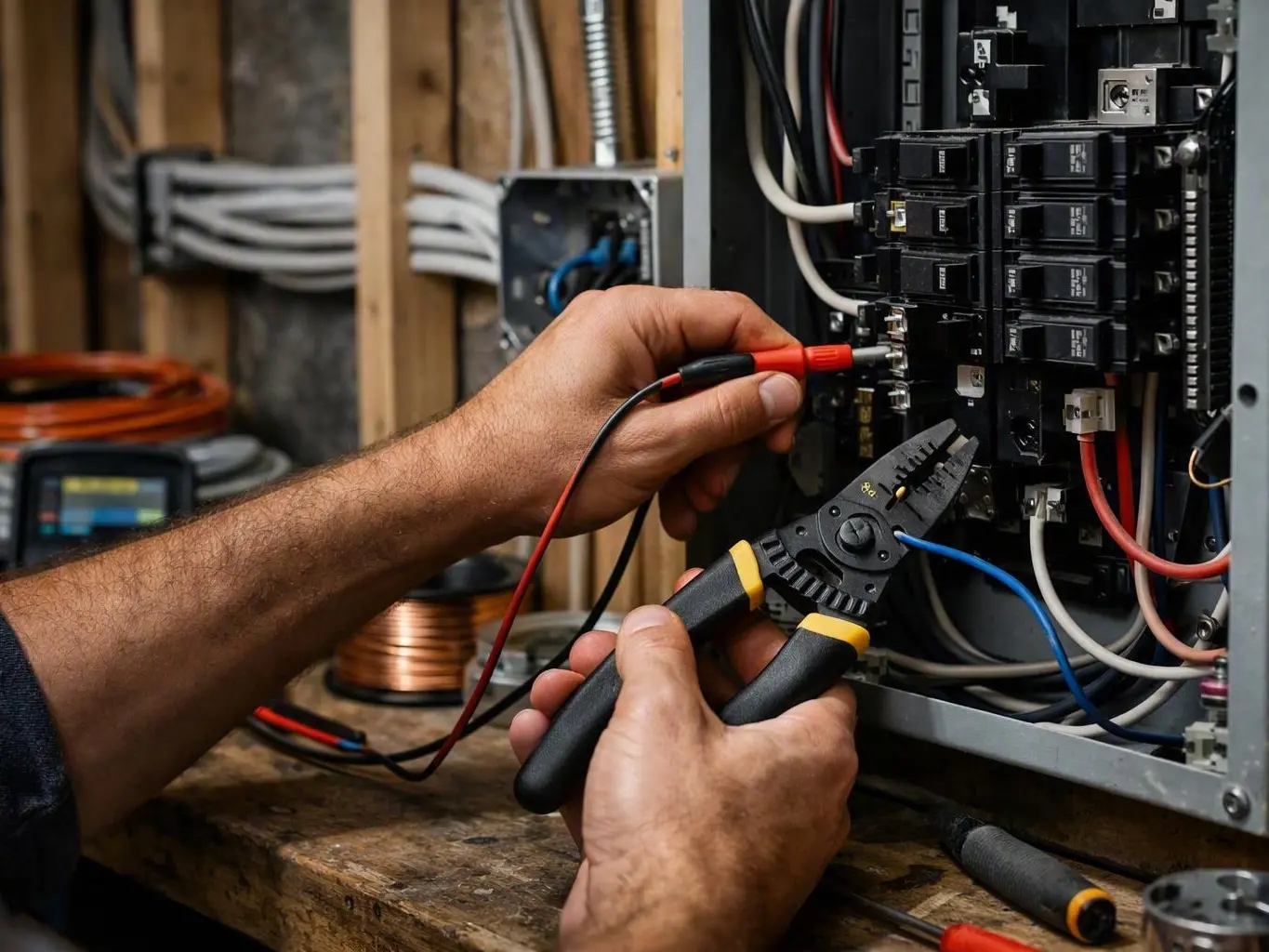
Our crews start with testing, not guessing. We check load demand, look for Electrical wiring damage, inspect the breaker switch and bus connections, and trace whether the issue is an overload trip, short circuit trip, or ground fault trip. That process helps separate a bad appliance from a bad breaker a deeper branch-circuit problem.
If the panel is outdated, we may recommend an Electrical Panel Upgrade. The home can safely handle modern loads. If an older fused setup is present, we can review fuse box repair. Replacement when parts are failing or no longer practical. Because local codes require licensed electricians for panel upgrades and repairs, expert work is not just helpful. It is the right path for safety and code compliance.
We also look at long-term reliability. That may include fixing poor past repairs, replacing damaged breakers, balancing circuits, and performing an Electrical inspection after moisture exposure or appliance failures. A qualified Electrician can help prevent repeat outages, reduce risk to your home, and make daily power use more dependable.
Frequently Asked Questions
Related Resources
What to Expect During an Electrical Panel Upgrade
How It WorksHow 24/7 Emergency Electrical Repair Works
how does emergency Electrical repair work
Everything About ItElectrical Panel Upgrade Guide, Signs, Costs, and When You Need One
Electrical panel upgrade guide
Everything About ItEV Charger Installation FAQ, What Homeowners Need to Know
EV charger installation FAQ