What to Expect During an Electrical Panel Upgrade in Cincinnati, OH
During an Electrical panel upgrade in Cincinnati, OH, electricians assess your current panel, obtain necessary permits, disconnect power, remove the old panel, install the new panel, connect circuits, and test the system to ensure safety and code compliance. This process improves Electrical capacity, safety, and reliability for your home or business.
Understanding the Electrical Panel Upgrade Process
Electrical Panel Upgrade work in Cincinnati, OH involves a step-by-step process led by licensed electricians to replace outdated or insufficient panels, enhancing Electrical safety and capacity.
An upgrade starts with a close look at your current service equipment, power needs, and wiring condition. In many older homes, the problem is not just age. It can also be low amperage, worn parts, or a legacy fuse box that can't handle modern use.
Our team checks the main service panel, circuit breaker layout, grounding, and any signs of heat damage. We also look at whether a main breaker upgrade, subpanel installation, or fuse to breaker conversion fits best. That planning matters because panel work affects the whole Electrical system.
Local conditions matter too. Cincinnati's humid continental climate can strain home systems during summer heat, winter cold, and strong storms. Older Cincinnati homes also often have aging equipment that needs updates for code compliance and newer appliances.
Before work starts, a licensed pro confirms permit needs, utility coordination, and inspection steps. That's a big part of the job. Safe results depend on proper panel installation, solid Electrical wiring, and a final Electrical inspection.
Step-by-Step Guide to an Electrical Panel Upgrade
The Electrical panel upgrade process includes assessment, permitting, power shutdown, panel removal, new panel installation, circuit connection, and final testing to ensure optimal speed and safety.
Step 1: Initial Assessment and Inspection
The first step is a full review of the existing equipment the home's current power demand. We check panel age, heat marks, corrosion, loose connections, and service size. Many homes now run more devices. Appliances than the original panel was built to support.
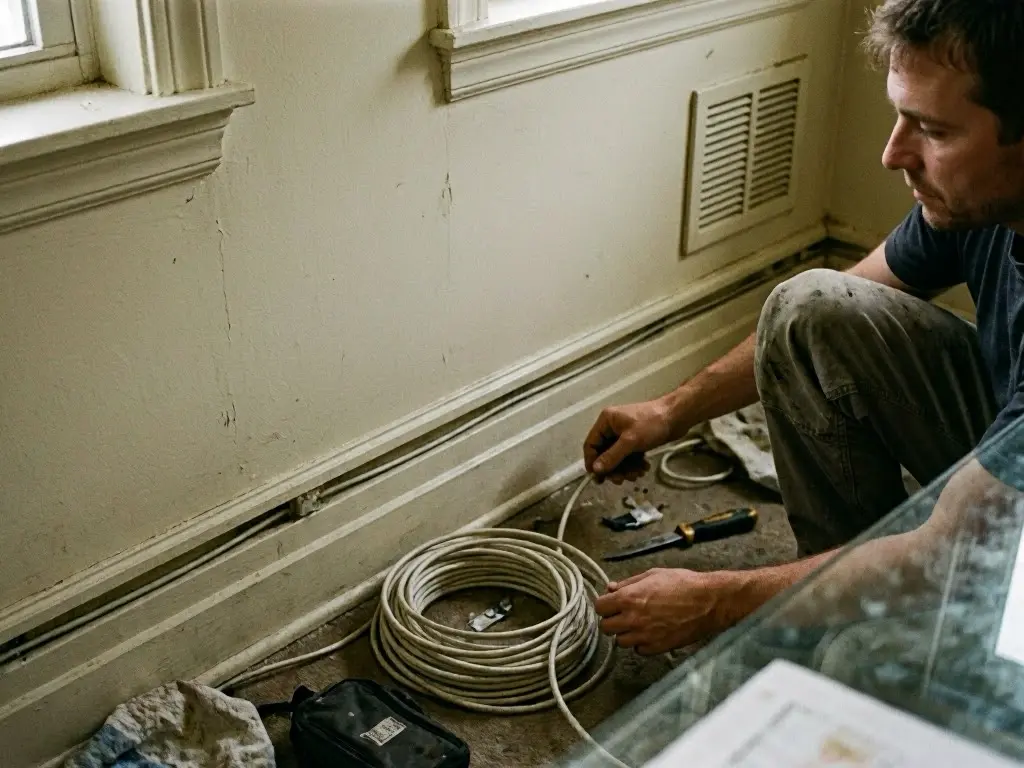
We also inspect Electrical wiring, grounding, and any past changes. If the house has an older service panel or crowded breaker space. A full replacement may be safer. This early visit helps set the scope, spot risks, and avoid surprises later.
Step 2: Obtaining Permits and Scheduling
Permits come before the work, not after. In Cincinnati, panel upgrades usually need city approval, and our crews handle the permit process from the start. That helps protect the property owner and reduces delays during inspection.
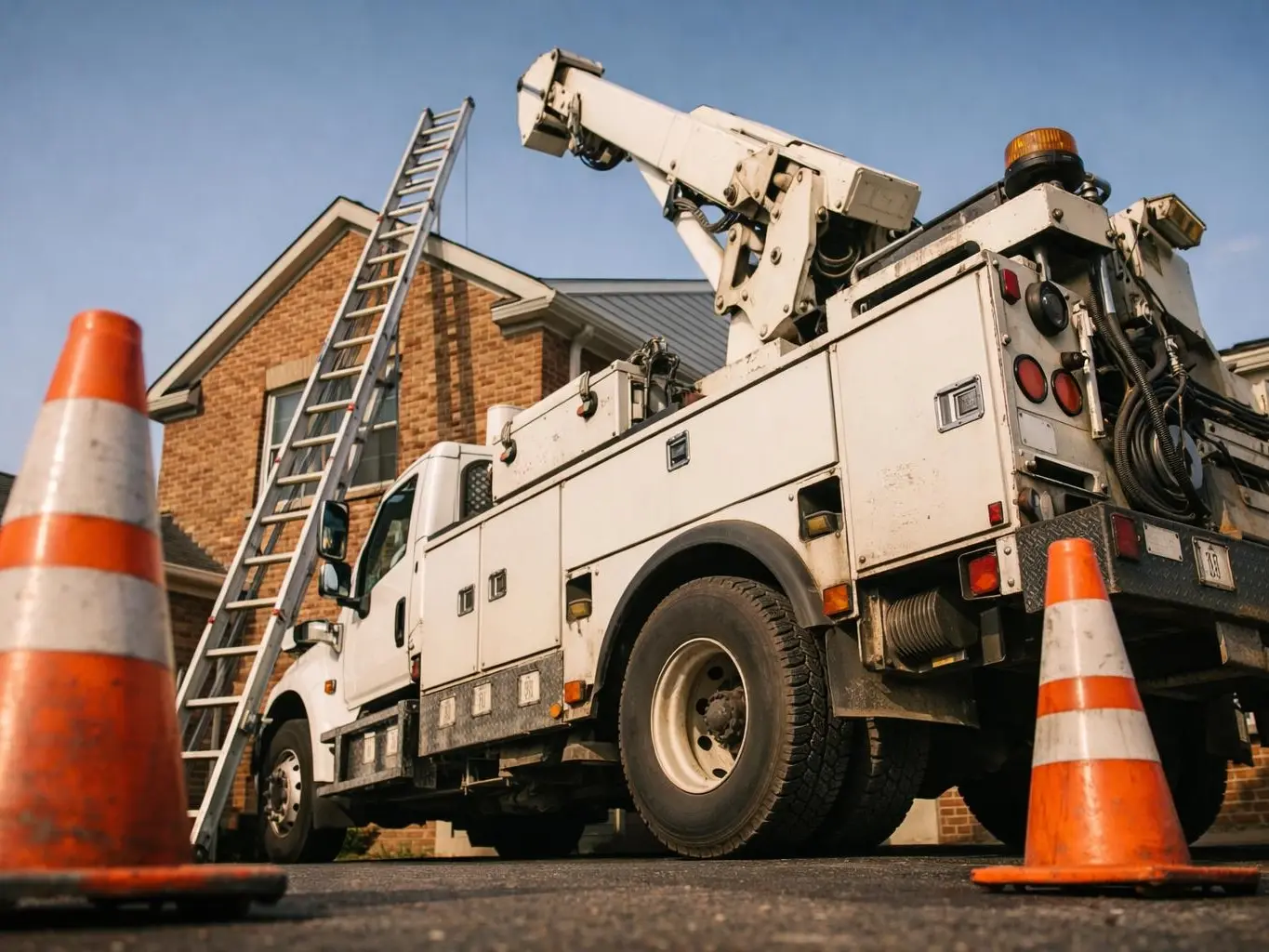
Scheduling also includes utility coordination if service must be disconnected at the meter or transformer. We'll explain the outage window, inspection timing, and any prep needed inside the home. If your job is part of a remodel. We may also line it up with other trades.
Step 3: Power Disconnection and Safety Measures
Power shutdown is one of the most important parts of the job. Panel work can't be done safely on live components. Once the utility disconnect or approved isolation method is in place. We verify that the panel and affected circuits are de-energized.
This stage can also reveal damaged breakers, overloaded circuits, or other hidden problems. Some homeowners first ask for Circuit Breaker Repair later find the panel is undersized. Safe shutdown steps aren't optional, and they protect both workers and the property.
Step 4: Removing Old Panel and Preparing Site
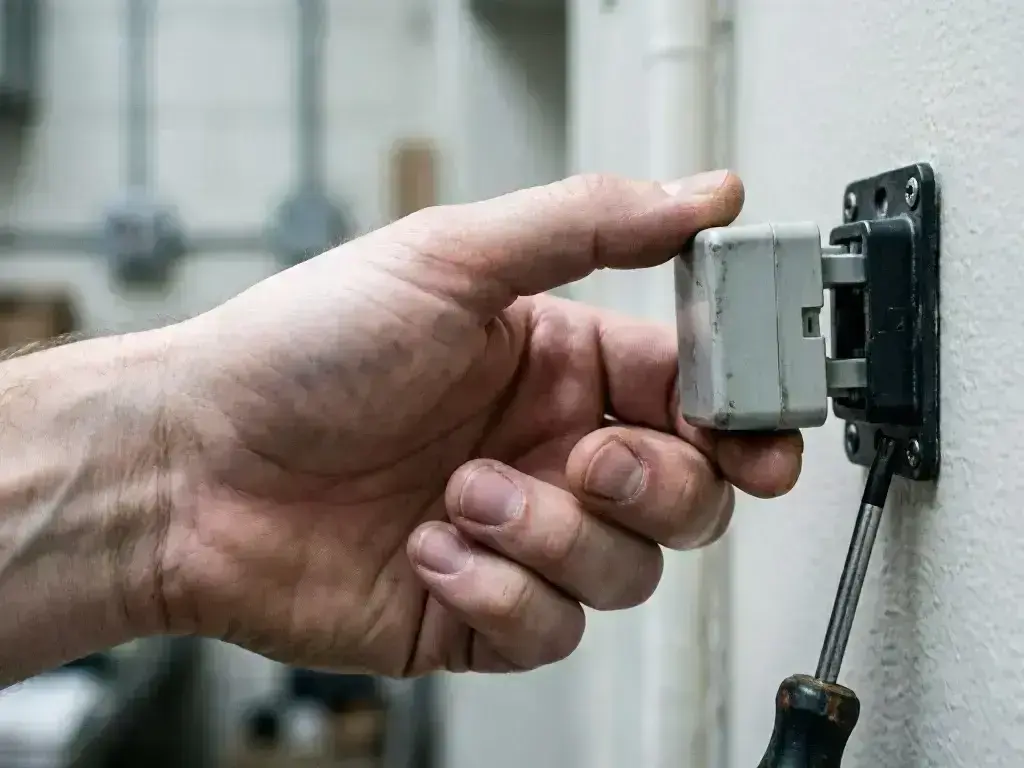
After the service is safely shut down. We remove the old panel prep the area. That includes disconnecting branch circuits, removing old breakers. Fuse holders, and checking the mounting surface. The opening, clearances, and cable paths must support a clean, code-ready install.
In older houses, this step often shows why the setup was struggling. We may find crowded wiring, worn insulation, rust, or an old fuse assembly. If the property still uses a fuse-based system. Fuse Box Repair is often only a short-term fix.
Step 5: Installing New Electrical Panel
The new panel is mounted, grounded, bonded as required, and sized for the home's needs. This work may include an Electrical service panel upgrade. A main breaker upgrade, or a subpanel installation. Proper spacing, conductor support, and equipment rating all matter here.
We also organize the layout so future service is easier. That helps if you're planning a remodel, new appliances, or extra circuits later. During an Electrical Panel Upgrade in Cincinnati. Local code compliance inspection rules guide every connection.
Step 6: Connecting Circuits and Breakers
Once the panel cabinet and main parts are in place. Each circuit goes to the proper breaker. We identify each one clearly and update the panel directory. Neutrals and grounds go in the right spots. Breaker sizes must match conductor sizes.
If we find weak breakers, poor connections, or heat damage, extra Circuit Breaker Repair may be needed. We also check major loads like air conditioning, kitchen equipment, laundry circuits, and garage equipment. Good labeling makes future service and Electrical inspection much easier.
Step 7: Testing and Final Inspection
The final step is testing the new setup. Making sure the panel works as it should. After power is restored, we check voltage, breaker response, grounding, bonding, and key loads. We also confirm the panel directory is complete and easy to read.
After our testing, the job moves to final inspection if the city requires it. That inspection confirms code compliance and safe operation. This step matters even more in older Cincinnati homes with legacy systems.
Typical Timeline for Electrical Panel Upgrades by Project Size
Electrical panel upgrade timelines in Cincinnati vary by project size. Small upgrades take 1 day, average projects 2-3 days, and large installations up to a week depending on complexity.
Most jobs follow a similar path, but the timeline can change. Service size, permit timing, utility coordination, and old wiring all affect the schedule. Homes with storm wear or hidden damage behind the panel often take longer.
| Project Size | Typical Duration | What It Usually Includes |
|---|---|---|
| Small | About 1 day | Straight panel swap with limited corrections and no major wiring updates |
| Average | About 2 to 3 days | Panel replacement, labeling, moderate wiring cleanup, permit and inspection flow |
| Large | Up to about 1 week | Service upgrade, major rewiring, subpanel work, or corrections found in older homes |
These are typical ranges, not guarantees. Jobs move faster when permits are approved early, access is clear, and the existing system is stable.
Common Signs You Need an Electrical Panel Upgrade
Signs you need an Electrical panel upgrade include frequent breaker trips. Flickering lights, outdated fuse boxes, insufficient outlets, and Electrical shocks indicating capacity or safety issues.
Benefits of Upgrading Your Electrical Panel in Cincinnati
Upgrading your Electrical panel in Cincinnati improves home safety. Supports modern appliance loads, reduces fire risk, increases property value, and ensures compliance with local Electrical codes.
If your current setup is undersized or outdated. A planned upgrade can fix safety issues now. It also prepares the property for years of normal use.
Frequently Asked Questions
Related Resources
Circuit Breaker Tripping Mistakes Homeowners Make
circuit breaker tripping mistakes
What to AvoidElectrical Panel Upgrade Mistakes to Avoid
Electrical panel upgrade mistakes
Everything About ItElectrical Panel Upgrade Guide, Signs, Costs, and When You Need One
Electrical panel upgrade guide
Everything About ItEV Charger Installation FAQ, What Homeowners Need to Know
EV charger installation FAQ