EV Charger Installation FAQ for Cincinnati Homeowners
EV charger installation FAQ covers common homeowner concerns in Cincinnati, OH, including Electrical panel upgrades, outlet installation, permits, and costs. Electricians make sure each setup is safe, code-compliant, and matched to local rules and the home’s Electrical system. Knowing these basics helps homeowners plan an EV charger installation with fewer surprises better control of cost.
Most homeowners can add a home charging setup safely. The garage or driveway needs enough load capacity. The charger needs a dedicated circuit. The work also has to pass permit and inspection rules. Our team helps homeowners sort out charging speed, equipment choice, and local requirements before work starts.
Quick Answers to Common EV Charger Installation Questions
EV charger installation in Cincinnati requires understanding local permits, Electrical panel capacity, outlet types, and cost factors to ensure a safe and compliant setup. In most homes, the main questions are simple. Can the service panel handle the added demand. What charger fits the vehicle, and what will permits and inspection involve?
| Question | Quick answer |
|---|---|
| Do most homes need a permit? | Yes. Most projects require a permit application, utility company notification, and a final inspection under local Electrical code rules. |
| Will my panel support a charger? | Maybe. Older homes often need a load calculation, and some need an Electrical Panel Upgrade before adding a 240-volt charger. |
| What outlet is usually used? | Many Level 2 systems use a 240-volt receptacle or hardwired connection on a dedicated circuit with the correct circuit breaker. |
| How much does it usually cost? | Typical pricing varies widely based on charger type, wire run length, panel condition, outlet location, and labor required. |
| How long does installation take? | Many straightforward jobs take part of a day once permits and materials are ready, but upgrades and inspections can extend the installation timeline. |
| Top concern | What homeowners should know |
|---|---|
| Permits Cincinnati OH | Requirements usually apply even for one charger because this is a new high-load Electrical addition. |
| Charging speed | Level 2 charging is much faster than a standard wall plug and is the common choice for daily home use. |
| Older wiring | Many older Cincinnati houses were built before today’s higher household power demands, so panel and wiring review is important. |
| Outdoor mounting | Cincinnati’s humid continental climate makes weatherproof enclosures, proper placement, and durable connections especially important outdoors. |
Understanding EV Charger Installation Requirements in Cincinnati
EV Charger Installation in Cincinnati involves obtaining necessary permits. Often upgrading the Electrical panel to handle increased power demands safely in compliance with local codes. The main rule is clear. The charging station needs wiring and overcurrent protection sized for the charger the home’s available capacity.
For most homes, the process starts with a site review. We check the main service size, open breaker spaces, grounding, and the path for new cable. We also look at whether the charger will sit indoors or outdoors. That review shows if the house can support an electric vehicle charging station now or needs upgrades first.
Permit rules matter because this job is more than plugging in an appliance. A new branch circuit, a larger circuit breaker, or a panel change often triggers city review. In Cincinnati, the permit process often includes utility company notice. An inspection tied to local Electrical setup. That step helps confirm the added load is legal and safe.
We also plan around the home itself. Many older properties in the area still have service equipment sized for older household needs. Those systems were not built for today’s bigger HVAC systems, appliances, and charging equipment. That’s why a panel capacity upgrade is common in historic homes. Outdoor units need extra care too because local weather brings heat, cold, humidity, and storms.
When Is an Electrical Panel Upgrade Necessary?
Electrical panel upgrade is necessary when the home lacks enough load capacity. Breaker space, or safe service equipment for a new charger circuit. The clearest signs include a full panel, a small service, older equipment, or a load calculation that shows the system is short on capacity.
We usually recommend a panel change when the charger needs a new 240-volt circuit and the service is near its limit. Homes with older fuse boxes, obsolete panels, or crowded breaker layouts are common examples. A service upgrade may also be needed if the homeowner wants faster Level 2 charging instead of slower Level 1 charging.
In many older Cincinnati houses, historic wiring standards lower service ratings create real limits. Those limits may not have mattered years ago, but they matter now. Adding a charger without fixing them can cause tripping, overheating, or a failed inspection. A proper load review helps decide if you need a new breaker a full panel capacity upgrade.
Types of Electrical Outlets Used for EV Chargers
Cost Factors for EV Charger Installation in Cincinnati
Cost for EV charger installation in Cincinnati varies based on charger type. Electrical panel upgrades, outlet installation, and local labor rates, impacting the overall project budget. The biggest cost drivers are usually the charger amperage. The distance from the panel, and any wiring service fixes needed first.
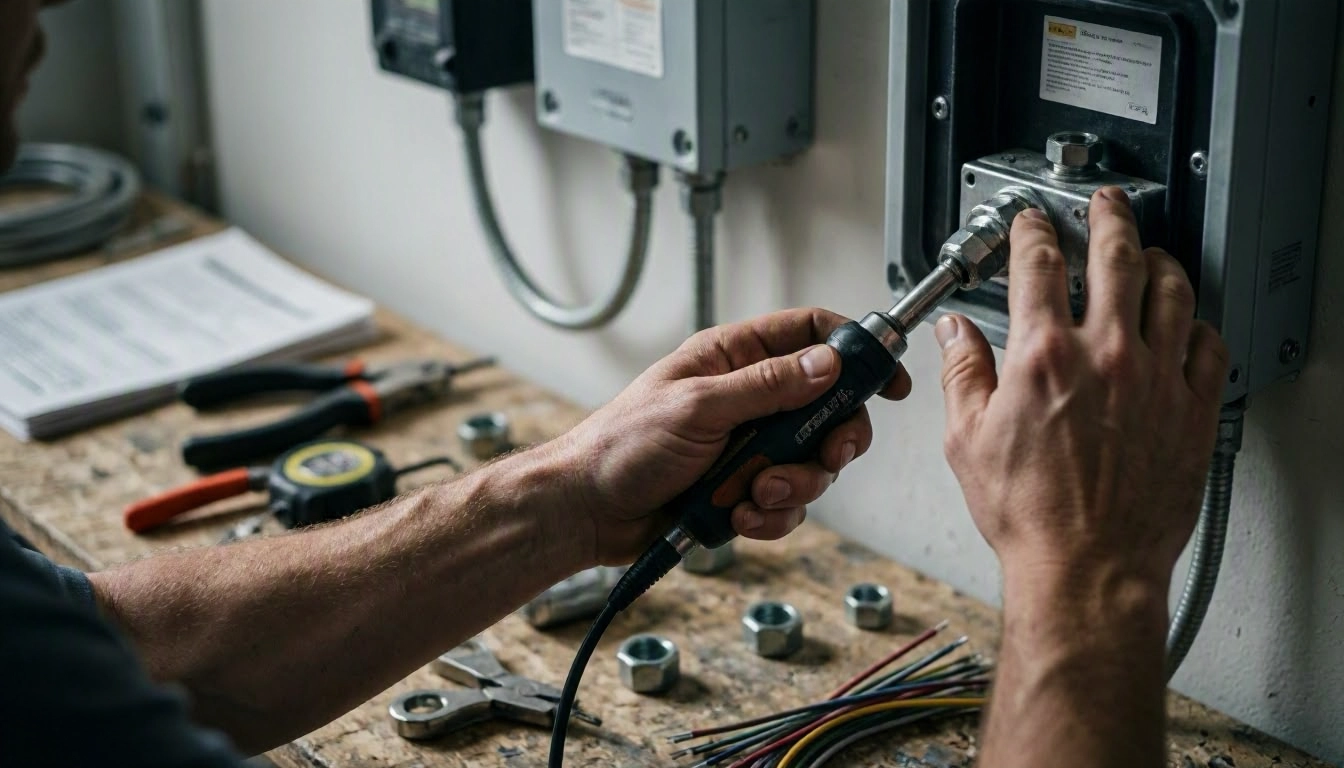
A simple project costs less. That usually happens when the garage is close to the panel. The service has open breaker space. The outlet is easy to mount. Costs rise when cable runs are long. The charger goes on an exterior wall, trenching is needed, or the panel must be replaced. Hardwired systems can also change labor. Material needs compared with plug-in equipment.
Most projects fall into a range, not one fixed price. Homes differ too much for that. A newer house with enough capacity may only need a new circuit, receptacle, and permit. An older property may need a new main panel, grounding updates, and repairs to old code issues before approval.
Local factors matter too. Permit steps, inspection timing, and utility coordination can affect the full budget and schedule. Cincinnati homes with detached garages, masonry walls, or older basements often take more labor than newer layouts. We explain those details clearly, so homeowners can compare a basic charger setup with a larger Electrical service improvement.
Step-by-Step EV Charger Installation Process
EV charger installation follows a step-by-step process including site assessment, permit acquisition, Electrical upgrades, outlet installation, and final inspection to ensure safety and compliance. The work needs a clear order. That way, the charger fits the home’s Electrical system, passes review, and gives reliable daily charging.
Frequently Asked Questions About EV Charger Installation
Common EV charger installation questions cover topics like permit requirements, cost estimates, Electrical upgrades, and how Cincinnati’s local regulations affect the installation process. Most homeowners want straight answers. They usually ask about permits, timing, outlet type, inspection, and whether any licensed Electrician can do this kind of work.
Frequently Asked Questions
These permit and code questions come up first because legal approval affects the whole project timeline.
Most home charger projects require an Electrical permit because they add a new branch circuit or modify existing service equipment. The process often includes permit review, utility notification, and a final city inspection to confirm the installation meets local code.
Cost and equipment questions help homeowners decide what level of charger makes sense for daily driving.
Pricing depends on the charger type, distance from the panel, permit requirements, wall or conduit work, and whether the Electrical service needs changes first. Straightforward jobs are usually lower in cost than projects that require panel replacement. Detached garage wiring, or difficult cable routing.
These home-system questions focus on whether the existing Electrical service can handle the added load.
Not always, but many homes do. If the panel is full, outdated, or does not have enough available capacity for the added charger load, a panel upgrade may be the safest and most practical path.
Process questions usually come last once homeowners understand permits, pricing, and panel capacity.
Many standard installations can be completed in less than a day once permits are approved and materials are on site. Projects take longer when they involve service upgrades, difficult routing, detached structures, or inspection scheduling delays.
Related Resources
What to Expect During an Electrical Panel Upgrade
How It WorksHow EV Charger Installation Works at Home
how does ev charger installation work
What to AvoidElectrical DIY Mistakes to Avoid
Electrical DIY mistakes
What to AvoidCircuit Breaker Tripping Mistakes Homeowners Make
circuit breaker tripping mistakes