Top Electrical DIY Mistakes to Avoid in Cincinnati, OH
Electrical DIY mistakes often come from bad wiring, skipped safety rules, and the wrong tools. These errors can cause shock risks, costly repairs, and code violations. Avoiding mistakes like overloaded circuits, live wires, and missing permits helps keep DIY projects safer. If you are unsure, calling a licensed electrician in Cincinnati, OH helps protect your home and follow local rules.
Why Avoiding Electrical DIY Mistakes Matters in Cincinnati, OH?
Electrical DIY mistakes in Cincinnati, OH pose serious safety risks and can lead to costly repairs or code violations, making it essential to understand and avoid them for safe home Electrical projects.
Even a small Electrical mistake can create a bigger problem inside your walls. A loose connection or missed ground may seem fine at first. Later, it can cause heat, breaker trips, damaged devices, or even a fire. Bad DIY work also makes future troubleshooting much harder.
Local weather adds another layer of risk. Cincinnati’s humid continental climate can wear down outdoor boxes, wire insulation, and exposed connections. That happens faster when the wrong materials were used. Storms can also bring outages and surges, and rushed fixes often follow.
The goal is not only to get the lights back on. The work also needs to be safe, code-compliant, and built to last. That matters in daily use and during rough weather.
Common Electrical DIY Mistakes and How to Fix Them
Electrical Wiring Repair and Electrical outlet installation mistakes like improper grounding, overloaded circuits, and ignoring permits are frequent in DIY projects but can be fixed by following safety protocols and local codes.
Most home Electrical repairs go wrong in familiar ways. People trust a wall switch instead of shutting off the breaker. They reuse damaged parts, guess at wire gauge, or add devices to full circuits. The job starts small, but the risk rises fast when safety rules get skipped.
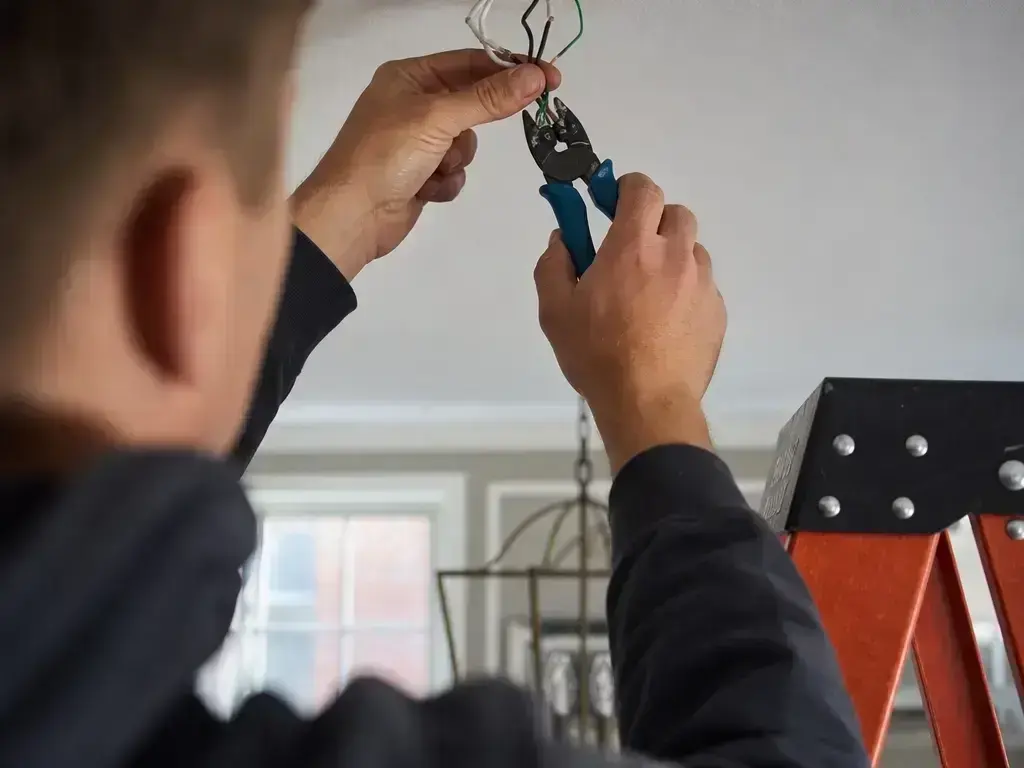
A safe repair starts with the right checks. Find the breaker first and test for live power. Check wire size, confirm grounding, and make sure the box and device match the load. Use proper Electrical tools and approved parts for the location.
Outdoor or damp areas need extra care. Humidity in Cincinnati can shorten the life of poorly protected parts. Below are common DIY mistakes, why they happen, and how to fix them safely.
Mistake 1: Not Turning off Power Before Starting
Electrical safety starts with shutting off power at the correct breaker and verifying that the circuit is dead. Many DIYers flip a switch, assume the line is safe, and start touching wires. That is risky because switches do not always isolate every conductor. Older homes also often have mislabeled panels.
This mistake can cause shock, arc damage, burned devices, or serious injury. It also leads to rushed reconnections after a scare. That can leave hidden problems behind. The fix is simple: shut off power at the panel, mark the breaker, and test the wires before touching them.
Mistake 2: Using Incorrect Wire Gauge
Wire gauge must match the circuit load and breaker size. A common wiring error is mixing conductors without checking the amp rating. Many people use whatever cable they already have. That often happens during small Electrical Repair jobs or short line extensions.
The main problem is heat. If the wire is too small, it can overheat before the breaker trips. That raises the risk of damaged insulation and failure inside the wall. The fix is to match the conductor to the breaker and redo any undersized sections.
Mistake 3: Overloading Electrical Circuits
Electrical circuits get overloaded when too many lights, tools, heaters, or appliances share one line. This is common in kitchens, basements, garages, and older rooms. Many houses were not built for today’s power use.
Warning signs include breaker trips, warm outlets, dimming lights, and buzzing devices. Ignoring those signs can damage appliances and turn a small repair into a larger rewiring job. The fix is to calculate the load, move devices if needed, and add dedicated lines where required. If a breaker keeps tripping, do not install a larger one first.
Mistake 4: Skipping Grounding and Bonding
Grounding and bonding protect people and equipment by giving fault current a safe path. DIY work often skips these steps because they are less obvious than hot and neutral wires. A receptacle may still appear to work, but the safety protection is incomplete.
This mistake can energize metal parts during a fault. It may also keep safety devices from working the way they should. The risk is higher in kitchens, bathrooms, garages, and outdoor areas. The fix is to check grounding continuity and bond boxes, devices, and conductors correctly.
Mistake 5: Failing to Obtain Necessary Permits
Permits are easy to overlook, but they matter for safety and legal compliance. Many homeowners think small changes do not need paperwork. Still, local Electrical code rules often require permits and inspection for more than simple swaps.
Skipping this step can lead to failed home sales, denied claims, unsafe hidden work, and costly rework. In Cincinnati, permit rules affect many DIY projects. Check the requirements before opening walls or changing circuits. If approval is needed, schedule the inspection and keep records of the job.
Mistake 6: Using Wrong Tools or Materials
Electrical tools and approved materials are not optional. DIYers often use basic pliers, cheap testers, indoor boxes outside, or mismatched connectors. The job may look minor, but the parts still must fit the conditions.
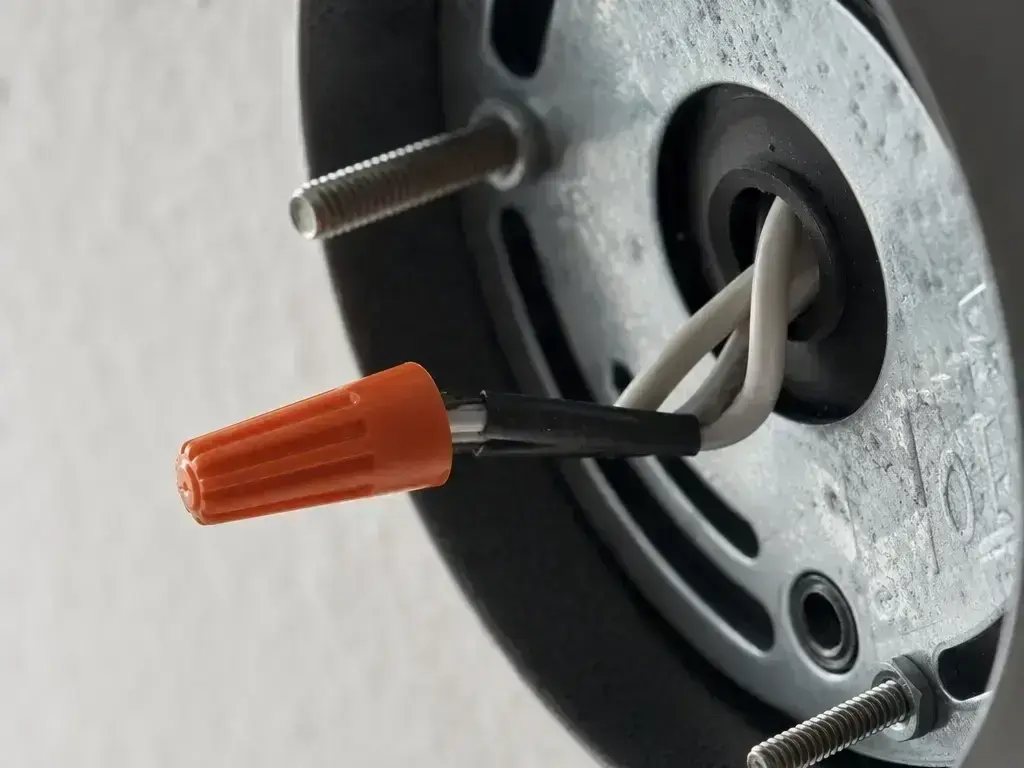
These shortcuts can cause loose connections, damaged wires, moisture entry, and faster corrosion. That matters here because humid weather can wear down outdoor wiring fast. The fix is to use insulated tools, listed devices, proper connectors, and weather-rated materials. Good parts last longer and make the repair safer.
Mistake 7: Poor Outlet Installation Techniques
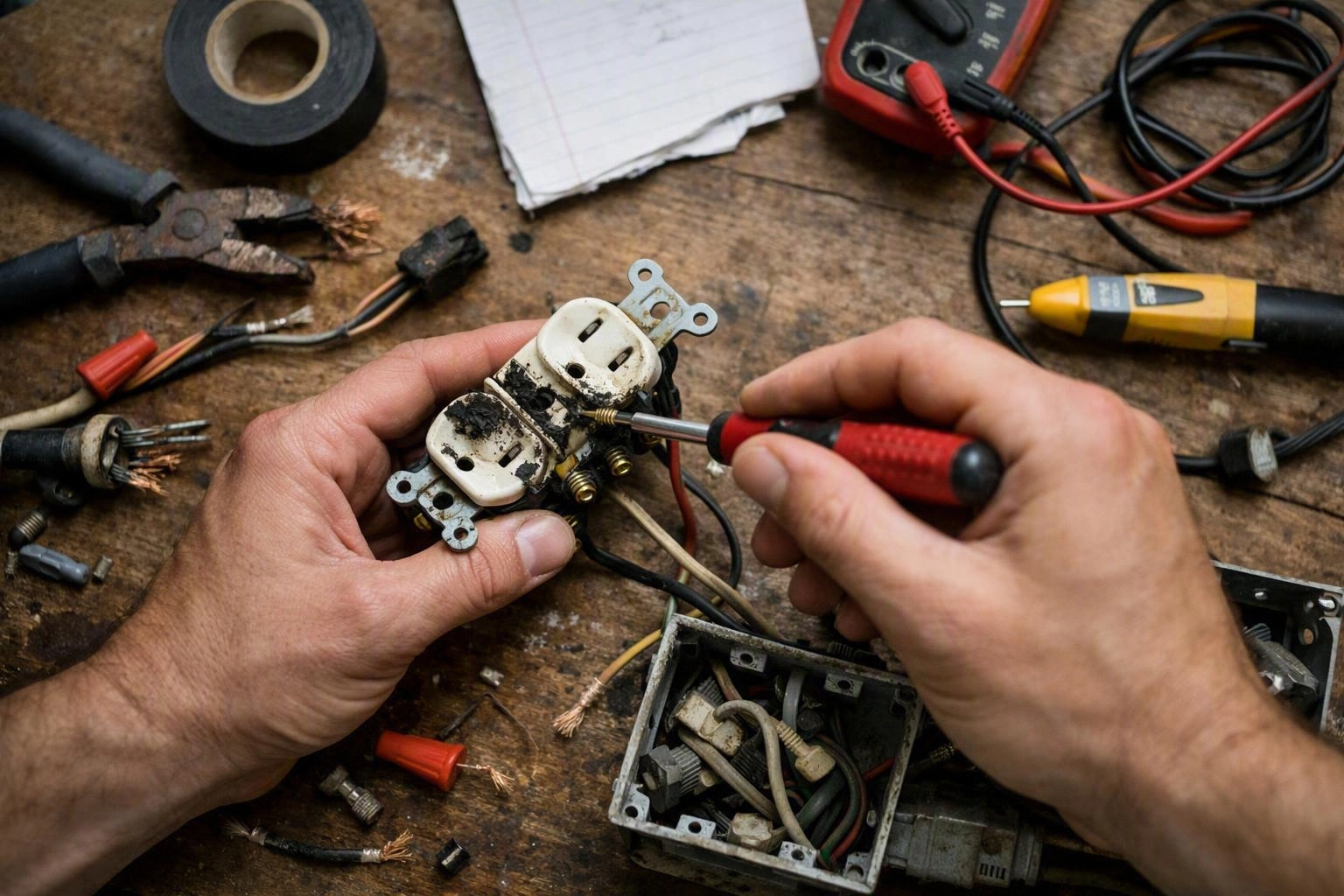
Outlet wiring problems are a common cause of outlet installation mistakes. Issues include reversed polarity, loose terminal screws, overfilled boxes, weak support, and push-in connections that loosen over time. Many homeowners focus on the faceplate and miss the full device setup.
The result can be dead receptacles, nuisance trips, or heat damage inside the box. During storm season, weak connections may fail after surges or outages. The fix is to wire the receptacle correctly, tighten the terminals, and confirm polarity and grounding with a tester. If anything seems off, stop and have our team inspect the circuit.
When to Call a Professional Electrician in Cincinnati, OH?
Calling a professional electrician in Cincinnati, OH is advised when facing complex wiring repairs, frequent breaker trips, unknown Electrical issues, or when permits are required to ensure safety and code compliance.
If you are unsure whether to keep going, use a simple rule. If the job affects safety devices, hidden wiring, service equipment, or code compliance, call a licensed electrician. That helps protect your home and avoids repeat repairs.
How Local Cincinnati Regulations Impact Electrical DIY Projects?
Local Cincinnati Electrical codes and permit requirements significantly impact DIY Electrical projects by mandating safety standards and inspections to prevent hazards and ensure compliance.
In Cincinnati, many Electrical changes are not just technical decisions. They are legal ones too. Homeowners may handle limited work in some cases, But once a project changes wiring, adds circuits, alters service equipment, or affects protected areas, permits and inspections often apply.
These rules matter because inspections catch details people often miss. That includes box fill limits, bonding problems, wrong device ratings, and missing protection. Unpermitted work can also create problems during insurance claims or home sales. If you are unsure where your project falls, our team can help you choose the next safe step.
Frequently Asked Questions
Related Resources
How EV Charger Installation Works at Home
how does ev charger installation work
How It WorksHow 24/7 Emergency Electrical Repair Works
how does emergency Electrical repair work
Everything About ItEV Charger Installation FAQ: What Homeowners Need to Know
EV charger installation FAQ
Everything About ItWhole-Home Rewiring Explained: Costs, Signs, and Process
whole home rewiring explained