How EV Charger Installation Works at Home in Cincinnati, OH
EV charger installation at home involves checking your Electrical system, choosing the right charger, getting permits, upgrading wiring if needed, and professional mounting by a licensed electrician in Cincinnati, OH. This helps ensure safe, efficient charging that fits your home's Electrical capacity.
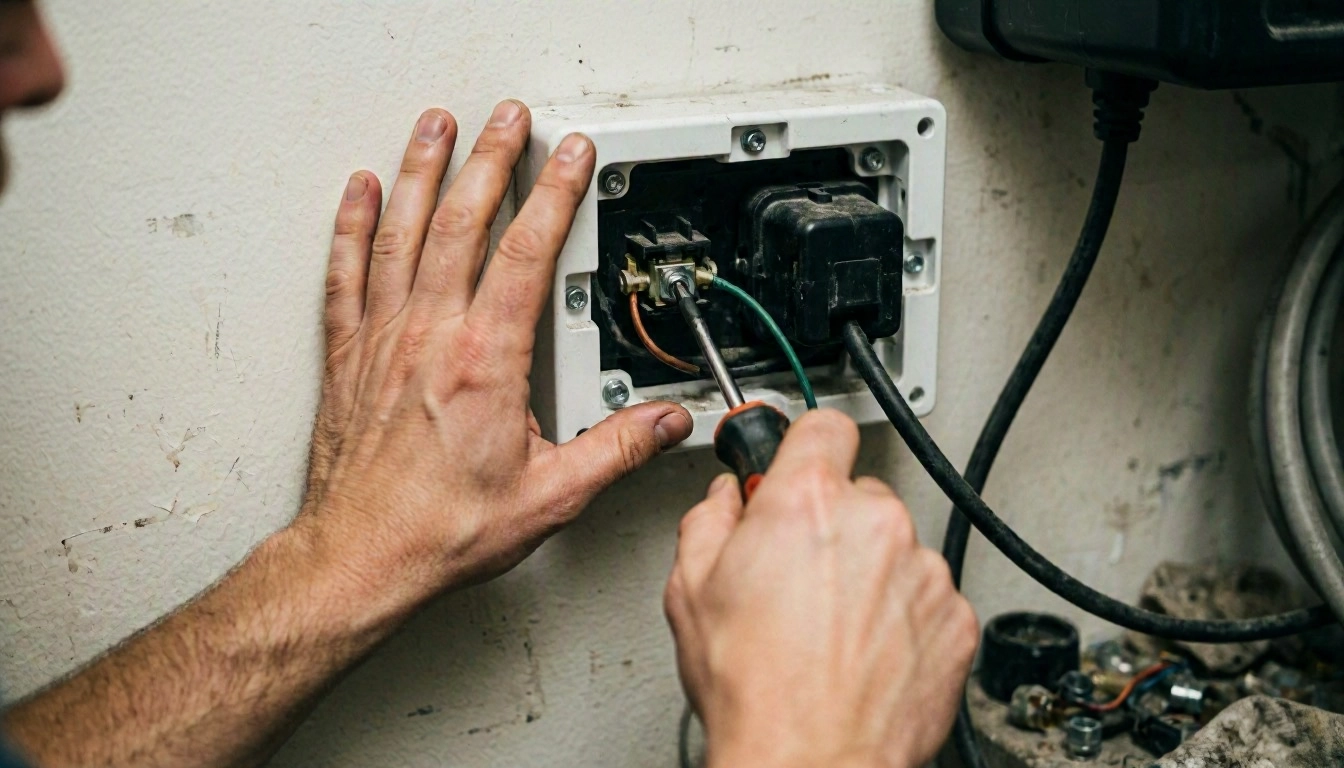
Step-by-Step Process of EV Charger Installation at Home
EV Charger Installation follows a clear process: site assessment, charger selection, permits, Electrical upgrades if needed, and final installation by a licensed electrician. This keeps the work safe, code-compliant, and matched to your home’s actual charging needs.
Site Assessment and Electrical System Evaluation
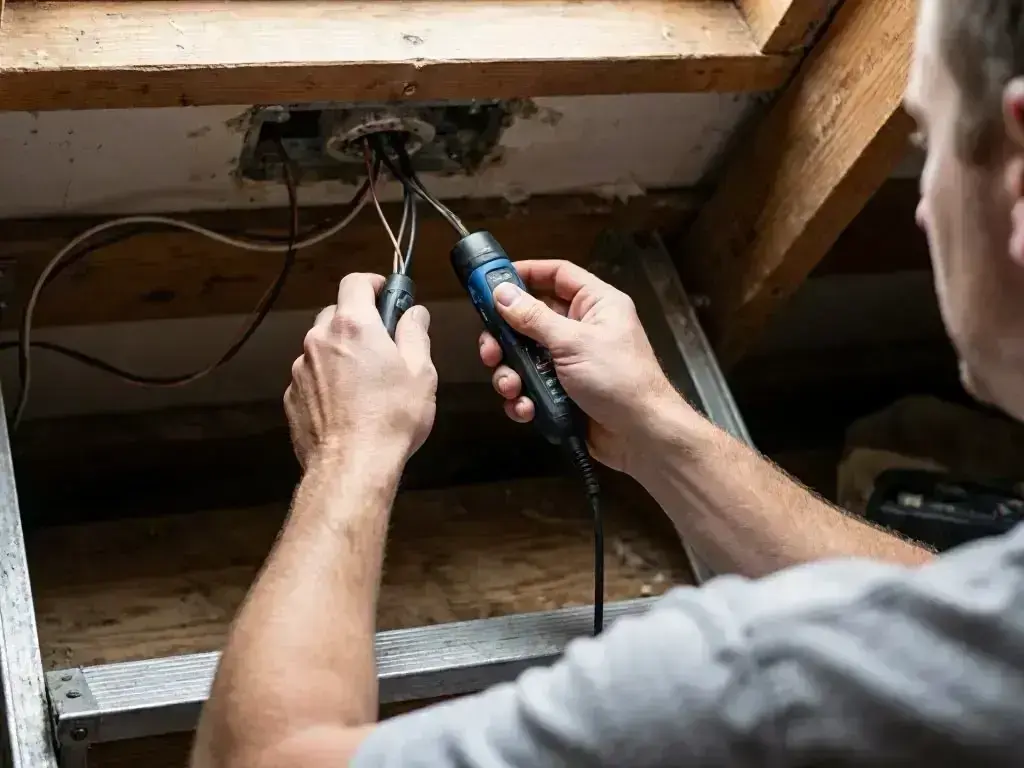
The first visit answers the biggest question fast: can your house support a charger safely? We check panel size, breaker space, service condition, and distance to the parking area. We also look for older wiring, overloaded circuits, or corrosion. Those problems can affect safety and performance.
If the charger will sit near a garage wall or driveway, we plan the best route for conduit and wiring. That helps keep the setup protected and neat. When a receptacle is part of the design, Electrical Outlet Installation must match the charger’s voltage and plug type. We also check whether your main service can handle the added load. If not, a panel update may be the safer choice.
Choosing the Right EV Charger for Your Home
The right charger depends on your vehicle, driving habits, and your home’s power supply. Most households choose a Level 2 unit for faster overnight charging. We compare charging speed, smart features, cord reach, and the connection type. Then we help you pick a setup that fits your routine.
We also think about where the charger will go. A garage unit may need different protection than one on an open driveway. That matters in local weather, where humidity and winter conditions can wear on outdoor equipment. During EV Charger Installation in Cincinnati, we help homeowners choose durable electric vehicle supply equipment. The goal is to fit both the car and the house without paying for extra capacity they won't use.
Typical Installation Timeline by Project Size
Installation timelines vary by project size: small projects take a few hours, average installations last one day, and large Electrical upgrades can take multiple days. The main factors are panel capacity, wire run length, permit timing, and whether inspection or service upgrades are needed first.
| Project Size | Typical Duration | What It Usually Includes |
|---|---|---|
| Small | A few hours | Short wire run, open breaker space, simple charger mounting, limited outlet or conduit work |
| Average | About one day | Dedicated 240-volt circuit, moderate wire distance, charger setup, testing, and normal permit coordination |
| Large | Multiple days | Electrical panel upgrade, long conduit route, service changes, added inspections, or extensive Electrical installation work |
Most delays do not come from mounting the charger itself. They usually come from permit review, utility coordination, or extra wiring found during inspection. In older homes, longer timelines are common. That often happens when the panel lacks capacity or branch circuits need correction first.
Permits and Regulations for EV Charger Installation in Cincinnati, OH
Permits and Regulations in Cincinnati, OH require inspection and approval to ensure EV Charger Installation follows city Electrical codes and safety standards. For most homes, that means using proper wiring methods, correct breaker sizing, approved equipment, and final inspection before the system is complete.
A permit is commonly needed when adding a new 240-volt branch circuit, changing panel parts, or installing fixed electric vehicle supply equipment. The reason is simple: it helps protect the home, the people in it, and the utility connection. The permit application also creates a record that the charging station installation was reviewed under local Electrical codes.
In many homes, code review focuses on conductor sizing, grounding, disconnecting means where needed, and breaker compatibility. Local Electrical code updates can also affect how wiring standards apply in Cincinnati neighborhoods. That's why we check the latest rules before work starts. That matters even more when a project includes a receptacle, outdoor placement, or service changes.
Timing can vary. Permit approval in Cincinnati can shift with the season, which may affect scheduling during busy periods. We plan for that by sending paperwork early and lining up the Electrical inspection once work is ready. Using a Licensed Electrician often helps the process go more smoothly. Inspectors expect clear plans, load details, and proper installation methods.
Electrical Wiring and Outlet Installation Requirements
Electrical wiring and outlet installation must meet specific voltage and amperage standards to support efficient EV charging and safe EV Charger Installation. The charger needs a dedicated circuit, correct wire size, proper overcurrent protection, and equipment rated for the location.
These requirements are why a trained Electrician should review the job before parts are ordered. A charger may look simple on the wall, but it depends on the right power supply behind it.
Common Challenges and Solutions During EV Charger Installation
EV Charger Installation may face challenges like outdated wiring or permit delays, but professional electricians in Cincinnati, OH can solve them and keep the job compliant. Most issues are manageable when the panel, circuit path, and approval steps are checked early.
One common problem is limited panel capacity. Older homes may not have enough room or service size for a new 240-volt charger circuit. In that case, we may suggest a load calculation, breaker changes, or a full Electrical panel upgrade. Another issue is a long wire run to the garage or driveway. That can raise labor time and material cost during Electrical installation.
Outdoor setups can create problems too. Moisture, sun, and winter weather call for properly rated equipment and careful charger placement. That local climate factor matters because durable parts help prevent nuisance trips and early wear. We also see permit or inspection timing slow projects during busy seasons, So we plan for those steps early and keep the home charger installation organized and safe.
Frequently Asked Questions
Related Resources
Electrical DIY Mistakes to Avoid
Electrical DIY mistakes
Everything About ItEV Charger Installation FAQ: What Homeowners Need to Know
EV charger installation FAQ
What It CostsHow Much Does an Electrician Cost in Cincinnati, OH?
electrician cost Cincinnati OH
What It CostsEV Charger Installation in Cincinnati: Cost, Options, and Timeline
EV charger installation cost Cincinnati OH