Electrical Problems With Generators, EV Chargers, and High-Power Equipment
High-power electrical equipment can cause electrical faults, breaker trips, unsafe connections, and emergency shutdown conditions. Cincelux Electric identifies the hazard, isolates unsafe equipment, tests the circuit, and completes the required electrical work.
Get a Free EstimateOptions at a Glance
Generators, EV chargers, and hot tub circuits use different equipment, but the same safety questions apply. We check circuit capacity, protective devices, wiring condition, and equipment compatibility before recommending a repair or installation.
These systems are not interchangeable. The correct solution depends on the equipment and the condition of the existing electrical panel.
High-Power Equipment Compared
| Option / System | Best For | Turnaround | Key Trade-Offs |
|---|---|---|---|
| Standby generator | Backup power connected through transfer equipment | Depends on system condition and installation scope | Requires careful transfer, grounding, and load planning |
| Portable generator | Temporary power for compatible loads | Depends on safe connection and equipment access | Improper connection can create backfeed and shock hazards |
| EV charger | Dedicated vehicle charging | Depends on circuit capacity and installation scope | Needs compatible protection and suitable panel capacity |
| Hot tub circuit | Outdoor water-related equipment | Depends on moisture damage and wiring condition | Moisture intrusion can trigger protective devices |
1. What Counts as a High-Power Appliance Electrical Emergency?
A high-power appliance electrical emergency is a dangerous condition involving equipment such as a generator, EV charger, or hot tub circuit that requires the equipment to be stopped and assessed before use continues. A circuit breaker, electrical panel, electrical shock, or burning odor can signal an urgent electrical fault.
We isolate unsafe equipment before testing the circuit. Do not touch exposed wiring or continue using equipment that smells burnt, feels hot, sparks, or causes a shock.
2. Signs Your Generator, EV Charger, or High-Power Equipment Needs Attention
Repeated protective-device operation or visible damage means high-power equipment needs inspection before continued use. Our team uses the symptoms to guide safe isolation and circuit testing.
3. Why High-Power Equipment Causes Breaker Trips and Other Faults
High-power equipment causes breaker trips when the circuit cannot safely carry the load or when a protective device detects a fault. We test each likely cause instead of repeatedly resetting the breaker.
Why Does an EV Charger Keep Tripping the Breaker?
An EV charger keeps tripping the breaker when the charging circuit has a fault, the electrical load exceeds its capacity, protective devices detect leakage, or the charger and circuit are incompatible.
We inspect the electric vehicle charger, circuit breaker, electrical panel, and ground-fault protection. A load calculation helps determine whether the existing panel and dedicated charging circuit can support a Residential Level Two EV Charger Installation.
Our team can also assess an Electric vehicle charging station when the equipment shares capacity with other high-load appliances. We identify the fault before completing EV Charger Installation.
When Should an EV Charger Be Disconnected?
An EV charger should be disconnected when it shows smoke, electrical arcing, overheating, water exposure, damaged components, repeated breaker trips, or an electrical burning odor.
Stop charging and use the emergency disconnect when it can be operated safely. We inspect the charging cable, connections, protective device, and equipment before restoring service through EV Charger Emergency Disconnect Installation.
How Generator Problems Affect a Home's Electrical System
A generator can cause electrical problems when the transfer equipment, grounding, connections, or generator output does not match the building's electrical system.
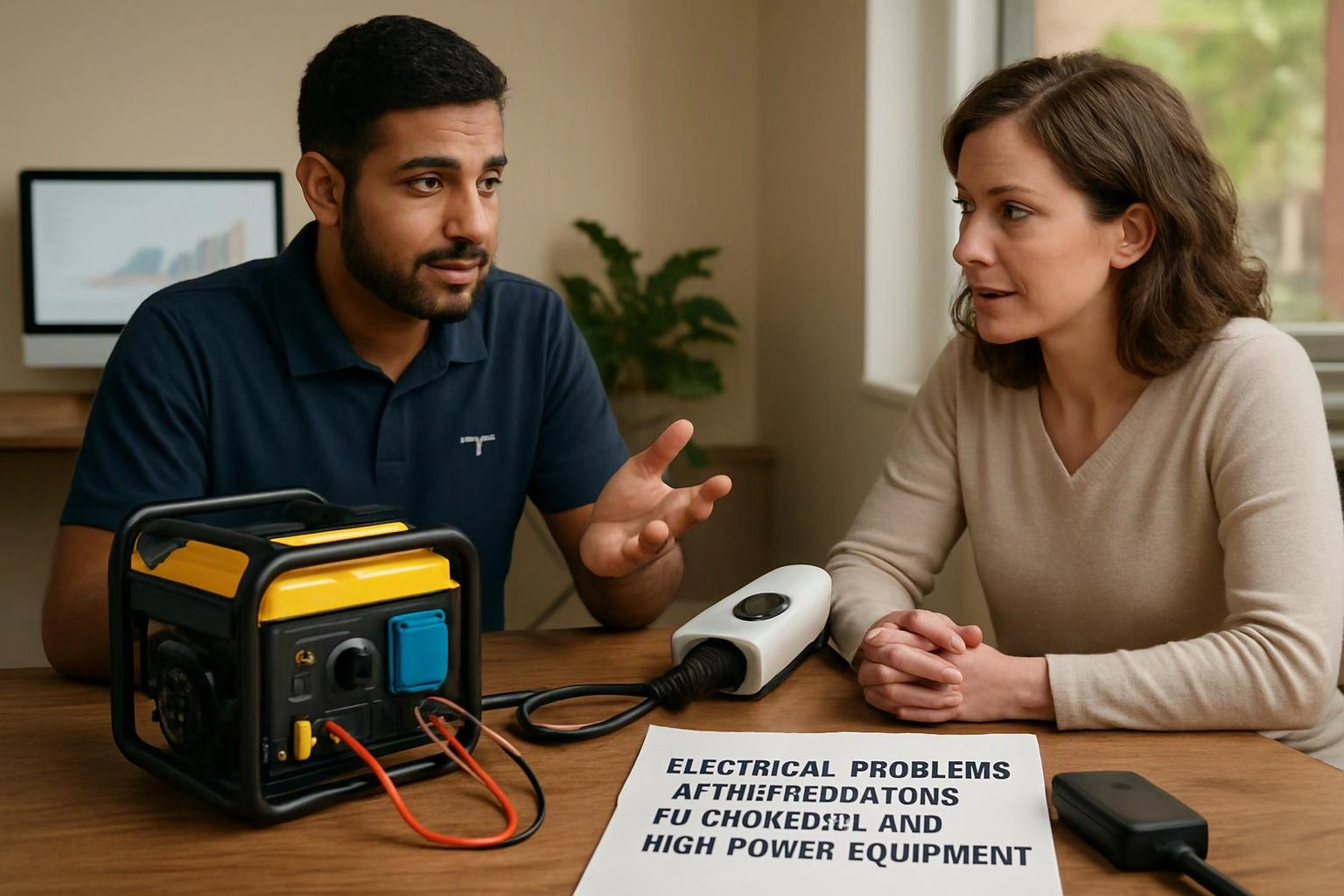
A standby generator needs compatible transfer equipment and correct grounding and bonding. A portable generator can create backfeed when connected improperly, which can energize wiring in unsafe ways.
We inspect the generator connection, transfer switch, electrical panel, and grounding path. Our Generator Installation work focuses on safe system integration, while Generator Repair addresses faults in existing equipment.
More information about safe generator connections is available through our Generator Installation service.
Can Faulty Hot Tub Wiring Trip a Breaker?
Yes, faulty hot tub wiring can trip a breaker when moisture, insulation damage, ground faults, loose connections, or equipment defects affect the circuit.
We check the hot tub wiring, GFCI protection, disconnect switch, and outdoor electrical equipment for moisture intrusion and heat damage. Our Hot Tub Wiring work addresses the circuit condition before the equipment is placed back in service.
How We Isolate and Repair High-Power Electrical Problems
Electrical diagnosis begins with safe isolation, followed by circuit testing and a load assessment. Cincelux Electric identifies the fault, explains the repair scope, and completes the appropriate electrical work; Free Estimates Available.
For larger properties, our team can also plan Commercial EV Charging Station Installation around available electrical service and equipment location.
How to Prevent Electrical Problems With High-Power Equipment
Prevention starts with matching the equipment to the electrical system and keeping protective devices in working order. We can identify unsafe conditions during an electrical inspection before they become an emergency.
How to Choose the Right Electrical Repair Scope
The right repair scope depends on the equipment fault and the condition of the electrical system. We use the inspection findings to separate a protective-device issue from a wiring, panel, or equipment problem.
When Is a High-Power Electrical Repair Unsafe to Handle Yourself?
High-power electrical repair is unsafe to handle yourself when the work involves live circuits, the service panel, generator connections, damaged wiring, water exposure, smoke, or repeated protective-device trips.
You can stop using the equipment and operate an accessible disconnect when doing so is safe. We handle circuit testing, generator connection work, EV charging equipment, and hot tub circuit repairs because these systems can contain live electrical parts.
What the Electrical Quote Needs to Account For
The electrical quote depends on the equipment type, existing circuit capacity, wiring condition, panel space, access, protective-device requirements, and whether the work involves repair, installation, or emergency disconnection.
We review the equipment location, disconnect requirements, repair materials, and installation scope before explaining the work. Free Estimates Available, and our team can provide the exact quote after assessing the electrical conditions.
Questions About Generator, EV Charger, and Hot Tub Electrical Problems
Can a generator overload a home's electrical panel?
Cincelux Electric can determine whether a generator is overloading the home's electrical panel by checking generator output, connected loads, transfer equipment, grounding, and panel capacity.
What should I do if my EV charger smells like burning plastic?
Stop charging, disconnect the EV charger through a safe accessible disconnect, and keep away from damaged equipment until we inspect the burning smell, connections, wiring, and protective devices.
Can an EV charger trip a GFCI breaker?
Yes, an EV charger can trip a GFCI breaker when leakage, moisture, damaged wiring, equipment failure, or incompatible protection affects the charging circuit.
Why does a hot tub breaker trip when the tub is turned on?
A hot tub breaker trips when the tub starts if the circuit has a ground fault, moisture intrusion, loose connection, damaged wiring, or a failing component.
Can I reset a breaker that keeps tripping on a high-power appliance?
A breaker that keeps tripping should not be repeatedly reset because the condition may involve an overload, short circuit, ground fault, or damaged equipment. Stop using the appliance and contact us for safe isolation and testing.
Get Help With a High-Power Electrical Problem
Cincelux Electric isolates unsafe equipment, tests the electrical system, and explains the repair or installation scope for generators, EV chargers, hot tubs, and other high-power appliances. Contact us for an assessment and Free Estimates Available.
Related Resources
How Much Does Level 2 EV Charger Installation Cost in Cincinnati?
What It CostsWhole-Home Generator Installation in Cincinnati: Cost, Scope, and Timeline
How It WorksHot Tub Wiring: Installation Cost, Electrical Requirements, and Timeline
How It WorksCommercial EV Charging Stations: Installation, Emergency Disconnects, and Repairs