Electrical Troubleshooting Process: How Electricians Find and Fix Faults in Cincinnati, Ohio
Electrical troubleshooting involves safely identifying symptoms, isolating the affected circuit, testing wiring and components, locating the fault, and verifying the repair; Cincelux Electric performs this process for electrical problems in Cincinnati, Ohio.
Get a Free Estimate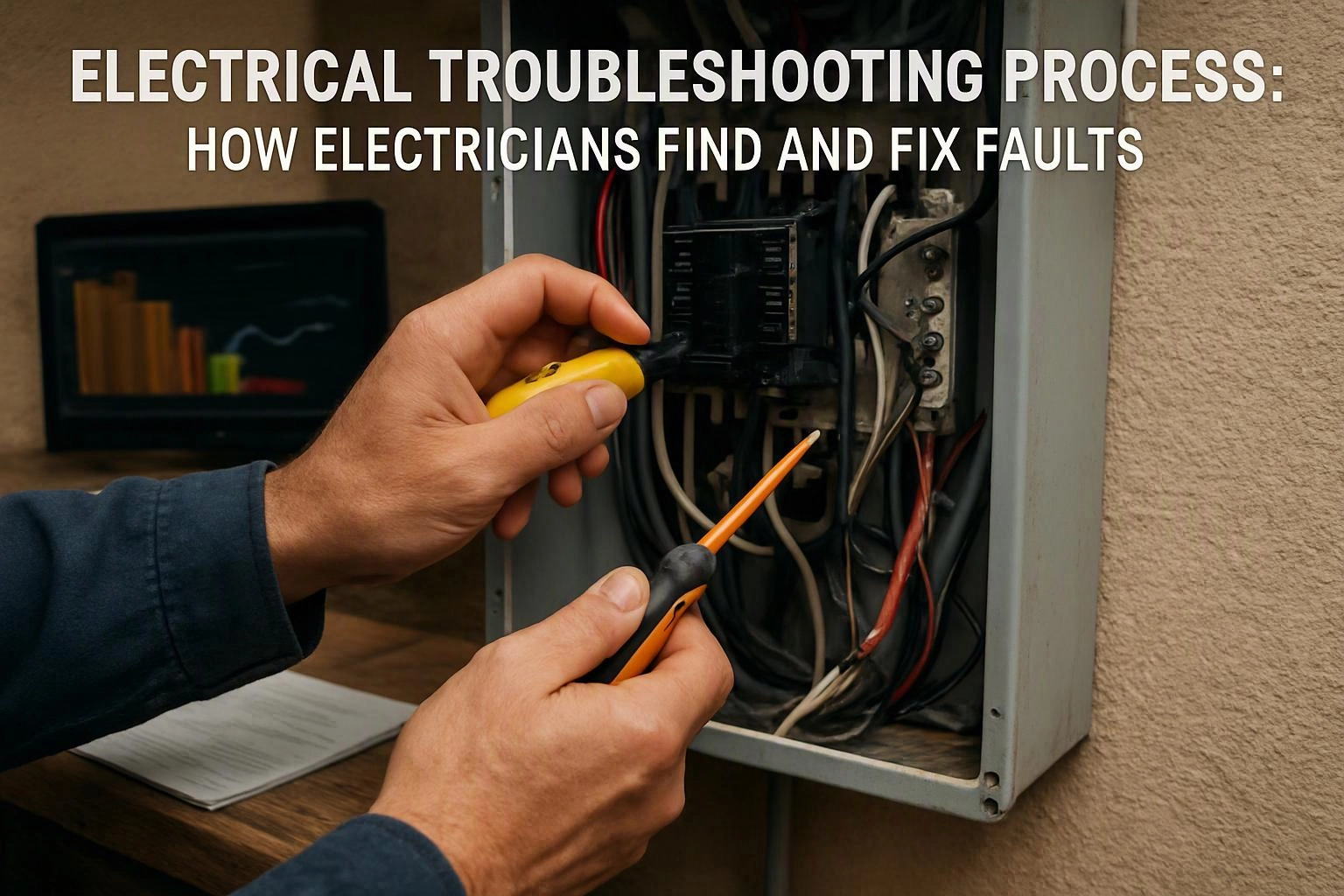
What Does Electrical Troubleshooting Involve?
Electrical troubleshooting is a systematic process that identifies the cause of an electrical symptom before the affected circuit or component is repaired. An electrical fault may appear as a loss of power, flickering lights, unusual heat, or a tripping breaker.
We connect the customer’s symptom to the circuit, wiring, load, and electrical components involved. Our team uses safe electrical testing to identify the source of the fault without guessing at the repair.
How We Troubleshoot an Electrical Problem
Our process follows the symptom from the point of use back through the circuit. Cincelux Electric uses inspection and testing to isolate the fault before we recommend electrical repair.
Our team can also connect these findings to Electrical Troubleshooting when a fault needs a detailed inspection and repair plan.
What We Check During the Diagnostic Process
Our diagnostic process compares the customer’s report with conditions at the electrical equipment. We check accessible parts carefully because a visible symptom may come from a connection or component farther back in the circuit.
| Area checked | What we look for |
|---|---|
| Customer symptoms | Patterns such as power loss, flickering lights, heat, noise, or a recurring outage. |
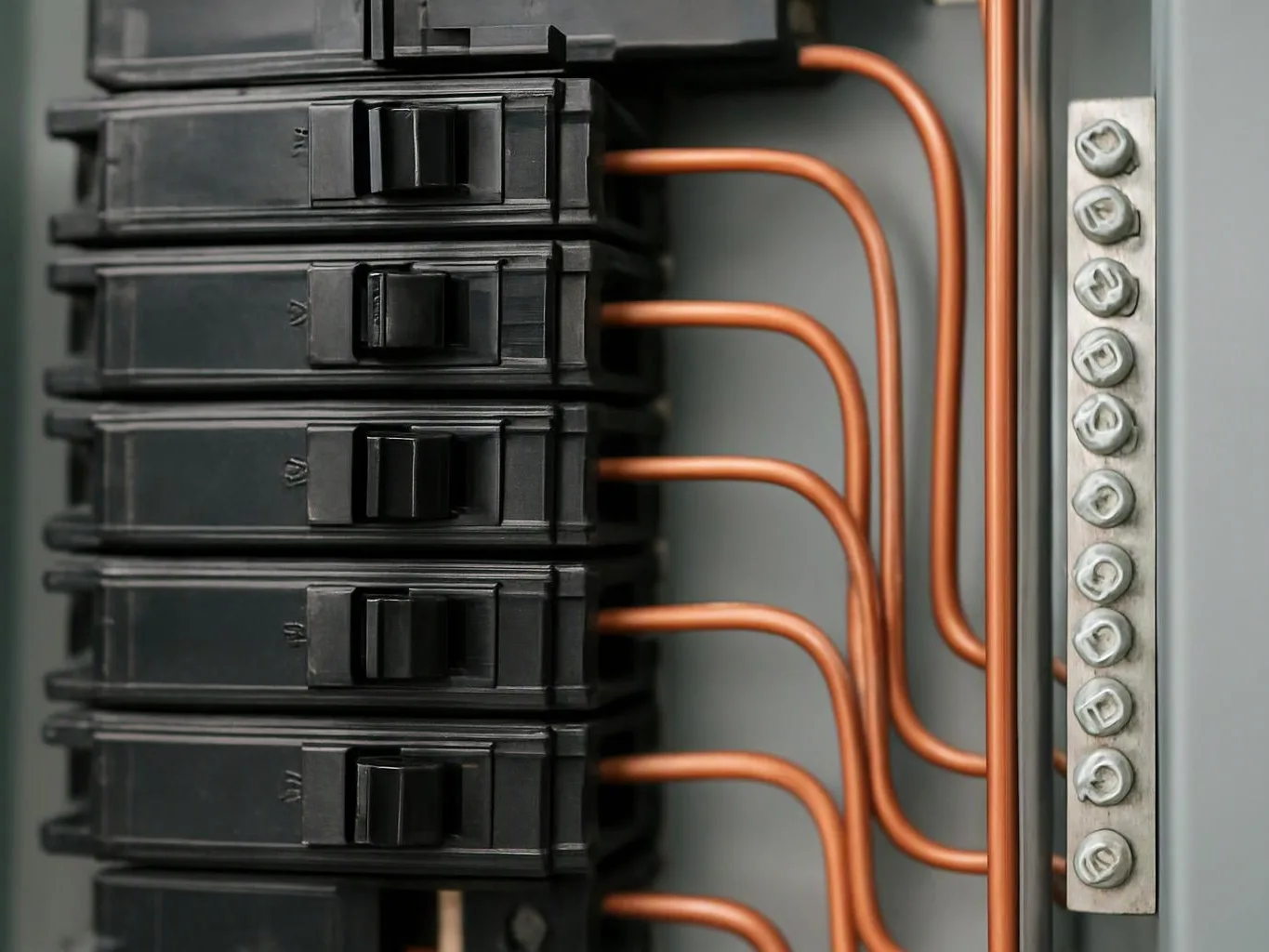
| Electrical panel and circuit breaker | Tripped protection, damaged parts, loose terminals, overheating, and circuit labeling. |
| Fuse box | Fuse condition, signs of excess heat, and connections that may affect safe operation. |
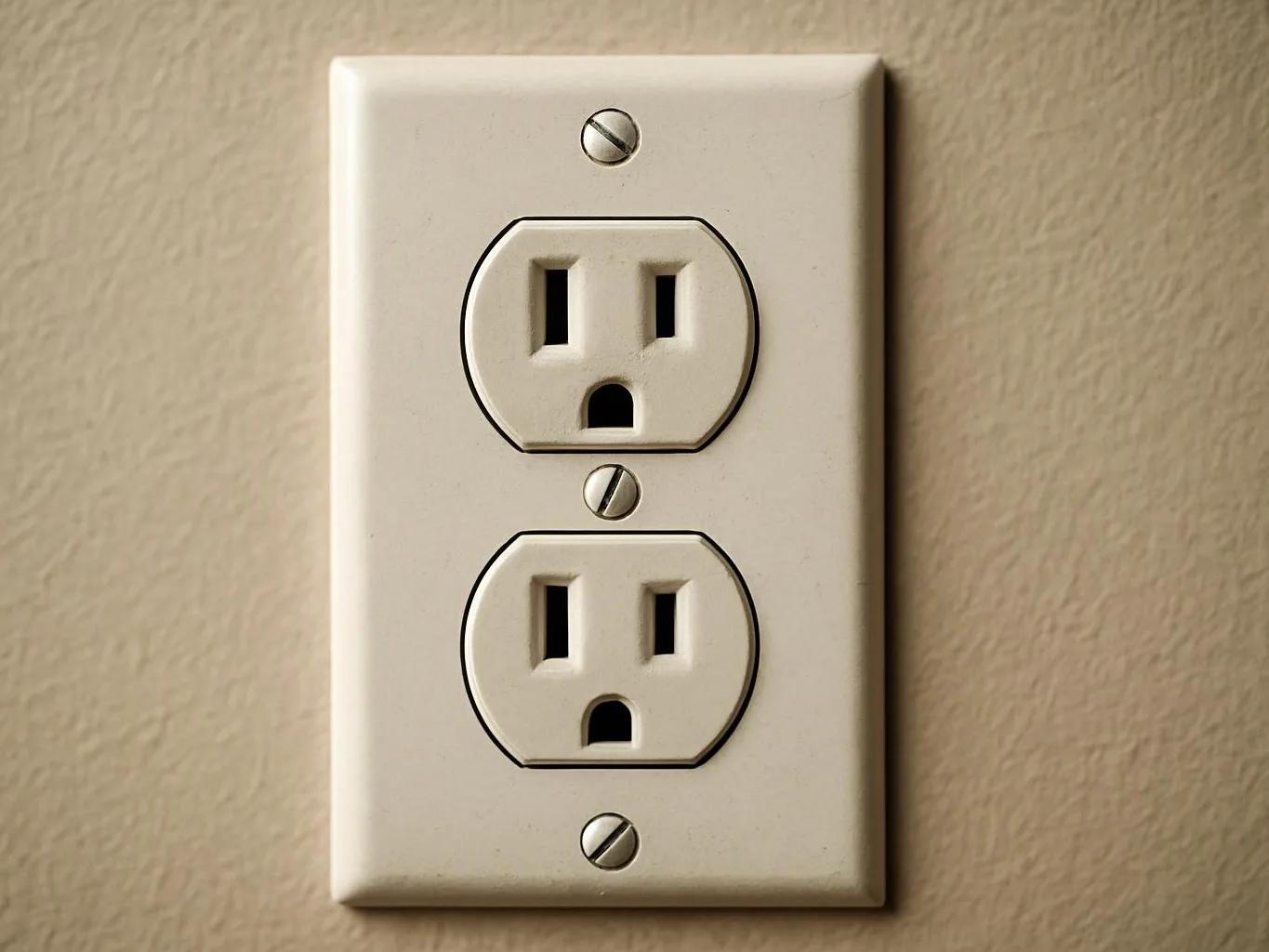
| Outlet and light switch | Heat, discoloration, damage, poor operation, and signs of a loose connection. |
| Electrical connections and wiring | Loose or corroded connections, damaged insulation, grounding concerns, and wiring faults. |
Humid and wet conditions in Hamilton County can contribute to corrosion at exposed electrical connections and equipment. We include relevant outlet, panel, and safety inspection checks when moisture exposure may be part of the fault.
Why an Electrical Problem May Keep Returning
A recurring electrical problem usually indicates an unresolved circuit, wiring, connection, or component fault that requires further diagnosis. An overloaded circuit, loose connection, damaged wiring, corrosion, or faulty electrical component can cause a recurring breaker trip.
We trace repeated symptoms back to the source instead of treating only the visible result. Our team checks the load, connections, grounding, and affected components to determine whether the circuit needs repair or further correction.
Recurring thunderstorms and lightning in Hamilton County can also make power surges, outages, and urgent electrical faults relevant to troubleshooting. We consider storm-related damage when the problem begins after an outage or surge.
What to Do Before Electrical Troubleshooting Begins
You can prepare for troubleshooting by sharing clear symptoms and keeping the affected area safe. Do not open electrical equipment or touch damaged wiring while power may still be present.
How We Explain the Repair and Estimate
Cincelux Electric explains the diagnosed fault, recommended repair, affected components, and work included before proceeding, with Free Estimates Available. We connect the estimate to the fault location and the work needed to restore safe operation.
Our repair options may include replacing a damaged component, correcting a loose connection, repairing electrical wiring, or addressing a problem at the panel, outlet, or switch. The estimate depends on access, the condition of the existing equipment, the replacement parts required, and the extent of the fault.
We answer questions about the proposed repair before work begins so you understand what our electrical troubleshooting estimate covers.
How We Confirm the Electrical Fault Is Fixed
Electrical troubleshooting is complete when the repaired circuit operates as intended and the relevant connections and components have been checked. We use electrical testing to confirm that power is present where it should be and that the repaired circuit responds correctly.
Our team performs a connection inspection after the repair and checks the affected equipment for signs of continued overheating, poor contact, or damage. Repair verification helps confirm that the original symptom has been addressed while supporting electrical safety.
When to Request Electrical Troubleshooting in Cincinnati, Ohio
Request electrical troubleshooting when an electrical symptom is recurring, unexplained, or connected to heat, burning odors, visible damage, or loss of power. Flickering lights, a warm outlet, a tripping circuit breaker, and unexplained power loss all warrant careful attention.
Stop using equipment that smells burnt, feels hot, sparks, or shows visible damage. Our team can inspect the affected circuit and determine whether the issue involves the outlet, wiring, electrical panel, or another component.
Storm-related outages and power surges can make urgent electrical faults more relevant in Cincinnati, Ohio. We include the event history in the diagnostic discussion when a problem follows recurring thunderstorms or lightning.
Which Electrical Repairs May Follow Troubleshooting?
The repair depends on the diagnosed fault and may involve the circuit breaker, fuse box, wiring, outlet, switch, or another electrical component. We select the repair based on test results, component condition, circuit operation, and electrical safety.
Possible work includes circuit breaker repair, fuse box repair, electrical wiring repair, outlet repair, light switch repair, or a follow-up electrical inspection. Our team explains why the repair is needed and what part of the circuit it addresses.
Questions About Electrical Troubleshooting
Can an electrician troubleshoot a circuit breaker that keeps tripping?
Yes, Cincelux Electric can troubleshoot a circuit breaker that keeps tripping by checking the circuit load, connections, wiring, and connected components. We determine whether the cause is an overloaded circuit, short circuit, damaged wiring, or faulty breaker.
What should I do if an outlet feels warm or smells burnt?
Turn off and stop using the affected outlet or appliance if you can do so safely, and keep away from visible damage. We inspect the outlet, connections, wiring, and circuit to identify the source of heat or burning odor.
Can electrical troubleshooting identify a hidden wiring fault?
Yes, electrical troubleshooting can identify a hidden wiring fault when symptoms and safe testing point to a problem behind an accessible connection or along the circuit. We use voltage testing, continuity testing, inspection, and fault isolation to narrow the source.
When does an electrical fault require wiring repair?
An electrical fault requires wiring repair when testing or inspection shows damaged insulation, an unsafe connection, overheating, corrosion, or a conductor that cannot safely carry the circuit load. We explain the affected wiring and the repair work before proceeding.
What information should I give Cincelux Electric before an electrical troubleshooting visit?
Share the affected outlet, switch, appliance, or room, along with the symptoms, when they began, whether the breaker trips, and any heat, odor, noise, or visible damage. This information helps us focus the initial inspection and plan safe electrical testing.
Request Electrical Troubleshooting in Cincinnati, Ohio
Cincelux Electric performs electrical troubleshooting and fault repair in Cincinnati, Ohio. Contact us with the symptom and affected circuit so our team can explain the next step and provide Free Estimates Available.
Contact Cincelux Electric to discuss an electrical problem and arrange the appropriate inspection.
Related Resources
How Much Does a 24-Hour Emergency Electrician Cost in Cincinnati?
What It CostsElectrical Troubleshooting and Circuit Breaker Repair: Cost and Process
What It CostsHow Much Does It Cost and How Long Does It Take to Rewire a House?
Compared ToEmergency Electrician vs. Regular Electrician: Which Should You Hire?