Record the switch symptoms
We ask when the fault began and whether the switch sparks, buzzes, feels warm, or controls the light intermittently.
A faulty switch can leave a room dark or signal a wiring problem. We inspect the switch, wiring, and connected light before recommending the repair.
A working switch restores control over the connected light.
Testing helps separate a failed switch from a wiring fault.
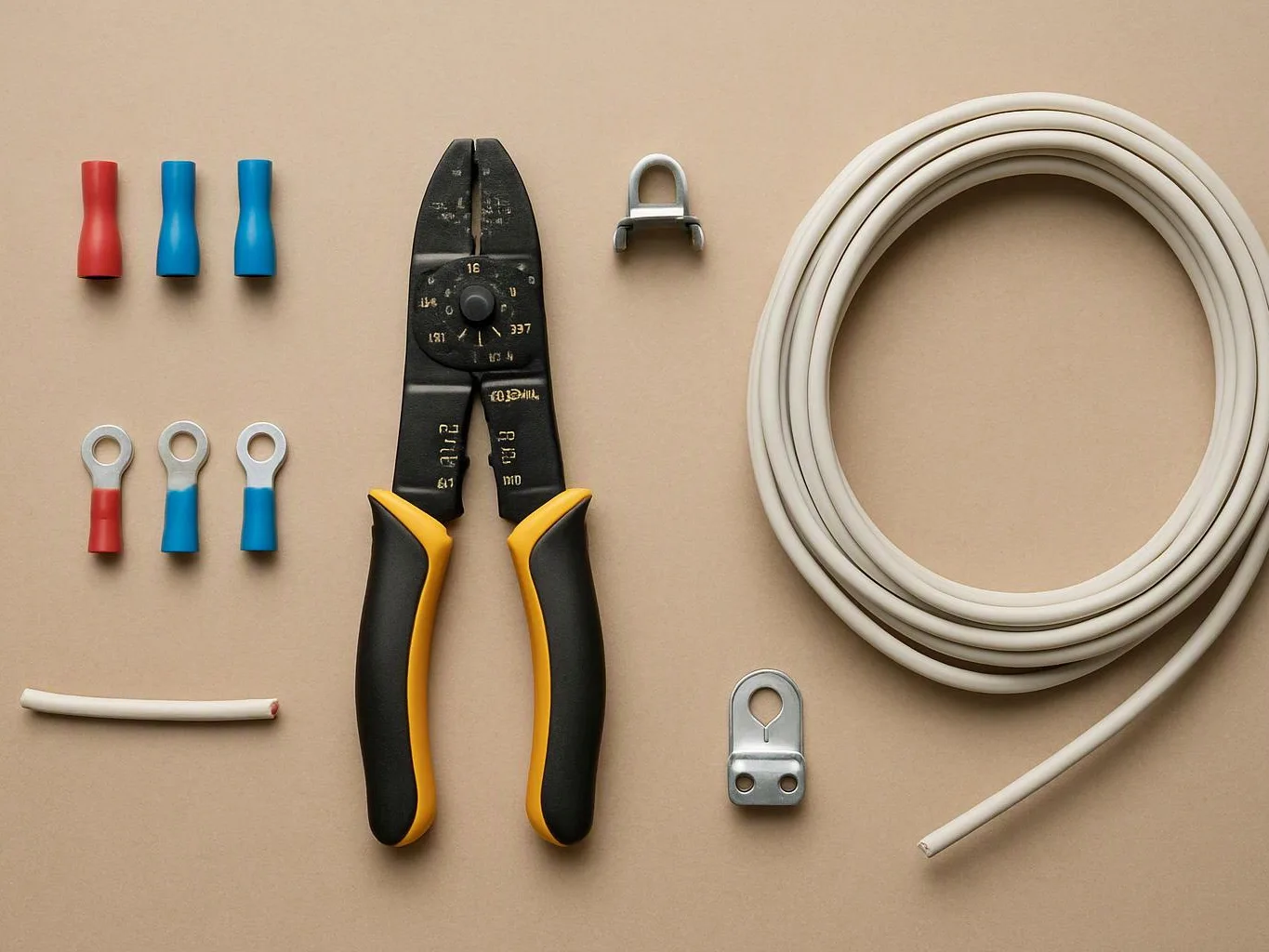
Replacing damaged terminals reduces repeat flickering and loose contact problems.
A clear repair scope helps you decide whether to repair or replace the switch.
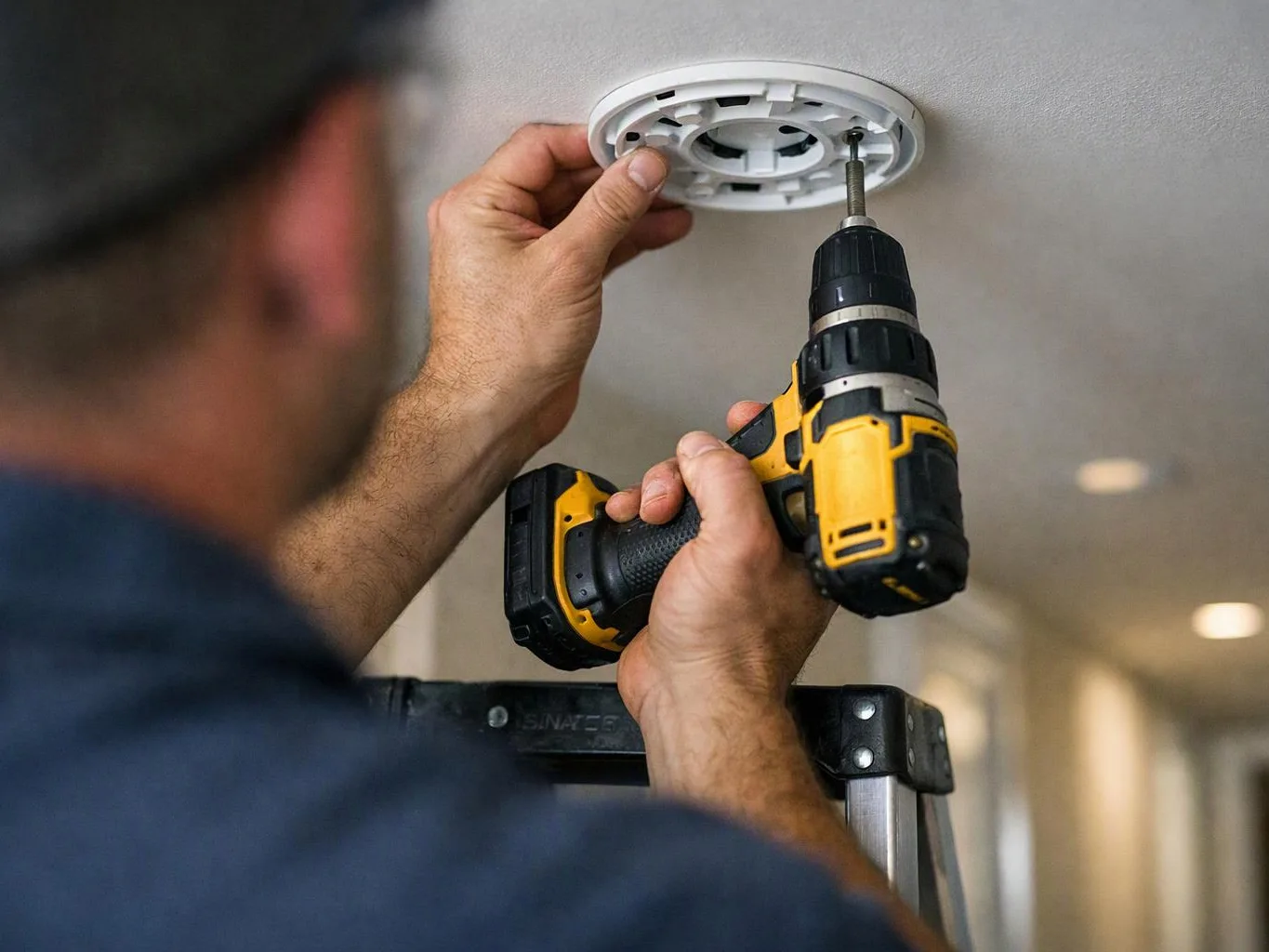
Light switch repair covers more than changing a faceplate. We check the switch body, terminal screws, wire connections, electrical box, and the light the switch controls. A loose wire can create heat, flicker, or an intermittent light. We diagnose the fault before recommending work, then repair the connection or replace the damaged switch when needed. The job may be small when the switch itself has failed. It can require more work when the box is damaged, wiring is unsafe, or the circuit has another fault. We explain the repair scope and provide a free estimate before work begins. Cost often rises when the fault extends beyond the switch. Extra access, damaged wiring, a crowded box, or circuit tracing can add work. We focus spending on the cause, not cosmetic parts that do not solve the fault.
Light switch repair is an electrical service that restores a faulty switch and its connected wiring.
A few details help us diagnose the switch problem with less disruption.
We ask when the fault began and whether the switch sparks, buzzes, feels warm, or controls the light intermittently.
We identify the relevant breaker and make the circuit safe before opening the switch box.
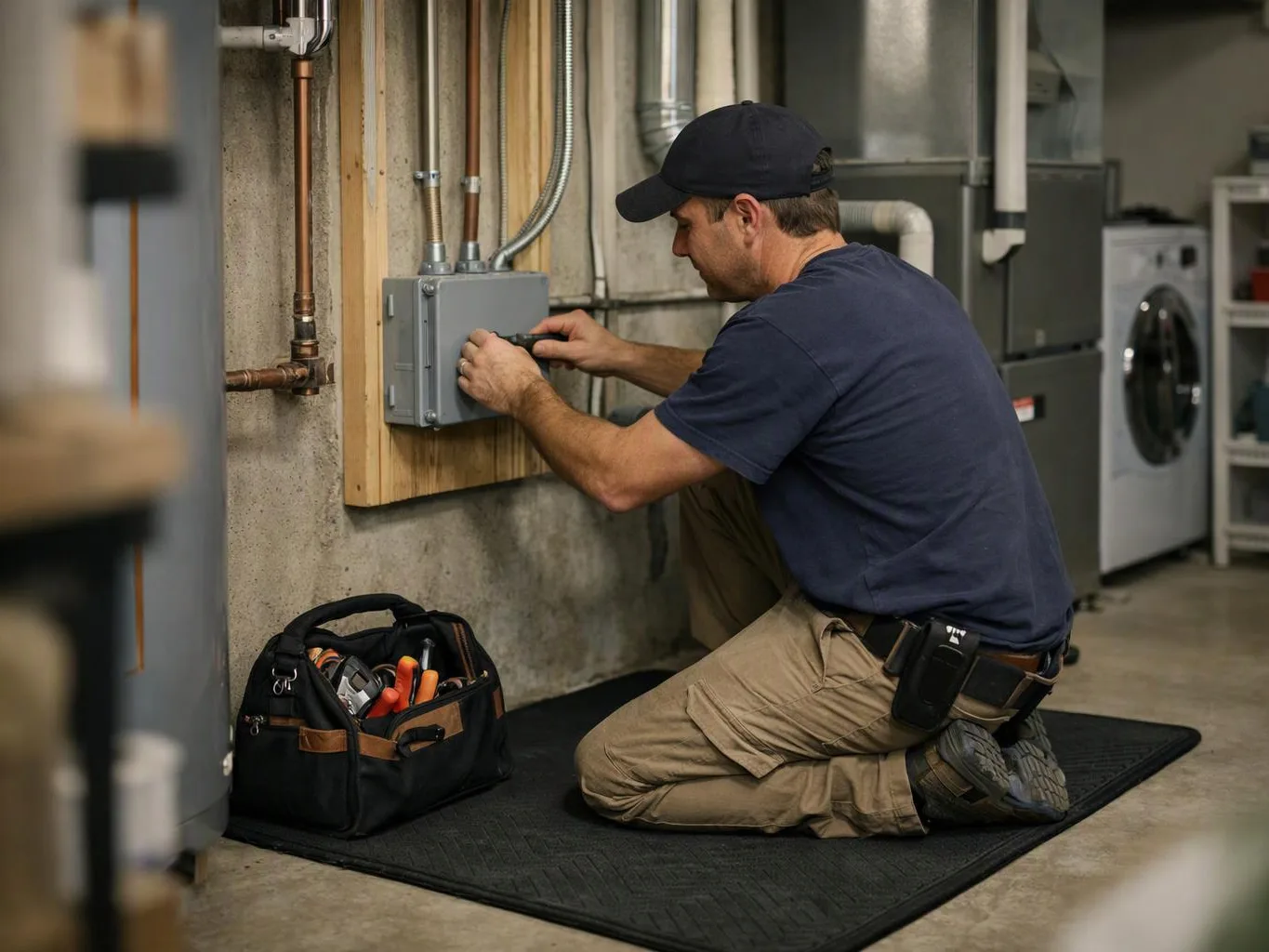
We check the switch, terminals, wire condition, box fit, and signs of heat or damage.
If the switch tests sound, we check connected wiring, the light fixture, and related circuit symptoms.
We complete the agreed repair, restore power, and test the switch and connected light for proper operation.
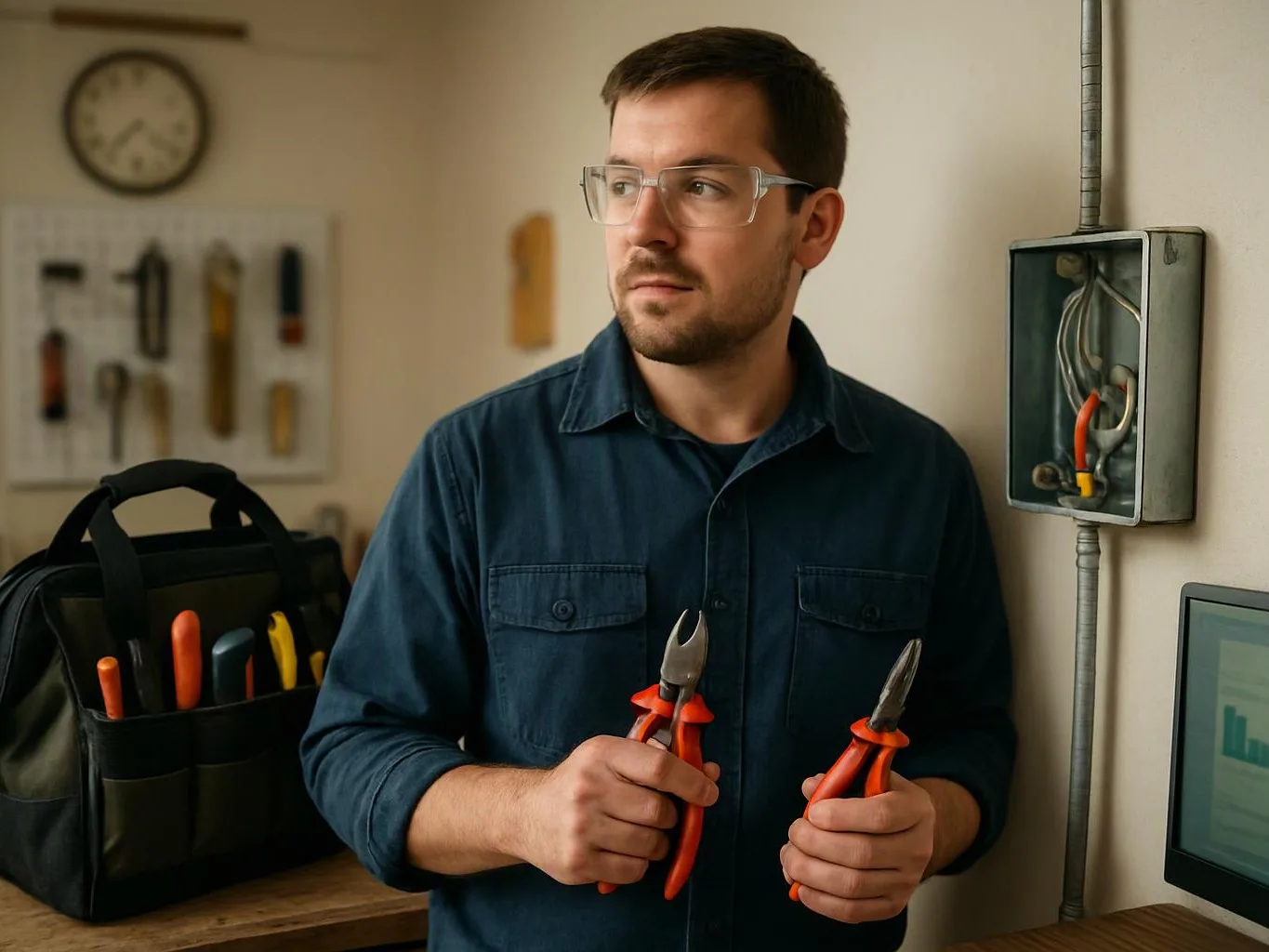
We inspect the switch, box, terminals, and connected light before recommending repair or replacement.
We adapt switch inspections and repairs to residential rooms, commercial spaces, and property manager access needs.
Get a clear repair scope for your switch and connected lighting; urgent requests get priority scheduling.
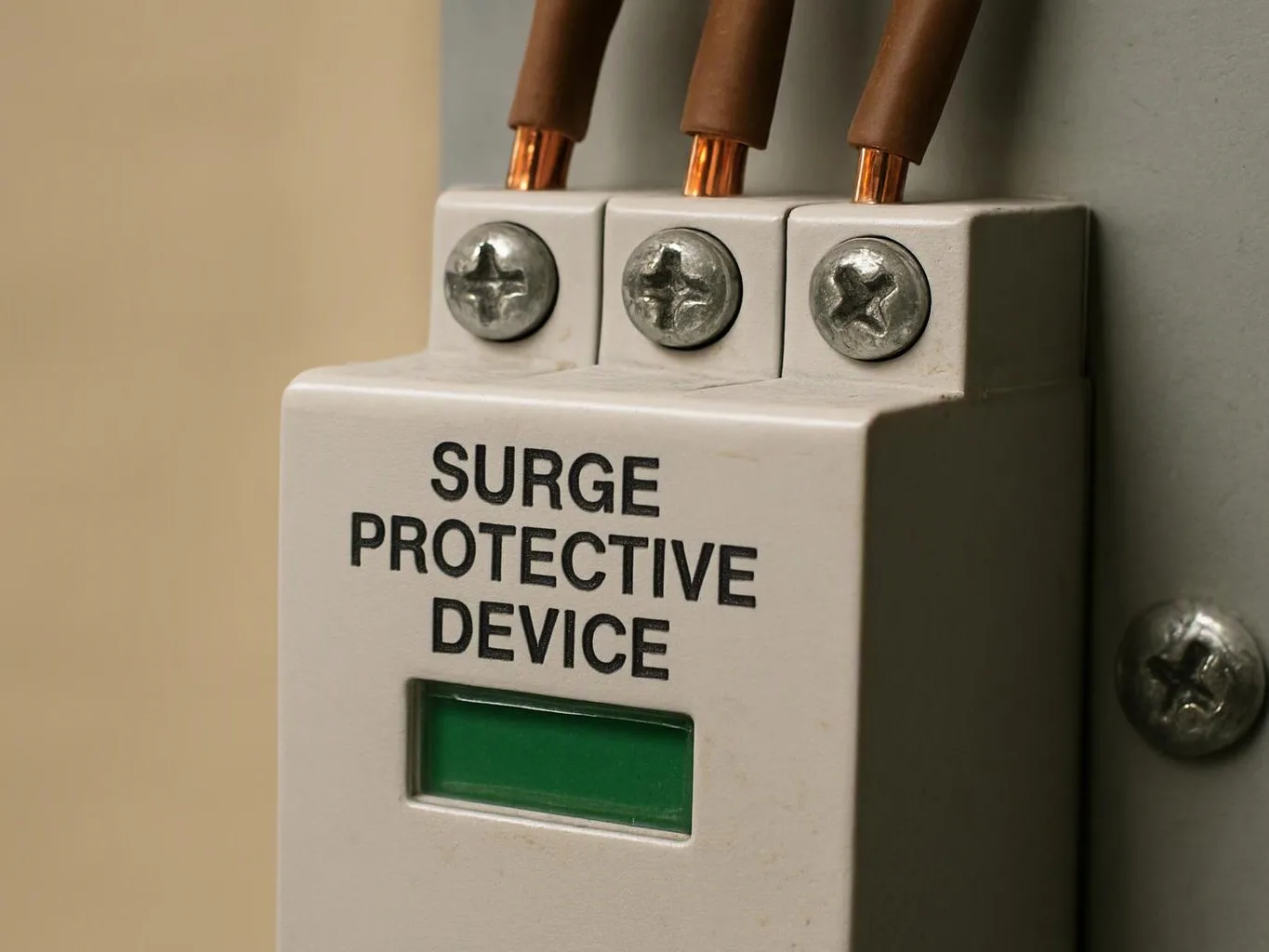
A warm switch plate needs attention because heat can come from a loose terminal or failing switch. The surrounding wall box also matters, since cramped or damaged boxes can strain the wiring. Stop using the switch if it smells hot or shows discoloration, then give us the symptom details so we can inspect the circuit safely.
A light that flickers after switch work may have a loose terminal, mismatched switch, or fault farther along the circuit. Replacing the visible part again may not fix the cause. We check the switch connections and trace the circuit, so the repair addresses the fault instead of repeating a temporary change.
A dead switch can affect a tenant, office, or shared space, especially when one switch controls several lights. Access to the room, panel, and affected fixture helps us test the full path. Property managers can share the symptom, room location, and access details when requesting a repair estimate.