What to Do About Water Near Your Electrical Panel, Outlets, or Wiring
Water near an electrical panel or outlet can cause shock, fire, or equipment damage. Don't touch wet electrical equipment, outlets, switches, cords, or standing water. You can shut off power from a dry place. Only do this if you can reach the main disconnect safely. Otherwise, leave right away and call emergency services or a licensed electrician. Never turn power back on after a panel or outlet gets wet. An electrician must inspect, test, dry, repair, or replace damaged parts first.
Get a Free Estimate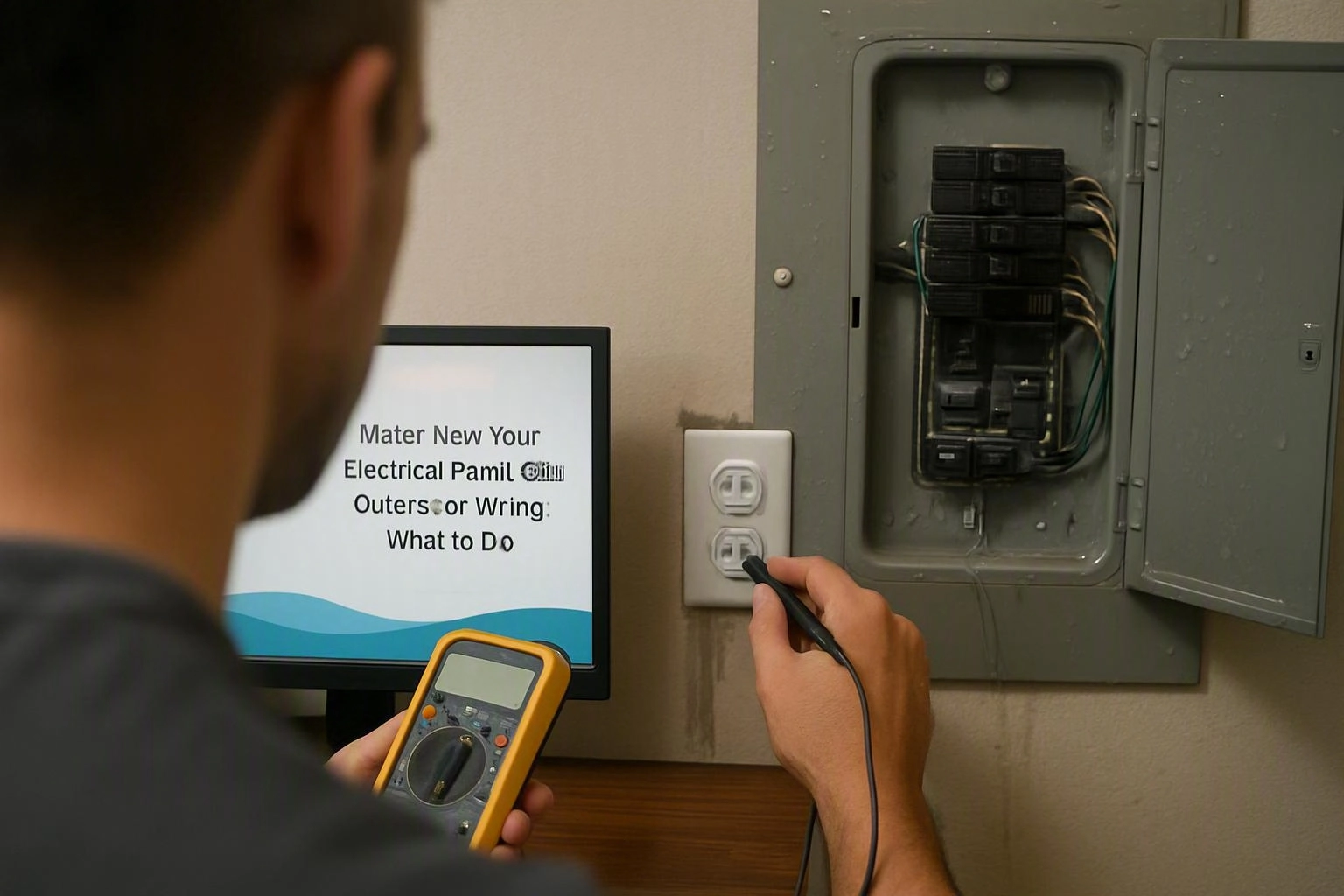
Water near electrical equipment creates a serious safety risk. A trained electrician must check panels, outlets, wiring, and power. Treat every wet part as live. This rule applies even after a breaker trips or the lights go out.
At ElectricianCincinnatiOH.com, we help people choose a safe response. Moisture can reach home or business wiring quickly.24-Hour Emergency Electrical Repair team can help. Don't risk your safety to save equipment.
What Should You Do if Water Gets into an Electrical Outlet?
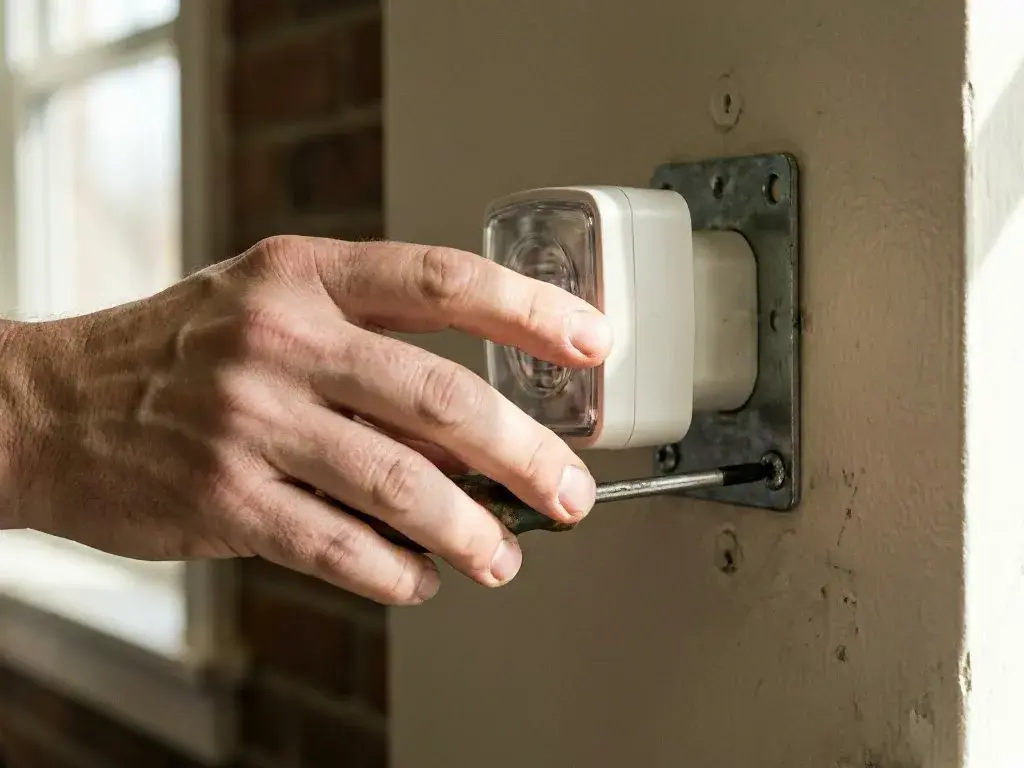
An electrical outlet exposed to water may still be live. Don't touch the outlet, plug, switch, cord, or nearby water. Leave the area. Shut off power only from a dry, safe place. Then call an electrician. Don't use the outlet until it's repaired or replaced.
Water can move behind the wall plate and into the outlet box. The box may hold live parts, trapped water, and damaged insulation. This can cause shock, sparks, smoke, or fire when power returns.
Leave at once if standing water blocks the main disconnect. Never enter live water to reach the panel. Call emergency services if someone may touch live electricity, smoke is present, or someone got shocked. A professional can shut off the circuit safely.
Can You Turn on Power After an Electrical Panel Gets Wet?
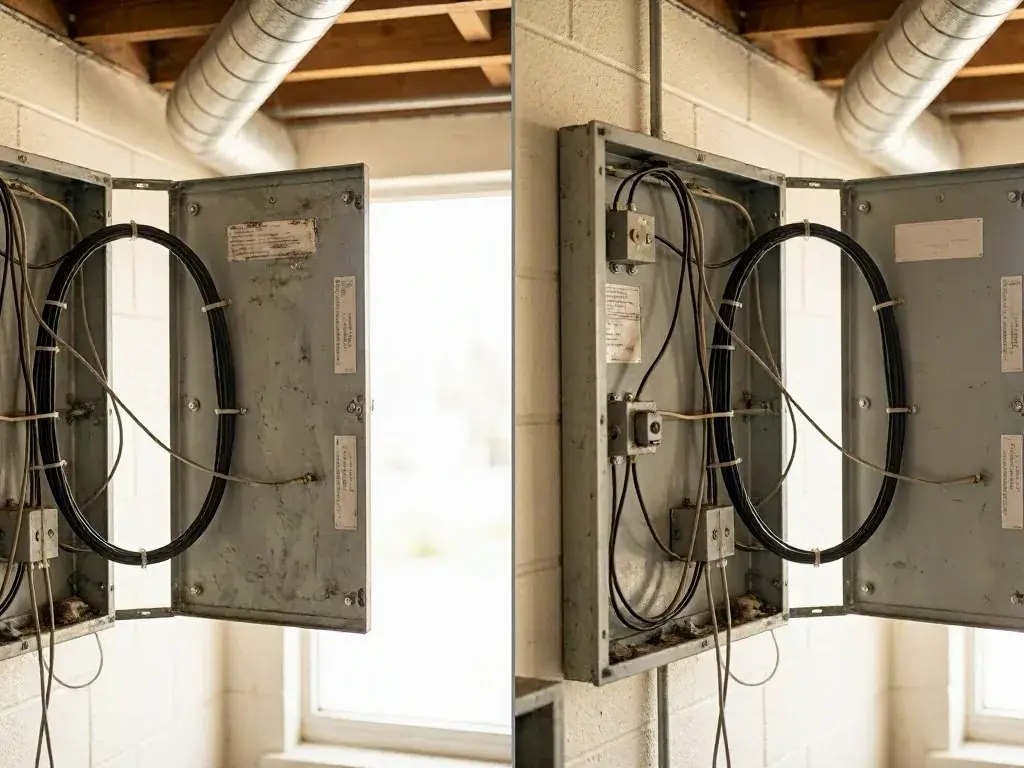
An electrical panel that gets wet shouldn't be turned on by a property owner. Water can damage breakers, metal bars, terminals, and insulation. Keep the power off. A qualified electrician must check the panel, service wires, grounding, and connected circuits first.
A circuit breaker may trip during a short circuit or ground fault. That doesn't prove the equipment is safe. Water can stay inside breakers and panel spaces after the outside feels dry. Restored power may cause heat, fire, or an arc flash.
The inspection should cover the main disconnect and affected breakers. It should also cover terminals, metal bars, grounding points, and cable openings. The electrician may check for water inside service wires. A wet service entrance can put the whole building at risk.
Don't use fans, heaters, compressed air, or cleaners inside the panel. These items can spread water or damage parts. They may also create a fire risk. Power should return only after the leak is fixed and damaged parts are replaced or approved for reuse.
A small home incident may take a few hours to inspect. Severe flooding may need a longer shutdown. It may also need several types of repair work. Time depends on water depth, access, equipment age, and insulation damage.
What Signs Show That Water Has Damaged Electrical Equipment?
Water damage can cause clear warning signs. Look for burn marks, rust, buzzing, breaker trips, flickering lights, burning odors, or hot outlets. Stop using the circuit. Keep people away. Arrange professional electrical testing.
Some damage stays hidden. Water may remain under insulation, inside conduit, or behind a wall. Report any recent water event, even without clear signs. Damage may cause a failure later.
Don't paint over warning signs or replace a fuse without finding the cause. Turn off the circuit from a safe place if possible. Then arrange.Electrical Inspection. Testing can find leaks, weak insulation, and loose connections.
When Should You Call an Electrician After Water Damage?
Call an electrician right away when water reaches a panel, outlet, junction box, wire, or service entrance. Call sooner if breakers trip, smoke appears, or power acts strangely. A professional can find hidden damage and restore power safely.
Get urgent help when standing water blocks access. Flooded service entrances also need quick help. Call for help after a shock or when you see smoke, sparks, an arc, or a burning odor. Leave the building if anyone faces immediate danger.
For less urgent cases, schedule an electrical inspection after stopping the leak. Tell the electrician when and where the leak happened. Share the water depth, affected rooms, tripped circuits, and visible damage.
Our team may suggest 24-Hour Emergency Electrical Repair in Cincinnati. This service helps when active danger can't wait. A 24 Hour Electrician can help shut off power and inspect the system. Don't restore power before the system gets checked.
Water damage can spread past the visible outlet or panel. An electrician may inspect hidden cable, junction boxes, grounding paths, and service equipment. We can also explain which repairs must happen first.
What Commonly Causes Water near a Panel, Outlet, or Wire?
Common causes include roof leaks, plumbing leaks, appliance discharge, floods, and condensation. Water can also enter through gaps near walls or service entrances. Finding the source matters. Ongoing moisture can keep damaging wires and metal parts.
Water may not come from directly above the damaged part. It can travel along framing, pipes, cables, or inside walls. Fixing only the electrical problem won't stop another failure if the leak remains.
Note the water source before cleanup if it's safe. Photos and notes can help the electrician. They can also help roof, plumbing, drainage, or building repair crews.
How Can You Prevent Water from Reaching Electrical Equipment?
Fix leaks quickly and keep electrical equipment away from moisture. Use proper weatherproof covers outdoors. Maintain drains and inspect wiring after storms or plumbing leaks. Never place equipment where floods may reach it. Have damaged parts checked before reuse.
Good protection needs both building care and electrical planning. A cover won't stop a flood or a broken pipe. Keep the space around the panel clear. You may need to reach it during an emergency.
Check for cracked covers, loose fittings, rust, damaged seals, and condensation. Don't drill the panel or add a homemade shield. Don't cover electrical equipment with household items. Protection must allow safe access and airflow.
How Is Wet Electrical Wiring Made Safe Again?
Electricians make wet wiring safe by shutting off power and fixing the water source. They inspect and test the system. They replace parts that can't be safely reused. These parts may include outlets, breakers, cables, boxes, or service equipment.
Drying alone isn't a repair. Water can leave dirt, salts, or chemicals behind. These materials can carry power and cause rust. Water can also weaken insulation or enter hidden parts.
The work starts with safe isolation. The electrician finds the affected circuits and shuts off the main disconnect when safe. They use test tools to confirm the power is off. The leak must be fixed before checking parts.
Testing may include insulation, continuity, polarity, and ground fault checks. The electrician also checks the grounding system. These tests can find hidden damage. A dry surface doesn't prove the wiring is safe.
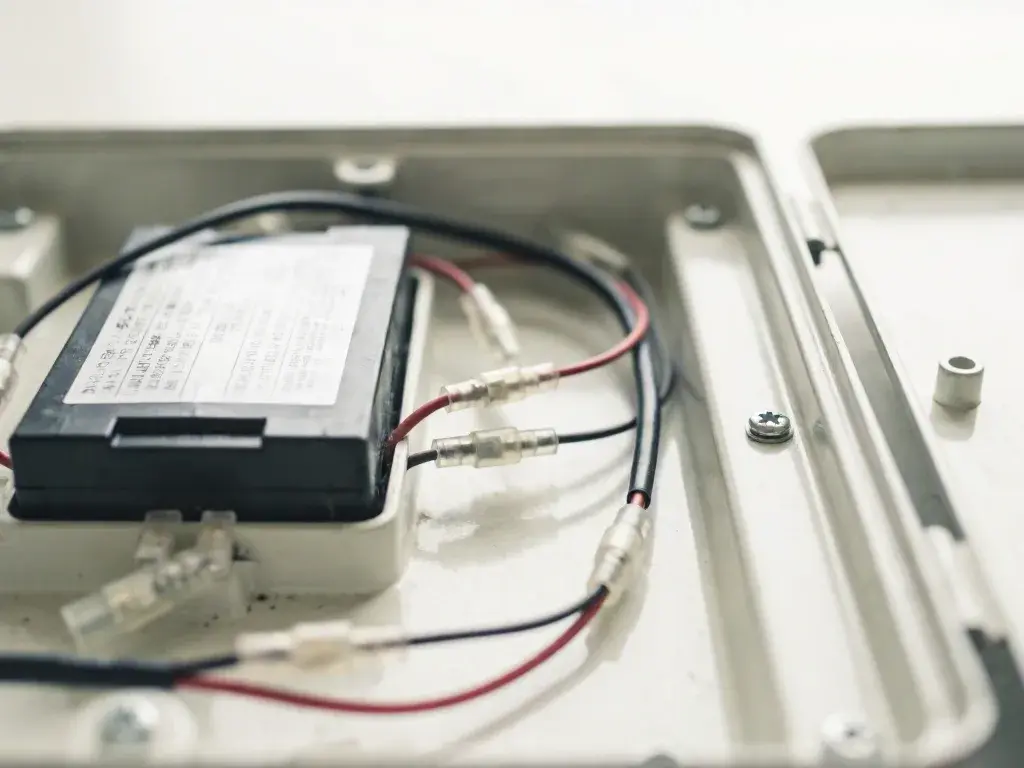
Parts exposed to heavy water may need replacement. These may include breakers, outlets, cables, boxes, terminals, or service equipment. An outlet may look clean but still need replacement. A breaker may also need replacement after water enters it.
Some parts can be cleaned and dried safely. Cleaning doesn't always make an electrical part safe to reuse. The electrician must test each part before reuse. Damaged wiring may need removal or replacement.
Repair is complete after the leak is fixed and damaged parts are replaced. Connections must be secure. Grounding must be checked. The electrician must test each affected circuit before restoring power. Keep records of repairs and test results.
Questions About 24 Hour Electrician
What Should I Do if Water Gets into an Electrical Outlet?
Don't touch the outlet, plug, switch, cord, or nearby water. Leave the area. Turn off power only from a dry, safe place. If water blocks the main disconnect, leave right away. Call emergency services or a licensed electrician. Don't reuse the outlet until it's checked and repaired or replaced.
Can I Turn on Power After an Electrical Panel Gets Wet?
No. Keep the power off. Have a qualified electrician check the panel, breakers, service wires, grounding, and circuits. Moisture can cause hidden rust, insulation damage, shorts, or later failures.
Is a Flooded Electrical Panel Dangerous?
Yes. A flooded panel can cause shock, sparks, fire, breaker failure, or wiring damage. Don't enter standing water to reach it. Don't open, dry, clean, or reset it. Leave if anyone may touch live water. Arrange emergency electrical help.
When Should I Call an Electrician After Water Damage?
Call right away when water reaches a panel, outlet, junction box, wire, or service entrance. Get urgent help after a breaker trip, flickering lights, smoke, burning odors, or odd power behavior. Schedule an Electrical Inspection for less urgent damage.
Can Wet Electrical Wiring Be Reused After It Dries?
Sometimes, but drying alone isn't enough. An electrician must inspect and test the wiring. Testing should include insulation and grounding checks. Saturated, rusty, dirty, or damaged parts may need replacement.
If water reached your electrical system, keep people away. Shut off power only when safe. Then arrange professional help. Our team can help you choose urgent service or a planned inspection.
Contact an electricianRelated Resources
How Much Does a 24-Hour Emergency Electrician Cost in Cincinnati?
24 hour emergency electrician cost Cincinnati
What It CostsHow Much Does It Cost and How Long Does It Take to Rewire a House?
home rewiring cost and timeline Cincinnati
Compared ToEmergency Electrician vs. Regular Electrician: Which Should You Hire?
emergency electrician vs regular electrician
Compared ToElectrical Panel Upgrade vs. Full Service Upgrade: What Does Your Home Need?
electrical panel upgrade vs electrical service upgrade cost Cincinnati