Emergency Electrician vs. Regular Electrician: Which Should You Hire?
An emergency electrician handles dangerous electrical problems that can't wait. A regular electrician handles planned repairs, installs, checks, and upkeep. Call an emergency electrician for burning smells, sparks, exposed live wires, shocks, or power loss. Call one for a serious fault at night, too. Use a regular electrician for upgrades, outlets, lights, rewiring, and minor faults. Emergency service often costs more because it starts fast. It may also happen outside normal work hours. Don't wait until morning if waiting could cause fire, shock, or property damage. At ElectricianCincinnatiOH.com, we help Cincinnati readers choose the right service.
Get a Free EstimateEmergency Electrician vs. Regular Electrician: What Is the Difference?
An emergency electrician responds to dangerous faults or outages. These problems may cause fire, shock, or property damage. This service often runs outside normal work hours. A regular electrician handles planned repairs, installs, checks, and upkeep. The main difference is urgency and response time. It isn't always the electrician's trade skill.
Both workers may be licensed electrical contractors. Your choice depends on the fault and its risk. A damaged light switch may still work safely until tomorrow. Arcing, smoke, shocks, or a failed key circuit need faster help.
| Factor | Emergency electrician | Regular electrician |
|---|---|---|
| Cost | Often includes urgent or after-hours charges | Usually follows standard service pricing |
| Timeline | Dispatch may occur at once, overnight, or on a holiday | Booked for the next suitable appointment |
| Maintenance | Focuses on making a dangerous system safe | Handles routine maintenance and planned improvements |
| Best for | Electrical emergencies, hazards, and critical outages | Installations, upgrades, inspections, and non-urgent faults |
A 24-hour electrical service helps with problems that can't safely wait. A regular visit allows more time to plan the repair. It also allows time to find parts and make a full repair plan. In both cases, the electrician should test the fault first.
When Should You Call an Emergency Electrician?
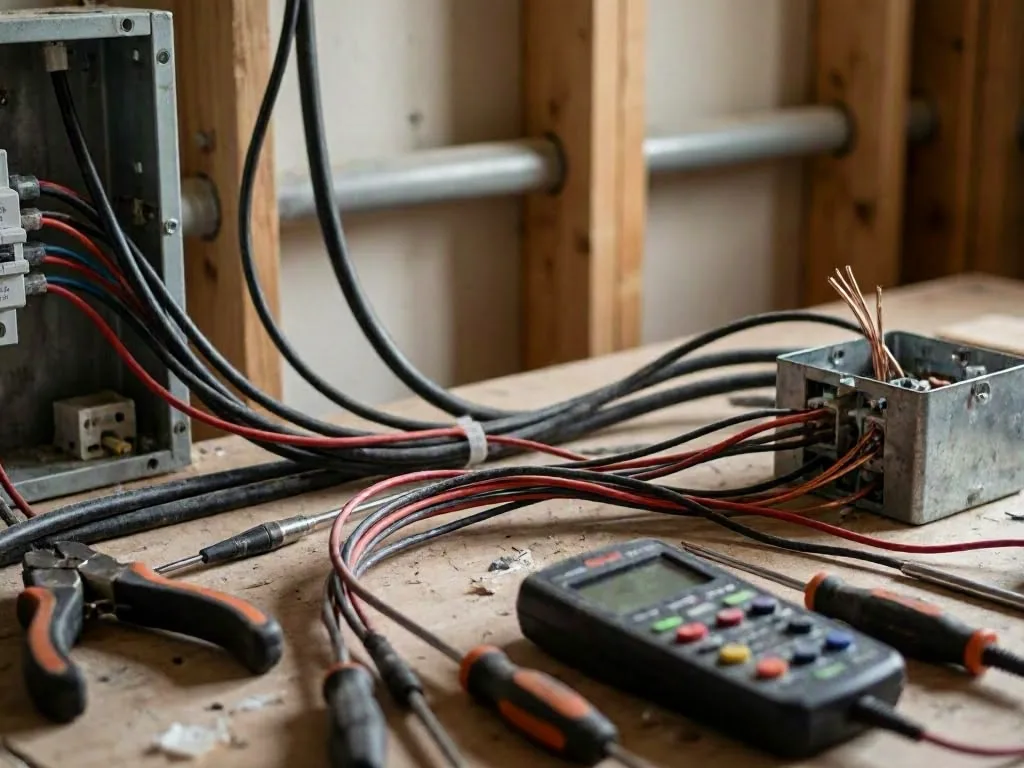
Call an emergency electrician when a fault puts people or property at risk. Call one when a key power failure can't safely wait. Burning smells, smoke, sparks, shocks, and exposed live wires need quick help. Repeated breaker trips and sudden power loss also need a pro.
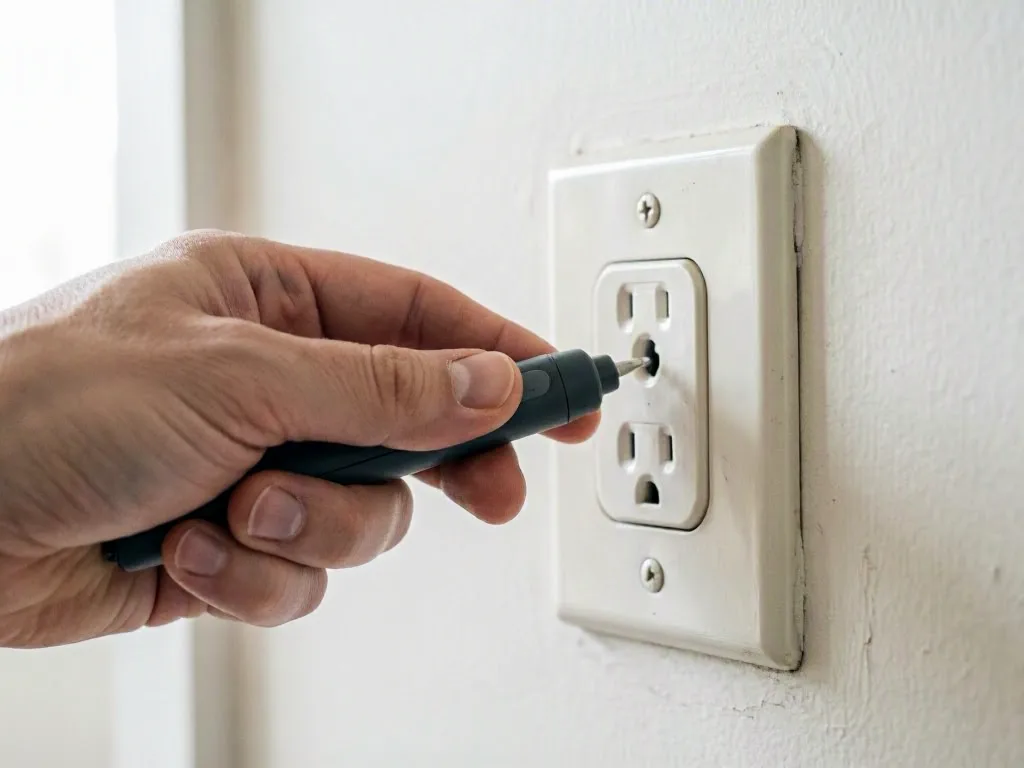
Leave the area if you see smoke, arcing, melted plastic, or exposed wires. Keep children and pets away. Don't touch damaged fittings or wet electrical gear. If it's safe, turn off the affected circuit at the breaker. Don't touch a damaged panel or stand in water.
Power loss isn't always an electrical emergency. Check nearby buildings first. Contact the utility if the outage affects a wide area. A fault limited to your property may need an electrician. Quick help may also protect medical gear, food, heat, air conditioning, or business systems.
We can check the fault and make the area safe. We can also explain the repair choices. Never reset a breaker again and again. That can keep a failing circuit running.
Can an Electrician Come Out at Night?
A 24-hour emergency electrician can often respond at night. Many also work on weekends and holidays. This service helps when an electrical issue creates danger or stops key power. Availability depends on the provider and the technician. Confirm the response time and after-hours price first.
An after-hours electrician may give safety steps by phone. The wait can vary for many reasons. These include traffic, weather, travel distance, and other calls. Ask what the visit includes. It may cover testing, making the area safe, temporary work, or full repair.
Night service helps when a fault makes a home unsafe. It also helps when key systems stop working. A circuit for medical gear or heat may need fast help. A broken outlet in an empty room can likely wait. We provide 24-Hour Emergency Electrical Repair in Cincinnati when urgent service is needed.
Is an Emergency Electrician More Expensive?
An emergency electrician often costs more than a regular visit. Urgent dispatch, night work, travel, and fast testing may add fees. The final price depends on the fault, parts, access, and repair work. Ask about the service call and estimate before work starts. Don't delay a dangerous repair just to save money.
An emergency fee may be separate from the first testing fee. After finding the fault, the electrician should explain the repair price. They should also list needed parts. Ask if the work will fully fix the system or only make it safe for now. Ask what the service call includes.
Repair cost depends on where the fault is found. It also depends on the condition of nearby parts. A breaker repair may cost less than damaged wiring in a wall. A bad electrical panel or water damage may cost more. Most urgent visits start with a check that takes 30 to 90 minutes. Complex faults can take longer. This range is only a guide.
Don't choose slow service if waiting could cause harm. Food, heat, cooling, and equipment may be at risk. Safe projects can usually wait for a regular visit. Planned work may also reduce stress and cost.
Emergency and Regular Electricians: Pros and Cons
Emergency electricians offer fast help for dangerous faults. They also help with major power failures. Urgent service can cost more, with fewer time choices. Regular electricians work well for planned jobs and upkeep. They usually offer more flexible times. They may not come right away for a dangerous fault.
Both types can test, fix, and improve electrical systems. The worker must have the right training and license. The main difference is the reason for the visit. Emergency work focuses on safety and power. Regular work focuses on plans and improvements.
Benefits and Drawbacks of Hiring an Emergency Electrician
Urgent service is for safety risks. It isn't for every small problem. These points can help you choose.
Pros:
Cons:
Benefits and Drawbacks of Hiring a Regular Electrician
Planned service works when no danger is present. It also works when the system can stay off safely. The electrician gets more time to review the property. They can then bring the right tools and parts.
Pros:
Cons:
Should You Wait Until Morning to Call an Electrician?
Don't wait until morning for smoke, burning smells, sparks, or shocks. Act fast for water near power or exposed wires. Act fast for repeated breaker trips or lost power to key equipment. Turn off power only if it's safe. Keep people away and call emergency help. Safe projects can usually wait for a regular visit.
Don't open the electrical panel or replace damaged wires. Never bypass a safety device. Safe checks and power shutoffs may help. Repair work needs training and test tools. If there's a fire or clear danger, leave the building. Call emergency services first.
Questions About 24 Hour Electrician
What Is the Difference Between an Emergency Electrician and a Regular Electrician?
The main difference is urgency and response time. Emergency service handles hazards and major outages. These faults may cause fire, shock, or property damage.
When Should I Call an Emergency Electrician?
Call promptly for smoke, burning odors, sparks, arcing, or live wires. Call for shocks, water near electrical gear, or repeated breaker trips. Call for a serious power failure, too. Isolate power only if safe. Keep people away until help arrives.
Is an Emergency Electrician More Expensive?
Often, yes. Urgent dispatch, night work, travel, and fast testing may add fees. The total depends on the fault, parts, access, and repair work. Ask about the service call and estimate first. Don't delay a dangerous repair to save money.
Can an Electrician Come Out at Night?
Many providers offer nighttime electrical service. They may send an after-hours electrician or 24 Hour Electrician dispatch. Confirm availability, wait time, price, and safety steps before help arrives.
Should I Wait Until Morning to Call an Electrician?
Don't wait for smoke, burning, sparks, shocks, or water exposure. Don't wait for exposed wires, repeated trips, or lost power to key systems.
Related Resources
How Much Does a 24-Hour Emergency Electrician Cost in Cincinnati?
24 hour emergency electrician cost Cincinnati
What It CostsElectrical Troubleshooting and Circuit Breaker Repair: Cost and Process
electrical troubleshooting and circuit breaker repair cost
How It WorksPower Restoration for Homes: What an Electrician Does and How It Works
electrician power restoration process Cincinnati
When You Need ItSigns You Have an Electrical Emergency at Home
signs of an electrical emergency